• About Us
    • What Is Street Harassment?
    • Why Stopping Street Harassment Matters
    • Meet the Team
      • Board of Directors
      • Past Board Members
    • In The Media
  • Our Work
    • National Street Harassment Hotline
    • International Anti-Street Harassment Week
    • Blog Correspondents
      • Past SSH Correspondents
    • Safe Public Spaces Mentoring Program
    • Publications
    • National Studies
    • Campaigns against Companies
    • Washington, D.C. Activism
  • Our Books
  • Donate
  • Store

Stop Street Harassment

Making Public Spaces Safe and Welcoming

  • Facebook
  • Instagram
  • Pinterest
  • Tumblr
  • Twitter
  • YouTube
  • Home
  • Blog
    • Harassment Stories
    • Blog Correspondents
    • Street Respect Stories
  • Help & Advice
    • National Street Harassment Hotline
    • Dealing With Harassers
      • Assertive Responses
      • Reporting Harassers
      • Bystander Responses
      • Creative Responses
    • What to Do Before or After Harassment
    • Street Harassment and the Law
  • Resources
    • Definitions
    • Statistics
    • Articles & Books
    • Anti-Harassment Groups & Campaigns
    • Male Allies
      • Educating Boys & Men
      • How to Talk to Women
      • Bystander Tips
    • Video Clips
    • Images & Flyers
  • Take Community Action
  • Contact

Archives for April 2016

Women Should Not Be Harassed at UK Clinics

April 15, 2016 By Contributor

Earlier this week, author and Everyday Sexism founder Laura Bates spoke at an Abortion Rights event in Parliament on protecting women from harassment and abuse at UK clinics. She gave me permission to share the speech here, as part of International Anti-Street Harassment Week:
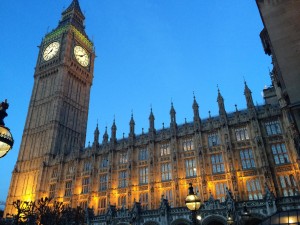
UK parliamentLet’s be very clear –this is not a debate about abortion. That debate already takes place, vociferously, elsewhere, from our parliament to our media to our universities to our streets.

This is not about freedom to have a conversation that is already happening widely. This is about harassment. It is about the aggressive, intimidating, upsetting experience of women being harassed at the point of access to a wide variety of different healthcare services, including reproductive healthcare.

This is not about protest, which could take place anywhere, it is about bullying women, making them feel anxious, creating a hostile and unpleasant environment for both service users and healthcare workers.

This is not a debate about abortion.

Because anybody who wants to have a real impact on abortion recognises that place to do so effectively is not at the point of access, but in and outside parliament, where policy is debated, not outside clinics where women already have the legal right to access services and should be able to do so without fear, harassment and intimidation.

The impact on women at what may be a very vulnerable, private and personal time must not be underestimated. Harassment doesn’t have to include shouting, threats or abuse to be deeply impactful and upsetting. Simply being shown some of the extremely graphic and sometimes inaccurate images protesters often hold, being filmed against one’s wishes at this private time, or being made aware that somebody is actively praying against you can cause huge emotional turmoil and distress. When a United Nations Delegation on human rights visited an abortion clinic in Alabama and experienced anti-choice protesters outside, they described it as “a kind of terrorism”.

Writing about their experiences of clinic harassment on Twitter, women said:

It made me feel like I was taking the walk of shame

It made me feel sick

I’ve never seen anything like that in real life

The protesters scared me

One woman wrote:

I used to work at an abortion clinic. Now I’d be too scared.

There is no reasonable argument that such harassment is necessary or effective, because there can be no reasonable argument that any woman reaching the point of attending an appointment with an abortion provider hasn’t already heard the arguments against abortion – because we live in a society where these arguments are everywhere. No woman grows up thinking of her control over her own body as complete and unchallenged, because we do not live in a society where that notion goes without loud and vigorous debate, and indeed, because we live in a society where our sisters in Northern Ireland, for example, are still denied such basic rights.

In fact, women are forced to hear other peoples’ opinions about abortion throughout their lives, as these Everyday Sexism Project entries show:

“While in year 10 my science teacher felt it appropriate to share his views on how he believed abortion was too flexible and should not be allowed up to 24 weeks. After telling him that I believed that it should be allowed up to 24 weeks he looked at me in disgust and told me that ‘those’ women should not be allowed to have children at all.”

“A male colleague told me men should decide about abortion law and time limits because women are too emotional and have a personal bias which is why we have 24 weeks which he says is “really late” and puts too much focus on “what the woman herself wants”.”

“In my 1st year at University I remember a young man standing up and announcing: “I would never date a woman who has had an abortion, this is disgusting, these kind of women are damaged goods.”

“My husband said that a women should be able to decide to take her top off for men if she wants to that she should have control over her own body but that a woman should not be able to have an abortion because that is murder”

“I was watching a discussion of abortion on a political panel show. There was one woman who kept trying to speak up while the men around her loudly spoke against abortion. She even tried to start sentences like ‘well since this is an issue that particularly affects women…’ but the man next to her said ‘hold on a second, let me finish’. The show went to commercial and moved on to a new subject before she got to speak at all.”

Across society, the voices we hear least in debates about abortion are those of people who have actually had one. Women are shouted down in these conversations because a lot of these conversations are driven by thinly veiled misogyny. The sexist idea that bearing children is a woman’s sole purpose and responsibility. The patriarchal notion that society has a greater right to dictate what happens to a woman’s body than she does herself. The misogynistic idea that women’s lives are less important.

That’s why it is so vitally important that at the point when a woman is accessing the reproductive healthcare which is her legal right, she is, in that moment, at the very least, able to do so safely, without harassment, bullying, shaming or intimidation.

This is not a debate about abortion. It is about harassment, misogyny and bullying.

Share

Filed Under: anti-street harassment week, public harassment Tagged With: abortion, bullying, everyday sexism, harassment, laura bates, parliament, UK

Day 6: International Anti-Street Harassment Week

April 15, 2016 By HKearl

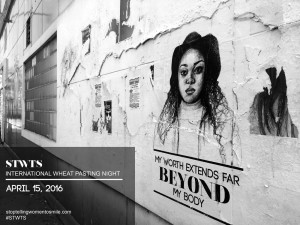
WPNight_2_1000Hey there, Day 6!

Here are photos from the week  | Here are the media hits

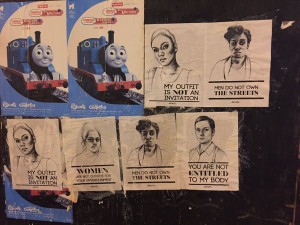
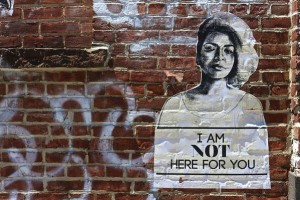
It’s the International Night of Wheatpasting, hosted by Stop Telling Women to Smile!


Ottawa
Ottawa, Canada

North London, UK
North London, UK

New Hampshire, USA
New Hampshire, USA

Here are some of the other events that will be taking place:

  • Canada: Hollaback Vancouver did wheatpasting. They will also held a party with Good Night Out Vancouver to celebrate consent and spaces free from harassment.
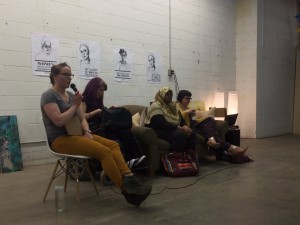
  • Canada: Hollaback Ottawa hosted a community event, including an info fair (6:30-7:30 p.m.) and a moderated panel with rad, local folks & a community discussion on street harassment and intersectionality (7:30-9 p.m.)
    4.15.16 HB Ottawa - site director @JulieSLalonde kicks off the panel with guests @Cupcakes_n_Rap and @ChelbyDaigle
  • Guatemala: OCAC Guatemala held an awareness-raising event.
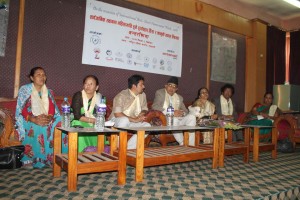
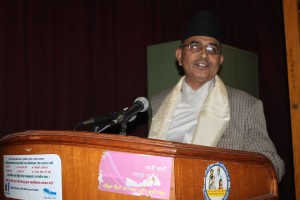
  • 4.15.16 PDH Guatemala event 2Nepal: Youth Advocacy Nepal gave a presentation of their street harassment study findings at the National Women Commission including to the deputy Prime Minister, Shrijana Sharma.
4.15.16 presentation of 'Rapid Assessment Report' on street harassment at National Women Commission. Nepal 6 4.15.16 Naren Khatiwada and deputy prime minister, Shrijana Sharma - Nepal 4.15.16 presentation of 'Rapid Assessment Report' on street harassment at National Women Commission. Nepal 3
  • California: The Cat Call Choir organized a group of irreverent but hopeful women sang street harassment quotes to the tune of nursery rhymes.

4.15.16 CatCallChoir

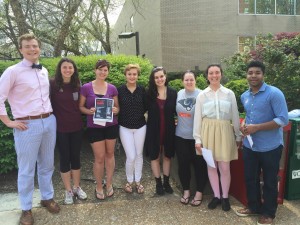
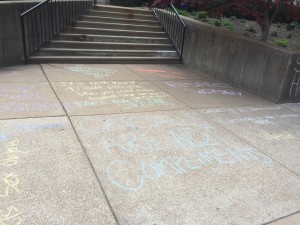
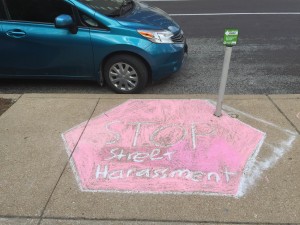
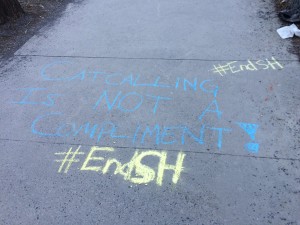
  • Missouri: Students, including Actio (the feminist activism student group) at St. Louis University, did chalking and handed out resources at a main entrance to campus for a “Take Back the Streets: Stop Street Harassment” event.
4.15.16 St. Louis University - The Politics of the Street class diid sidewalk chalking. Missiouri 8 4.15.16 St. Louis University - The Politics of the Street class diid sidewalk chalking. Missiouri 4.15.16 St. Louis University - The Politics of the Street class diid sidewalk chalking. Missiouri 3

Share

Filed Under: anti-street harassment week Tagged With: canada, Guatemala, Nepal, UK, usa

Day 5: International Anti-Street Harassment Week

April 14, 2016 By HKearl

Hello Day 5!

Here are photos from the week  | Here are the media hits

Watch the Google+ Hangout Panel with activists from Kenya, Romania and USA.

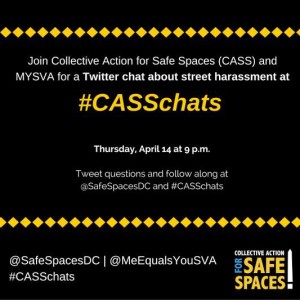
There was a #CASSchats twitter chat with Collective Action for Safe Spaces and Me=You: Sexual Violence Awareness (MYSVA).

CASS Chats_

Here are examples of the events that took place today:

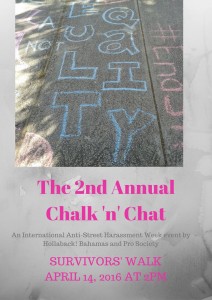
  • Bahamas: Hollaback Bahamas held a “Chalk ‘n’ Chat”

4.14.16 Bahamas

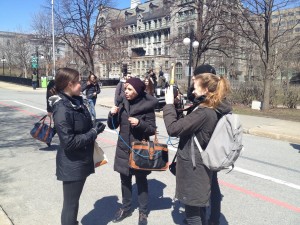
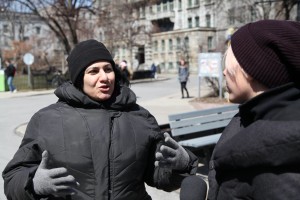
  • Canada: Women in Cities International and Interviewer Noémie Bourbonnais  and Sound Recorder Lucie Pagès did on-the-street interviews about street harassment and sidewalk chalking in Montreal.
4.14.16 WICI Montreal -Interviewee (left), Interviewer Noémie Bourbonnais (centre left), Sound Recorder Lucie Pagès (centre right), and Camerawoman Kathleen Ellis (right)) 4.14.16 WICI Montreal - Interviewer Noémie Bourbonnais (right) discussing street harassment with an interviewee (left) 4.14.16 WICI Montreal - chalking 3
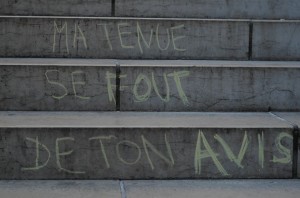
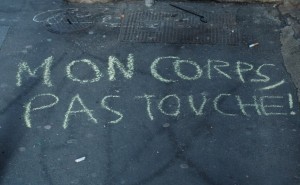
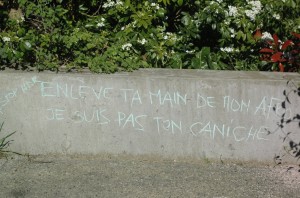
  • France: Chalking in Lyon, flyering in Toulouse
4.14.16 Stop HDR Lyon France 6 4.14.16 Stop HDR Lyon France 7 4.14.16 Stop HDR Lyon France

4.14.16 Toulouse, France

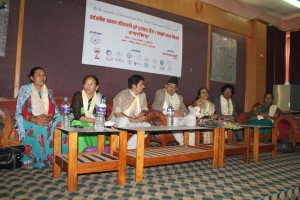
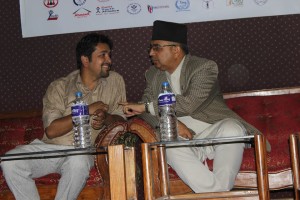
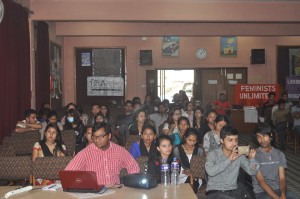
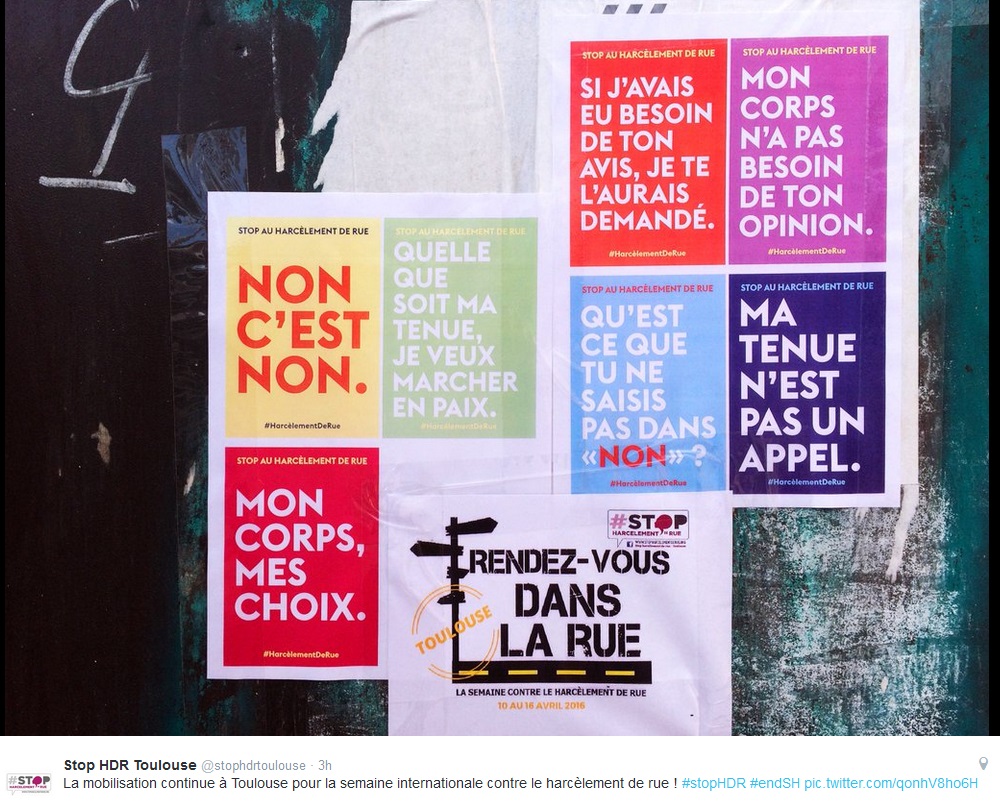
  • Nepal: Youth Advocacy Nepal (YAN) – in partnership with various like-minded social organizations – organized an interaction on “Harassment and violence towards women in public spaces and legal issues” at National women commission hall, Bhdardrakali.
4.14.16 -2Youth Advocacy Nepal (YAN) in partnership with others organized 'Harassment and violence towards women in public spaces and legal issues' 2 4.14.16 -3Youth Advocacy Nepal (YAN) in partnership with others organized 'Harassment and violence towards women in public spaces and legal issues' 4.14.16 Youth Advocacy Nepal (YAN) in partnership with others organized 'Harassment and violence towards women in public spaces and legal issues'
  • Yemen: To Be for Rights and Freedom will host an event in connection with an anti-street harassment campaign. At the event, NGOs will display relevant survey results, films, and share stories. [RESCHEDULED DUE TO FLOODING]
  • Iowa: End Street Harassment – Iowa City will host a support group for individuals who have experienced street harassment to share their experiences in a safe environment. Participants can create posters and other art projects for display to raise awareness and protest street harassment. Meet in Room E on the second floor of the downtown public library, 123 S. Linn Street. [6:30 – 8 p.m.]
4.14.16 Iowa City support group 4.14.16 Iowa City support group 9 4.14.16 Iowa City support group 11
  • New York: Brooklyn Movement Center will host an event at which participants will use improv and storytelling techniques to reimagine ways they would have responded to harassment, with time travel and community support on their side [6:30 – 8:30 p.m., Friends and Lovers, 641 Classon Ave, Brooklyn, NY]
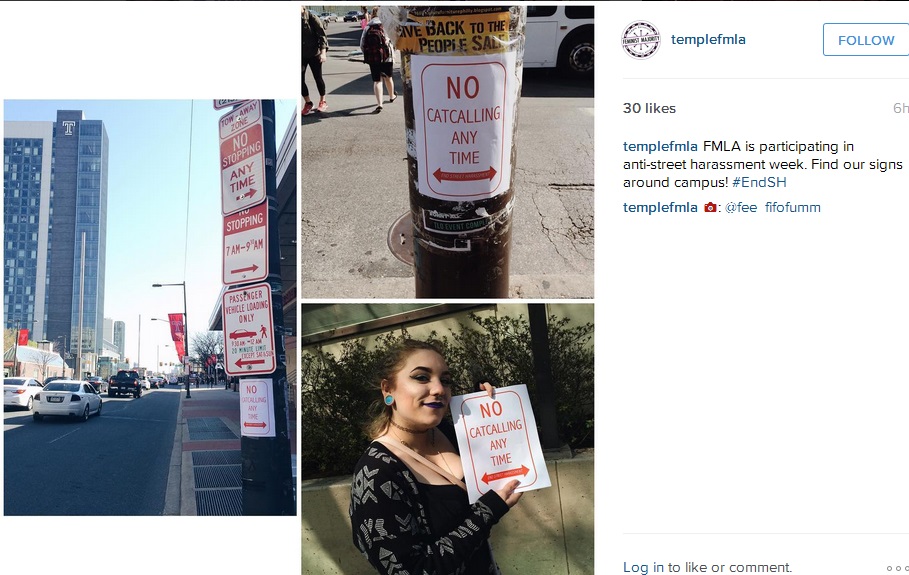
  • Pennsylvania: Students at Temple University in Philadelphia put up posters around campus.

4.14.16 Temple University signs - Philadelphia, PA

Virtual Efforts:

Afghanistan:

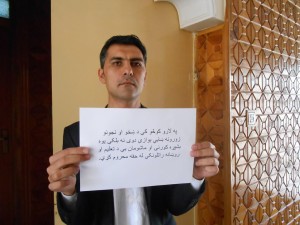
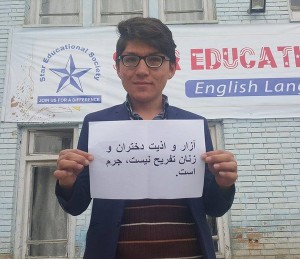
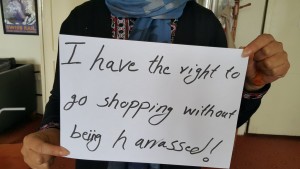
4.14.16 Streetharassment prevents women and girls and their families from getting an educationStreet harassment prevents women and girls and their families from getting an education Afghanistan “Harassing women is not entertainment. It is a crime.”“Harassing women is not entertainment. It is a crime. 4.10.16 Afghanistan - i have the right to go shopping without being harassed
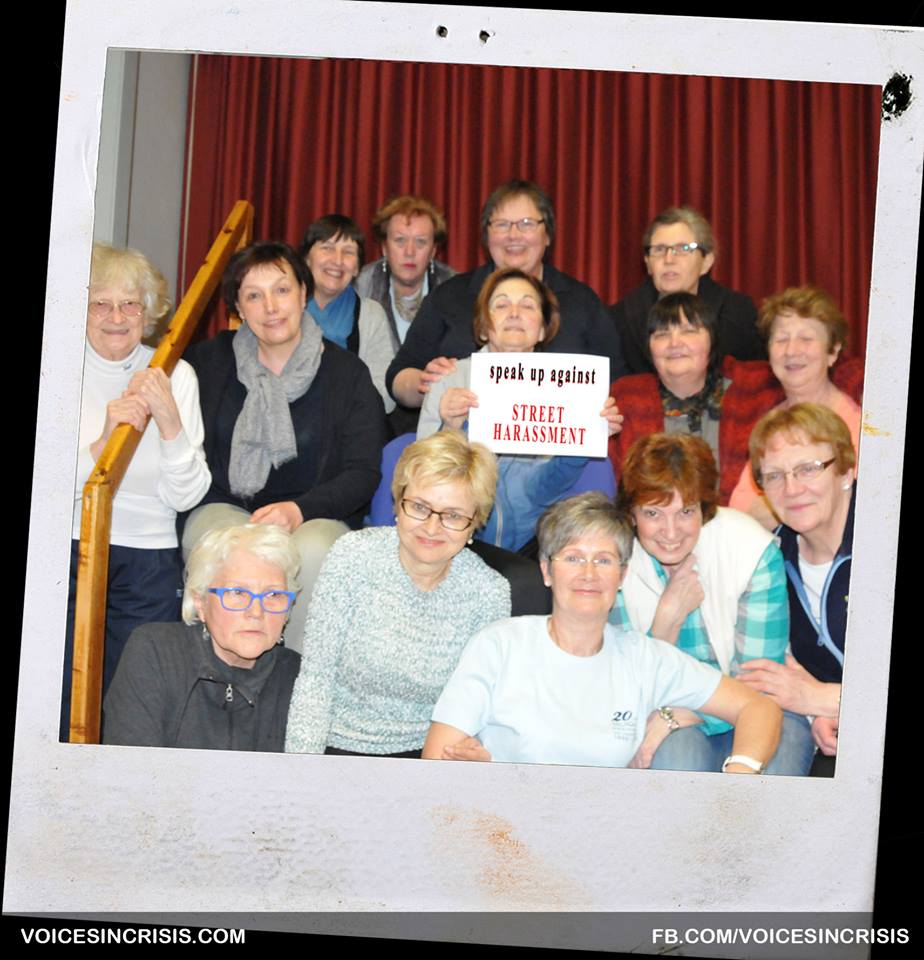
Belgium:

Free Tai-Ji Movement Pepingen Belgium

Ecuador:

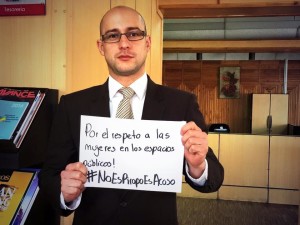
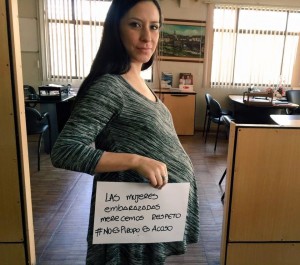
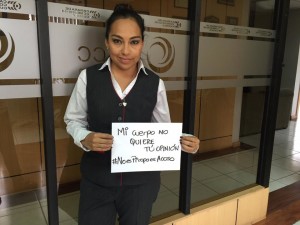
4.14.16 Hollaback Cuenca - Ecuador 2 4.14.16 Hollaback Cuenca Ecuador 4.14.16 Hollaback Cuenca - Ecuador 8

South Africa:

4.14.16 ActionAidSouth Africa 4.14.16 ActionAid South Africa
Share

Filed Under: anti-street harassment week Tagged With: Afghanistan, Bahamas, belgium, canada, ecuador, france, south africa, Yemen

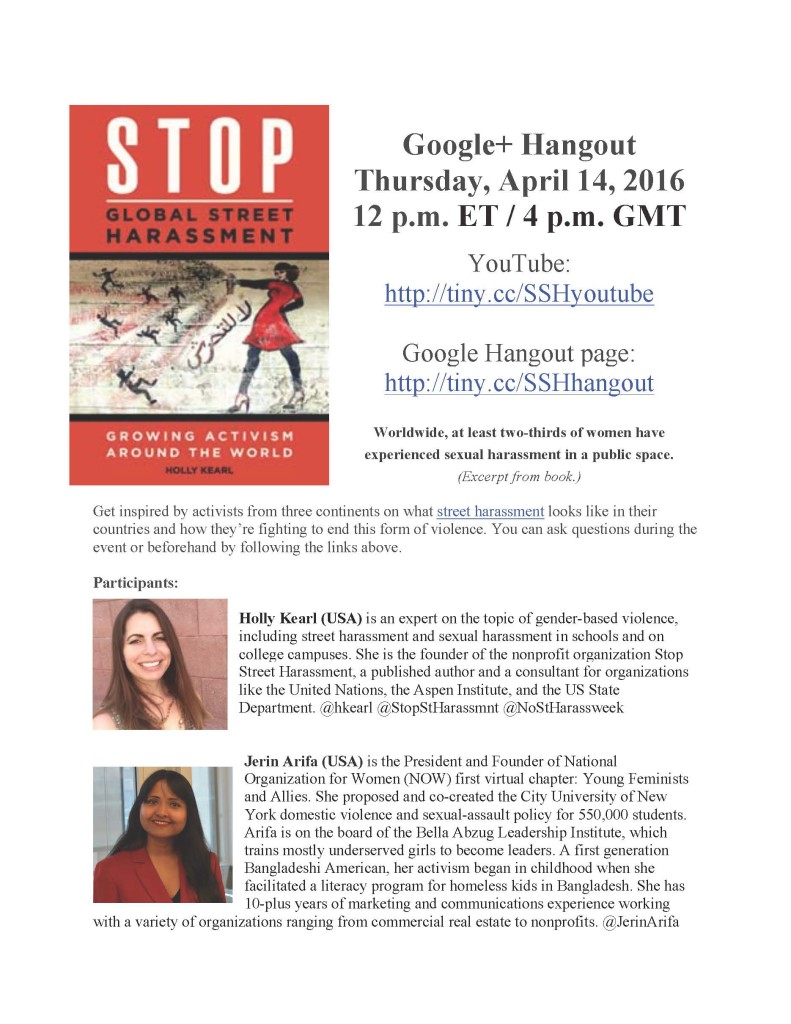
Google+ Hangout TODAY on Global Street Harassment Activism

April 14, 2016 By HKearl

Stop Street Harassment Google Hangout, 04-14-16_Page_1 Join the Google+ Hangout on April 14, 12 p.m. ET.

Get inspired by activists from three continents on what street harassment looks like in their countries and how they’re fighting to end this form of violence. You can ask questions during the event or beforehand here.

Participants:

Holly Kearl (USA) is an expert on the topic of gender-based violence, including street harassment and sexual harassment in schools and on college campuses. She is the founder of the nonprofit organization Stop Street Harassment, a published author and a consultant for organizations like the United Nations, the Aspen Institute, and the US State Department.@hkearl @StopStHarassmnt @NoStHarassweek

Jerin Arifa (USA) is the President and Founder of National Organization for Women (NOW) first virtual chapter: Young Feminists and Allies. She proposed and co-created the City University of New York domestic violence and sexual-assault policy for 550,000 students. Arifa is on the board of the Bella Abzug Leadership Institute, which trains mostly underserved girls to become leaders. A first generation Bangladeshi American, her activism began in childhood when she facilitated a literacy program for homeless kids in Bangladesh. She has 10-plus years of marketing and communications experience working with a variety of organizations ranging from commercial real estate to nonprofits.@JerinArifa

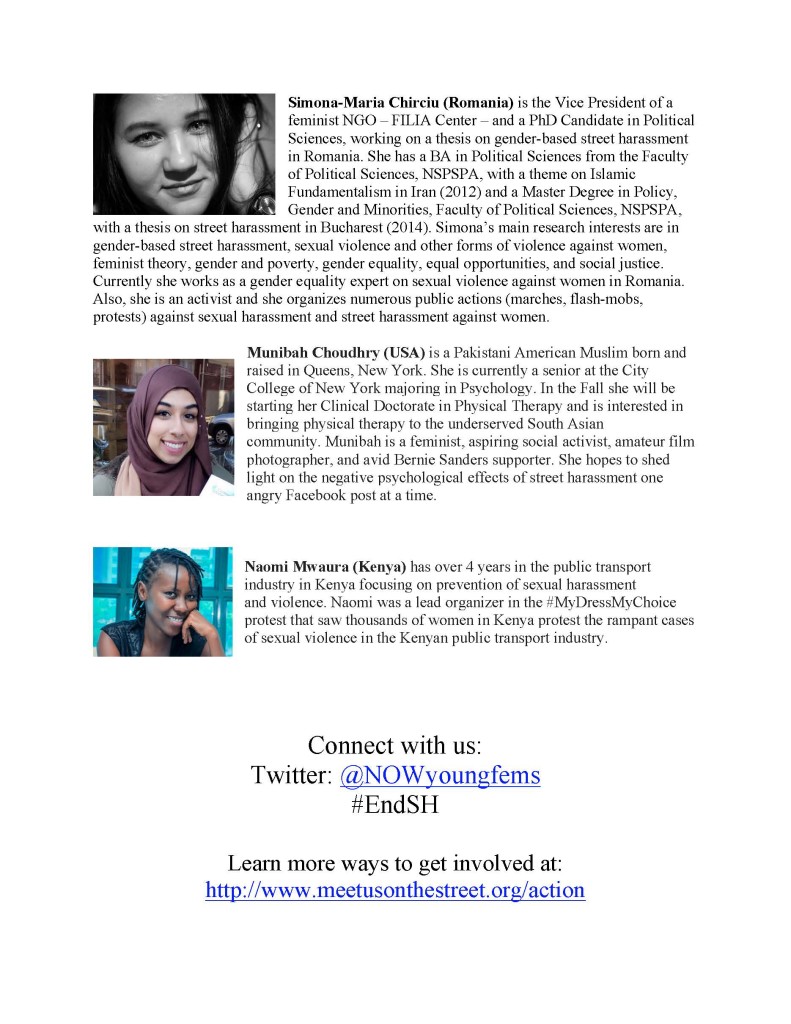
Simona-Maria Chirciu (Romania) is the Vice President of a feminist NGO – FILIA Center – and a PhD Candidate in Political Sciences, working on a thesis on gender-based street harassment in Romania. She has a BA in Political Sciences from the Faculty of Political Sciences, NSPSPA, with a theme on Islamic Fundamentalism in Iran (2012) and a Master Degree in Policy, Gender and Minorities, Faculty of Political Sciences, NSPSPA, with a thesis on street harassment in Bucharest (2014). Simona’s main research interests are in gender-based street harassment, sexual violence and other forms of violence against women, feminist theory, gender and poverty, gender equality, equal opportunities, and social justice. Currently she works as a gender equality expert on sexual violence against women in Romania. Also, she is an activist and she organizes numerous public actions (marches, flash-mobs, protests) against sexual harassment and street harassment against women.

Stop Street Harassment Google Hangout, 04-14-16_Page_2Munibah Choudhry (USA) is a Pakistani American Muslim born and raised in Queens, New York. She is currently a senior at the City College of New York majoring in Psychology. In the Fall she will be starting her Clinical Doctorate in Physical Therapy and is interested in bringing physical therapy to the underserved South Asian community. Munibah is a feminist, aspiring social activist, amateur film photographer, and avid Bernie Sanders supporter. She hopes to shed light on the negative psychological effects of street harassment one angry Facebook post at a time.

Naomi Mwaura (Kenya) has over 4 years in the public transport industry in Kenya focusing on prevention of sexual harassment and violence. Naomi was a lead organizer in the #MyDressMyChoice protest that saw thousands of women in Kenya protest the rampant cases of sexual violence in the Kenyan public transport industry.

Connect with us:
Twitter:@NOWyoungfems
#EndSH

Learn more ways to get involved at:
http://www.meetusonthestreet.org/action

Share

Filed Under: anti-street harassment week

Healing after Assault Abroad

April 14, 2016 By Contributor

This article is cross-posted from Wanderful with permission from the author for International Anti-Street Harassment Week.

Trigger Warning: Assault

As non-male travelers, we live uniquely gendered experiences. No matter where we are, women’s safety is an ever-relevant topic. Thanks to technology, we are more connected to information about traveling to different parts of the world.

From deciding to go to Israel to attending protests abroad, safety matters to all of us. But how do we prevent or avoid smaller, more targeted crimes, like assault or petty thefts?

I had never been assaulted until I came to Nicaragua, the safest country in Central America.

I have traveled to several different countries and put myself in much riskier situations, so I did not expect to be assaulted at knife point in the morning as I ran up the huge hill.

I was wearing headphones, as I do on my typical morning runs, but I had no electronics with me. I wear headphones to avoid catcalls, so men will think I can’t hear their sexual and lewd comments.

trail-660x440Image by Unsplash user Paul Jarvis.

My attacker pulled out a knife and felt through my pockets. He knocked me to the ground and kept searching them, hoping to walk away with an iPhone. Ten seconds later he realized I had nothing of material value on me. He walked away with nothing, and I was physically fine, but I had the emotional consequences to deal with.

As soon as I came home, I felt extremely unsafe. Instead of my post-run feeling of accomplishment, I was petrified. I didn’t know what to expect after an event like I had just experienced.

Still, I vowed not to let this experience stop me from living and exploring this beautiful country. Just as I didn’t expect to be assaulted in a country where I feel relatively safe, I didn’t expect to recover immediately.

I did realize the importance of taking steps to heal, so I learned what to do after an experience like mine.

Here are the steps I took to help me recover from the assault:

1. Report the crime.

After being assaulted, I immediately called my Peace Corps Security manager and reported the crime. The hardest part of it all was admitting what had happened. I have never said the words,

I was assaulted at knife point.

I described the attacker as much as I could, and after reporting the assault, it was easier to process what happened.

If you find yourself the victim of an assault, reporting the attack to the police is also a good option. Even if the assailant is never caught, reporting helps others become aware of safety issues.

2. Write about it.

As soon as I reported the crime, I wrote down exactly what happened, to further acknowledge it. Writing has always been a form of therapy for me. After a few days, I wrote a powerful letter to my attacker in order to quell the thoughts of what I should have or could have done.

I don’t really believe in the concept of full closure, but psychologically engaging my attacker in a final dialogue and forcing him to listen to me made me feel as if I was able to process everything that happened to me and to gain some form of closure.

3. Don’t do it alone.

As an introvert, I usually thrive on alone time, but not after an assault.

I immediately called my friends, who came right away to keep me company. I told them that I felt like I’d gone through a break-up, and they reassured me that I was feeling as if I’d broken up with my feeling of safety. They had undergone worse attacks than I had in their lives, and we talked about things that we wouldn’t have normally broached in conversation. I was so reassured because I wasn’t alone.

A few of the people who supported me did so from afar. I reached out immediately to a few people with connections to Wanderful for online articles and resources. One of those was Leanna. I felt comfortable reaching out to her because she had been assaulted and was not afraid to write about this personal issue so publicly. She inspired me to be open about healing and to let others know they are not alone.

Delia reminded me that, although I wasn’t physically harmed, this was a traumatic experience and that I am more than worthy of self-care.

4. Be okay with your recovery time.

The first day was the worst. I had an insane amount of flashbacks. My mind kept replaying every little thing that had happened and how I felt in those 10 eternal seconds of my attack. I didn’t know when the flashbacks would stop, but I decided to be okay with it. I was also okay with crying at random times because I knew it would pass. I knew I needed to give myself the time I needed to process what had happened.

5. Talk to a therapist.

After my assault, I spoke to a therapist every day for three days. She helped me to come to terms with what happened and to process it further. I don’t usually seek out therapy, but I knew I couldn’t do this alone and that I needed to have a better idea of what to expect. Calling a therapist is still awkward for me, but I know that it is worth it. I don’t enjoy appearing weak, but I know that the short-term discomfort of reaching out for help far outweighs feeling too ashamed to reach out in the first place.

My therapist let me know that my flashbacks were a normal, bodily response and that, with time, they would decrease.

If you can’t afford a therapist, there may be a therapist in your area that offers their services on a sliding-scale. There are also online therapy options and help that you can find in books.

6. Be vulnerable.

Avoid listening to social stigmas of feeling “ashamed” that this happened to you. It wasn’t easy for me to write a descriptive blog post about my experience. The hardest part was clicking “publish,” but it was worth it.

I broke the silence about assault. Friends and acquaintances reached out to me, offering words of solidarity and comfort. I reminded myself that vulnerability is not weakness. We fear being vulnerable because we fear rejection, but I have learned to push past this fear and embrace my vulnerability.

Hopefully, you will never need to heal yourself after an assault. But you may encounter a friend who could really benefit from your support. If you do need this list, know that what you experienced is not your fault. Repeat that a hundred times to yourself if you need to.

Further Resources:
Post-Harassment Self-Care by Autostraddle
Traveling Is Healing for Me, a story by male PTSD survivor C. David Moody
Traveling with PTSD Discussion Forum

Do you have any other advice for fellow travelers about recovering from an assault? Share them in the comments.

Char Stoever was born in Mexico and grew up in Moses Lake, Washington. While at Wellesley College, she gravitated toward learning French and enjoyed being in language classrooms the most. After studying abroad and traveling in France, she realized how empowering it was to be a woman traveler. After graduating, she tutored at-risk high schoolers in San Antonio, Texas. She then taught at Brooke Charter School in Boston. In August 2014 she began her 27-month Peace Corps Nicaragua service as a TEFL Teacher Trainer. As the LGBTQ volunteer coordinator, she has led safe space trainings for Peace Corps Staff. She does social media marketing for the Peace Corps Nicaragua Gender and Development Committee,  and is an editor of Va Pué, the volunteer-run magazine. She also does social media work for Soma Surf Resort Nicaragua.

Share

Filed Under: anti-street harassment week, Stories Tagged With: assault, Nicaragua, running, traveling

« Previous Page
Next Page »

Share Your Story

Share your street harassment story for the blog. Donate Now

From the Blog

  • #MeToo 2024 Study Released Today
  • Join International Anti-Street Harassment Week 2022
  • Giving Tuesday – Fund the Hotline
  • Thank You – International Anti-Street Harassment Week 2021
  • Share Your Story – Safecity and Catcalls Collaboration

Buy the Book

  • Contact
  • Events
  • Join Us
  • Donate
  • Facebook
  • Instagram
  • Pinterest
  • Tumblr
  • Twitter
  • YouTube

Copyright © 2026 Stop Street Harassment · Website Design by Sarah Marie Lacy