Some of the highlights of this month:
Across one weekend, women from 43 cities in 29 countries reported their experiences of street harassment to the BBC for the 100 Women season.
VICE offices asked women from 13 European cities if and where they feel unsafe alone at night, and how they deal with that feeling.
The city of Buenos Aires (Argentina) enacted a law making public sexual harassment illegal and requiring public education campaigns.
Eleanor Gordon-Smith, a writer/reporter in Australia confronted her catcallers and figure why they do it.
Youth in Cambodia made films on topics like street harassment.
In Timbío, Colombia, there is a new non-binding decree around street harassment along with a city-wide public education campaign.
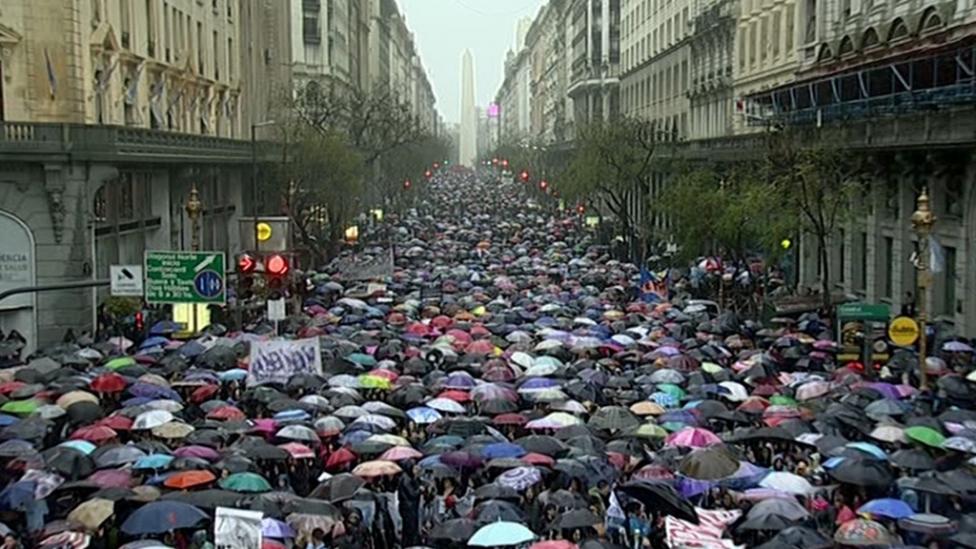
Protests erupted in Bogota, Colombia, after a man kidnapped a seven-year-old girl from her yard, then raped, tortured and killed her.
A group of Egyptian women organized a “short-dress march” to call for respect and a change of attitudes around street harassment.
Street harassment is contributing to high obesity rates among women in Morocco.
More than 1000 people took the #IWalkFreely survey in Nepal and 98 percent of all women said they had been harassed.
Activists in NYC prepare bystanders to take action against harassment as bias-based attacks soar following the U.S. election.
American singer Ariana Grande speaks out against street harassment, sexism and objectification.
In this video, the woman speaks back to her street harassers.


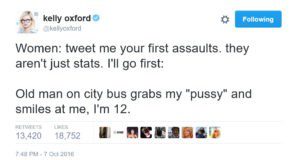 In October after the release of a 2005
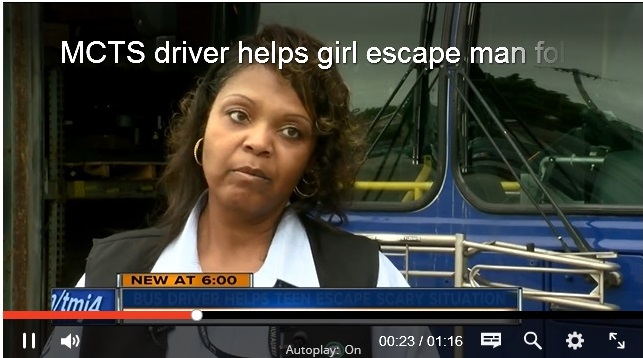
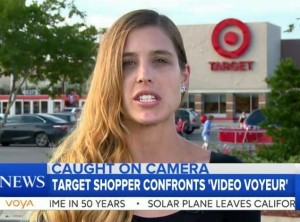 A man in Florida liked to start talking to women in stores by asking innocent questions and then escalating quickly to inappropriate and sexually graphic remarks and questions. He filmed the women as he did so. After he did it to a woman for a second time in a few years, she recognized him and remembered his strategy and she began
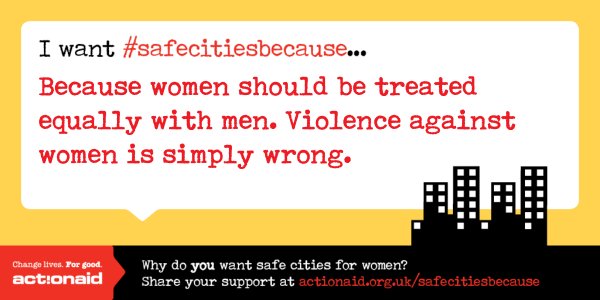 ActionAid mobilized groups in 17 countries on May 20 under the theme