• About Us
    • What Is Street Harassment?
    • Why Stopping Street Harassment Matters
    • Meet the Team
      • Board of Directors
      • Past Board Members
    • In The Media
  • Our Work
    • National Street Harassment Hotline
    • International Anti-Street Harassment Week
    • Blog Correspondents
      • Past SSH Correspondents
    • Safe Public Spaces Mentoring Program
    • Publications
    • National Studies
    • Campaigns against Companies
    • Washington, D.C. Activism
  • Our Books
  • Donate
  • Store

Stop Street Harassment

Making Public Spaces Safe and Welcoming

  • Facebook
  • Instagram
  • Pinterest
  • Tumblr
  • Twitter
  • YouTube
  • Home
  • Blog
    • Harassment Stories
    • Blog Correspondents
    • Street Respect Stories
  • Help & Advice
    • National Street Harassment Hotline
    • Dealing With Harassers
      • Assertive Responses
      • Reporting Harassers
      • Bystander Responses
      • Creative Responses
    • What to Do Before or After Harassment
    • Street Harassment and the Law
  • Resources
    • Definitions
    • Statistics
    • Articles & Books
    • Anti-Harassment Groups & Campaigns
    • Male Allies
      • Educating Boys & Men
      • How to Talk to Women
      • Bystander Tips
    • Video Clips
    • Images & Flyers
  • Take Community Action
  • Contact

Video: “No mas puercas costumbres” (No more degrading customs)

September 15, 2014 By HKearl

Watch the video “No more degrading customs” (No mas puercas costumbres)

Film creator Paulina Romero shared the following about it with me for the SSH blog.

“Since my teenage years, I suffered street harassment in the streets of my country, Mexico. “No more degrading customs” came out from my personal need to denounce it. It’s a shortcut that exposes the patriarchal violence experienced by women in the streets of Mexico, aiming to help eliminate it.”

Paulina studied International Affairs, focusing in women studies and feminism. During her college years, she got involved in activism for women’s rights. Today, she is producing “El Arbol de Las Manzanas”, her first feature documentary about migrant women in New York City.


Share

Filed Under: Activist Interviews, Resources, street harassment

UK: Street harassment exhibition on Sept. 16

September 15, 2014 By HKearl

My name is Jennifer and I’m currently finishing my Masters in Fashion at Kingston University – London. My final project is called “It’s not my fault. It’s yours” and it is an intervention to contemporary sexual harassment through fashion.

What I have developed is an outfit with a panic alarm, siren and gps SOS button. They also have reflective fabric in some parts as another way for the women using them to get help. The main goal with this project is to criticise the point we came, regarding sexual harassment and abuse, that we have to protect ourselves even with our clothes. It’s a criticism to contemporary mentality and behaviour regarding women and the clothes they wear.

The final exhibition of my work will be during my university’s fashion show as part of London Fashion Week on the 16th of September.

Share

Filed Under: Events, street harassment

Racial profiling of Black Women

September 14, 2014 By HKearl

Image via MIC

Via MIC:

“African-American actress Danièle Watts claims she was “handcuffed and detained” by police officers from the Los Angeles Police Department at CBS’s Studio City production facility on Thursday after allegedly being mistaken for a prostitute….

Sadly, this isn’t the first time something like this has happened. In 2008, a Galveston, Texas couple sued three police officers who arrested and beat their 12-year-old daughter after mistaking her for a prostitute. And at the 2011 Netroots Nation convention in Minneapolis, Minn., Cheryl Contee of Jack and Jill Politics asked a panel of African-American women to raise their hands if they had ever been mistaken for a prostitute. Everyone’s hands went up.”

This is UNACCEPTABLE. And even if she were a sex worker, LAPD should never have treated her this way.

Related, anecdotally, in my 7+ years of street harassment activism, I’ve found that Black women are more likely to be propositioned and called out to as if they are sex workers by street harassers compared with any other race of women. A student’s study about street harassment in Egypt a few years ago found the same thing to be true in Egypt — dark skinned women were more likely to be assumed to be and treated as prostitutes.

Related:

* Monica Jones was arrested basically for being a transgender woman of color walking down the street.

* A Sudanese woman featured on Humans of New York talked about being solicited “all the time”

Share

Filed Under: News stories, street harassment Tagged With: racial profiling

Nicaragua Safe Public Spaces Team Starts Their Survey!

September 13, 2014 By HKearl

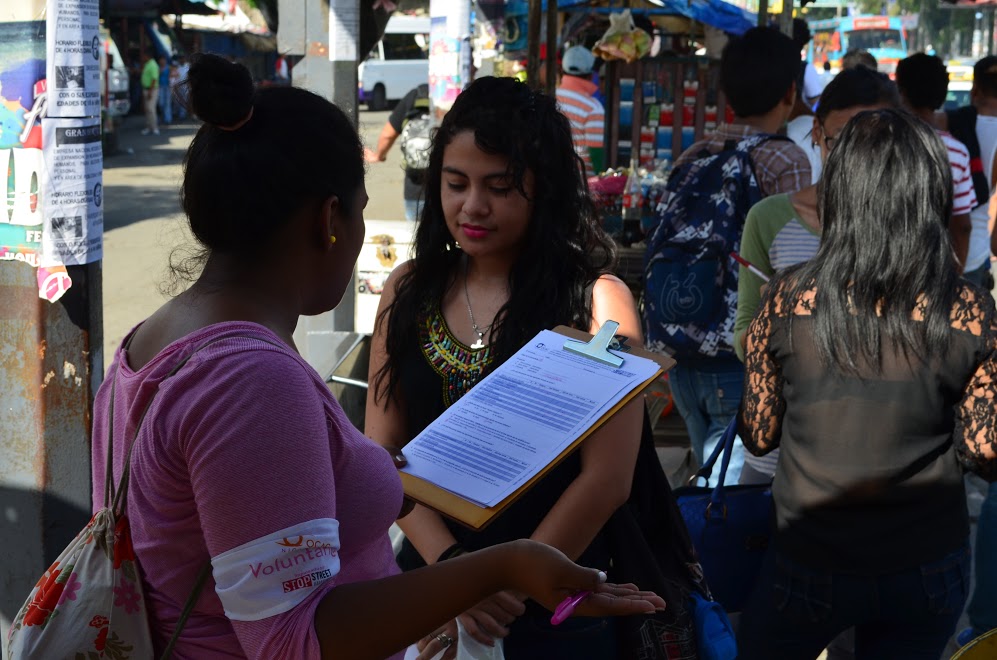
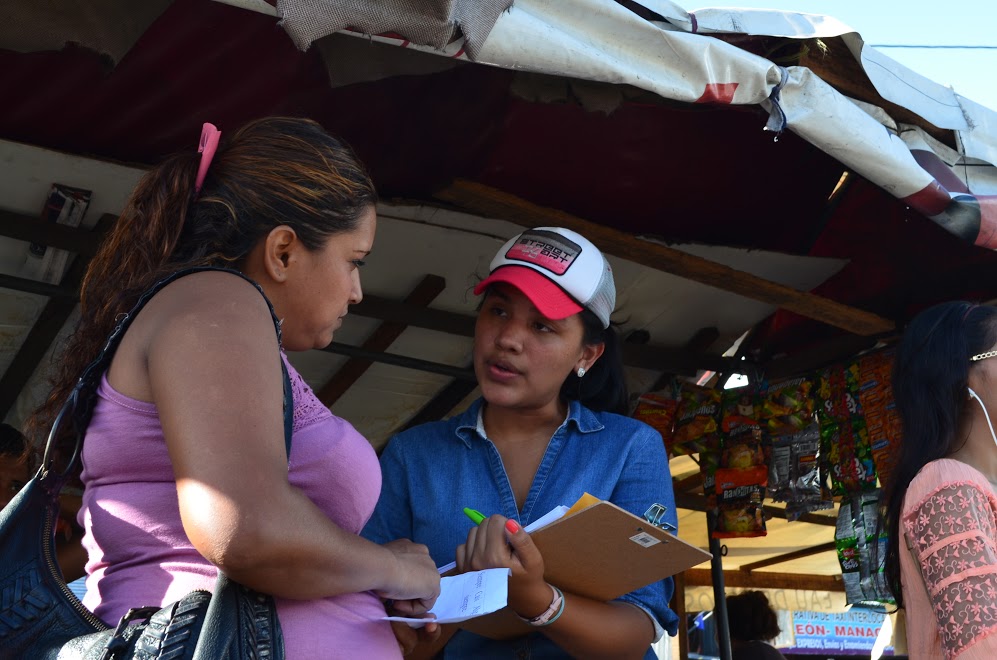
Our Safe Public Spaces Mentoring team in Nicaragua (Observatorio Contra el Acoso Callejero Nicaragu) spent today surveying people at bus stops about #streetharassment. They aim to survey at least 2000 people this fall. So proud of them!!

Share

Filed Under: nonprofit, SSH programs, street harassment

Three young Afghan women film their life

September 12, 2014 By HKearl

“Young Afghan women Sadaf, Sahar and Nargis documented their life over a two year period – this 25 minute film sees them eating ice cream at a mall, fleeing from an attack, and getting some serious sexual harassment from groups of men. It’s compulsive viewing, trust us.”

H/T our 2013 Safe Public Spaces Mentee Ali Shahidy

Share

Filed Under: street harassment

« Previous Page
Next Page »

Share Your Story

Share your street harassment story for the blog. Donate Now

From the Blog

  • #MeToo 2024 Study Released Today
  • Join International Anti-Street Harassment Week 2022
  • Giving Tuesday – Fund the Hotline
  • Thank You – International Anti-Street Harassment Week 2021
  • Share Your Story – Safecity and Catcalls Collaboration

Buy the Book

  • Contact
  • Events
  • Join Us
  • Donate
  • Facebook
  • Instagram
  • Pinterest
  • Tumblr
  • Twitter
  • YouTube

Copyright © 2026 Stop Street Harassment · Website Design by Sarah Marie Lacy