Recently, I’ve read a few street harassment stories in which women recount their first experiences of street harassment at ages as young as 11. Their harassers? Older teenagers or adult men. Based on the hundreds of stories I’ve read and heard over the years, I know this is pretty typical and pretty alarming.
I hope that if more people realized the predatory nature of so much street harassment — adult men preying on teenagers (and younger) — there would be much more outcry and efforts to try to stop it.
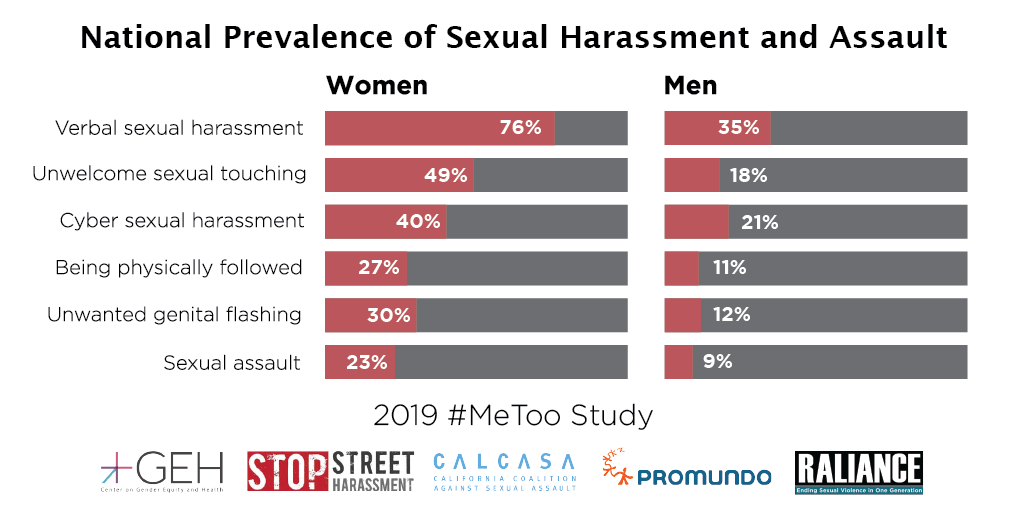
To that end, since our latest national studies (2018, 2019) show that a public space is the most frequent site for sexual harassment, I have created an informal survey for YOU to take about your first street harassment experience. How old were you? How old was your harasser? How did it affect you?
I anticipate using the results in blog posts, articles, factsheets and talks going forward. Anyone, anywhere is welcome to complete this short survey. Your answers will be anonymous, but you can choose to leave your email address at the end if you’d like to be contacted with the results.
THANK YOU!
Related, check out this op-ed at Essence penned by Girls For Gender Equity‘s CEO and our ally Joanne N. Smith, “#MeToo Isn’t Just for Adults.”
And if you missed it, be sure to check out (and share) our latest national study from April 30! Full Report | Two-Page Executive Summary | Press Release | Survey Questions | Street Harassment Factsheet

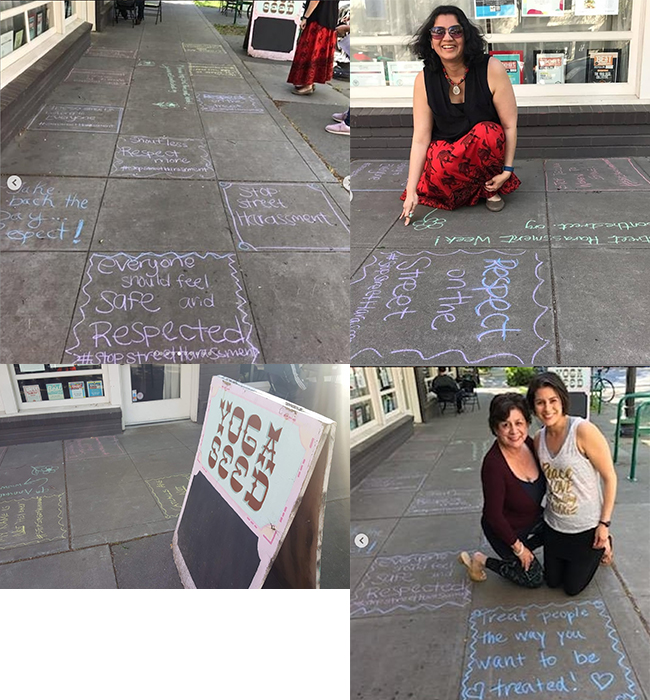
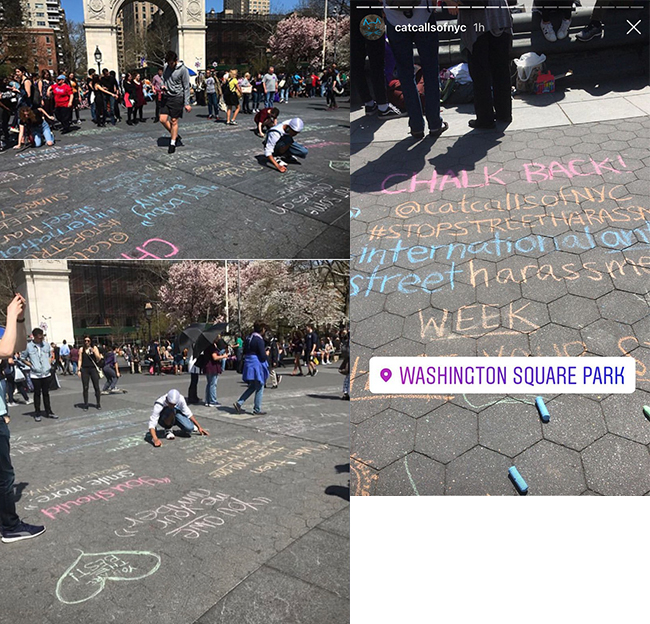
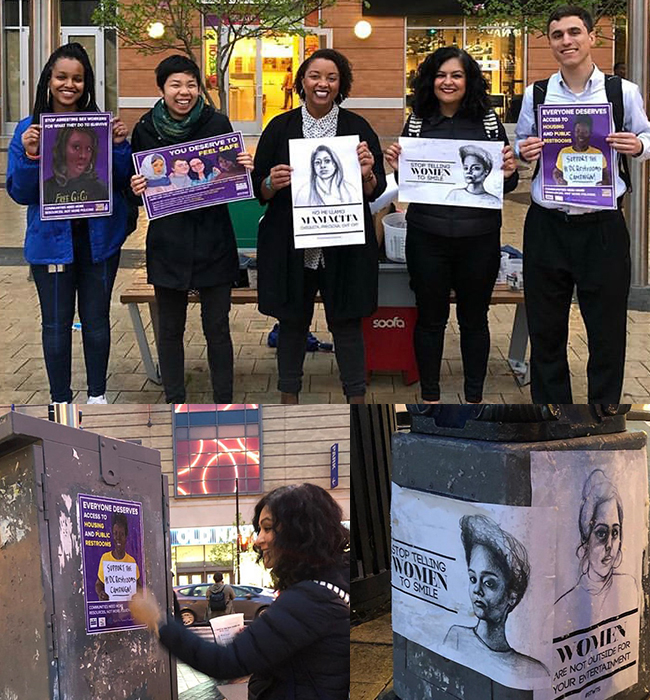
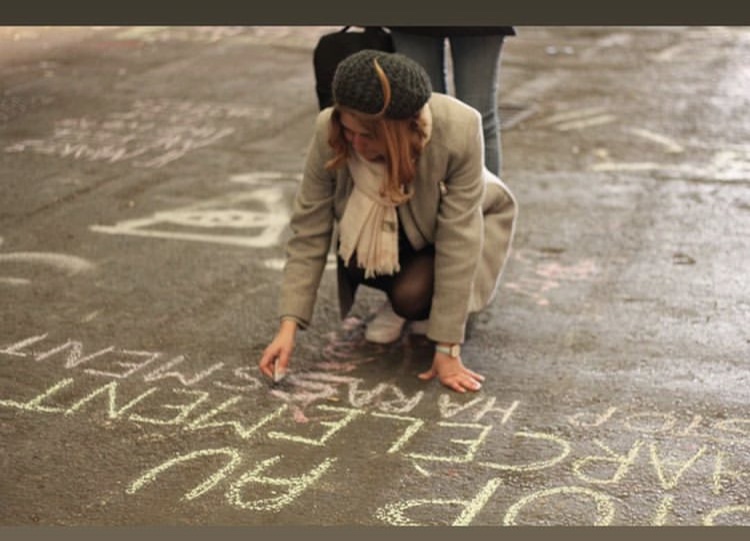 Thank you so much to everyone who took part in
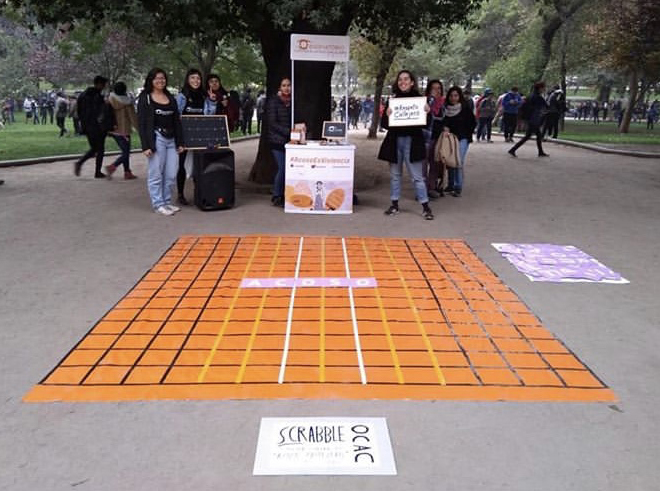
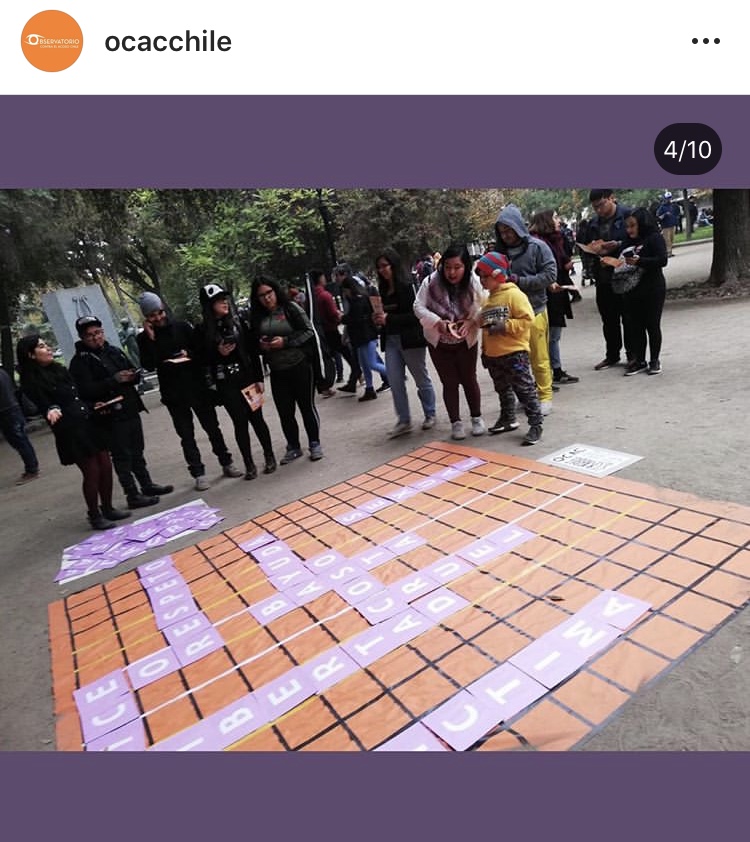
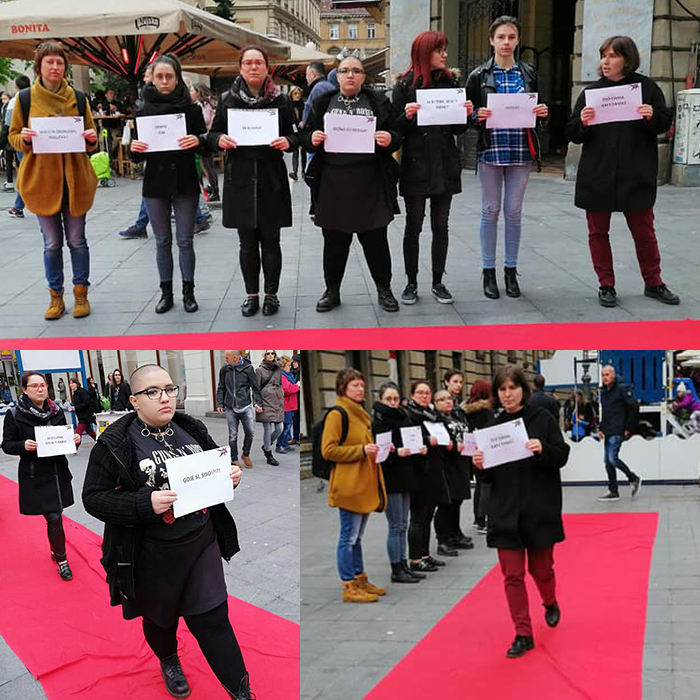
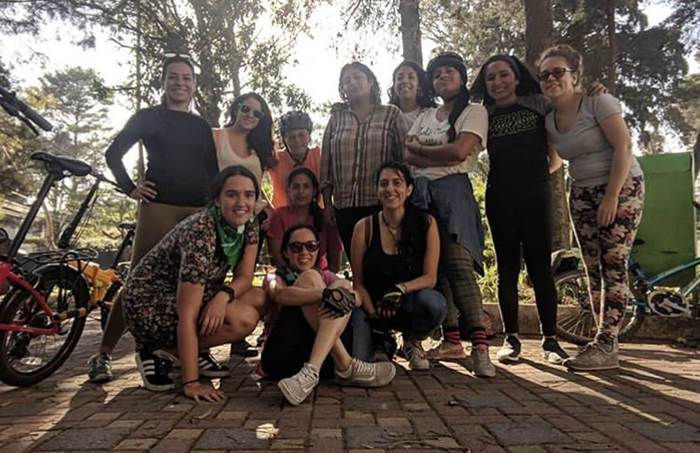
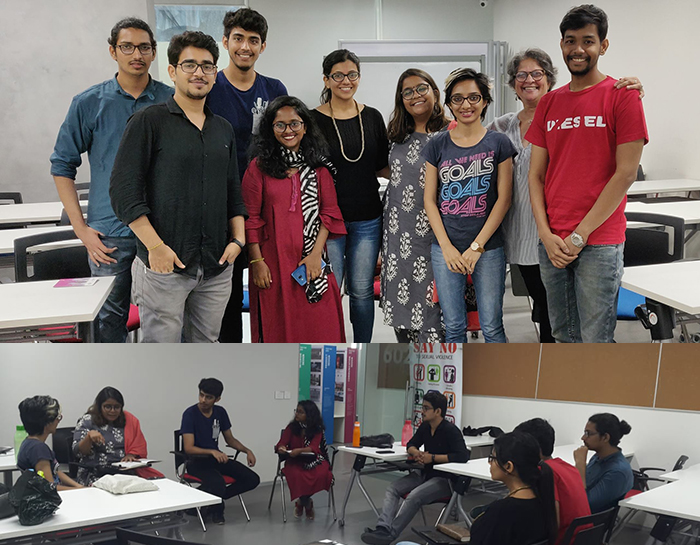
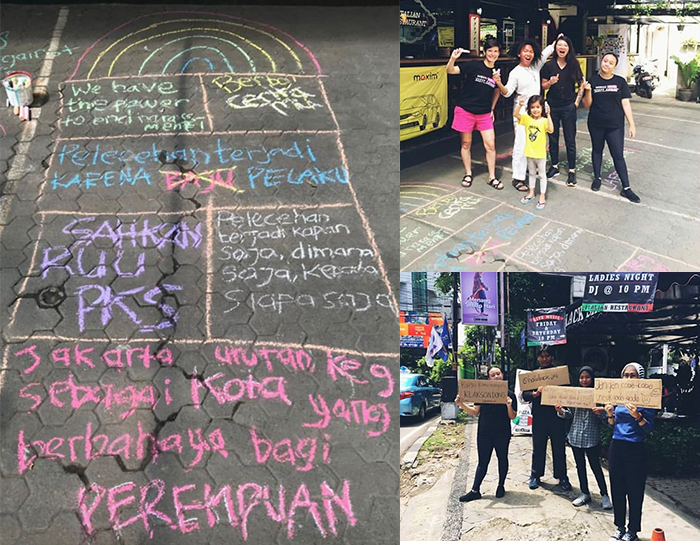
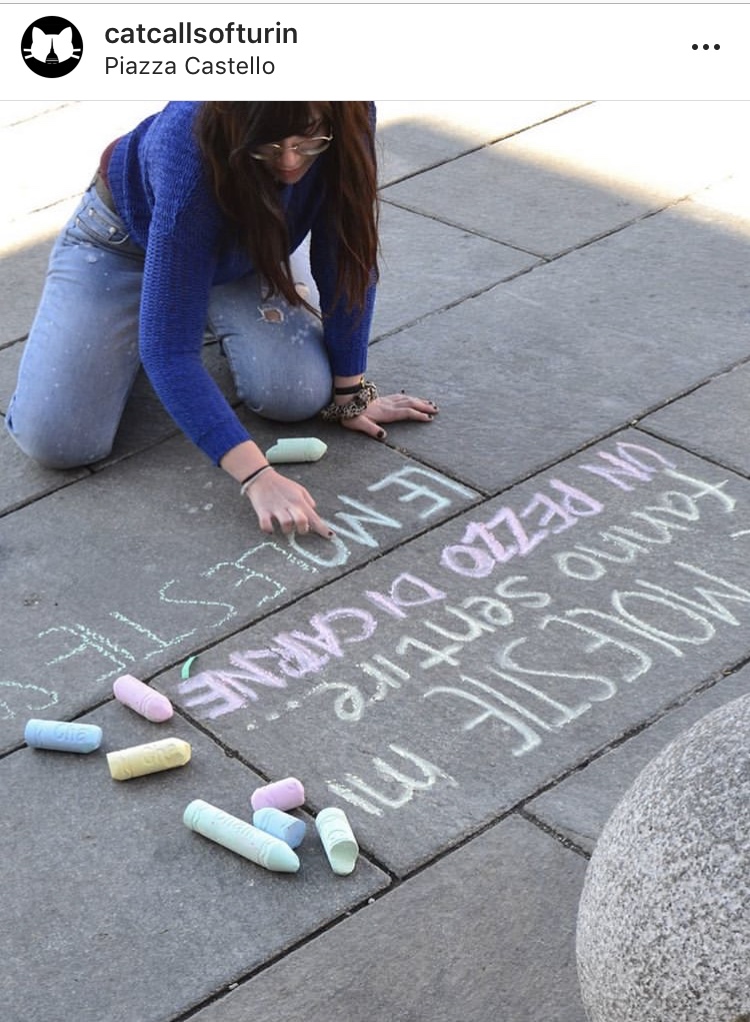
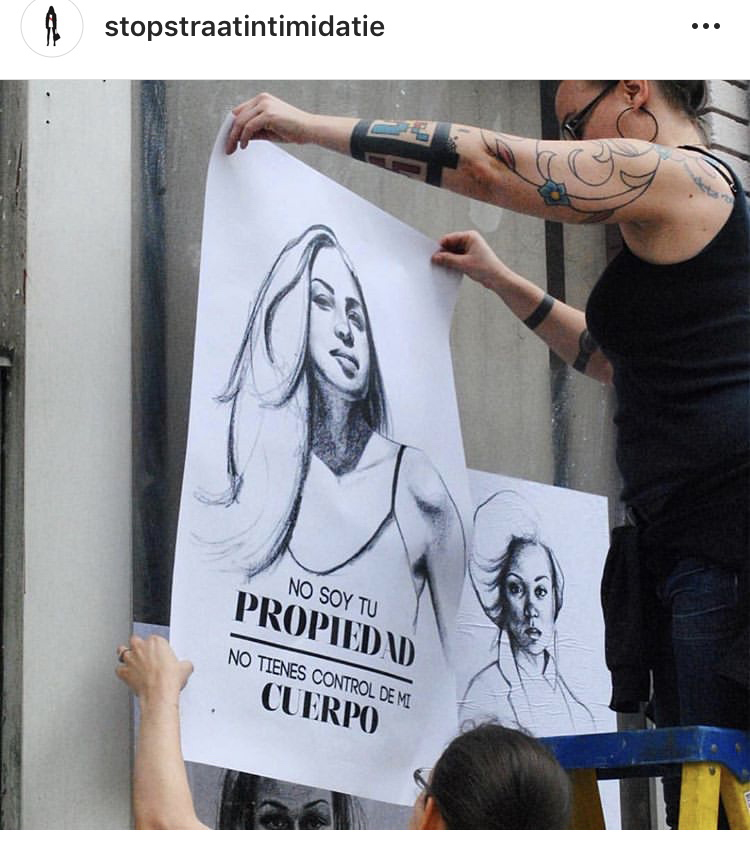
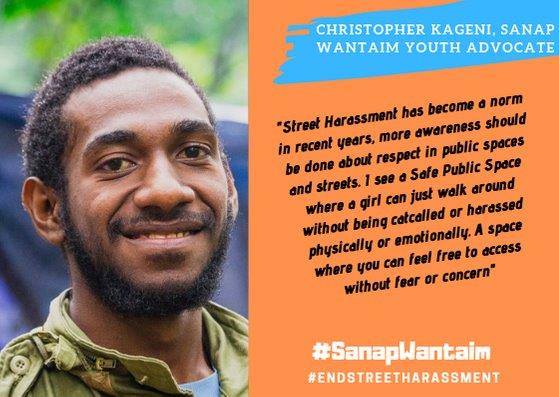
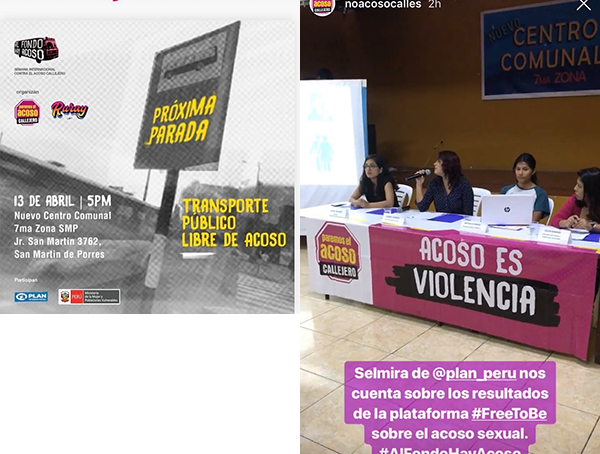
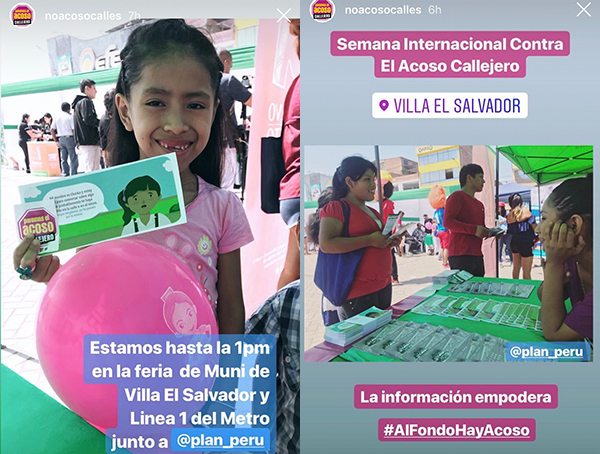
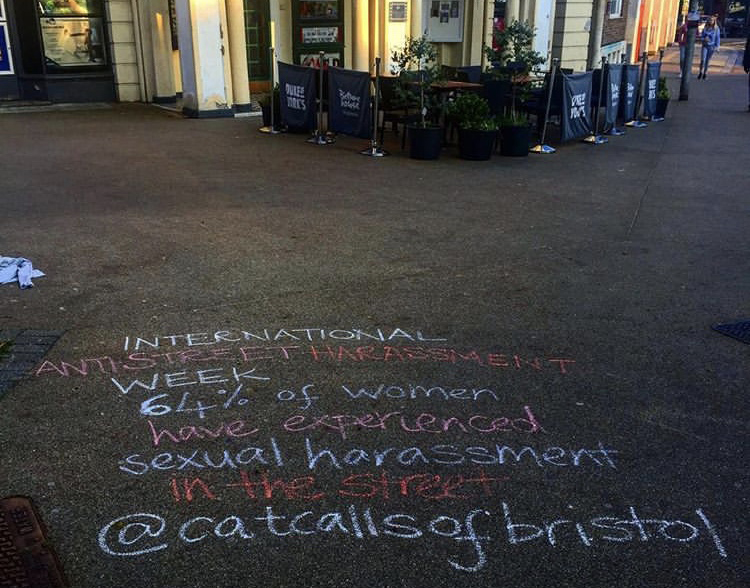
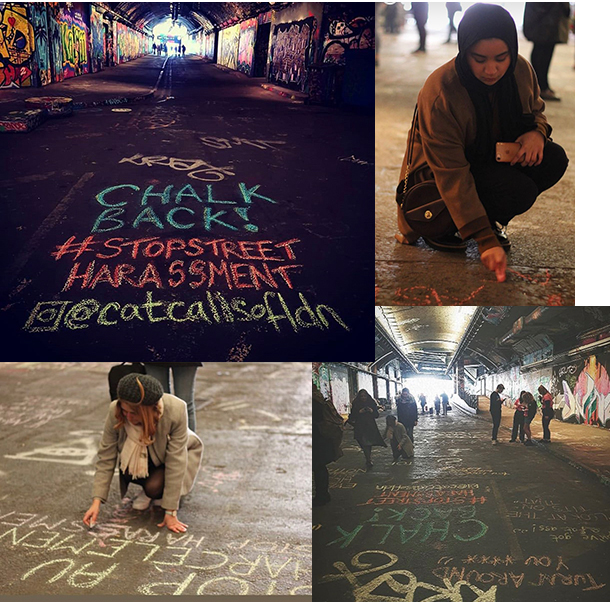
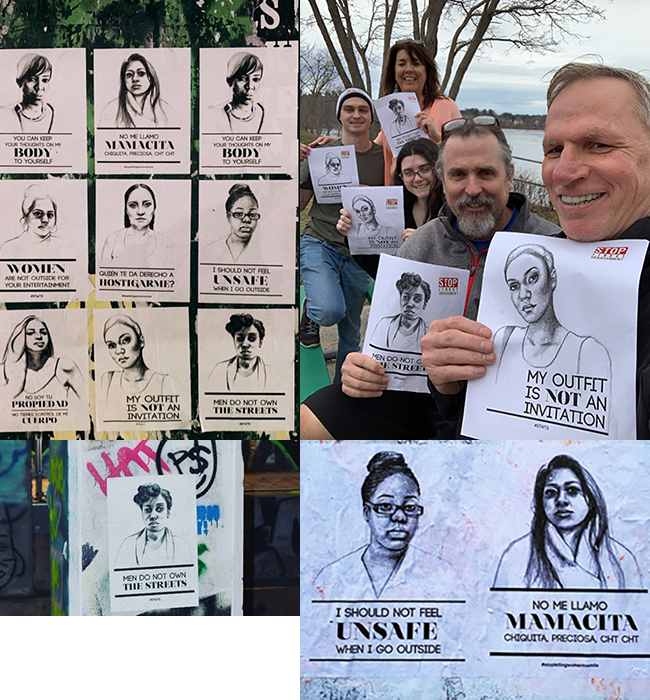
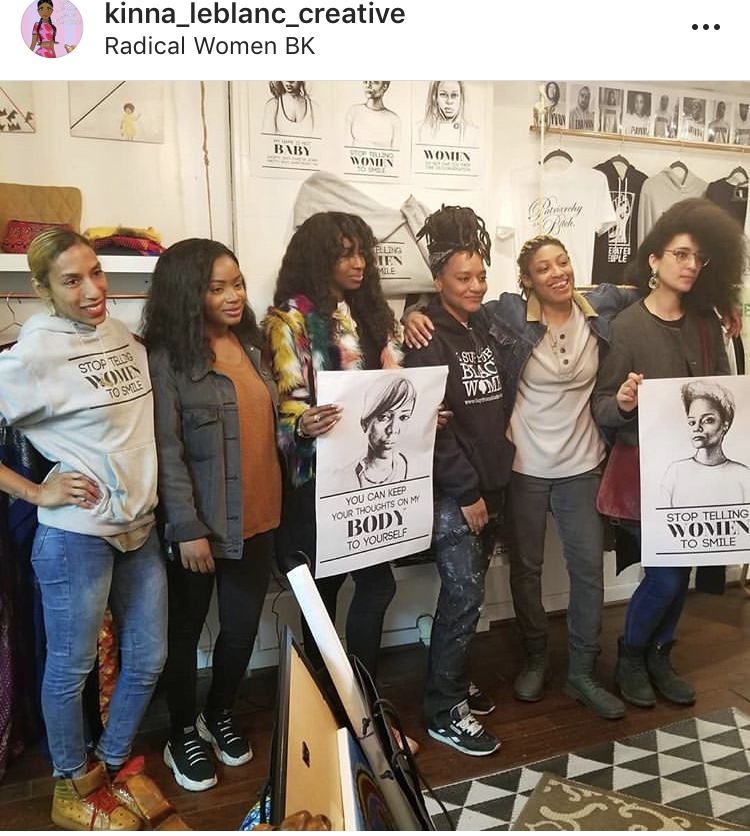
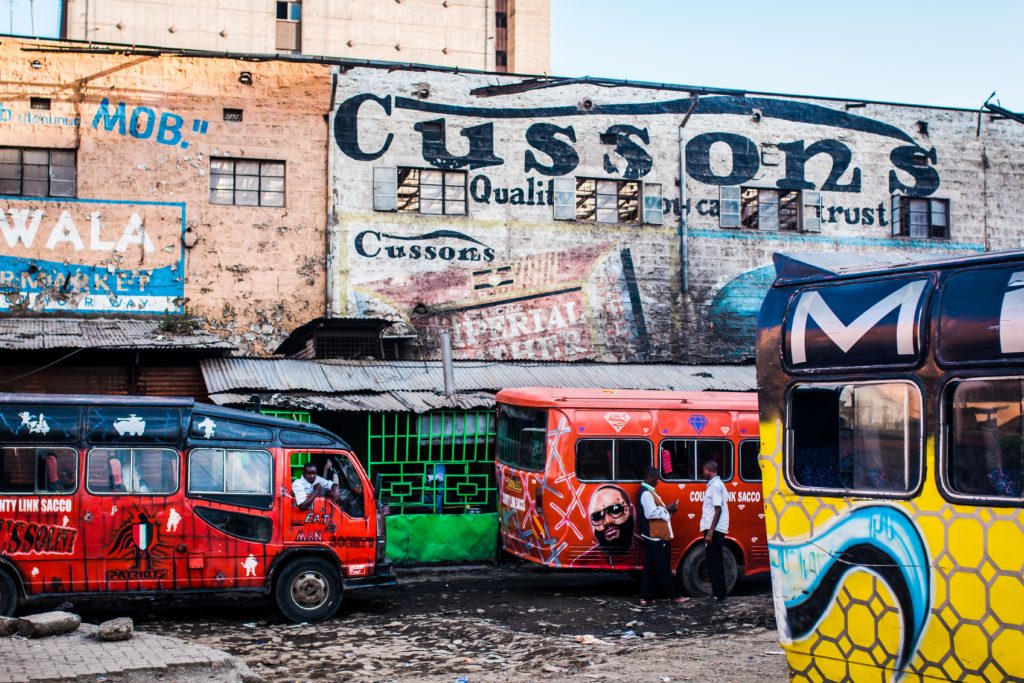 Over the years, there have been rampant cases of violence against women and girls (VAWG) on public transport in Africa and other developing regions. On November 17th2014, Kenya got the world’s attention with the #MyDressMyChoice campaign when thousands of people took to the streets to protest sexual violence against women in the public transport industry after a spate of stripping incidences were filmed and posted online. This protest sparked a movement to challenge gender norms and systems that allow this kind of violence to occur and fundamentally limit women’s freedom of movement and access to public space.
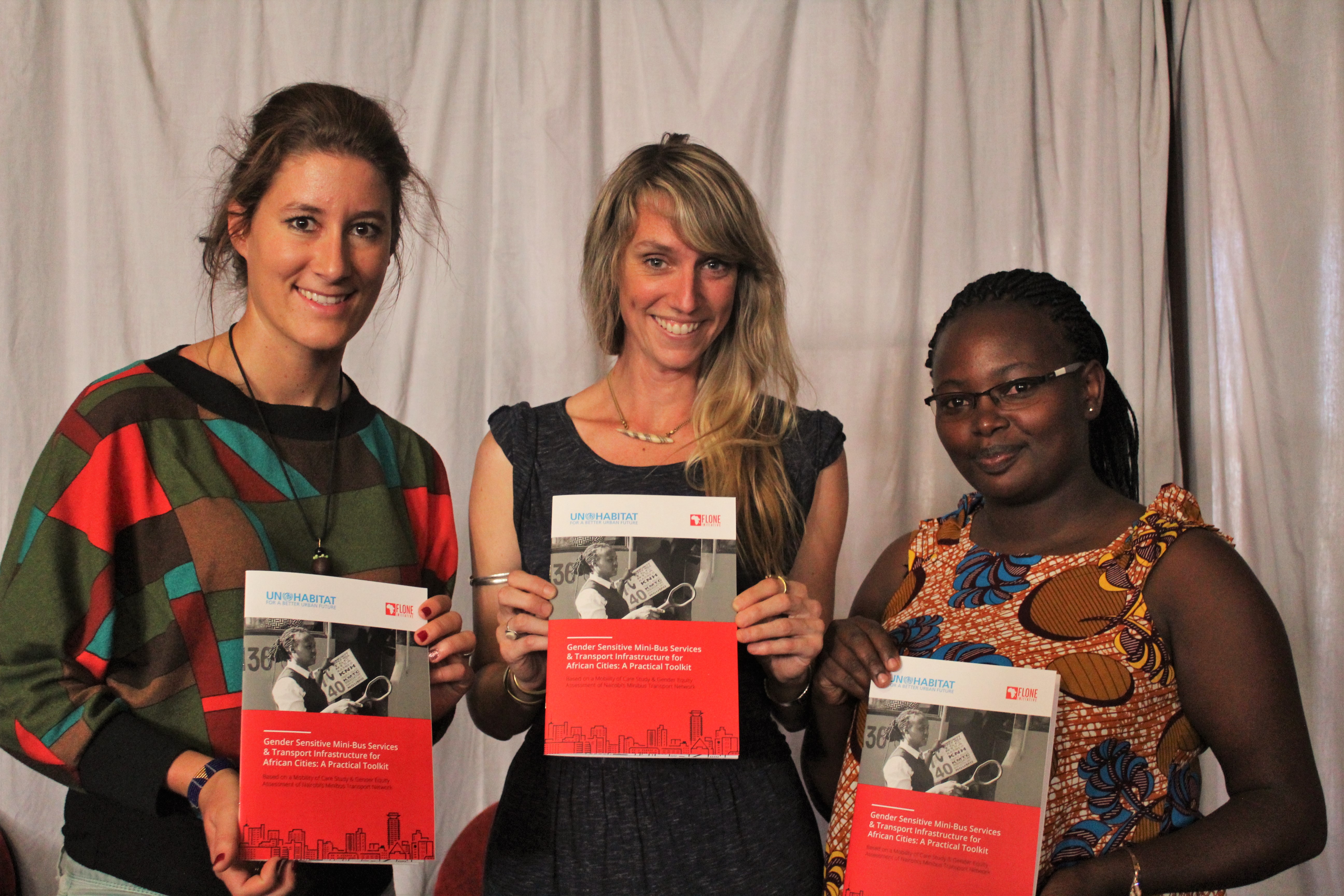 Additionally, the toolkit recommends ways in which policy makers can use these recommendations to develop gender-sensitive legislation which can create safer, more accessible public transportation systems for all road users. It also provides ideas for how civil society actors can support these initiatives.