• About Us
    • What Is Street Harassment?
    • Why Stopping Street Harassment Matters
    • Meet the Team
      • Board of Directors
      • Past Board Members
    • In The Media
  • Our Work
    • National Street Harassment Hotline
    • International Anti-Street Harassment Week
    • Blog Correspondents
      • Past SSH Correspondents
    • Safe Public Spaces Mentoring Program
    • Publications
    • National Studies
    • Campaigns against Companies
    • Washington, D.C. Activism
  • Our Books
  • Donate
  • Store

Stop Street Harassment

Making Public Spaces Safe and Welcoming

  • Facebook
  • Instagram
  • Pinterest
  • Tumblr
  • Twitter
  • YouTube
  • Home
  • Blog
    • Harassment Stories
    • Blog Correspondents
    • Street Respect Stories
  • Help & Advice
    • National Street Harassment Hotline
    • Dealing With Harassers
      • Assertive Responses
      • Reporting Harassers
      • Bystander Responses
      • Creative Responses
    • What to Do Before or After Harassment
    • Street Harassment and the Law
  • Resources
    • Definitions
    • Statistics
    • Articles & Books
    • Anti-Harassment Groups & Campaigns
    • Male Allies
      • Educating Boys & Men
      • How to Talk to Women
      • Bystander Tips
    • Video Clips
    • Images & Flyers
  • Take Community Action
  • Contact

USA: BikeWalkKC Makes Street Harassment a Priority

December 30, 2014 By Contributor

This post is from our Safe Public Spaces Team in Missouri, USA. The SPSM projects are supported by SSH donors. If you would like to donate to support the 2015 mentees, we would greatly appreciate it!
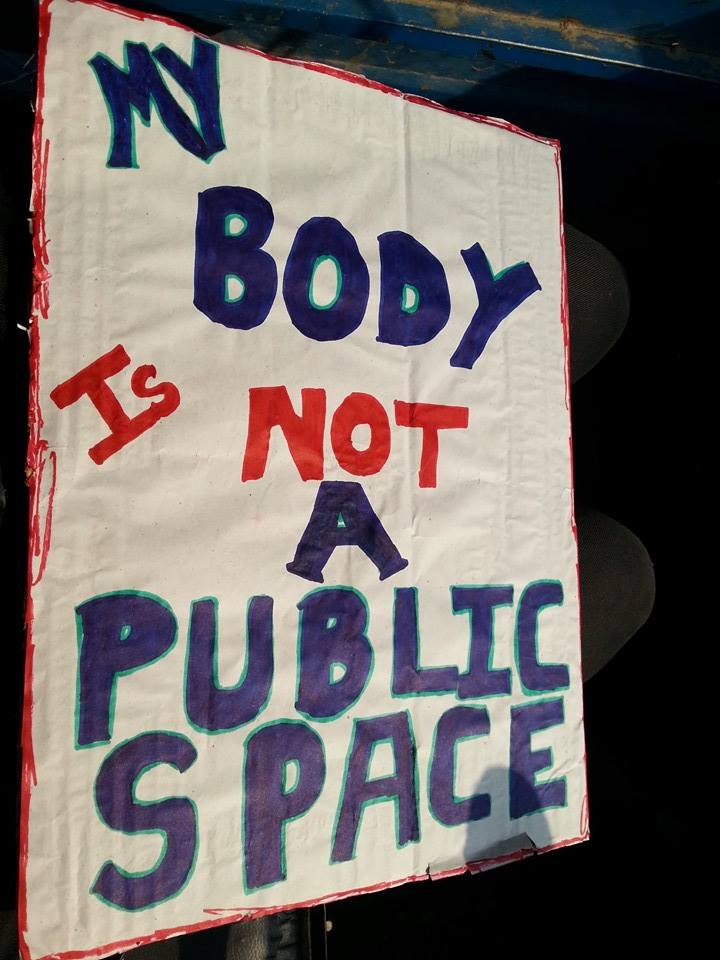
There is a lot BikeWalkKC is thankful for this holiday season.

We are thankful for the Kansas City, Missouri City Council who unanimously voted to pass an anti-harassment ordinance, which would protect vulnerable road users from harassment on the street. We are thankful for the community’s support before and after its passage, especially those who came forward and told their stories.

We are thankful that street harassment has forefront of conversation. With the infamous Hollaback piece, music videos surrounding street harassment, and articles from publications around the world, it’s clear that people are interested in eliminating street harassment. We hope that interest continues both around the world and here in Kansas City.

Following the passage of the anti-harassment ordinance, BikeWalkKC made it an organization-wide goal to continue to to integrate the ordinance into all of our work. For example, we have been developing a crash and safety app for bicyclists and pedestrians where they can report a crash, road hazard, or case of harassment.

We plan to use this data to identify harassment hotspots throughout the city and report these findings to local enforcement and community organizations. In the coming months, we are also planning on doing follow-up for the ordinance to see how people have been impacted by its passage.

We are currently planning anti-harassment workshops in the spring. We have been researching effective methods and connecting with area organizations and individuals with a vested interest in street harassment and protecting pedestrians and bicyclists. We have spoken with Hollaback chapters, social workers, and community organizers to understand best practices for anti-harassment workshops.

In the survey we conducted last fall, we also asked people what they would like to learn at a workshop. The most common responses were how to be an advocate, what to do as a bystander, and what individuals rights and protections are. We plan to address these topics of interest at our future workshops.

BikeWalkKC is excited to continue to work for safer street in Kansas City and use the momentum from the anti-harassment ordinance and the Women Bike KC initiative to empower more women to ride bikes. We also want to thank Holly at Stop Street Harassment for providing invaluable guidance and support. By partnering with organizations like Stop Street Harassment, we are optimistic that we can continue to make progress in making people of all backgrounds feel safe on our streets.

Rachel Krause is BikeWalkKC’s Marketing and Communications Coordinator.

Share

Filed Under: SSH programs, street harassment

2014: 16 People who Stood Up to Harassers

December 30, 2014 By HKearl

University of Central Florida

Each year I compile a list of 16 stories about people who stood up to harassers that year as part of the Pixel Project‘s 16 Days of Activism against Gender Violence campaign. I’m cross-posting those stories here. I hope they inspire you!

Empowering Response #1: As Anna was walking to the grocery store in Seattle, two men in a parked car harassed her. She felt safe and decided to respond back. She said, “I gave them a look, yelled back, ‘Don’t harass me!’ and kept walking. A few seconds later I heard a car about to drive past me, and a ‘Sorry!’ called out. I said thanks to the man in the passenger seat who apologised, and he told me to have a good day and I reciprocated.”

Empowering Response #2: Lise was running in a California park when she realised a group of middle school boys was harassing female athletes. After they harassed her, too, she decided to talk to them. Addressing the leader, she said, “Girls don’t like it when you talk to them that way.” She said she used a regular voice, one human being to another: “You see men talk that way, but they aren’t getting anywhere are they?” His friends fell silent and they all listened. She continued, “If you think a girl is pretty just talk to her like a regular person. Say hello, start a conversation. You’ll do a lot better that way.” The leader thought about the grown men he had been imitating. “Then why do they do that?” he asked. Lise said, “They don’t know any better. The ones who act that way are kind of dumb.” One boy called out from the back of the pack. “Yeah, it’s a dumb thing to do.” The leader said thanks – and there were no more inappropriate comments from them that day.

Empowering Response #3: Robbie is in her 50s and lives in Colorado. She says she does not experience street harassment anymore, but she won’t stay silent when she sees it happening to someone else. When she saw construction workers harassing a young woman, she checked in to make sure the woman was okay. Then she asked the men why they harassed the woman. They were dismissive of her, so she called 911 and the company they work for. She made both calls in front of them saying, “I think I gave them a tiny scare.”

Empowering Response #4: After a construction worker catcalled her during her walk to work, Anonymous confronted him and asked him why he thought that was appropriate to do. His colleague stepped in and apologised. She said, “Afterwards, I felt empowered for sticking up for myself.”

Empowering Response #5: Lee is frequently harassed and decided to start pushing back. After a man at a bus stop near her house harassed her, she walked up to him and let him know that this was where she lived. She told him this was her home and asked, “How dare he come to her neighborhood and disrespect her and make her feel less than safe?” She said, “I scared the crap out him and he seemed to decide that he didn’t need to wait for the bus, to skedaddle on home as he backed away apologising. Boy, was that satisfying. Speaking out then became something I could do (if I felt safe to) and it was empowering. It was like a first step toward taking back full ownership of my own body.”

Empowering Response #6: Anonymous was walking home from college in Utah when a man called out to her. She was tired of being harassed so she said, in a firm voice, “Excuse you?!” The man and his friends were silent and she walked home. She says they have never bothered her again when she’s walked by.

Empowering Response #7: S has been harassed on three continents and in her frustration one day, penned this letter to men. She concludes it by writing, “This dehumanisation of women based solely on their outward appearance is sexism. We’re people, not objects built solely to display clothes or sexually please men, so please do not treat us as such.”

Empowering Response #8: After experiencing street harassment in Edinburgh, Scotland, Anna called the police. The police looked into the incident but the officer who called her back said it was “probably just men being men.” Anna was frustrated by that comment and so wrote to the Chief Constable – and shared her letter online – to highlight the harmful attitude and to ask for more sensitivity around street harassment and related issues.

Empowering Response #9: Eya was shopping with her family in Tunisia when a man harassed her. She at first pretended to ignore him, but when she saw him laughing about getting away with it, she turned around and screamed at the top of her lungs, “YOU SHOULD BE ASHAMED OF YOURSELF!” He was really shocked, she said, “as if he didn’t realise I actually had a voice and could stand up for myself. He then simply turned around and retreated back into the shop, and I felt very proud of the way I had reacted.”

Empowering Response #10: SSH board member Lindsey launched “Cards Against Harassment” as a way to use messages on cards to respond to harassers. “I decided that a card would be the ideal middle ground, allowing me to provide feedback that harassment is unwanted without necessarily sticking around for an extended encounter.” After launching the cards, some of her male friends doubted she experienced street harassment as much as she does, so she started filming her harassers. Her videos were featured on numerous media sites over the summer, receiving hundreds of thousands of views.

Empowering Response #11: Greta was walking through the Scottsdale Hilton in Arizona to meet a friend staying there when two men whistled at her. Tired of dealing with harassment, she decided to talk to them about it. “Hi,” she said. “I notice you’re the only two people out here, and I’m the only person walking past. I just wanted to let you know when you whistle at women, it’s incredibly offensive and demeaning. I am a human being, not an object that exists for your viewing pleasure.” They retorted, “It’s okay, you’ll get over it.” So she continued to educate them: “Well actually, no, you’ll get over it. Because as straight white males with enough money to stay at the Hilton, you have the privilege of being able to choose how you address people around you. YOU get to make the choice. I don’t. So no, I won’t get over it. I’ve been dealing with it for years.” She then left, saying, “it felt really good to be able to call them on it.”

Empowering Response #12: SVN in Massachusetts as walking home at night when he yelled out to her. No one was around and she feared for her safety. “Yes?” She asked him. “How you doing?” he asked, crossing the street to get closer to her. She held up her hand saying, “I’m going to need you to leave me alone – I’m a woman walking by myself at night, and this is a little scary.” She said he stopped in his tracks, and said, “Oh, I didn’t mean it like that!” “That’s okay,” she said, “I’m going to keep walking, and you can go back to whatever you were doing.” And he sat back down, and she kept walking.

Empowering Response #13: As Anonymous was walking away from a bar with friends in Washington, a man grabbed her butt. She grabbed his shirt and slapped him and yelled, “You cannot touch me! You cannot just grab someone’s ass. That is not okay!” He ran away.

Empowering Response #14: An older man in Italy yelled, “Hey baby” to EZ as she walked to work. She pretended not to hear. He continued: “Hey, need a ride? Come here I’ll PAY you! How much is it?” She decided to fight back. She turned around, a big smile on her face, and said with loud voice, “Hey you! How old are you? 80? Your life is very near to the [natural] end, so why don’t you think about your health instead of bothering young ladies?” His face turned from red to purple. She walked away, smiling.

Empowering Response #15: After never responding to street harassers, A in Pakistan took a stand when a man touched her hip on the pedestrian bridge as he tried to walk past her. She screamed out “Beghairat” (“shameless” in Urdu). “I did something about street harassment,” she wrote. “After all these years, I finally did it tonight. I took a stand.”

Empowering Response #16: As Anonymous entered a New York subway car, a guy on the left of her pretended to “help” her into the train by grabbing her lower back and grazing it saying, “Here you go, sweetie.” When she told him, “Please don’t touch me,” he proceeded to insult her body, saying, “There’s not much to touch,” and laugh with his friend and make insulting comments about her race loudly so everyone on the train could hear. When he and his friends continued to harass her, she took his photo. He was surprised and stopped.

Share

Filed Under: Stories, street harassment, year end

Nicaragua: Surveyed 900 Women

December 29, 2014 By Contributor

This post is from our Safe Public Spaces Team in Nicaragua, with the English translation below the Spanish. The SPSM projects are supported by SSH donors. If you would like to donate to support the 2015 mentees, we would greatly appreciate it!

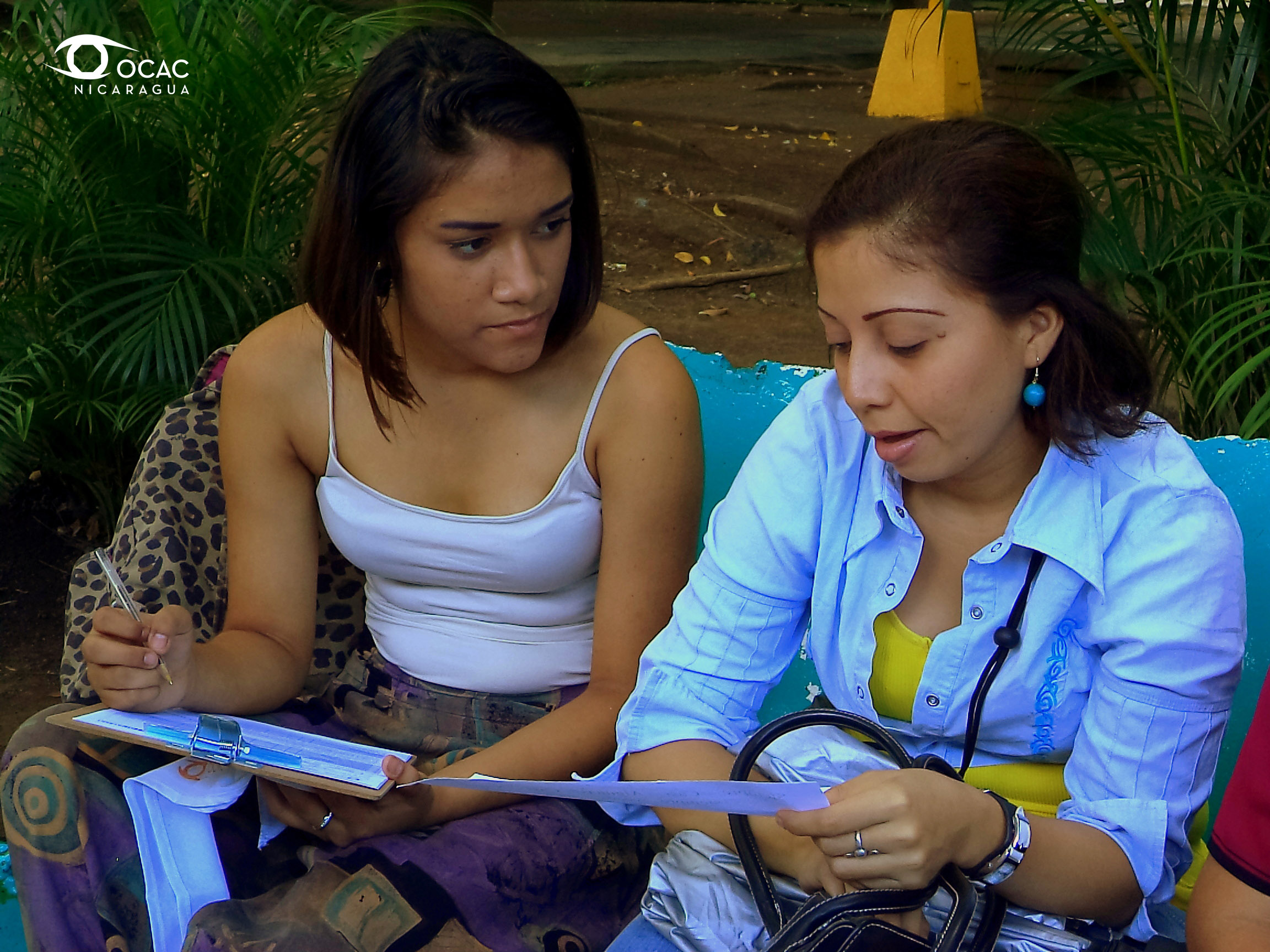
El proyecto de OCAC Nicaragua que dio inicio en Septiembre de 2014 bajo el patrocinio de Stop Street Harassment ha llegado al final de su etapa inicial, por medio de la cual se logró alcanzar a más de novecientas mujeres en la ciudad de Managua, quienes compartieron su tiempo y vivencias con las más de quince encuestadoras voluntarias que apoyaron la iniciativa. Con esta encuesta se alcanzó a conocer testimonios de mujeres de 14 a más de 55 años, quienes experimentan violencia en los espacios que son, en teoría, seguros para todas.

El reconocer los rostros de estas mujeres, con historias que tienen características similares con las del resto, nos ha llevado a la adquisición de un compromiso más sólido y firme con la temática del acoso callejero, ya que no se trata de “piropos”, sino de agresiones que van dañando la integridad de cada una, llenándonos de miedos que limitan nuestro uso pleno de los derechos de libre  circulación.

A través de los resultados que nos generó esta primera encuesta realizada en Nicaragua sobre acoso callejero, constatamos la importancia de dar información sobre el tema, no solamente conociendo en qué consiste, sino la forma en la que podemos contrarrestarlo ya que no se trata de una experiencia agradable y bien aceptada.

Cabe destacar que este compromiso no solo lo adquirimos quienes formamos parte del grupo dirigente, sino de las voluntarias comprometidas que posibilitaron la información al llenar cada una de las encuestas; y es aquí donde reconocemos otro logro, pues muchas de las encuestadoras al escuchar las vivencias, reflexionaron sobre la envergadura de la problemática y reconocieron la importancia que tienen no solo las frecuencias y especificaciones de las incidencias, sino el sentir de aquellas que contando sus historias descargaron sentimientos que tenían reprimidos. Esto transformó en todas nosotras la forma de actuar al sentirnos acosadas en las calles, y desde nuestro actuar incidiendo en el comportamiento de otras.

A partir de los resultados obtenidos, encontramos que más del 90% de las mujeres perciben esta problemática como una forma de violencia de género; sin embargo, -según lo que expresaban algunas de ellas- el responder ya sea con gestos o acusaciones públicas trae consigo respuestas violentas o reiterativas de los agresores, que en algunos casos las inhibían y en otros les hacía exponer más fervientemente su inconformidad.

Del mismo modo, reconocer uno de los focos más vulnerables que son las mujeres con las edades comprendidas entre los 16 a 18 años, nos proporciona mayores insumos en cómo trabajar con estas mujeres. Encontramos también que la masturbación, persecución y exhibicionismo de genitales han sido la base de las experiencias que se han catalogado como más fuertes y las que han hecho sentir más vulnerables ante una sociedad que cosifica el sexo femenino.

Asimismo, los resultados de las encuestas solo fueron el primer paso, ya que seguimos trabajando en el análisis de los resultados, porque consideramos necesario realizar un estudio más amplio para posteriormente darlo a conocer a los medios de comunicación e informar que no se trata de una situación culturalmente aceptada por todas, sino que sus formas de expresión tienen  consecuencias mucho más profundas. Un ejemplo de esto último es que las mujeres expresaron sentirse con miedo al transitar por las calles, otras aseguraban que vestirse de una u otra forma es lo que ocasiona el irrespeto; así como la impotencia que genera el que la sociedad no sea un medio seguro cuando tiene lugar la incidencia de las acciones que el acoso callejero encierra.

Entre las historias que fuimos testigas, nos impactó la de dos mujeres (en lugares y tiempos distintos, pero como antes mencionábamos con características similares en sus circunstancias) que a los ocho años, mientras iban a comprar a la tienda, un hombre en bicicleta les exhibió sus genitales, mientras les gritaba que ya estaban “buenas”, lo que nos reitera que no existe edad establecida para sufrir acoso callejero.

Este sin duda ha sido un proyecto que nos abre las puertas para empezar a trabajar firmemente en contra del acoso callejero, como una de las primeras iniciativas en Nicaragua de esta naturaleza.

Por Estrella Lovo, Vicepresidenta OCAC, Nicaragua.

In English (Using Google Translate)

Under the patronage of Stop Street Harassment, in September Observatorio Contra el Acoso Callejero, Nicaragua began surveying people about street harassment in the city of Managua. We were able to reach more than 900 women who shared their time and experiences with the more than fifteen volunteer interviewers who supported the initiative. This survey was conducted to learn the experiences of women from ages 14 to over 55 who experience violence in the spaces that are theoretically safe for all.

Recognizing the faces of these women, with stories that have similar characteristics with the rest, has led to the acquisition of a more solid and firm commitment to the issue of street harassment. These are not “compliments” but attacks that are damaging the integrity of each, filling each with fears that limit their full use and right to move in public spaces.

Through the results generated by this first survey in Nicaragua on street harassment, we note the importance of providing information about not only knowing what it is, but the way in which we can counter it as there is a experience pleasant and well accepted.

We found that over 90% of women perceive this problem as a form of gender violence; however, they find that responding with either with gestures or public accusations brings violent or repetitive responses from aggressors, which inhibited in some cases and in others made them more earnestly expose their dissatisfaction.

Similarly, recognizing one of the most vulnerable spots are the women aged 16-18 years gives us more input on how to work with these women. We also found that masturbation, exhibitionism persecution and genitals have been the basis of the experiences that have been cataloged as stronger and have made us feel more vulnerable to a society that objectifies the female sex.

Also, the survey results were just the first step as we continue working on the analysis of the results, because we consider necessary to conduct a larger study to subsequently make it known to the media and report that there is a situation culturally accepted by all, but their forms of expression have much deeper consequences. An example of this is that women reported feeling afraid to walk the streets, others claimed that dress in one way or another is causing disrespect; and impotence generated by that society is not a secure medium where the impact of the actions that encloses street harassment occurs.

Among the stories we have reviewed, we were struck that two women in different places and different times both said when they were around eight years, while going to the store, encountered a a man cycling who exhibited his genitals while shouting that they were already “good”, which reiterates to us that street harassment begins at a young age.

Not only did we collect stories but we as volunteers had an opportunity to reflect on the scale of the problem and recognized the importance of not only the frequencies and specifications of incidents, but the feelings of those who tell their stories — for many their feelings were repressed. This helped us all think about how to act when we feel harassed in the streets, and from our actions we realize we can influence the behavior of others.

This has certainly been a project that opens the door to start work firmly against street harassment, as one of the first initiatives of this nature in Nicaragua.

By Star Lovo, Vice OCAC, Nicaragua.

Share

Filed Under: SSH programs, street harassment

Serbia: Street Harassment Survey Has an Impact

December 29, 2014 By Contributor

This post is from our Safe Public Spaces Team in Nis, Serbia. The SPSM projects are supported by SSH donors. If you would like to donate to support the 2015 mentees, we would greatly appreciate it!

“How is that street harassment when everyone does it?”

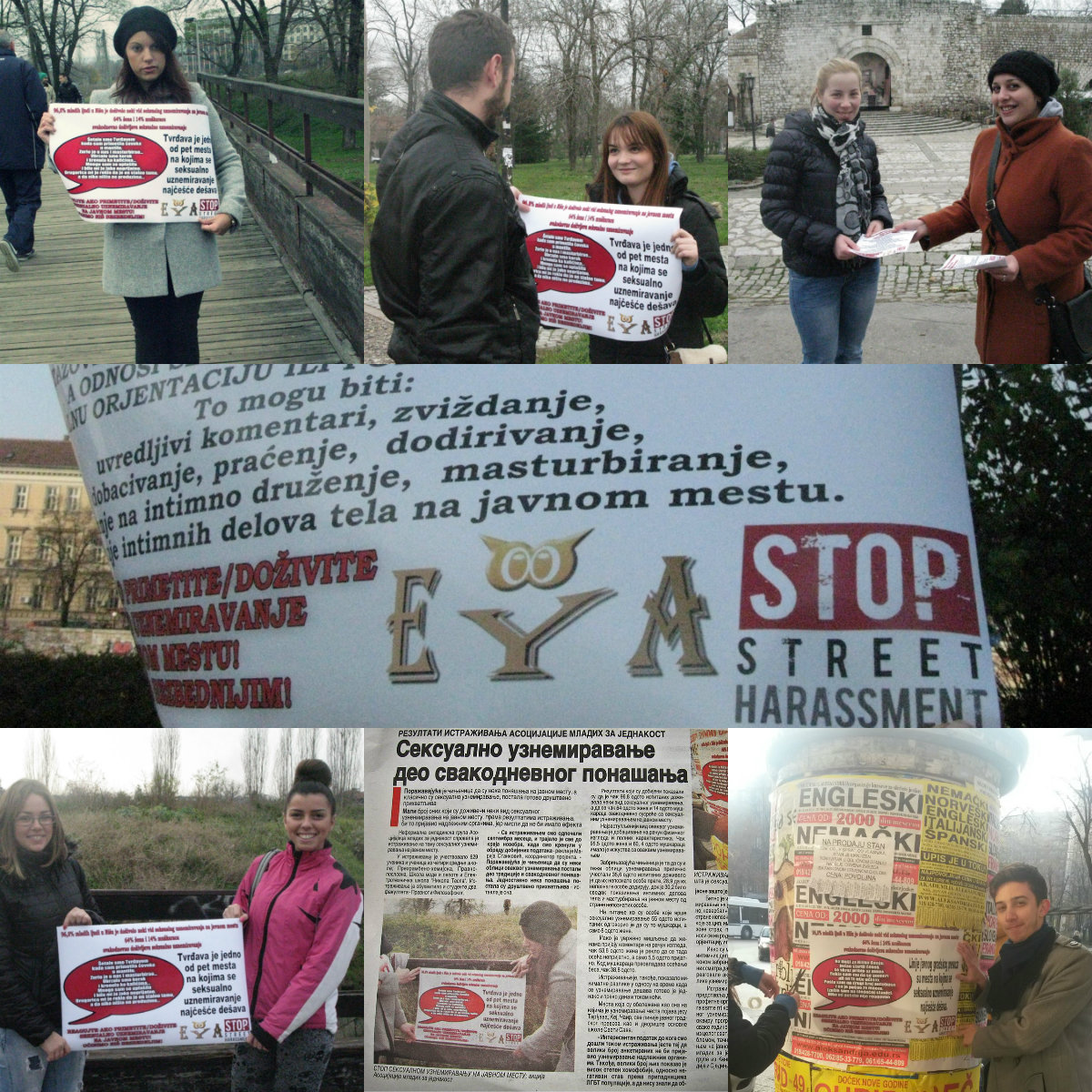
Equity Youth Association conducted a street harassment survey across three months with 629 youth participants from four secondary schools and two Faculties. Psychologist Sanja Cvejić helped us process the data. The findings are below the collage image. We also handed out a flyer with a basic explanation of what street harassment is and the most common forms and through that we were able to educate and raise awareness among even more people.

School psychologist were delighted that this issue is finally being addressed. They were so concerned with our statistics that they encouraged us to start a session of educational workshops on street harassment in the future.

After reading our report in local newspapers, members of the Board Commission for Gender Equality of the City of Nis decided to conduct another survey that will be focused on finding out where women of all ages feel unsafe the most and then developing a strategy for further securing of these parts of the city.

SURVEY FINDINGS:

The statistics were so shocking that we double-checked everything:

* 96.8% of participants experienced some form of sexual harassment at least once in their life.

* 64% of women and 14% of men said they experience harassment on a daily basis.

* The most common form of harassment cited were comments about people’s physical appearance: 84.2% of respondents have experienced this type of behavior, 95.5% of women and 60.4% of men.

* It doesn’t come as surprise that the most common form of harassment is not recognized as harassment at all. Only 18.5 % of respondents said yes that unwanted comments about physical appearance is sexual harassment. 48.9% said no, and furthermore, most of them added that this is compliment.

* What is also worrisome is the fact that 35.5% of girls and 16.6% of boys said they witnessed public masturbation and 33.8 % of girls and 23.1% of boys experienced inappropriate touching by unknown persons.

* We started from a neutral position where we assumed that gender makes no difference when it comes to street harassment. Of course, we were proven wrong. For every type of behavior, women face it more frequently than men.

* 55% of participants said that their harassers were men and only 8% that harassers were women.

* The most common feeling that participants had when they experienced harassment differed a lot between men and women: 53.6% of women feels uncomfortable, while 38.8 % felt angry.

* When it comes to positive feelings, 7.3% of men felt desirable as did only 3.4% of women. 6.2% of men felt flattered as did only 2.6% of women. 4.1% of men said it made them feel phenomenal while no woman selected this.

* Some people admitted to being harassers: 8.8 % of boys and 4.8 % of girls. Of them, 41.3 % of boys said they had made comments about physical appearance as did 18.2 % of girls.  24.5% of the admitted male harassers and only 8.2% of admitted girls harassers said they inappropriately touched (rubbed against) a person they don’t know in public.

* The most common reaction that participant had when they experienced harassment was to just get away from the harasser (37.7%). Only 3.1% of people screamed or asked for help.  It’s worrying that 65.6% of people believe that police wouldn’t react if they would address them. But, what worries even more is that people become so oblivious and used to street harassment that nobody is reacting not even to public masturbation.

 A female participants shared with us: “In the middle of the day in the pedestrian zone, in the city center man was masturbating. No one reacted. Everybody in our country should be ashamed of this.”

* 40.5% of respondent has experienced harassment in public transportation where reaction is lacking as well: “I felt that the older man is rubbing against me. I told him to back off and moved to the back of the bus. He came after me. None of the people in the bus reacted. I came down on the next station.”

* More than half of the harassed people (57.9%) said they first experienced harassment at age 13-17. The story of the girl who was only seven when she first experienced harassment left me speechless. “I was coming home from school when I noticed a car driving very slowly next to me. Inside was a man masturbating and staring at me.”

* What also took me by surprise is the reaction of a fellow law student: “Oh come on, catcalling is street harassment? But, everybody does it.” And indeed they do. According to our survey, harassment is happening everywhere. Elementary school yards, public parks with kids, coffee shops, clubs.

* And, it’s widely believed that women are the one to “blame”: 56.2% of participants believe that women who wear short skirts deserve catcalling on the street.

If there is any silver lining to these dreadful statistics that would be that many people are willing to change. We were pleasantly surprised by the media reaction. Our survey results were published in local newspapers, featured on website and announced on the radio. During our street action many people showed interest in topic and have supported our work. But, what gave us hope the most are school psychologists that have suggested us collaboration.

Hopefully, soon we were be able to come up with form of education on the topic of street harassment that could change the way young people think and act.

Marija Stanković, Equity Youth Association and the lead SSH Safe Public Spaces Mentee in Serbia. 

Share

Filed Under: Resources, SSH programs, street harassment

2014: 10 SSH Achievements

December 29, 2014 By HKearl

THANK YOU to everyone who made our work possible this year! Here are 10 highlights:

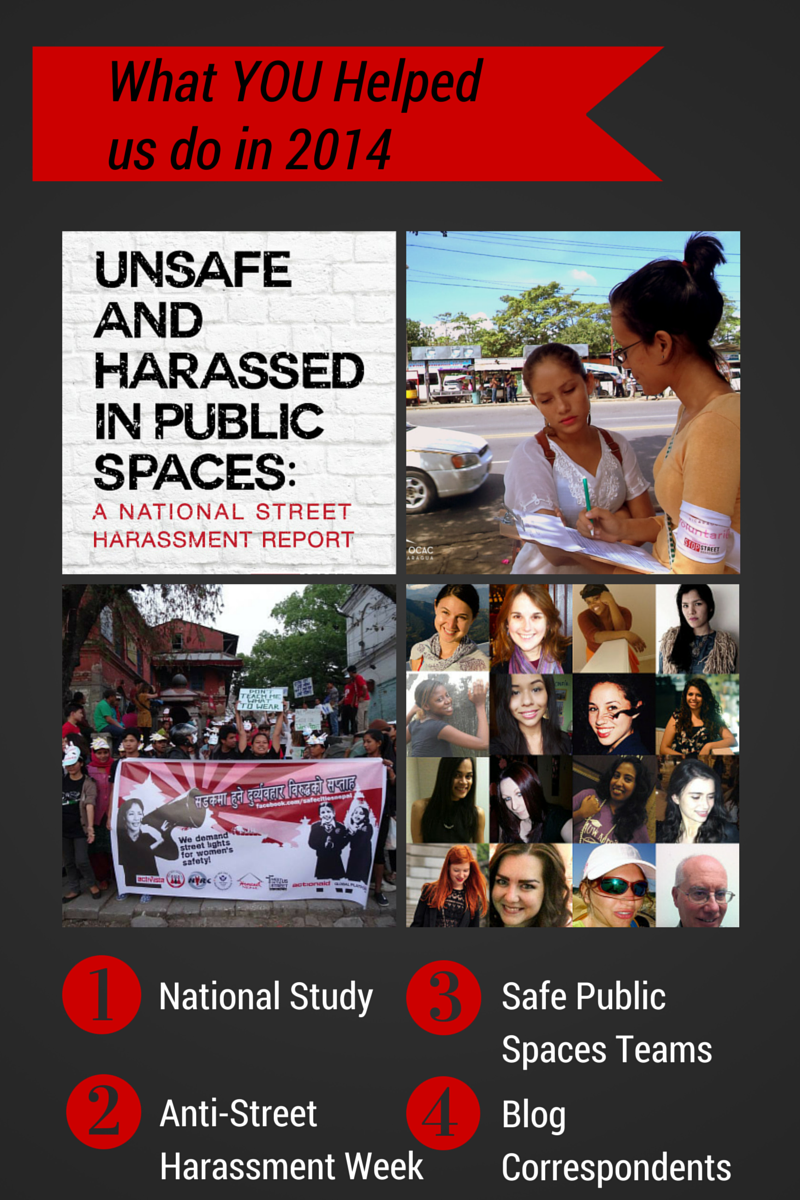
1. Finished fundraising to be able to fund the largest nationally representative survey on street harassment in the USA to date. Finished conducting the focus groups with under-represented voices. Then wrote and released a report in June detailing the findings of the survey and focus groups. The report has had around 100 media hits and is being used by government agencies, universities, nonprofits, journalists, and activists nationwide.  (THANK YOU everyone who donated)

2. Organized the largest International Anti-Street Harassment Week to date in the spring! Groups in 25 countries participated through marches, rallies, workshops, sidewalk chalking, flyering, tweet chats, and more.

3. Funded six Safe Public Spaces Mentoring teams in India, Kenya, Nepal, Nicaragua, Serbia, and USA. This fall and winter they’ve held workshops, conducted surveying, and campaigned (due to various issues, not all teams have completed their projects yet).

4. Worked with three cohorts of blog correspondents (more than 40 people from around the world combined) across the year who wrote articles about street harassment and activism to stop it in their communities.

5. Presented or tabled at the Rally Against Rape, the National Conference for College Women Student Leaders, National Sexual Assault Conference, and SlutRock DC. Participated in the DC Justice for All March. Spoke at various campuses and to community groups. Volunteers hosted street chalking in DC and NYC.

SSH board member Layla and volunteers in D.C. for sidewalk chalking SSH board member Laura in Nebraska for #16days of activism action on campus 

SSH board member Lindsey in Minnesota tabling after her talk at a campus SSH volunteer Khiara in New York organized an #OrangeDay chalking
I joined SSH board member Manuel in Arizona for art action with high schoolers
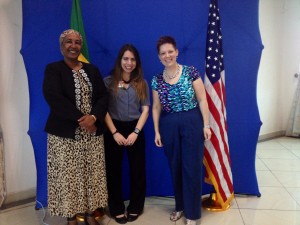
My trip to Ethiopia to talk about sexual harassment & street harassment to college deans

6. Advised entities like the Washington Metropolitan Area Transportation Authority and the World Bank on their anti-harassment transit campaigns in Washington, DC and Mexico City, respectively. Also advised the State Department on harassment in Ethiopia and a sheriff’s office on upskirt laws in Washington state. 

7. Met with legislators from NY, NM and NJ who agreed to strengthen their state’s upskirt laws.

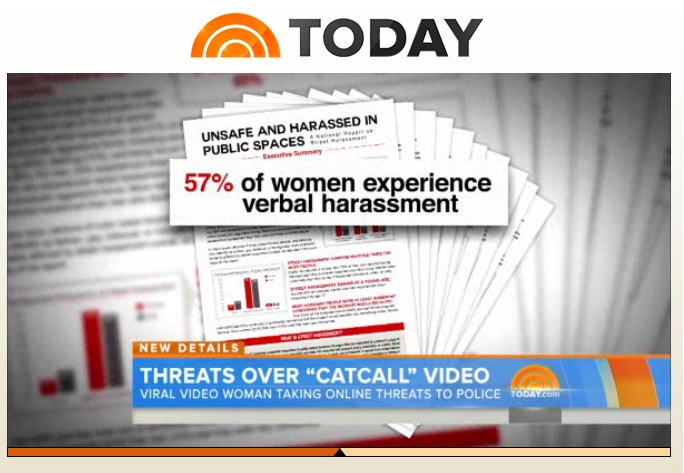
8. Received more than 200 media hits, including coverage on The Today Show, New York Times, Washington Post, and the Guardian. SSH was also featured in two documentaries on street harassment.

9. Said goodbye to the 2012-14 term board members and hello to the 2014-16 term members, and worked with super helpful interns and volunteers.

10. I wrote pieces about street harassment for outlets like the New York Times, Washington Post, Daily Beast, Ms, and Bitch. SSH board members Patrick and Maureen wrote published pieces for Huffington Post and Washington Post, as did former SSH volunteer and 2014 graphics consultant Raquel for the New York Times.

Share

Filed Under: SSH programs, street harassment, year end

« Previous Page
Next Page »

Share Your Story

Share your street harassment story for the blog. Donate Now

From the Blog

  • #MeToo 2024 Study Released Today
  • Join International Anti-Street Harassment Week 2022
  • Giving Tuesday – Fund the Hotline
  • Thank You – International Anti-Street Harassment Week 2021
  • Share Your Story – Safecity and Catcalls Collaboration

Buy the Book

Search

Archives

  • September 2024
  • March 2022
  • November 2021
  • April 2021
  • March 2021
  • January 2021
  • April 2020
  • March 2020
  • February 2020
  • December 2019
  • November 2019
  • September 2019
  • August 2019
  • July 2019
  • June 2019
  • May 2019
  • April 2019
  • March 2019
  • February 2019
  • January 2019
  • December 2018
  • November 2018
  • October 2018
  • September 2018
  • August 2018
  • July 2018
  • June 2018
  • May 2018
  • April 2018
  • March 2018
  • February 2018
  • January 2018
  • December 2017
  • November 2017
  • October 2017
  • September 2017
  • August 2017
  • July 2017
  • June 2017
  • May 2017
  • April 2017
  • March 2017
  • February 2017
  • January 2017
  • December 2016
  • November 2016
  • October 2016
  • September 2016
  • August 2016
  • July 2016
  • June 2016
  • May 2016
  • April 2016
  • March 2016
  • February 2016
  • January 2016
  • December 2015
  • November 2015
  • October 2015
  • September 2015
  • August 2015
  • July 2015
  • June 2015
  • May 2015
  • April 2015
  • March 2015
  • February 2015
  • January 2015
  • December 2014
  • November 2014
  • October 2014
  • September 2014
  • August 2014
  • July 2014
  • June 2014
  • May 2014
  • April 2014
  • March 2014
  • February 2014
  • January 2014
  • December 2013
  • November 2013
  • October 2013
  • September 2013
  • August 2013
  • July 2013
  • June 2013
  • May 2013
  • April 2013
  • March 2013
  • February 2013
  • January 2013
  • December 2012
  • November 2012
  • October 2012
  • September 2012
  • August 2012
  • July 2012
  • June 2012
  • May 2012
  • April 2012
  • March 2012
  • February 2012
  • January 2012
  • December 2011
  • November 2011
  • October 2011
  • September 2011
  • August 2011
  • July 2011
  • June 2011
  • May 2011
  • April 2011
  • March 2011
  • February 2011
  • January 2011
  • December 2010
  • November 2010
  • October 2010
  • September 2010
  • August 2010
  • July 2010
  • June 2010
  • May 2010
  • April 2010
  • March 2010
  • February 2010
  • January 2010
  • December 2009
  • November 2009
  • October 2009
  • September 2009
  • August 2009
  • July 2009
  • June 2009
  • May 2009
  • April 2009
  • March 2009
  • February 2009
  • January 2009
  • December 2008
  • November 2008
  • October 2008
  • September 2008
  • August 2008
  • July 2008
  • June 2008
  • May 2008

Comment Policy

SSH will not publish any comment that is offensive or hateful and does not add to a thoughtful discussion of street harassment. Racism, homophobia, transphobia, disabalism, classism, and sexism will not be tolerated. Disclaimer: SSH may use any stories submitted to the blog in future scholarly publications on street harassment.
  • Contact
  • Events
  • Join Us
  • Donate
  • Facebook
  • Instagram
  • Pinterest
  • Tumblr
  • Twitter
  • YouTube

Copyright © 2026 Stop Street Harassment · Website Design by Sarah Marie Lacy