No matter who you are and where you go, being safe in public spaces should be your RIGHT!
Runners and Harassment Tweet Chat
Bolivia: “Yo no quiero ser, ya soy.”
Andrea Flores Hernández, Santa Cruz, Bolivia, SSH Blog Correspondent
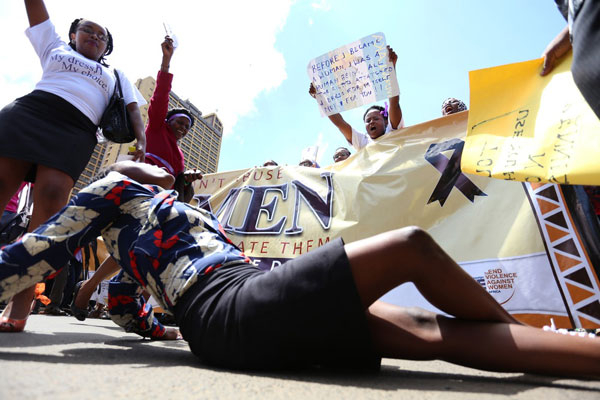
El martes 25 de Noviembre se celebró el Día Internacional de la Eliminación de la Violencia contra la Mujer. El mismo día, se proyectó en Santa Cruz, Bolivia, la película “13 Horas de Rebelión”, dirigida por María Galindo, militante anarco-feminista y fundadora de Mujeres creando, un colectivo feminista anarquista boliviano. No pudo haber existido mejor ocasión.
La cosificación de la mujer, violencia machista, y la masculinidad desde una mirada “rebelde”, fueron algunos de los tópicos incluidos en la película. Durante poco más de una hora, se proyectaron las diferentes manifestaciones que Mujeres Creando realizó en un período de dos años.
El largometraje fue un hálito de esperanza entre tanta anormalidad machista cotidiana. Observar la cantidad de mujeres que levantan la voz en contra de la cosificación de la mujer, que con su mirada gritan amor por sí mismas, y que con su cuerpo realizan arte en honor a ellas mismas. No por egoísmo, sino por simple y puro amor.
Y es que estas mujeres, son tan seguras de sí mismas que se sacuden todas las premisas típicas de una sociedad machista y exaltan el amor propio ante la imperfección. Ignoran los preceptos de ser “delgada”, “blanca”, “alta” como símbolos de “mujeres perfectas” y se sienten plenas en su cuerpo, sea como sea, se sienten seguras así.
Saben que la lucha es larga y ayudan a las demás a librarse del yugo machista en el que viven. Y no termina ahí. Lo más significativo es observar cómo los hombres se van uniendo a la batalla. Hombres que han abandonado el machismo como forma de “ser hombre”, y promueven esto a los demás.
Y quizá, la más hermosa idea que transmite la película es una simple premisa silenciosa: “Yo no quiero ser, ya soy”. Porque antes de estar con un hombre, una mujer fue y sigue siendo independiente. No muere ningún rincón de su ser para estar al lado de él. Porque antes de desear la aceptación de la sociedad, vistiéndose o arreglándose para agradar a los demás, ella se pone en primer y último lugar, y solo desea sentirse bien como sólo ella quiera. Y, a decir verdad, ¿no deberíamos sentirnos siempre así? ¿Sentirnos libres, lindas y perfectas como somos, y no como los demás lo impongan?
Al final de todo, nuestra lucha es esa. Sentirnos libres. Libres sin ninguna cadena que nos subyugue. Libres de esos obstáculos que día a día la televisión, las revistas y las mismas personas nos imponen para impedir que nos amemos tal como somos. Sentirnos libres tanto en nuestra mente como en un espacio público. Libres de sentirnos amenazadas ante el sexo opuesto.
Vivamos nuestras propias trece horas de rebelión. Hagamos de esas trece horas toda una forma de vida. Porque comenzando por amarnos nosotras mismas es que comenzaremos los grandes cambios. Comienza por ti.
Andrea is in her second year of university, studying Social Communication. You can follow her on Twitter:@AndreaFlores116

16 Days of Activism: Day 2 – Teenagers Speak Out
More than half of all people in the USA who have experienced street harassment said they experienced it by the time they were 17 years old. That’s one reason why it’s so important to talk to teenagers about street harassment.
Our board member Manuel Abril is a prevention educator in video/art programming and community organizing at Our Family Services in Tucson, AZ. In this capacity, he has worked as sexual violence prevention educator for 7 years with Safe Streets AZ and developed social creativity projects with Hey Baby | Art Against Sexual Violence and ACT OUT youth film program.
He and the teenagers he works with made this video for the 16 Days of Activism against Gender Violence.
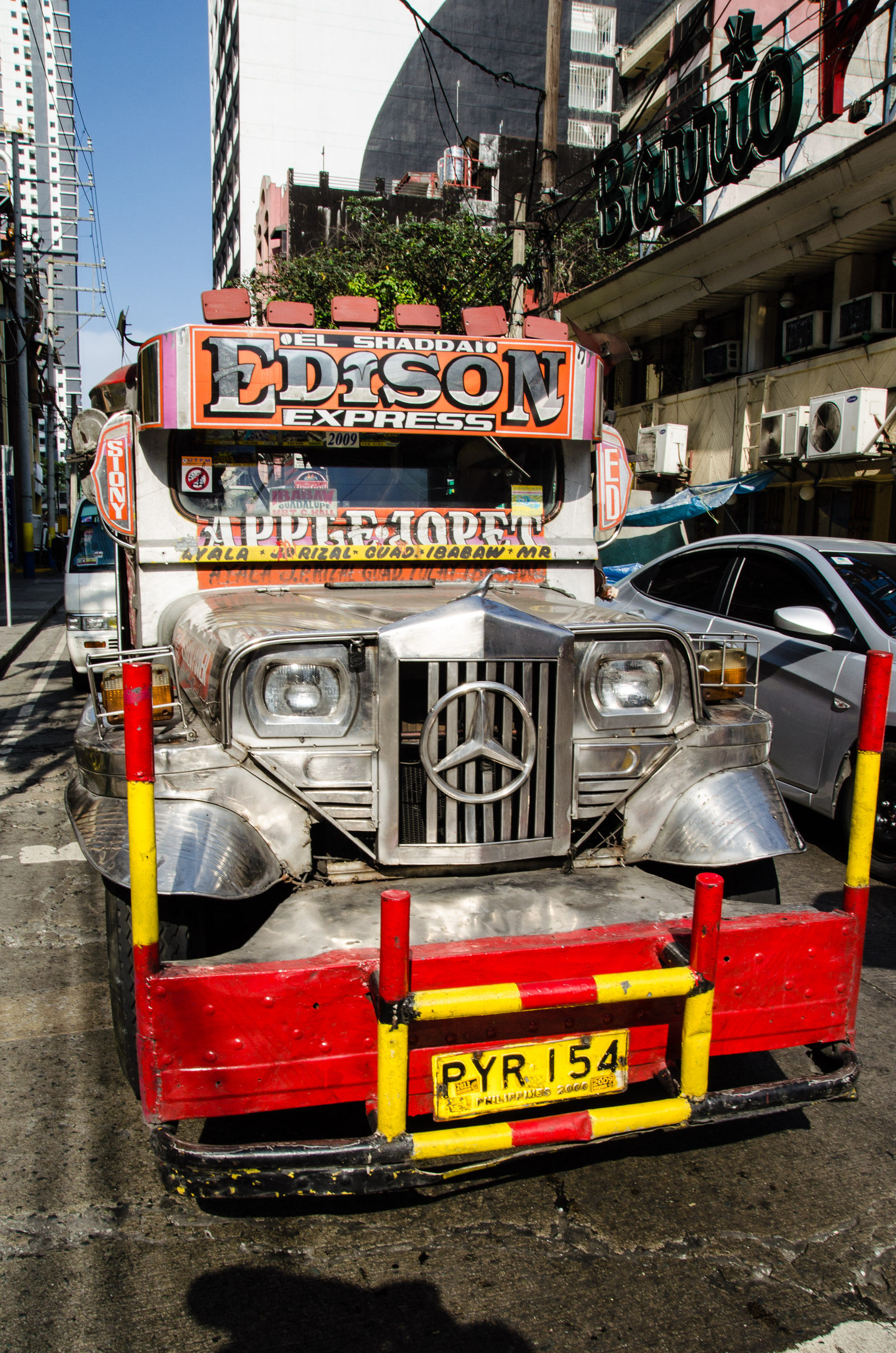
Suggested Changes in the Philippines: Sexual Harassment Measures Beyond the Office
Angie Evans, Washington, DC, SSH Blog Correspondent
Halfway through our trip to the Philippines, I forced myself to change. I didn’t have a near death experience or attend transcendental meditation. I questioned myself because I was looking around a strip club that doubled as a midget boxing ring and realized that I hadn’t looked any of the female servers in the eyes. Eye contact is the most important nonverbal human interaction we can have with one another and I was unconsciously refusing to participate because I was uncomfortable. I forced myself to stop and talk with the next server who walked by. Half naked, she sat next to me, relieved for a moment to rest her feet.
The Philippines is simultaneously known for two cultural norms: matriarchy and male-domination. Although Filipino women have maintained a higher level of status than many other countries in Asia because of bilateral kinship, women continue to demonstrate these dueling norms. Based on a Grant Thornton International Business Report, 40% of senior roles in the Philippines are filled by women and 7% of the CEO’s in the country are women[1]. Why then has 1 in 5 experienced violence at home and 30-40% sexually harassed in the workplace?[2]
Power is closely linked with physical and sexual violence. “Sexual harassment is a subtle rape, and rape is more about fear than sex,” said Dr. John Gottman, a psychologist at the University of Washington. “Harassment is a way for a man to make a woman vulnerable.” And street sexual harassment is not just an annoyance; it’s a degradation that slowly chips away at your safety and self-worth.
The sex industry in the Philippines is world-famous and accounts for nearly 40% of male tourism there.[3] The single biggest factor in a man, woman, or child entering the sex trade is poverty. And 1 in 5 families in the Philippines fall below the poverty line.[4] This means that a family of 5 makes less than $175 a month. In 2012, analysts estimated that these families need about 26% more income each month to get out of poverty. That’s only about $45 a month for us but it’s an impossible amount for many others.
It’s not surprising then that in a city like Manila, with so many powerful women and such high poverty, an entire empire of sexual subordination has grown. Some estimate that there are nearly 800,000 Filipino prostitutes[5]. For these women and men, this is a substantial income for their families – keeping them out of poverty and providing for a good chunk of the remittances that are sent back to the Philippines. The economic base of sex work cannot be denied so how then can Congress deny the need to make it minimally safe?
Many cited that women’s safety as the reason for passing the Anti-Sexual Harassment Act of 1995, the first of it’s kind in the country. Interestingly though, it makes no attempt to end street harassment or to make it better for women in their clearly growing sex industry. That is why after 18 years, many are calling for an expansion of the law.
National women’s groups, policy organizations, and a small group of unionized sex workers have each laid out measures that could strengthen the nation’s enforcement and protections against sexual harassment. The House and the Senate hasn’t pursued any of the suggested measures but my hope is that the Philippine government is able to humble itself and hear the plea from this diverse interest group. You never know what your impact will be when you pause your own habits.
[1] Grant Thornton International
[2] End Violence Against Women Now
[3] “Who is to blame for sex tourism?” Al Jazeera news
[4] The Philippine Statistics Authority
[5] Senator Pia Cayetano
Angie is a community organizer and social worker. Last year she quit her job to travel around the world with her husband. They have just returned and are continuing to write about travel and adventure at http://whereisseangie.com.