• About Us
    • What Is Street Harassment?
    • Why Stopping Street Harassment Matters
    • Meet the Team
      • Board of Directors
      • Past Board Members
    • In The Media
  • Our Work
    • National Street Harassment Hotline
    • International Anti-Street Harassment Week
    • Blog Correspondents
      • Past SSH Correspondents
    • Safe Public Spaces Mentoring Program
    • Publications
    • National Studies
    • Campaigns against Companies
    • Washington, D.C. Activism
  • Our Books
  • Donate
  • Store

Stop Street Harassment

Making Public Spaces Safe and Welcoming

  • Facebook
  • Instagram
  • Pinterest
  • Tumblr
  • Twitter
  • YouTube
  • Home
  • Blog
    • Harassment Stories
    • Blog Correspondents
    • Street Respect Stories
  • Help & Advice
    • National Street Harassment Hotline
    • Dealing With Harassers
      • Assertive Responses
      • Reporting Harassers
      • Bystander Responses
      • Creative Responses
    • What to Do Before or After Harassment
    • Street Harassment and the Law
  • Resources
    • Definitions
    • Statistics
    • Articles & Books
    • Anti-Harassment Groups & Campaigns
    • Male Allies
      • Educating Boys & Men
      • How to Talk to Women
      • Bystander Tips
    • Video Clips
    • Images & Flyers
  • Take Community Action
  • Contact

Brazil: Virtual engagement and perceptions about violence

April 28, 2018 By Correspondent

Yasmin Curzi, Rio de Janeiro, Brazil, SSH Blog Correspondent

In order to address sexual violence, the first and necessary step is to identify what is violence. This involves the engagement of government and civil society as a whole.

In 2013, Avon Institute launched a report showing that some violent behaviors are not seen as such. Even though 52 million Brazilian men acknowledged what constitutes domestic abuse or violence against a female partner, 9.4 million admitted that they committed violence in their own personal relations. This study also showed that when the violence is detailed, the positive answers of respondents increases, meaning that there are some kinds of behaviors that are not comprehended as being violent by their perpetrators.

Another contradiction is the fact that 41% of Brazilian population knows a man that was violent with at least one of his female partners. However, only 16% admitted that they were violent with the actual or ex-partner and 12% admitted violence against the current female partner. The most common type of violence that appeared in the report was verbal insult, with 53% of the men admitting to it. This data can have a bias since it’s generally not as shocking as forcing the partner to have sex, what only 2% of the male respondents admitted to have done.

The report also shows that there’s no differentiation of class when it comes to general violence against women. Even though poor and Black women suffer with more lethal and sadist behaviors, around 50% of the male-respondent in every social class (high, medium and low) admitted that they had committed violence.

Male-respondents also affirm that the violence perpetrated by them weren’t isolated cases: 87% of the men who had once insulted their female partner, insulted them more than once, and the average is that it happens around 21 times per man; also, 74% of the men who had once forced sex, forced it more than once, and it happens around 5 times per man on average. Another shocking data point is that 37% of male respondents said that the law against domestic abuse makes them disrespect women more.

The importance of social engagement to stop violence against women is evident when we see that violent men have grown with abuse in their homes. Traditional roles, therefore, are their references. Male socialization is violent and often boys are taught not to show their emotions, except anger. Family and school are often environments that enhance toxic masculinity. The majority of the male respondents don’t see in their fathers a figure of care (only 14%), but only in their mothers (74%). Also 81% of the men who committed violence were beaten in their childhood.

The Internet creates the possibility for the victims to express their individual stories of abuse and violence. This is a big step for transforming culture since most violent behaviors are not seen as such, neither by the perpetrators nor by the victims, as the report shows.

Communicating with others makes it clear that an experience of violence is not an individual experience. When other women say that they have suffered with similar experiences, it changes other victims’ perception of that reality. I think that the most important thing is that they stop thinking that the situation that occurred to them was their fault, and instead, they start to see that there are many other stories like theirs and that it may be part of a larger structure. Their particular case starts to be seen as a collective issue. This is true of all forms of violence, from domestic abuse to street harassment.

But for the last step to be fulfilled, it’s inherently necessary that the public institutions take women’s issues seriously. Women must be listened to in order to change the perceptions of what is “publicly relevant” in policy-makers’ agendas.

Yasmin is a Research Assistant at the Center for Research on Law and Economics at FGV-Rio. She has a Master’s Degree in Social Sciences from PUC-Rio where she wrote her thesis on street harassment and feminists’ struggles for recognition. 

Share

Filed Under: correspondents

USA: Intimate Partner Violence and Female Homicide Rates

April 26, 2018 By Correspondent

Patrick Hogan, Chicago, IL, USA, SSH Blog Correspondent

Domestic violence and intimate partner violence are certainly heinous situations. Many victims manage to liberate themselves from such horrid partnerships, others remain trapped in continued victimization. Others still die at the hands of their partner.

The Centers for Disease Control and Prevention’s (CDC) National Intimate Partner and Sexual Violence Survey states that “About 1 in 4 women (24.3%) and 1 in 7 men (13.8%) have experienced severe physical violence by an intimate partner (e.g., hit with a fist or something hard, beaten, slammed against something) at some point in their lifetime.” It also states that “1 in 6 women and 1 in 19 men in the U.S. have experienced stalking at some point in their lives in which they felt very fearful or believed that they or someone close to them would be harmed or killed”.
How likely is it that these fears come to fruition? According to a different CDC study, very — “nearly half of [female victims of homicide] victims are killed by a current or former male intimate partner.”

You read that right: nearly half of all woman murdered in the United States are killed by an intimate partner.

Escaping domestic violence situations is often easier said than done. Economic status, housing status, parenthood, manipulation, danger and a variety of other factors make escaping domestic violence a difficult task. Even leaving an abusive or dangerous partnership can lead to issues, as stalking (as mentioned above) and angry outbursts may be a violent partner’s reaction. Attempting to leave a violent situation may not only be economically difficult, but may spur the violent partner to violence. What, then, can be done to end the epidemic of intimate partner violence?

Unfortunately, the answer is not simple; fortunately, it is not impossible. The response must be holistic, attempting to end existing violence, help victims, and prevent future violence. The CDC offers “scientifically credible” steps that can be taken: “addressing the beliefs, attitudes and messages that are deeply embedded in our social structures and that create a social climate that condones sexual violence, stalking, and intimate partner violence. One way is through norms change”.

Changing societal norms is much easier said than done, but can be done. In her “Intimate Partner Violence: Causes and Prevention,” researcher Rachel Jewkes writes: “two factors seem to be necessary in an epidemiological sense: the unequal position of women in a particular relationship (and in society) and the normative use of violence in conflict. Without either of these factors, intimate partner violence would not occur”.

That is, gender equality and peaceful conflict resolution-strategies, if implemented, could greatly reduce intimate-partner violence. Children who are taught to settle conflict primarily with violence can be conditioned to continue to use violence as a problem-solving strategy. If women are still less-than equal in society, they can be more susceptible to violence. Thus, while many strategies have been, and need to be employed further, one strategy that is severely over-looked is education.

Educated individuals are more likely to have access to resources (health, legal, financial, social) that can prevent violence, and early education that encourages dialogue and non-violent problem solving can condition people to avoid violence. Violent tendencies can be learned: so can non-violent ones. “Education is of course not a silver bullet to fix a complex societal issue, but it is a often-neglected step. A UK organization, Refuge, states that: “Just 13 per cent of the young women questioned said they had learned about domestic violence when they were at school. Nearly 70 per cent of the young people said that they would have liked to have had lessons about domestic violence. Almost all those questioned said that domestic violence was as important, if not more important, than lessons on drugs and alcohol, sex and relationships education and the environment”.

Discussing intimate partner violence is taboo, and school sex-education classes seldom discuss the issue. This is an issue that should not be hidden; if it is to be solved it must be talked about, taught about, and addressed head-on.

Intimate partner violence, sexism, street harassment: these are all related in a societal disease that accepts (or at least ignores) these behaviors. Soraya Chemaly wrote for the Washington Post, “[street harassment] is a negative and costly phenomenon and part of a broader tolerance for a spectrum of gender-based violence. In the U.S., one in five women are raped, almost one in three women live with intimate partner violence, and three are killed every day by male partners.”

There are some who say street harassment is essentially harmless, or even intended to be flattering. This is not the case, however. No, instead street harassment is a public sign of a dangerous norm—a norm that allows for sexism and violence. A norm that must be dismantled.

Patrick is an undergraduate student majoring in anthropology and minoring in Islamic World Studies at Loyola University Chicago, preparing to continue onto law and graduate school. He is particularly interested in legal anthropology and the ways victims are viewed by legal systems.

Share

Filed Under: correspondents

Google Launches ME TOO RISING

April 18, 2018 By HKearl

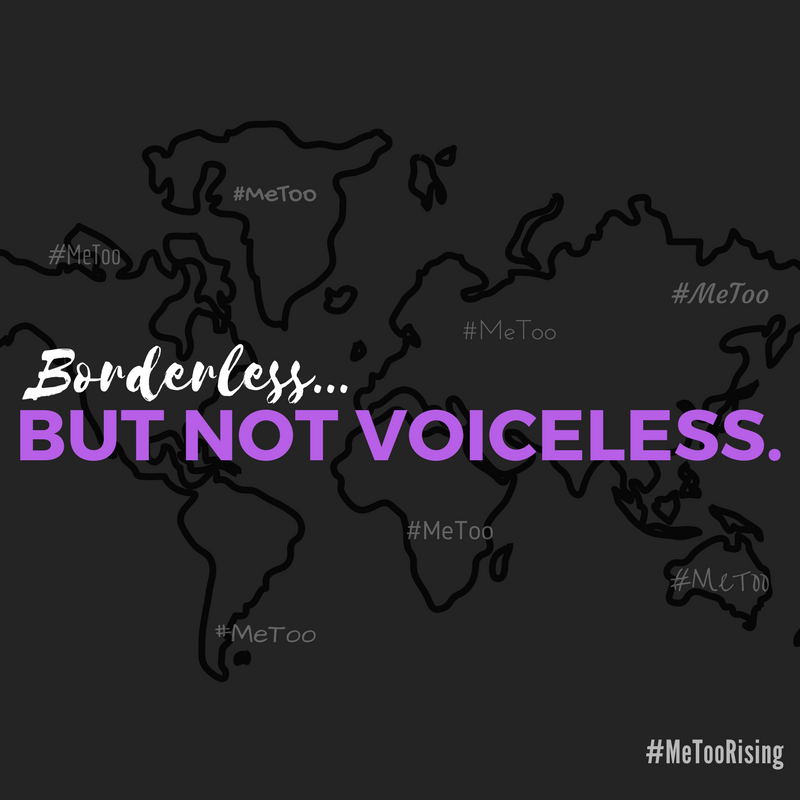
JUST LAUNCHED!! ME TOO RISING (g.co/metoorising) is a visualization of the global Me Too movement through Google Trends data.

On the site, users can explore global interest in the Me Too movement and watch as consciousness spreads over time. Users can see the cities where Me Too was trending on different dates, learn what’s happening now at local levels with city-specific Google Search results for “Me Too,” and access sexual assault resources.

Stop Street Harassment is proud to have given input on this platform and to be included as a resource. You’re not alone! #MeToo.

Share

Filed Under: Resources

Thank You! Anti-Street Harassment Week 2018

April 17, 2018 By HKearl

UPDATE: Here’s the Wrap-Up Report!

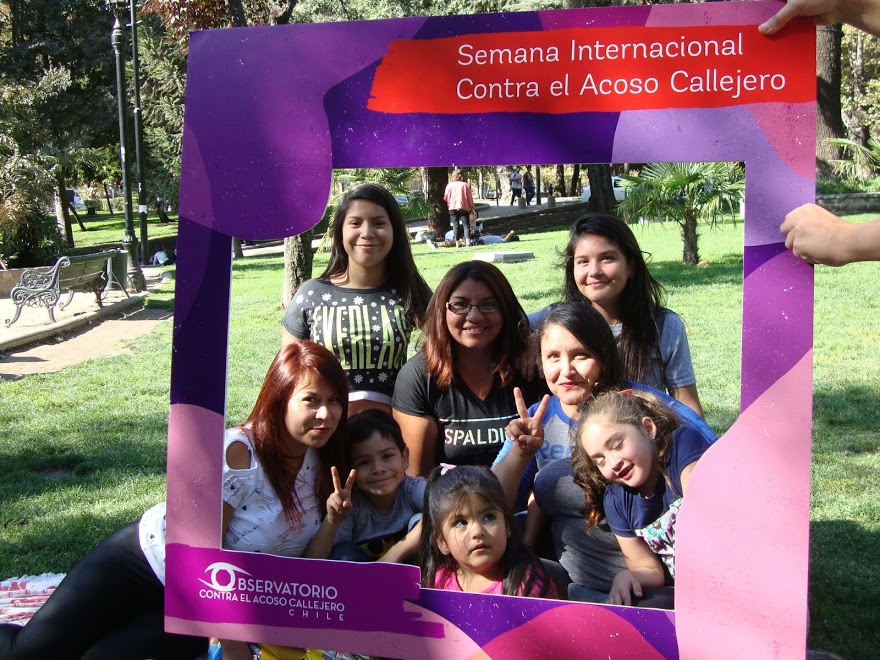
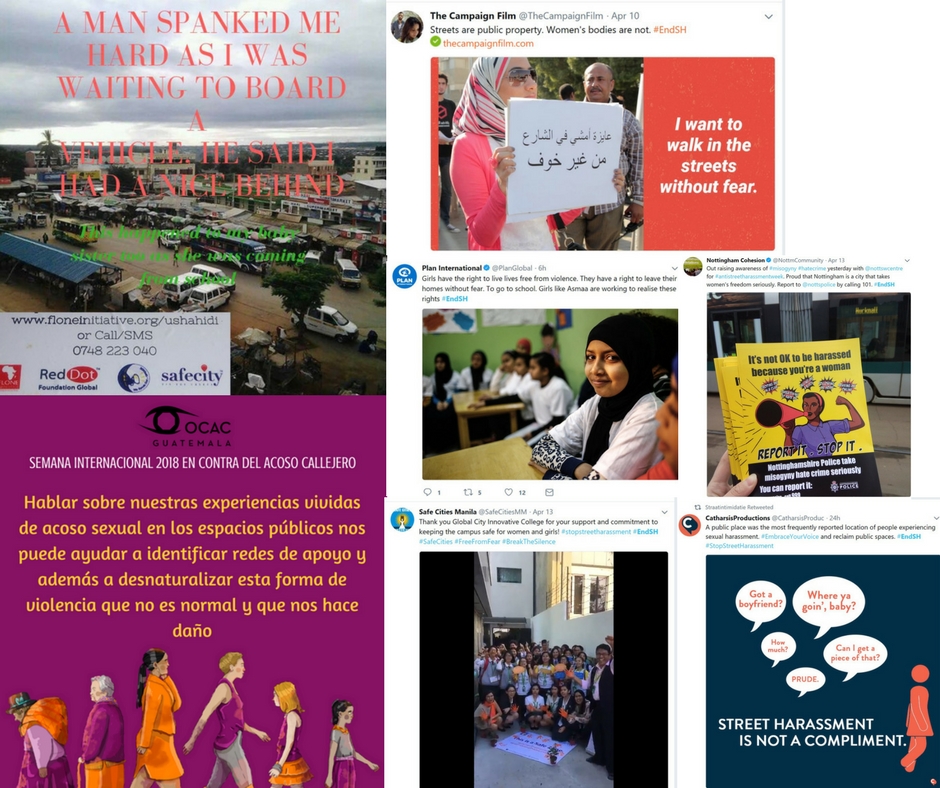
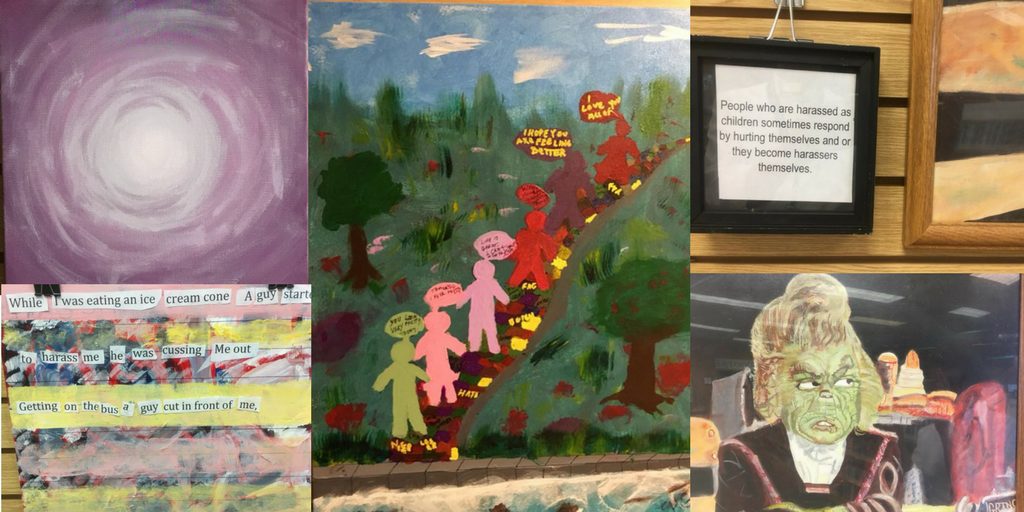
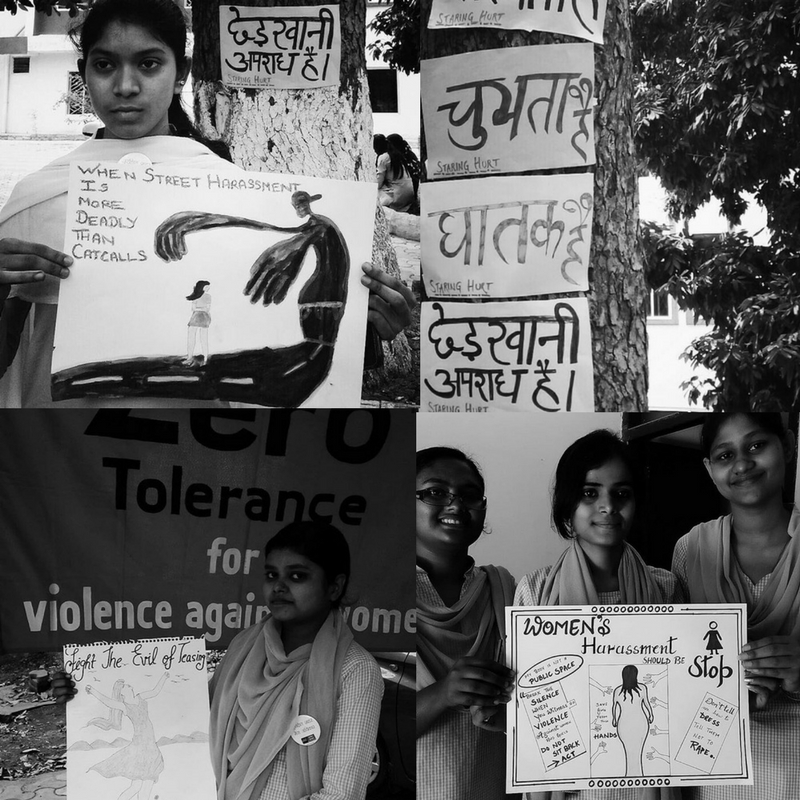
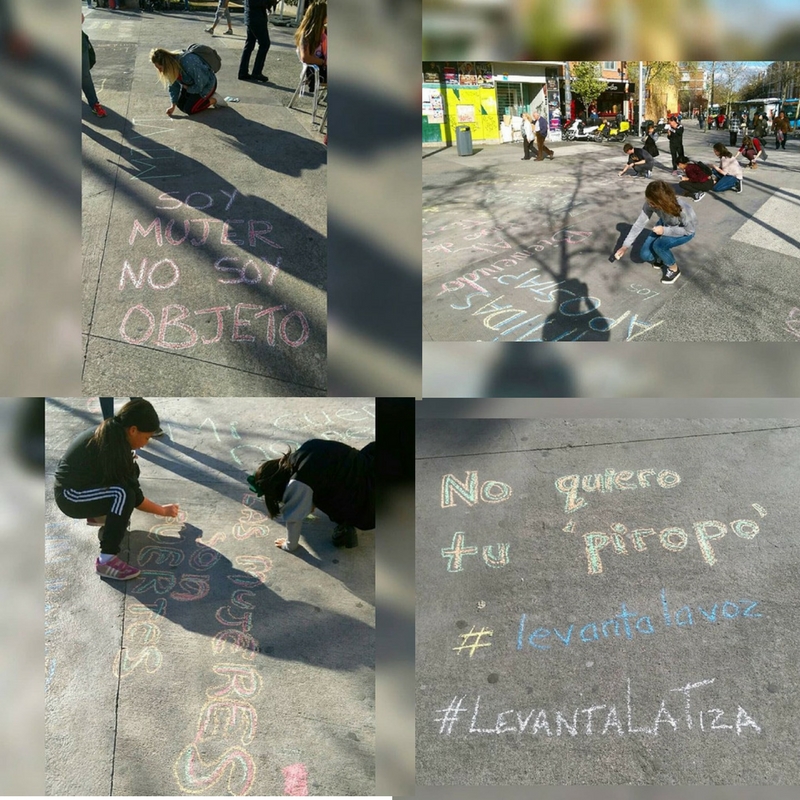
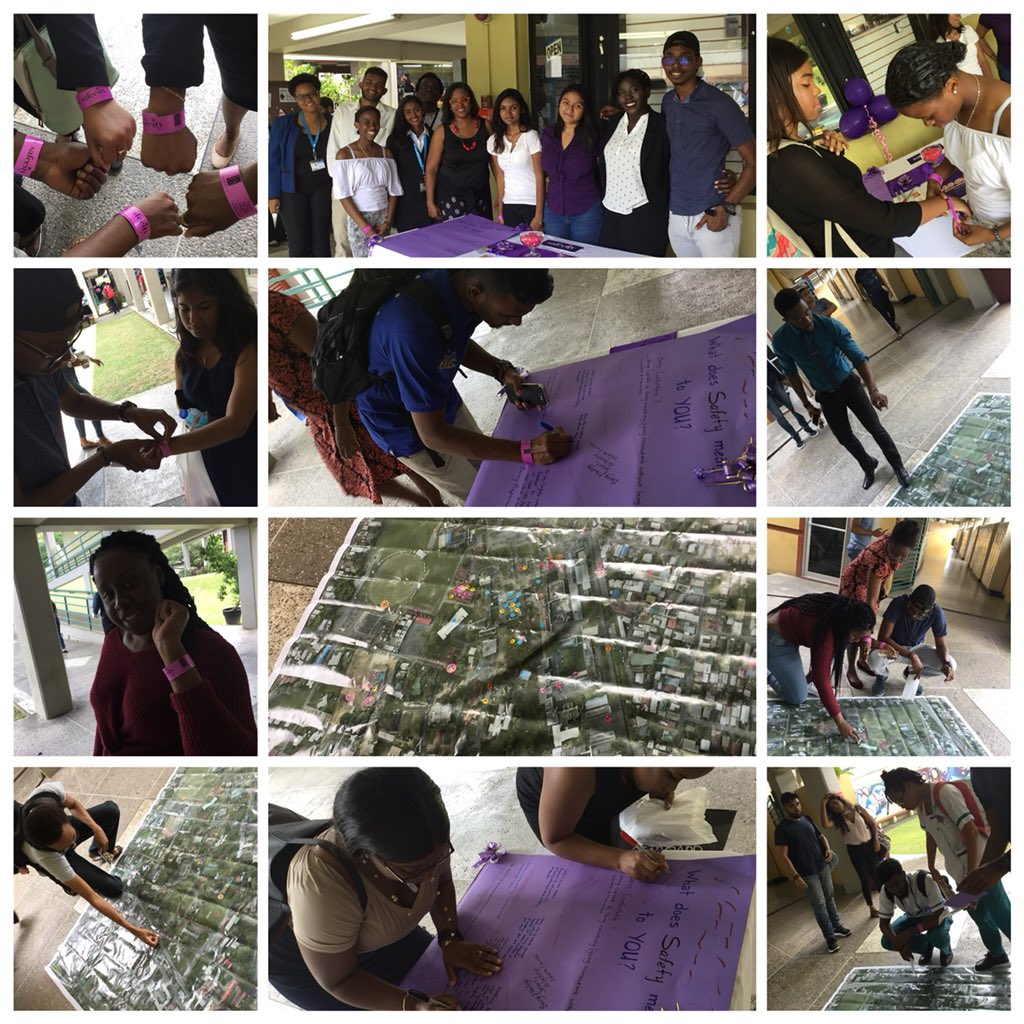
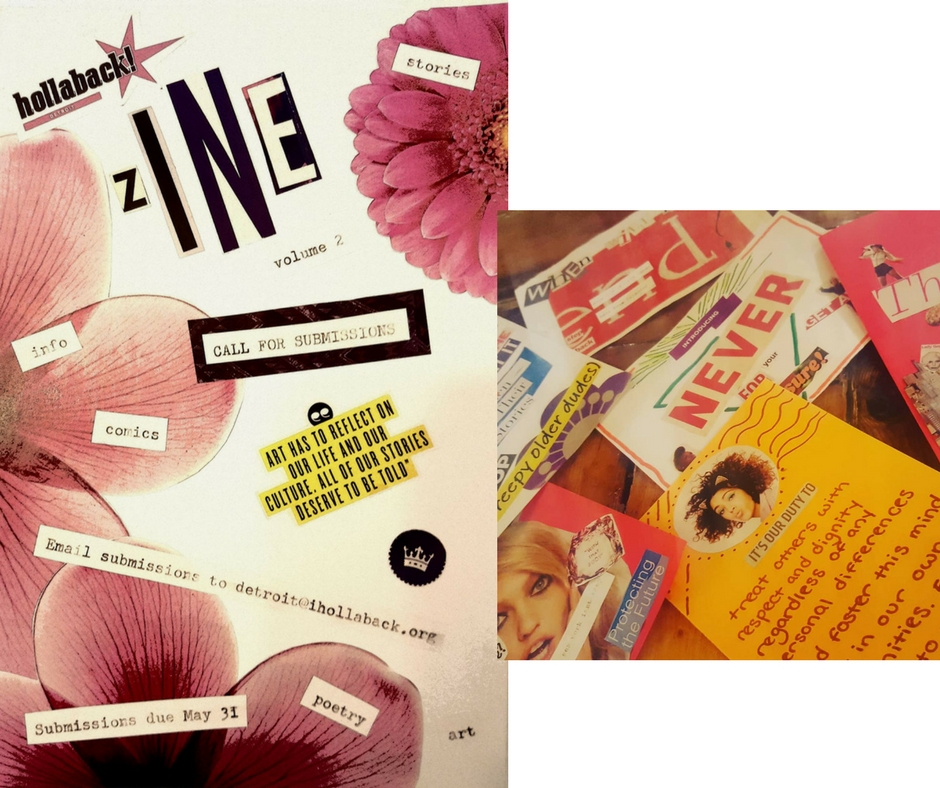
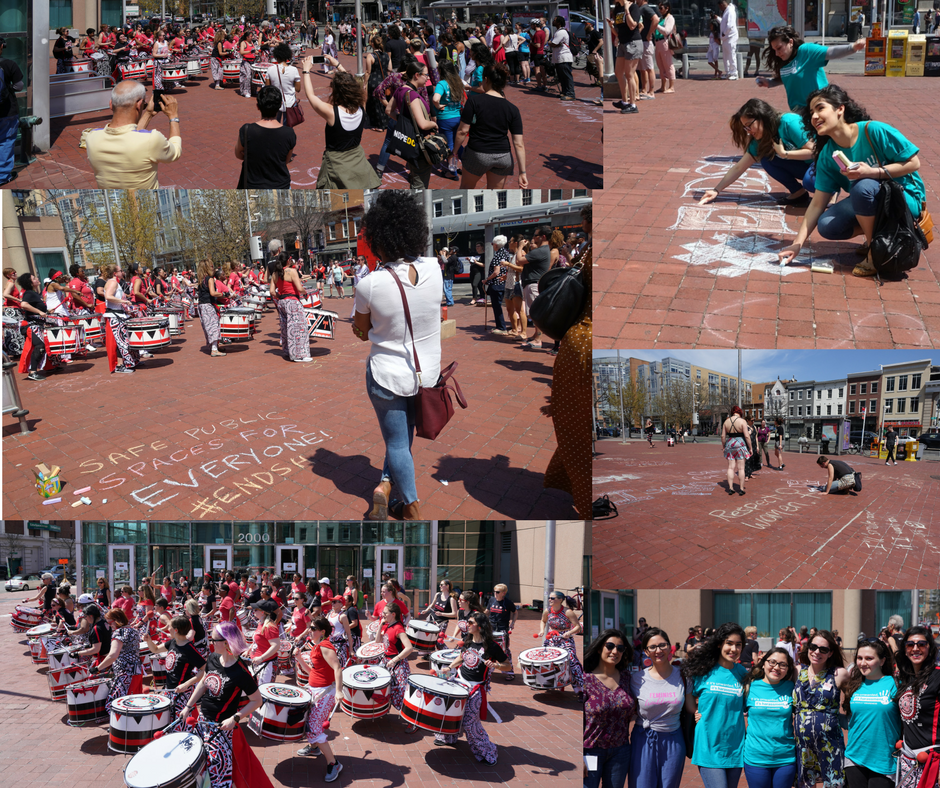
Thank you so much to everyone who took part in the 8th annual International Anti-Street Harassment Week! There were around 100 groups and organizations from 38 countries that took action! From marches to rallies to workshops to chalking to online campaigns and media interviews, thanks to YOU, millions of people were made more aware about why street harassment is a problem that we must take seriously to end.

DAILY HIGHLIGHTS:

You can read highlights from each day (with photos) on our blog and see the photo album.

  • Day 1
  • Day 2
  • Day 3
  • Day 4
  • Day 5
  • Day 6/7
  • Bonus day

WHAT DID YOU DO?

I’m creating the annual wrap-up report — please help out by completing this form so your actions can be captured. If you haven’t already e-mailed me photos (stopstreetharassment@gmail.com) or tagged SSH in your photos, please do so!

SAVE THE DATE:
Next year the Week will be held from April 7-13, 2019!

Please keep in touch and let SSH know if we can collaborate with or help promote your initiatives and efforts this year!

-Holly

Share

Filed Under: anti-street harassment week

Bonus Day: Anti-Street Harassment Week 2018

April 16, 2018 By HKearl

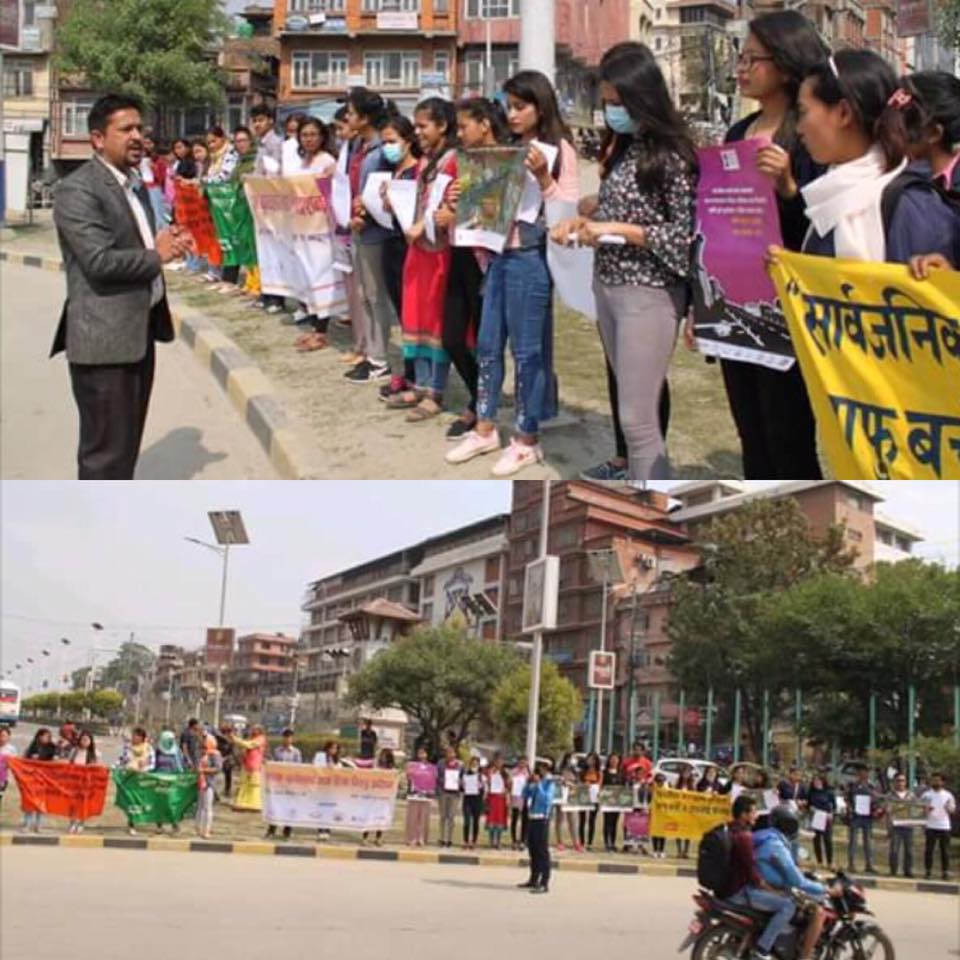
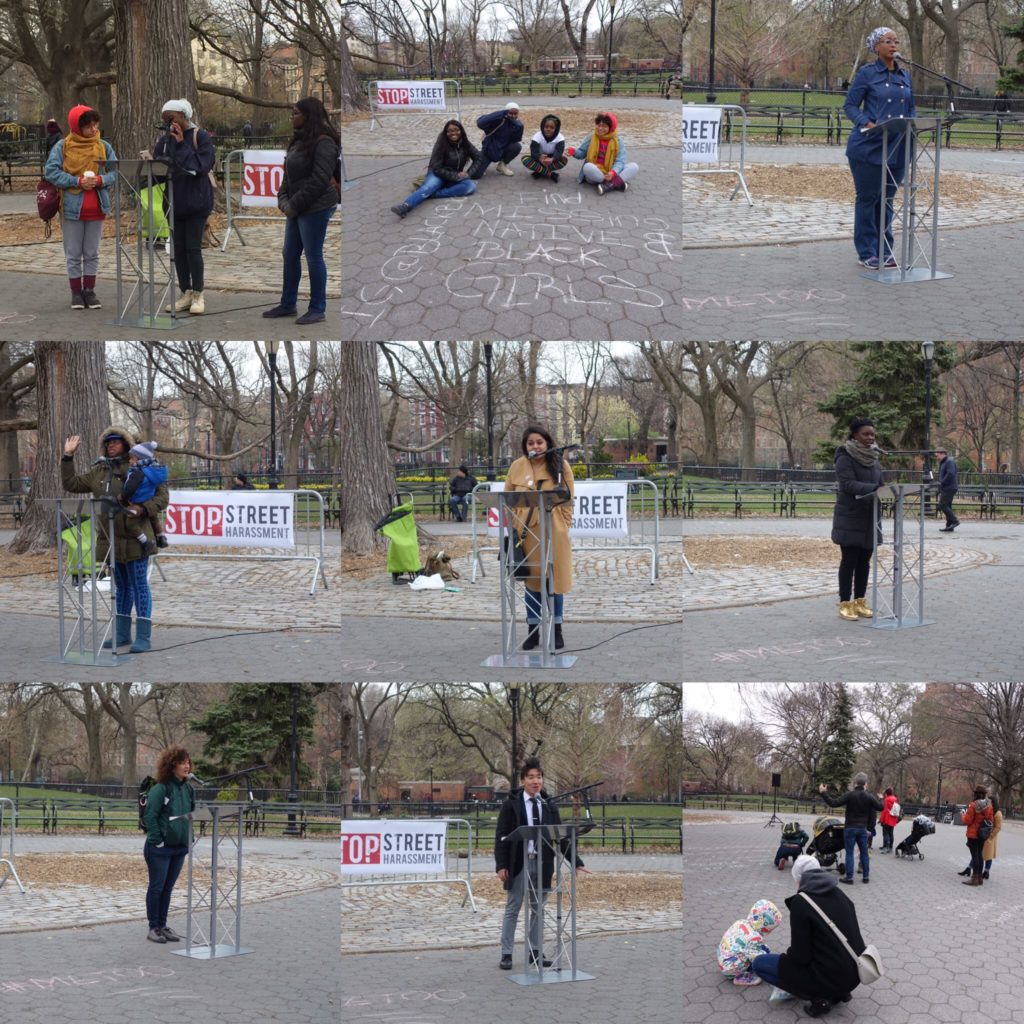
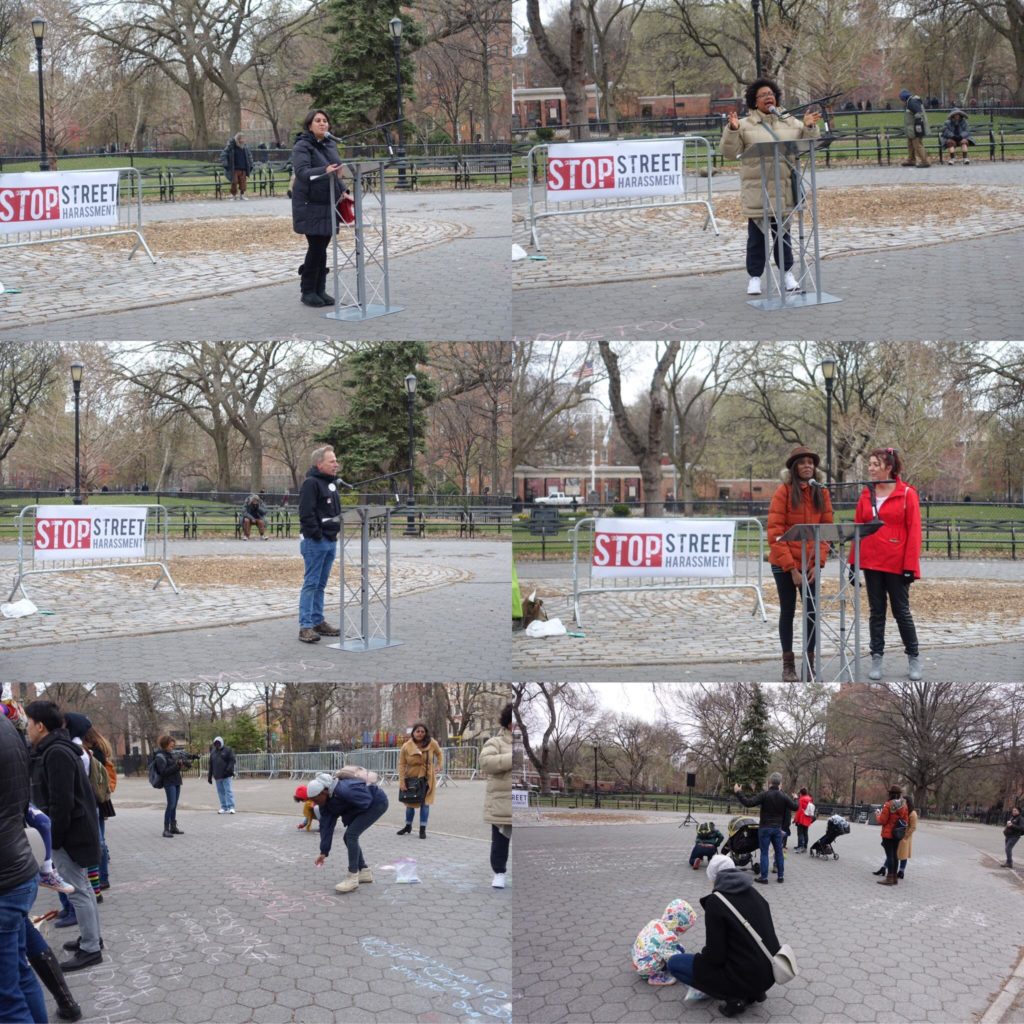
This year, International Anti-Street Harassment Week stretched out to one more day in a few places, namely in Kathmandu, Nepal, where Youth Advocacy Nepal led a coalition of groups in a demonstration against street harassment, and in New York City, USA, where we partnered with various local organizations to hold a rally and chalking. Thank you to everyone who participated!


Share

Filed Under: anti-street harassment week, street harassment

« Previous Page
Next Page »

Share Your Story

Share your street harassment story for the blog. Donate Now

From the Blog

  • #MeToo 2024 Study Released Today
  • Join International Anti-Street Harassment Week 2022
  • Giving Tuesday – Fund the Hotline
  • Thank You – International Anti-Street Harassment Week 2021
  • Share Your Story – Safecity and Catcalls Collaboration

Buy the Book

Search

Archives

  • September 2024
  • March 2022
  • November 2021
  • April 2021
  • March 2021
  • January 2021
  • April 2020
  • March 2020
  • February 2020
  • December 2019
  • November 2019
  • September 2019
  • August 2019
  • July 2019
  • June 2019
  • May 2019
  • April 2019
  • March 2019
  • February 2019
  • January 2019
  • December 2018
  • November 2018
  • October 2018
  • September 2018
  • August 2018
  • July 2018
  • June 2018
  • May 2018
  • April 2018
  • March 2018
  • February 2018
  • January 2018
  • December 2017
  • November 2017
  • October 2017
  • September 2017
  • August 2017
  • July 2017
  • June 2017
  • May 2017
  • April 2017
  • March 2017
  • February 2017
  • January 2017
  • December 2016
  • November 2016
  • October 2016
  • September 2016
  • August 2016
  • July 2016
  • June 2016
  • May 2016
  • April 2016
  • March 2016
  • February 2016
  • January 2016
  • December 2015
  • November 2015
  • October 2015
  • September 2015
  • August 2015
  • July 2015
  • June 2015
  • May 2015
  • April 2015
  • March 2015
  • February 2015
  • January 2015
  • December 2014
  • November 2014
  • October 2014
  • September 2014
  • August 2014
  • July 2014
  • June 2014
  • May 2014
  • April 2014
  • March 2014
  • February 2014
  • January 2014
  • December 2013
  • November 2013
  • October 2013
  • September 2013
  • August 2013
  • July 2013
  • June 2013
  • May 2013
  • April 2013
  • March 2013
  • February 2013
  • January 2013
  • December 2012
  • November 2012
  • October 2012
  • September 2012
  • August 2012
  • July 2012
  • June 2012
  • May 2012
  • April 2012
  • March 2012
  • February 2012
  • January 2012
  • December 2011
  • November 2011
  • October 2011
  • September 2011
  • August 2011
  • July 2011
  • June 2011
  • May 2011
  • April 2011
  • March 2011
  • February 2011
  • January 2011
  • December 2010
  • November 2010
  • October 2010
  • September 2010
  • August 2010
  • July 2010
  • June 2010
  • May 2010
  • April 2010
  • March 2010
  • February 2010
  • January 2010
  • December 2009
  • November 2009
  • October 2009
  • September 2009
  • August 2009
  • July 2009
  • June 2009
  • May 2009
  • April 2009
  • March 2009
  • February 2009
  • January 2009
  • December 2008
  • November 2008
  • October 2008
  • September 2008
  • August 2008
  • July 2008
  • June 2008
  • May 2008

Comment Policy

SSH will not publish any comment that is offensive or hateful and does not add to a thoughtful discussion of street harassment. Racism, homophobia, transphobia, disabalism, classism, and sexism will not be tolerated. Disclaimer: SSH may use any stories submitted to the blog in future scholarly publications on street harassment.
  • Contact
  • Events
  • Join Us
  • Donate
  • Facebook
  • Instagram
  • Pinterest
  • Tumblr
  • Twitter
  • YouTube

Copyright © 2026 Stop Street Harassment · Website Design by Sarah Marie Lacy