After a successful first year in 2013, I’m excited to announce the first Blog Correspondents cohort of 2014!
They will write monthly articles about street harassment in their community & activism efforts through April.
 Andrea Ayres-Deets, San Francisco, CA, USA
Andrea is interested in four things: intersectional feminism, checking privilege, cats, and space. Okay, so there are a lot more things she’s interested in, but there’s only time for so many. Originally from Chicago, she recently moved to San Francisco with her husband and cat. Before writing for SSH, she worked as a politics intern at PolicyMic and field organizer. She currently consults with startups in the SF area on content and how to better engage users. You can follow her on twitter: @missafayres or check out her website ayres-deets.com.
Rocío Andrés, Edinburgh, Scotland, UK
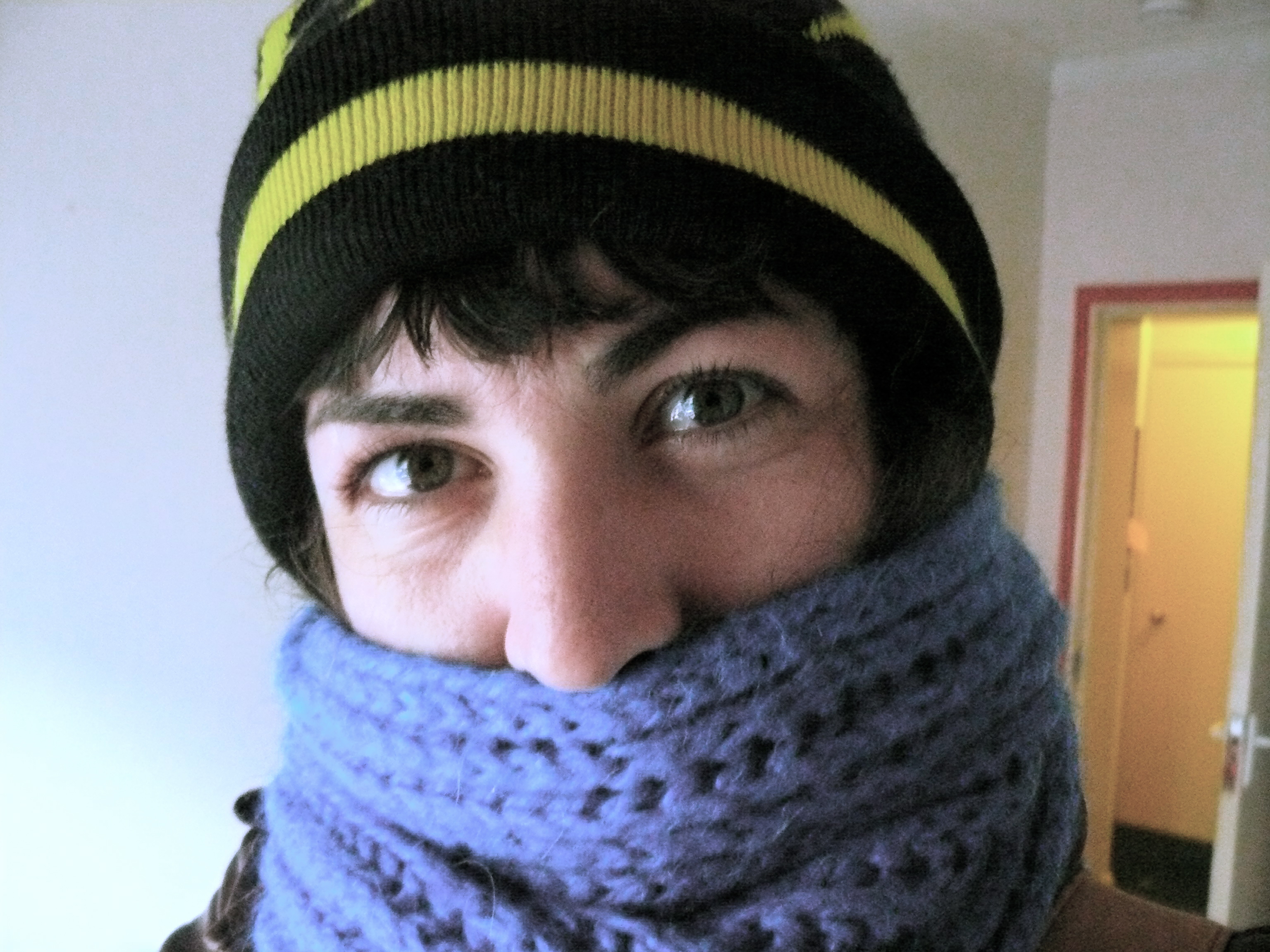 Rocío holds a Bachelor´s degree in Audiovisual Communication, History of Art (both Universidad Complutense de Madrid, Spain) and a Master´s in Education (Universidad Rey Juan Carlos, Spain, 2010). She has six years experience as a TV and advertising producer. Most recently, she has been working as an English, Spanish and Secondary teacher in different countries. Today, she is based in Edinburgh as a nursery teacher and collaborates with an online magazine. Her interest in sexual harassment started through personal research on the Egyptian Arab Spring and then through profound and careful readings of gang rapes in Tahrir Square and its media coverage. She will soon write a thesis on it. She has a great passion for Egyptian women´s fight against sexual harassment and, extensively, for all women around the world against sexual violence. Since then, she also wants to fight. Follow her on Twitter, @ioandres.
Heather Frederick, Austin, TX, USA
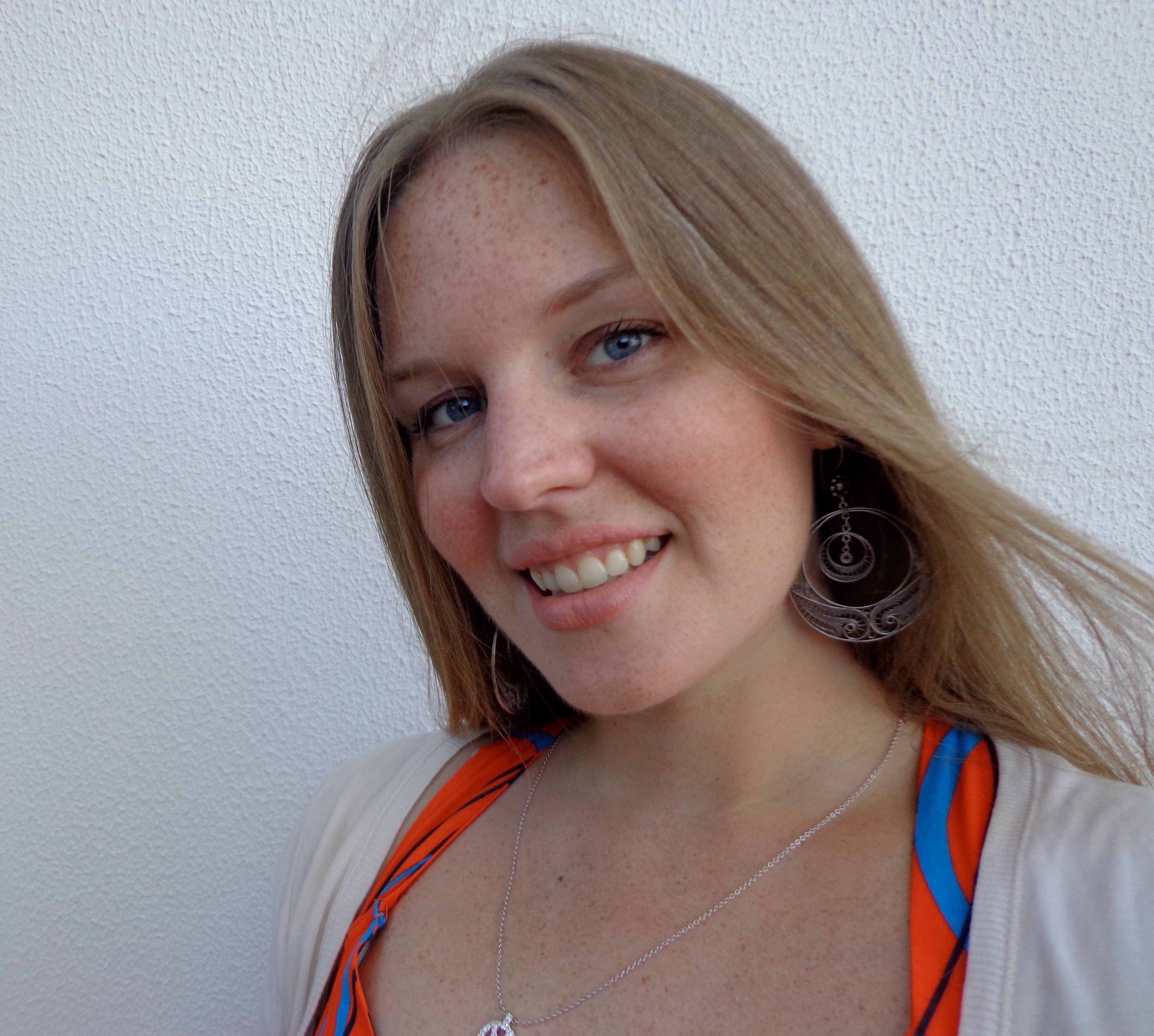 Heather has been dedicated to working for the human rights of all people since she was in high school. While earning her BA in Women’s Studies, Spanish and Linguistics at San Diego State University she was active with the National Organization for Women and VOX: Voices for Planned Parenthood. At the UN-Mandated University for Peace in Costa Rica, where she earned her MA in Gender & Peacebuilding, Heather participated in the Vagina Monologues and organized the university’s first Clothesline Project to raise awareness of gender-based violence. She currently works to end IPV as a Supervisor for The National Dating Abuse Helpline, www.loveisrespect.org. Her passions include intersectional feminism, reproductive justice, languages, travel, blogging at www.FeministActivism.com (@FeministSNVA) and bringing an end to human rights abuses.
Pallavi Kamat, Mumbai, India
 Pallavi is a qualified Chartered Accountant and a Commerce Graduate from the University of Mumbai, India, with around 12 years of experience working in the corporate sector. Currently, she is working in the Credit Department of a new generation private sector bank. She is passionate about life, books, movies, music and friends. She is proud to declare that she has been a feminist as far as she can remember. She can be found blogging about various issues, specifically books and movies, at www.pallosworld.blogspot.in. She openly rants about issues on Twitter, @pallavisms.
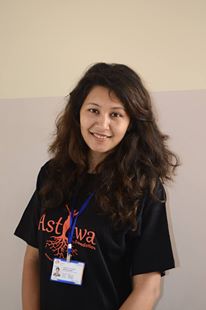 Kriti Khatri, Bhaktapur, Nepal
Kriti is student of MSc chemistry. She is engaged in different social organization in Nepal and has undertaken different responsibilities for conducting projects like awareness campaign on menstrual health, women literacy and entrepreneurship etc. Currently she is working on anti-street harassment issues in Nepal with the Astitwa Foundation. She enjoys expressive writings and works as a web content writer as a profession. She writes and researches stories for astiwa.com where she emphasizes women’s voices which are suppresses by social prejudice. She loves the idea of volunteerism and she envisions a society where every human being, despite their gender, social and racial identity, can be able to live a prosperous, equal and respectful life as a global citizen. Find more of her writing on her blog.
Katie Monroe, Philadelphia, PA, USA
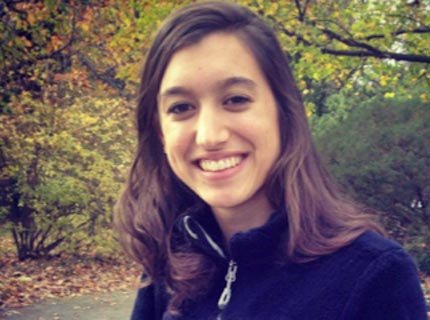 Katie is passionate about the intersection between gender equality and active transportation (biking and walking). A graduate of Haverford College with a BA in Anthropology / Concentration in Gender and Sexuality Studies, she works to create inclusive spaces within the bicycling movement. She founded the Women Bike PHL campaign at the Bicycle Coalition of Greater Philadelphia in 2013 to make riding a bicycle more fun and feasible for Philadelphia women of all ages and backgrounds. She also works at the Philly nonprofit Gearing Up, which gives some of Philadelphia’s most marginalized women – those in transition from incarceration, addiction, and/or abuse – the opportunity to ride bicycles for exercise, transportation, and personal growth. She loves biking and walking in Philadelphia and hopes for a day when street harassment isn’t such a daily part of the experience. Follow her on Twitter, @cmon_roe.
Brittany Oliver, Baltimore, MD, USA
 Brittany is a recent graduate of Towson University and holds a B.S in Mass Communications with a focus in Public Relations. She is an advocate and thought leader for civic and societal issues related to feminism, social justice and civil rights. Brittany works in the non-profit communications sector and supports local anti-street harassment advocacy through Hollaback! Baltimore. She is also an organizer for One Billion Rising 2014 and is an avid volunteer within in community. Her goal in writing for SSH is to educate people about the harassment that takes place on the streets of Baltimore, which she’s experienced her whole life. Her offline activities include salsa dancing, arts & crafts, reading and attending local community events. She blogs at brittuniverse.wordpress.com and publicly rants on Twitter, @btiara3
Jeanette R, Irvine, CA, USA
Jeanette is a recent university graduate with a lifelong passion for social justice and change. She is particularly interested in issues of gender, human rights, race, equality, and immigration. She has had a lifelong love affair with writing as not only a creative medium, but also as a powerful tool for socially transformative change and advocacy. She is very excited about helping advance the mission of SSH in creating safe, harassment-free spaces for all people.
Joe Samalin, New York City, NY, USA
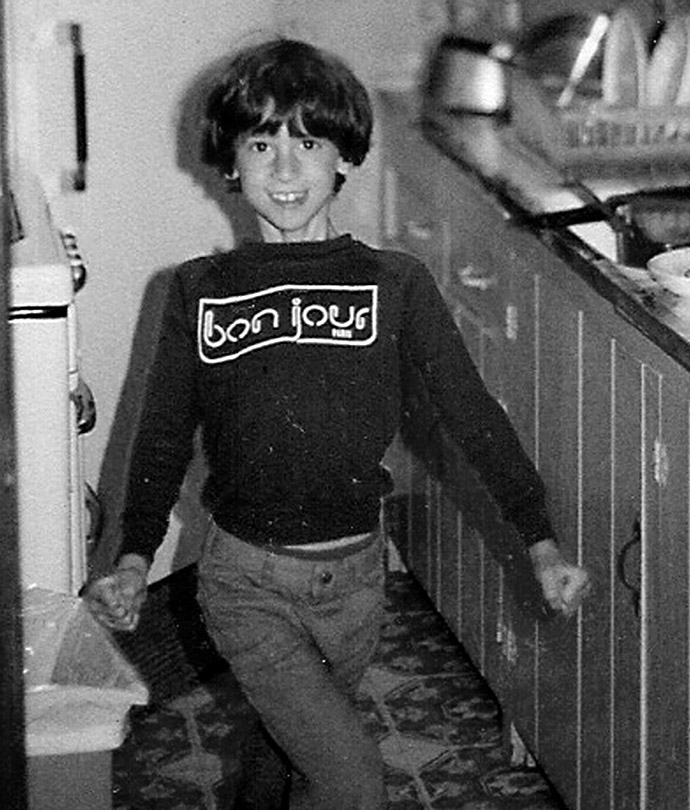 Joe Samalin has been addressing gender-based violence for over 15 years, starting as a student activist. Based in NYC, he was the Training and Technical Assistance Coordinator for Men Can Stop Rape, a trainer for the Anti-Stalking Program at Safe Horizon, co-facilitated a program for abusive teen partners, and lived in Japan for four years and examined gender-based violence and rape culture there. Additionally he has been an assistant chef, professional archaeologist, and made origami window displays for local shops at Christmas-time in high school. In March 2012 he co-created and directed ‘Sh*t Men Say To Men Who Say Sh*t To Women On The Street’, a YouTube video modeling men interrupting street harassment of women and girls which subsequently won a CDC award for Injury and Violence Prevention. He is currently the Outreach and Training Manager for the Disaster Distress Helpline and is examining among other things gender-based violence in the aftermath of disasters. Follow him on Twitter, @joesamalin.
Sandria M. Washington, Chicago, IL, USA
 Sandria is a writer, health/wellness ambassador and community activist. The University of Illinois Urbana-Champaign graduate (B.S. Advertising, ’02) has a passion for empowering girls and women, philanthropy and her personal development (i.e., constantly doing or learning something to help live her best life EVER!). She is a longtime volunteer with several local and national organizations and has facilitated programs/workshops for The Metropolitan Board of the Chicago Urban League, Young Women’s Leadership Charter School and Illinois Caucus of Adolescent Health. During 2012-2013, she served as a GirlTrek Harriet Tubman Trailblazer Fellow and continues to advocate for the health of Black women and girls as a Chicago City Rep. Sandria is a concert junkie, award-winning natural hair model, loving mommy to two kittens she rescued in the park – Dharma and Cozy – and certified yoga teacher. Read her ChicagoNow blog and follow her on Twitter @SandriaWrites.



 It’s worth noting that media promotes these roles. Men’s masculinity revolves around having women. Not loving them or connecting with them, but obtaining them and getting them to do what they want. Women in films are frequently seen as having their lives revolve around men. Despite how ridiculously simple the