• About Us
    • What Is Street Harassment?
    • Why Stopping Street Harassment Matters
    • Meet the Team
      • Board of Directors
      • Past Board Members
    • In The Media
  • Our Work
    • National Street Harassment Hotline
    • International Anti-Street Harassment Week
    • Blog Correspondents
      • Past SSH Correspondents
    • Safe Public Spaces Mentoring Program
    • Publications
    • National Studies
    • Campaigns against Companies
    • Washington, D.C. Activism
  • Our Books
  • Donate
  • Store

Stop Street Harassment

Making Public Spaces Safe and Welcoming

  • Facebook
  • Instagram
  • Pinterest
  • Tumblr
  • Twitter
  • YouTube
  • Home
  • Blog
    • Harassment Stories
    • Blog Correspondents
    • Street Respect Stories
  • Help & Advice
    • National Street Harassment Hotline
    • Dealing With Harassers
      • Assertive Responses
      • Reporting Harassers
      • Bystander Responses
      • Creative Responses
    • What to Do Before or After Harassment
    • Street Harassment and the Law
  • Resources
    • Definitions
    • Statistics
    • Articles & Books
    • Anti-Harassment Groups & Campaigns
    • Male Allies
      • Educating Boys & Men
      • How to Talk to Women
      • Bystander Tips
    • Video Clips
    • Images & Flyers
  • Take Community Action
  • Contact

Grown Men Harass DC Elementary School Students

December 9, 2015 By HKearl

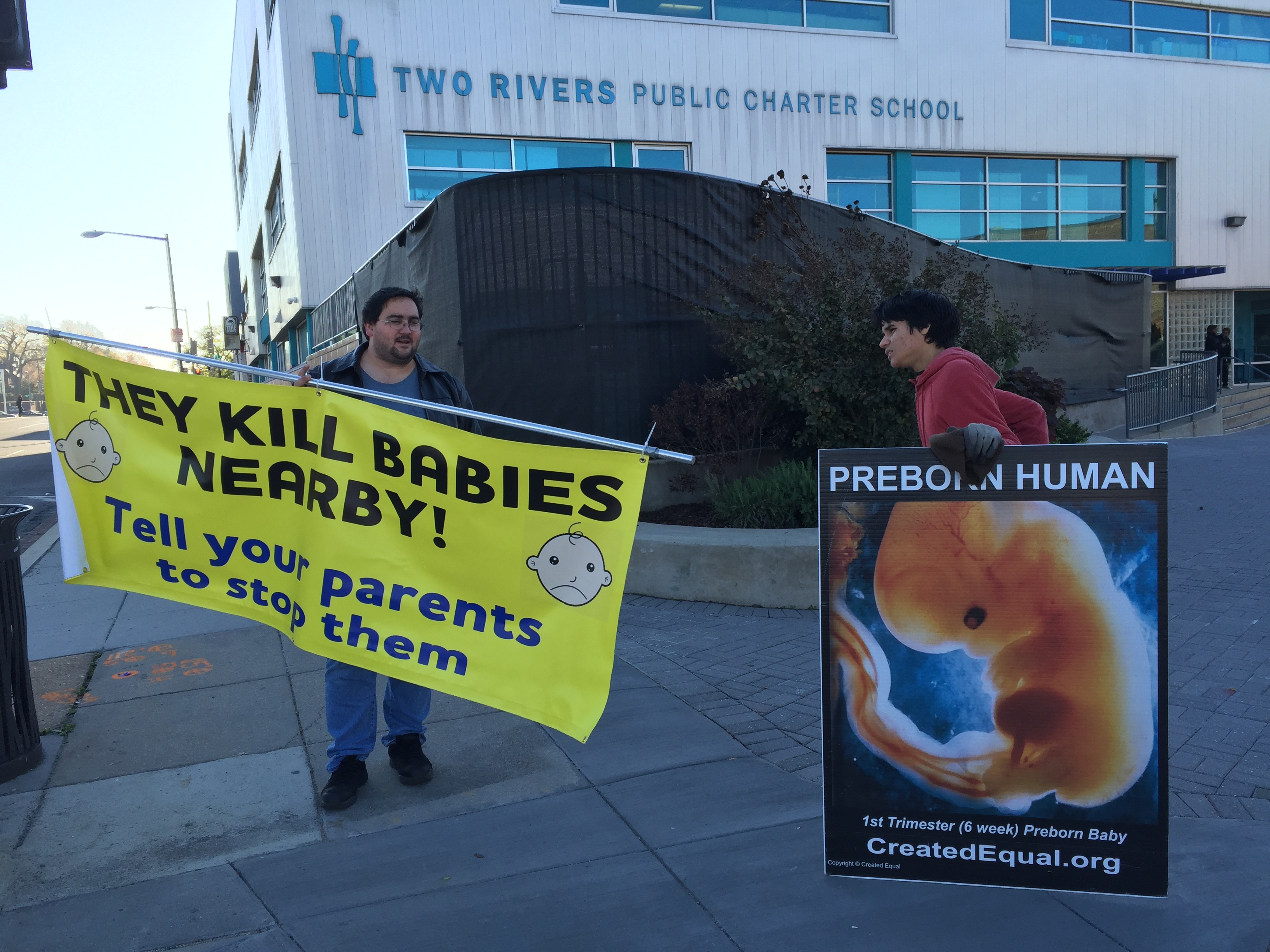
Anti-abortion protesters outside of the Two Rivers Public Charter School, which is next to a new Planned Parenthood facility that is under construction in Washington, D.C., shown here in November 2015. (Courtesy of Two Rivers Public Charter School)

“School leaders at a public charter school in Northeast Washington filed a lawsuit [today] against anti-abortion protesters who they say are harassing students in their efforts to stop construction of a Planned Parenthood facility next door.

Two Rivers Public Charter School alleges in a complaint filed in D.C. Superior Court that the protesters have engaged in “extreme and outrageous conduct” during the past several months, targeting school children as young as 3 years old with gruesome images of aborted fetuses and messages about the “murder facility” going in next to their school. The school is asking the court to order protesters not to talk to the schoolchildren or approach them outside the school.” Read more in the Washington Post.

The DC Mayor’s office reached out yesterday to SSH and other relevant groups to see if we would write a letter in support of this lawsuit. Our board of directors unanimously agreed!

Here it is:

“Stop Street Harassment (SSH) is a nonprofit organization dedicated to documenting and ending gender-based street harassment worldwide. We are based in Reston, Virginia, and do work locally, nationally and internationally.

Locally, one of our initiatives is partnering with WMATA and Collective Action for Safe Spaces on an anti-harassment transit campaign in the Washington Metropolitan Region. We are proud to be part of that effort because we want everyone in the region to feel safe on the Metro trains and buses.

We also want people, including children, to feel safe in other public spaces. For that reason, we are dismayed that people protesting the construction of a Planned Parenthood health center on 4th Street are targeting elementary school children at Two Rivers Public Charter School next door, including with signs reading, “They kill babies nearby! Tell your parents to stop them.”

We believe that street harassment is a human rights violation because it denies harassed persons equal access to public spaces by making them feel unsafe and unwelcome there. This is exactly what the anti-Planned Parenthood protesters are doing. Elementary school children should have the right to go to and from school without feeling unsafe and unwelcome — and without feeling threatened and intimidated — but the Planned Parenthood protesters are denying them that right each time they protest and target them.

We support both the Two Rivers’ complaint and request for preliminary and permanent injunctive relief and the Mayor’s efforts to protect the students at the school and Planned Parenthood’s work in Washington, D.C. from this systematic harassment and intimidation.

Sincerely,

The Stop Street Harassment Board of Directors”

Share

Filed Under: News stories, public harassment, SSH programs Tagged With: children, elementary school, lawsuit, planned parenthood, reprodutive rights

Historic DC City Council Hearing

December 4, 2015 By HKearl

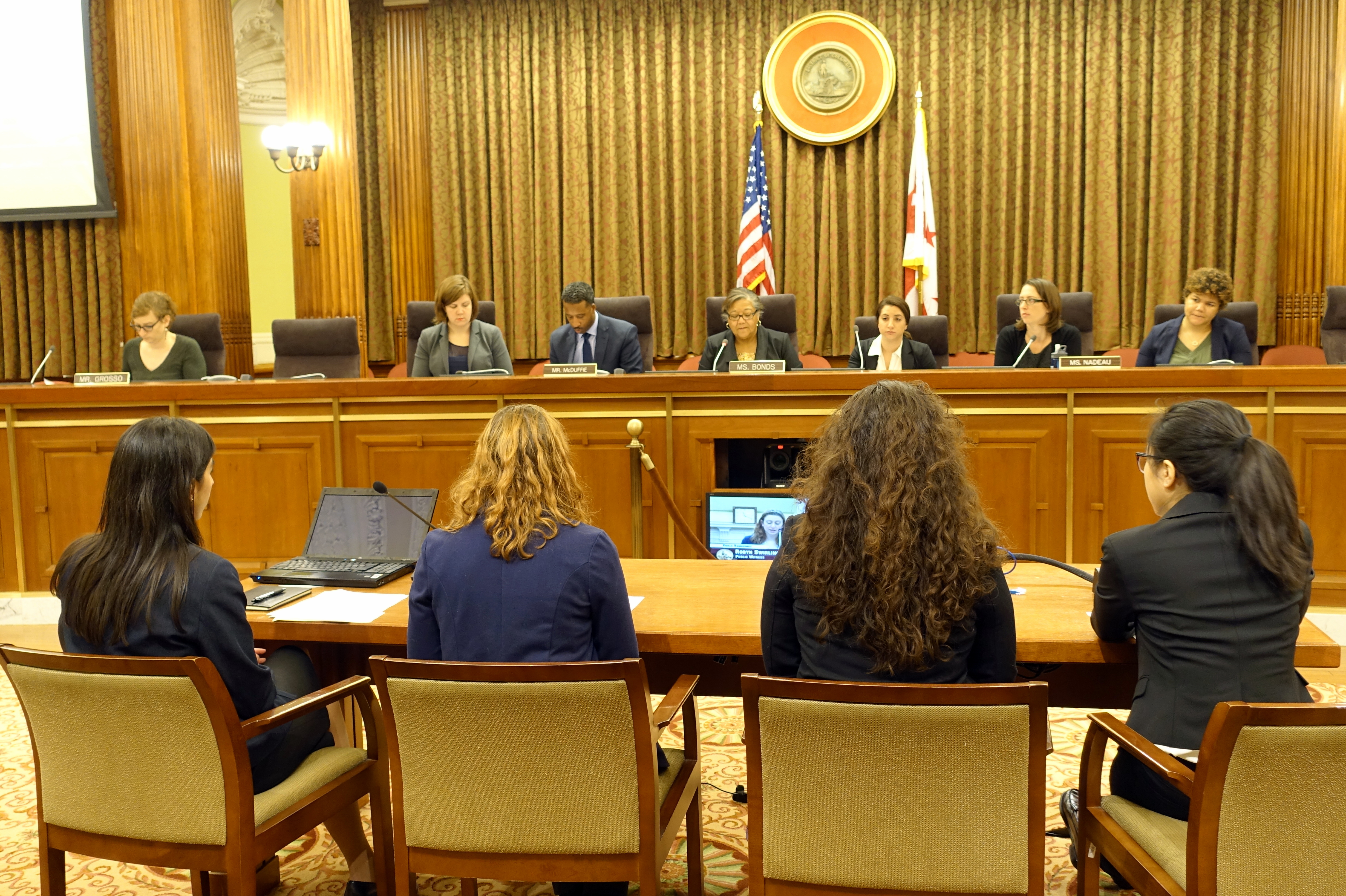
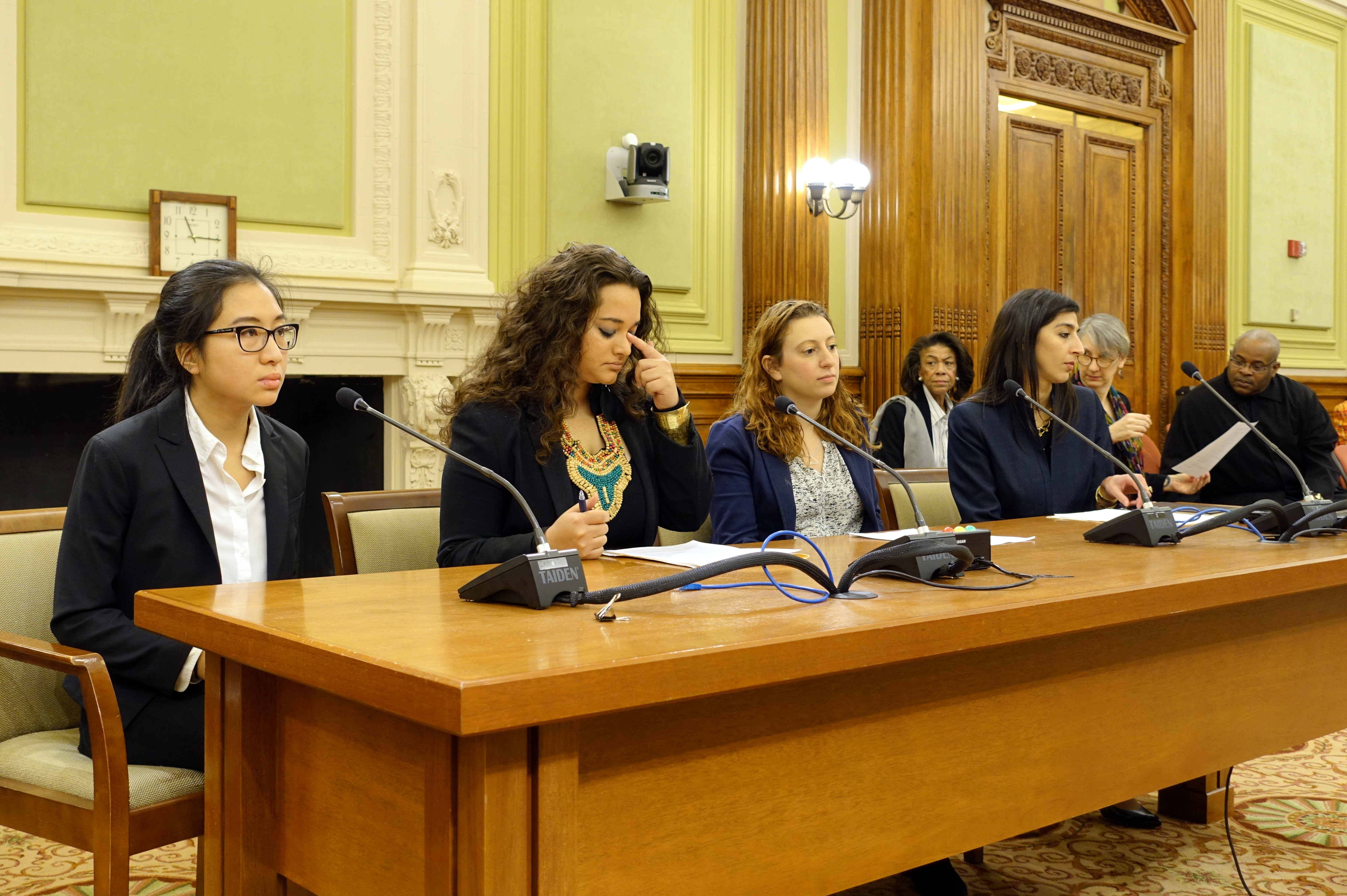
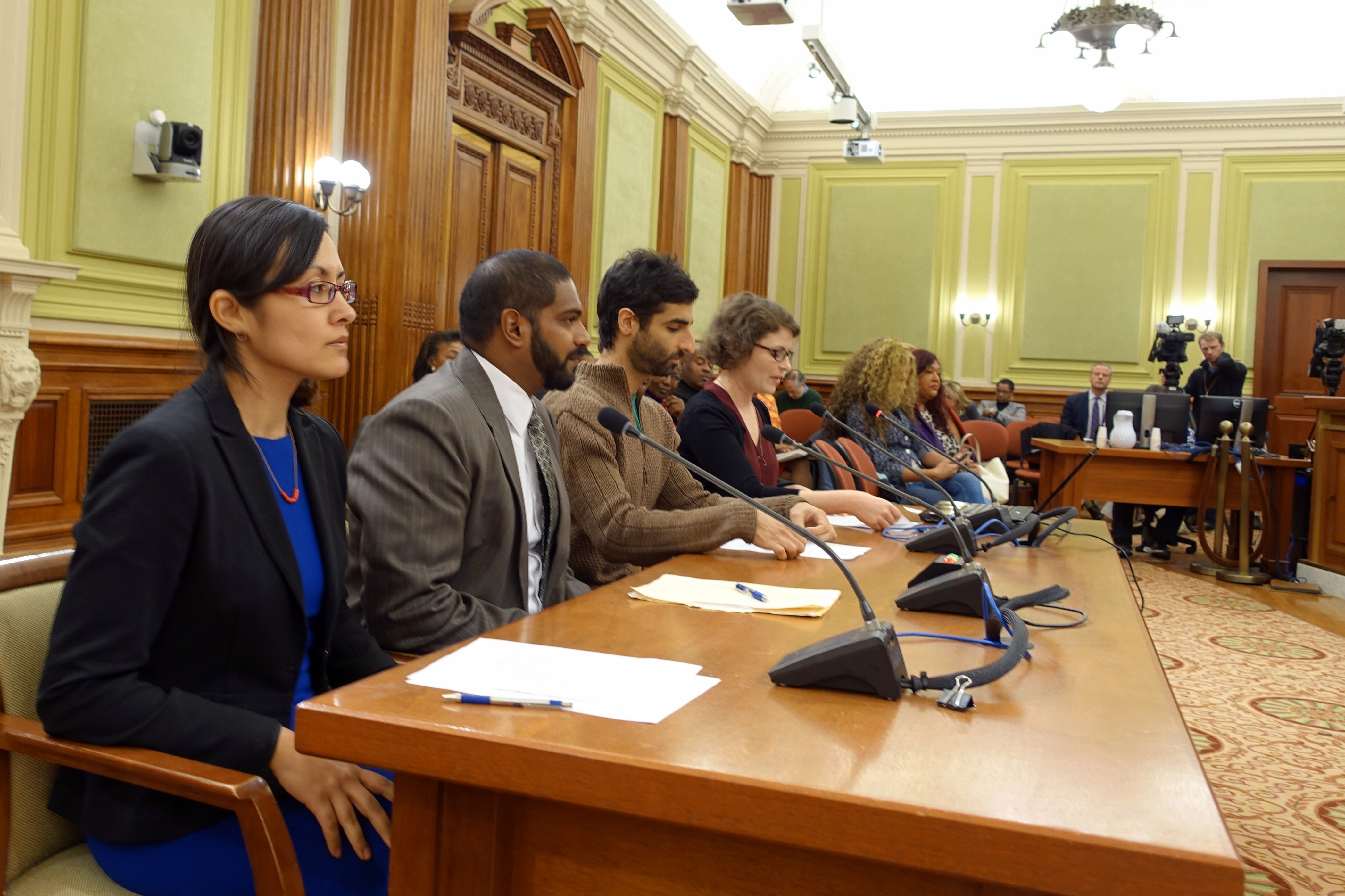
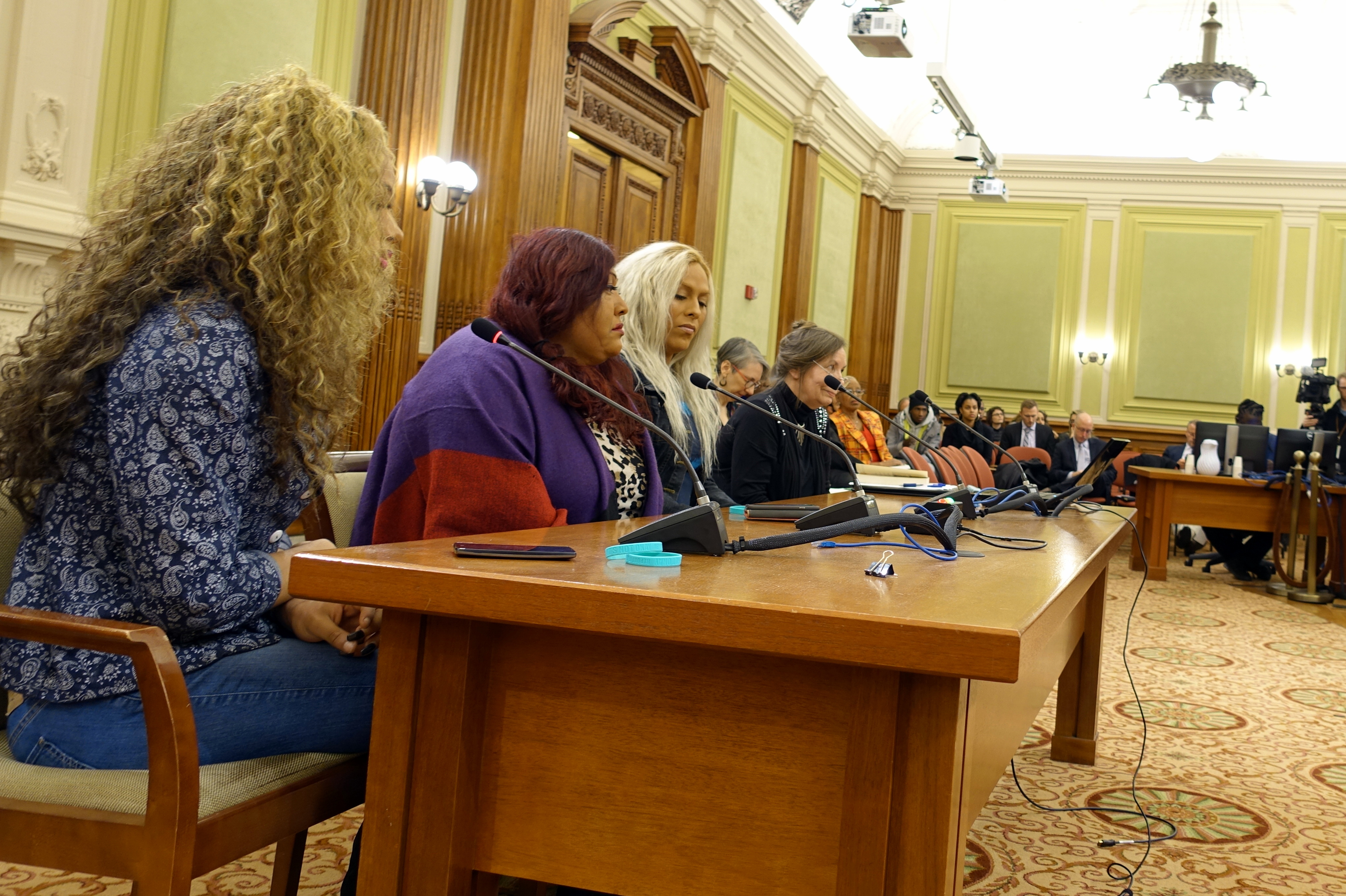
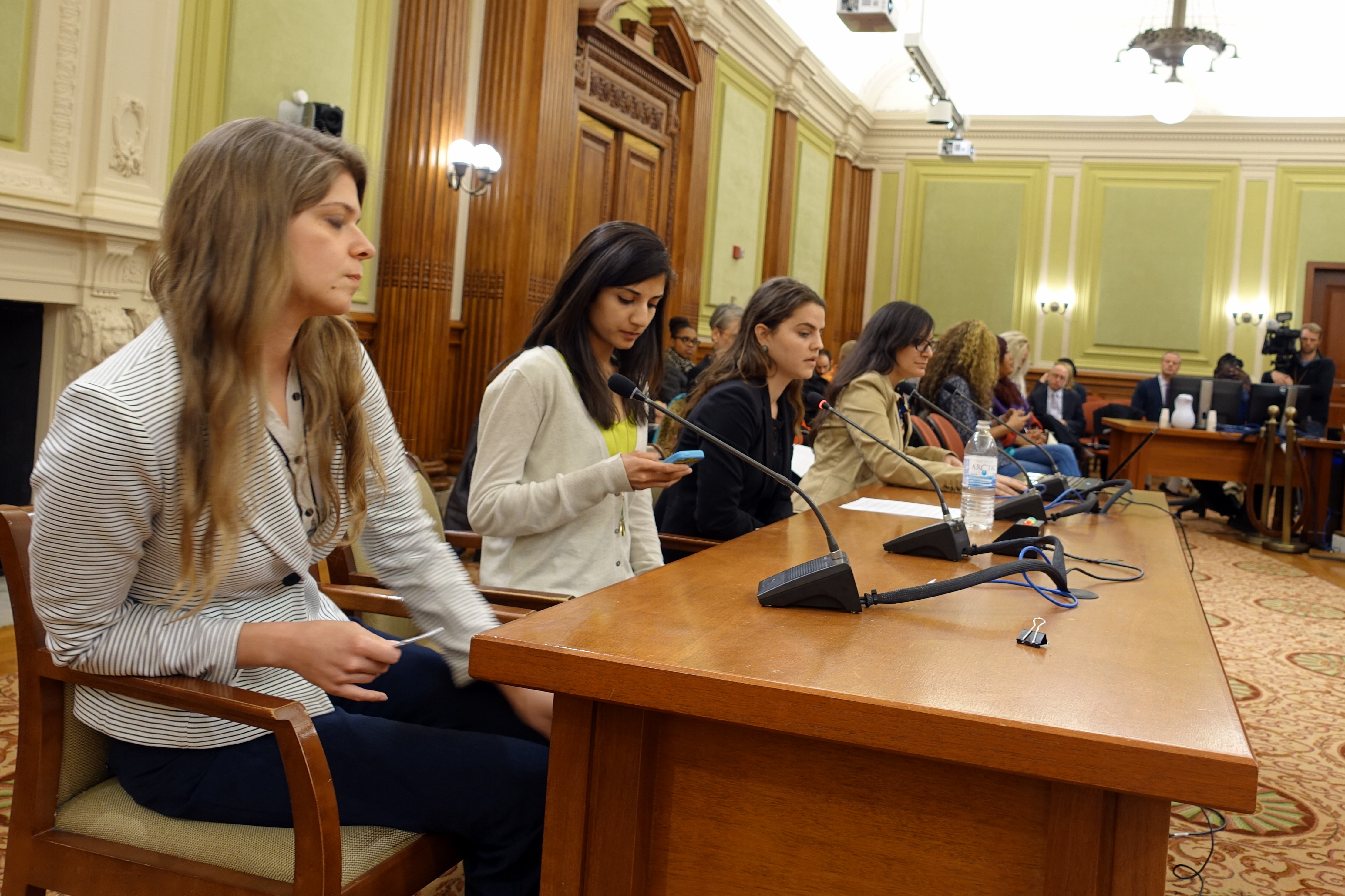
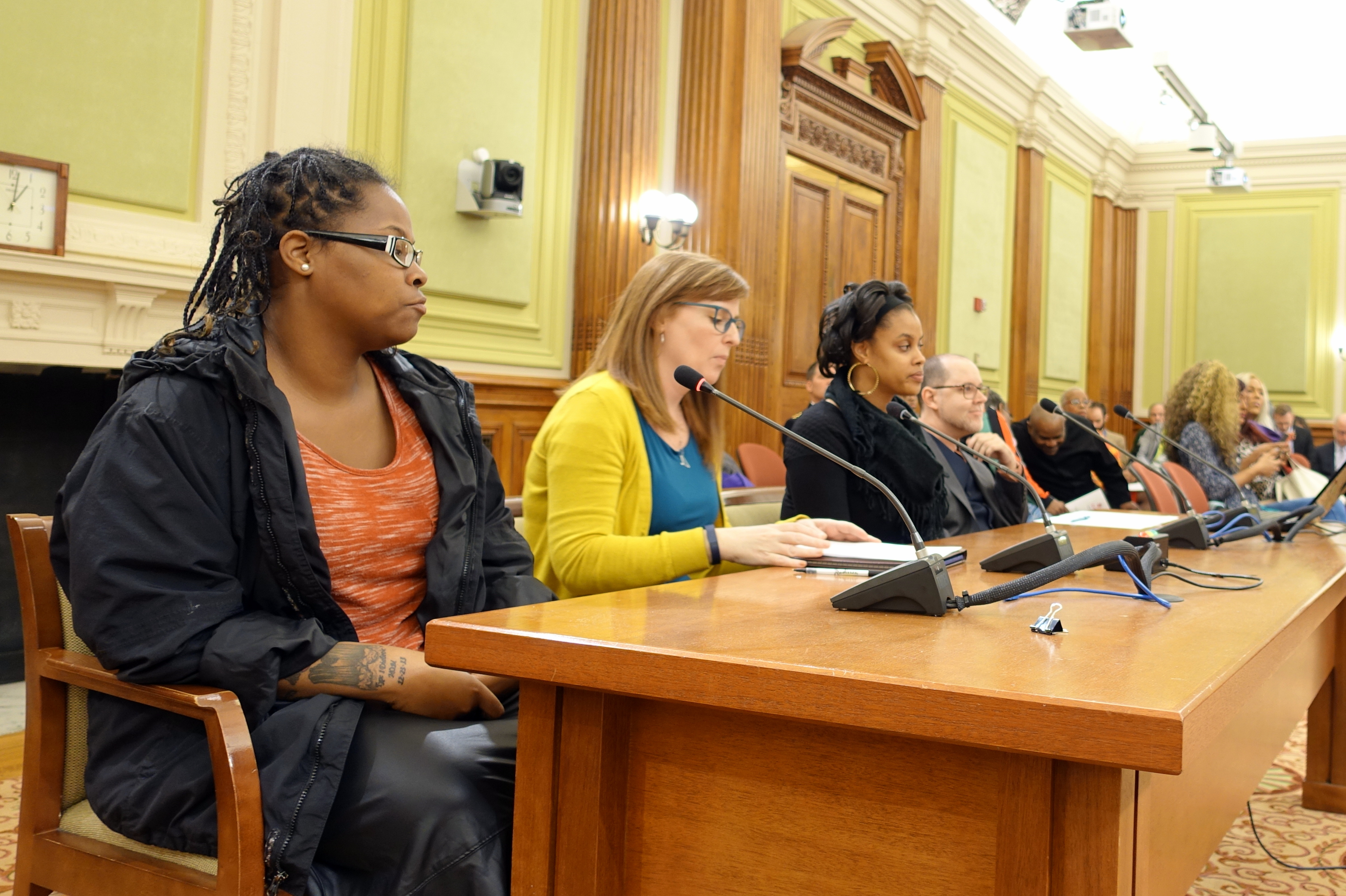
12.3.15 third panel DC Council Hearing -2The fourth ever hearing on street harassment was held in Washington, DC, on December 3, 2015. The first was held in 2010 in New York City, the second in Philadelphia in 2013 and the third in Kansas City in 2014.

The hearing was requested by Ward 1 D.C. Councilmember Brianne K. Nadeau and co-convened by the Committee on the Judiciary and Committee on Housing and Community Development. Our ally organization Collective Action for Safe Spaces was instrumental in helping the hearing happen, organizing witnesses, and crafting talking points and assisting people with their testimonies.

This is from Councilmember Nadeau’s website:

“Unfortunately, many residents in the District have experienced some form of street harassment, which can include vulgar remarks, heckling, insults, innuendo, stalking, leering, fondling, indecent exposure, and other forms of public humiliation, often focused on the individual’s perceived gender, gender identity, race or ethnicity, or disability. Street harassment impairs the ability of District residents to move freely and safely and contributes to a broader culture of violence. The roundtable will provide an opportunity for stakeholders to identify additional steps that could be taken to better understand and address the issue.”

The hearing lasted for four hours and 15 minutes. During the public portion, there were people representing various organizations, including CASS, SSH, Defend Yourself, Muslim American Women’s Policy Forum, Casa Ruby DC, and the Washington Area Bicyclist Association. There were individuals who shared heartbreaking and moving stories, including a mother and her teenage daughter, three transwomen of color, women of all races, and four male allies, including three men of color. CASS did a commendable job ensuring that a range of voices and viewpoints were represented in the panel.

Government officials also testified at the end, including the chief of police for the transit system and a representative from the mayor’s office in the department of human rights.

I was proud to join SSH board member Layla in testifying. You can read or watch her testimony here and read my full testimony here.

It was exciting to have SSH’s national study cited numerous times by the council members and people testifying. Many of us who testified advocated for the city council to collect DC-specific data so we can better understand the problem and work on non-criminal, community solutions. There was a special focus on asking for help working with bars — common sites of harassment — for CASS and Defend Yourself’s Safe Bars program.

Many people live tweeted throughout the event using #RaiseTheBar. A Storify will be available soon.

Photos:

(Click on the photo to see a larger version.)

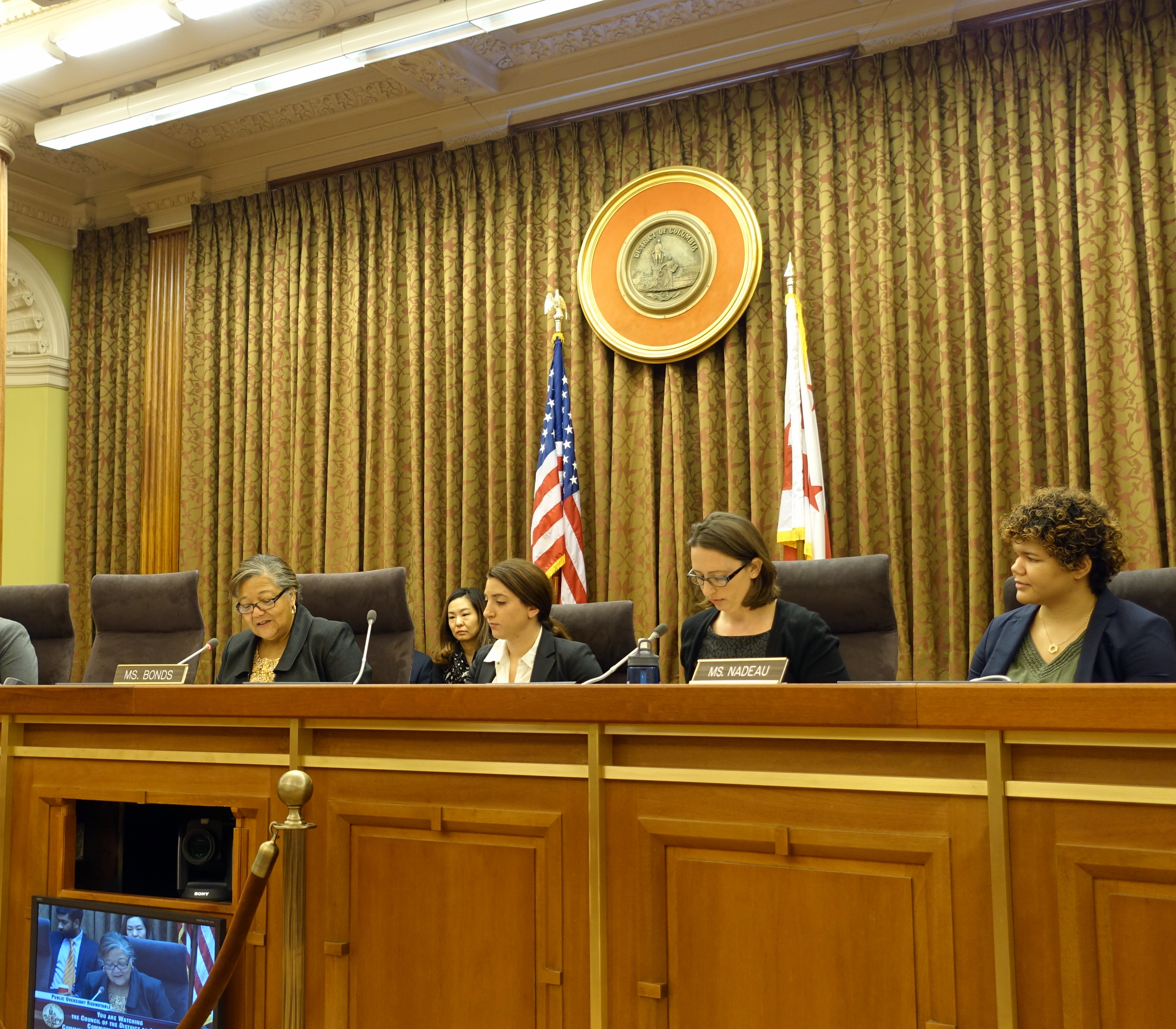
DC council members Bond and Nadeau with their staff
DC councilmembers Anita Bond and Brianne Nadeau with their staff

First panel of speakers (L to R): Paris Sashay, Nelle R Pierson, Holly Kearl, Jessica Raven

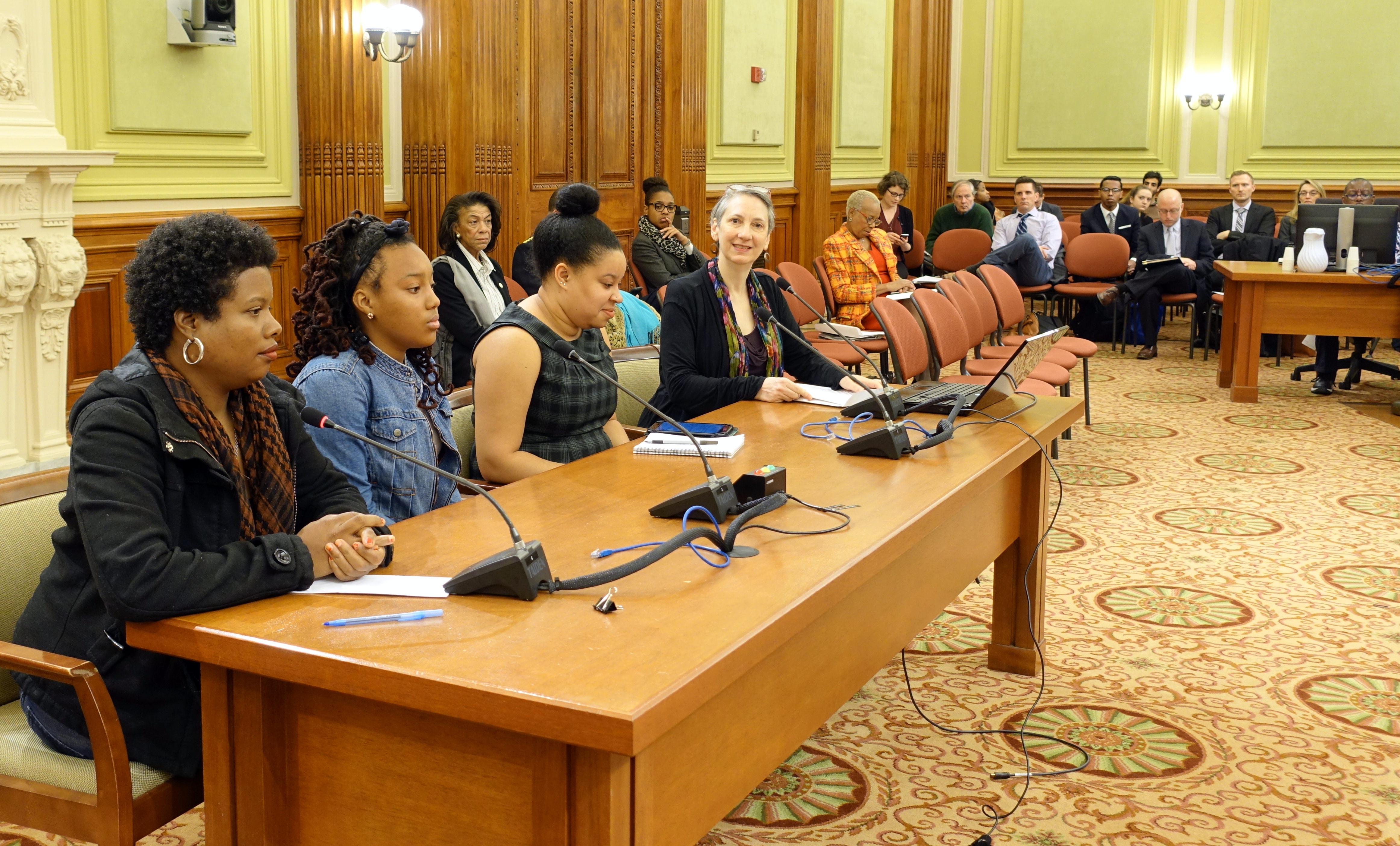
Second panel of speakers (L to R): Schyla Pondexter-Moore and her daughter Carol Pondexter, Krystal Leaphart, and Lauren Taylor

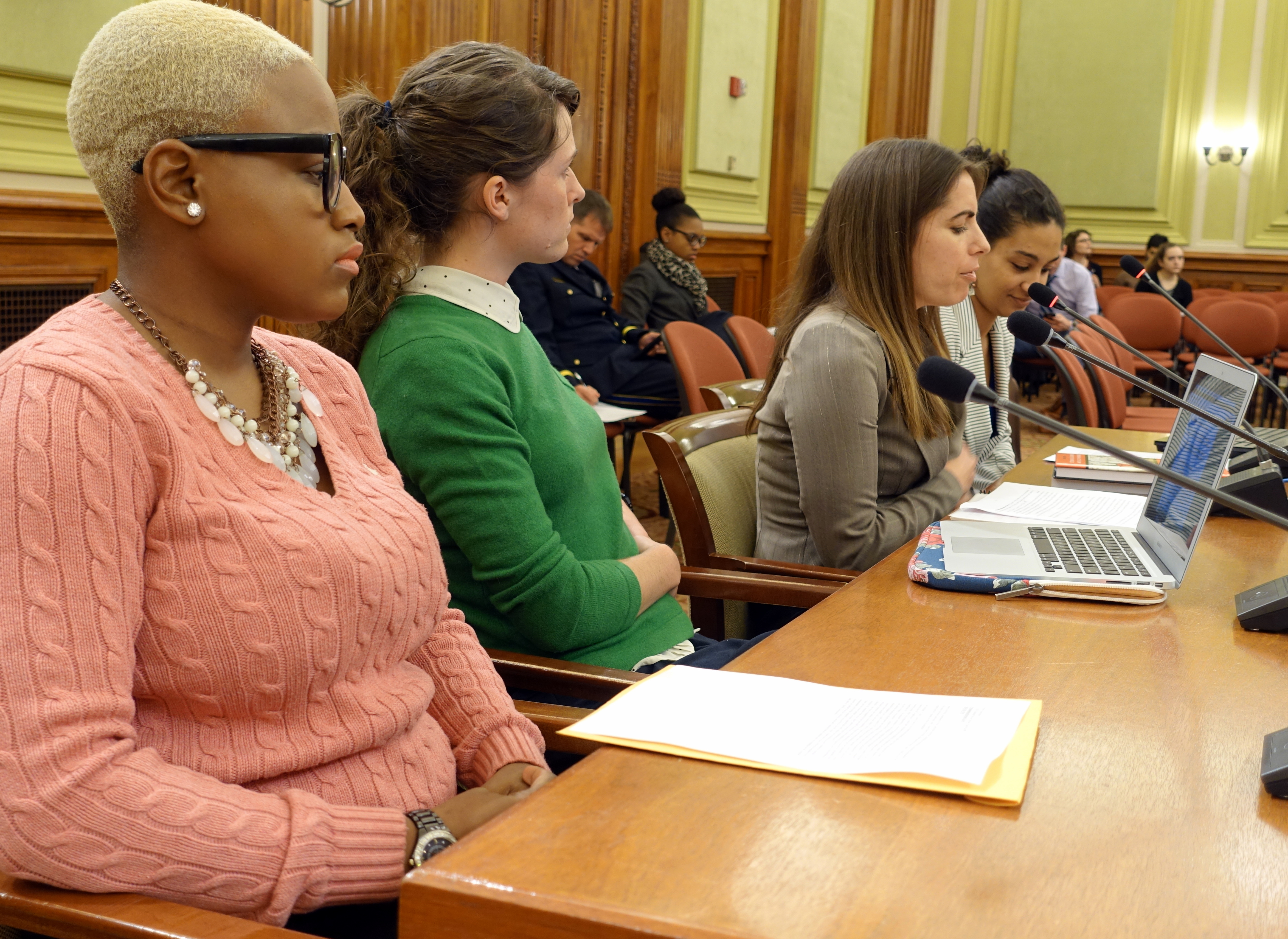
Third panel of speakers (L to R): Melissa Yeo, Darakshana Raja, Robyn Swirling and Layla Moughari

Fourth panel of speakers (L to R): Star Silva, Dave Chandrasekaran, 16.Ramin Katirai, and Julia Strange
Fourth panel of speakers (L to R): Star Silva, Dave Chandrasekaran, Ramin Katirai, and Julia Strange

Fifth panel of speakers (L to R): Tanisha Phllips, Ruby Corado, Lissa Alfaro, and Marty Langelan

Sixth panel of speakers (L to R): Mindi Westhoff, Rudhdi Karink, Shannon Kreider, and Jazmin Gargoum

Seventh panel of speakers (L to R): Carshena Chambers, Melissa Kleder, Valenteen Love, and Ben Merrion

Testimonies:

You can watch the entire hearing via the DC Council’s website. Closed Caption is available. I also recorded videos of several people who testified and those are available in this playlist on the SSH YouTube Channel. These are two of my favorite testimonies.

An amazing mother-daughter duo talk about how this issue unique affects teenage girls.

A passionate plea from a survivor of sexual abuse.

Media Coverage:

NPR interviewed councilmember Nadeau and CASS’s interim director Jessica Raven for a morning segment before the hearing (I was thrilled to hear on my drive to the hearing!).

In the evening, there were segments on NBC4, Fox5, and WUSA9.

The Washington Post, Washington Blade, The DCist and the Washington City Paper covered it too.

Share

Filed Under: Events, LGBTQ, male perspective, national study, News stories, police harassment, Resources, SSH programs, street harassment Tagged With: city council hearing, Washington DC

Nepal: Fuel Shortages Lead to Carpooling… and then to Harassment (Part 1)

November 27, 2015 By Correspondent

Smriti RDN Neupane, Nepal, SSH Blog Correspondent

In Nepal, due to “unofficial blockade” by India since September, 2015, no fuel could be imported via the border. The blockade of borders has been causing a crisis in lives of Nepali people since it is a landlocked country surrounded by India on three sides. They have been suffering from shortage of many basic amenities in life most importantly, fuel (petrol, diesel and gas) and medicinal supplies. Fuel shortage was the first thing that hit and caused impact on daily lives of people.

Public and private vehicles became scarce, creating difficulty in mobility for everyone. During the initial days, it worsened in a way that schools had to shut down and people started walking or working from home in Kathmandu. Although there were Safa Tempos (battery-run three wheelers), there were not enough to accommodate everyone.

After the first few days, young people from Kathmandu started initiating various campaigns from a cycle rally with slogan “No Petrol, No Problem” to peaceful protests in front of the Indian embassy and Nepali government offices. The campaigns were not limited to protests and strikes but were also focused on adaptation and how to be self-sustainable.

The people who had free seats on their two wheelers or four wheelers started offering rides to others who were traveling through the same route. Similar, a campaign on Facebook called “Carpool Nepal,” which is an open group where people who had access to Facebook could #offer and #ask for rides. This became an instant hit among the young students and office workers. This fostered a very communal feeling among people towards one another in Kathmandu valley and many people benefitted through it.

Unfortunately, a campaign initiated purely to help people became a site for discomfort for women, both on the page itself and also during rides in the public roads. Various instances of harassment against women started happening. Women and girls shared their stories on the Facebook page and they were mostly met by ridicule and derogatory comments, mostly by men.

The instances of harassment started increasing at such a rate that in almost a week, a few of the young women came up with a closed Facebook group named “Carpool Nepal (Women).” Some commented that the new group was useless because it served the same purpose as “Carpool Nepal” but many women are glad that it exists.

I had a conversation with one of the administrators of the closed group, who wished to remain anonymous. Part 2 contains my conversation with them.

Smriti coordinated Safe cities campaign in Nepal with a team of feminist activists of various organisations, networks and community groups from 2011 to 2014 and is still voluntarily engaged with it. She is currently engaged in an action research and advocacy on women’s leadership in climate change adaptation focusing on women’s time use.

Share

Filed Under: correspondents, News stories, street harassment Tagged With: carpooling, fuel shortage, harassment, Nepal

The Netherlands: From Paris to Amsterdam: Connecting the Dots

November 16, 2015 By Correspondent

Eve Aronson, Amsterdam, the Netherlands, SSH Blog Correspondent

The events in Paris last week, just a few hours drive from Amsterdam, were tragic and appalling. They also represent an extreme form of a familiar foe.

The Paris shooters targeted people in public venues—sports stadiums, restaurants and concerts—dictating their movement and using violence to carry out their agenda.

What such a choice in venues and tactics makes clear is that the perpetrators targeted spaces designed for public use and leisure and used violence towards people they did not know within these spaces.

We can therefore look at the events in Paris as examples—albeit extreme ones—of the broader power structures that define how safe people feel in public spaces.

Not unlike a man groping or catcalling a woman on the street, the incidents in Paris show how important it is to understand seemingly mundane ‘everyday’ street harassment incidents as part of broader notions of freedom and safety in public spaces.

You might be thinking: Wait a second. That’s a bit of a stretch. Street harassment is, for one, typically gendered (e.g. a man catcalls/whistles at/gropes a woman), whereas the Paris events were not.

That is a valid point to raise and indeed, the Paris events were not explicitly gendered (although they do have implicit echoes of links between terrorism and masculinity that have been raised in relation to previous violent attacks in public spaces).

However, there are a few important connections to highlight that bring these issues closer together than you might expect.

But before I do, I want to note why I am taking the time to do so. By showing how different and seemingly unrelated forms of violence within public spaces connect, my hope is that better, more lasting and enduring solutions can be found to a larger number of problems that affect people in public spaces. In addition to finding better solutions, underlining the similarities among these issues can also lead to more resources and brains available to prevent them in the future. But I digress.

One main connection between the incidents in Paris and everyday street harassment are that the feelings of powerless, confusion and fear that were evoked last Friday were the same feelings that people in Amsterdam, for example, reported feeling while and after they were harassed.

And, at least for the short-term, the feelings of apprehension that many people in Paris are feeling when they step out into the public sphere is not so dissimilar to the feelings expressed by people as a result of their experiences with street harassment in Amsterdam.

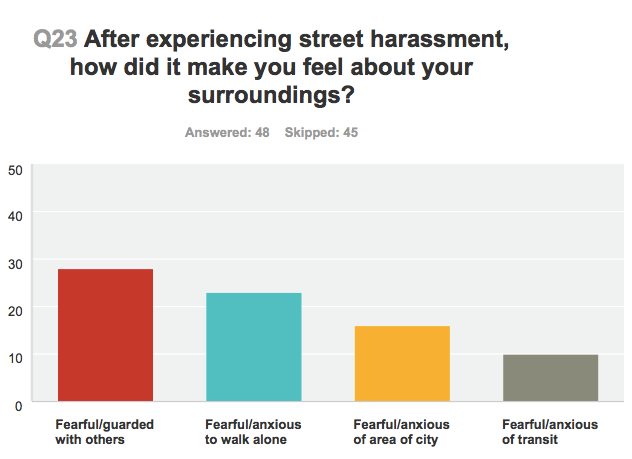
Below is a chart of some of the primary feelings about their surroundings that people in Amsterdam reported after experiencing various forms of street harassment:

amsterdam-fearful

A look on the conversations happening on Twitter about the Paris events reveals a similar spectrum of emotions. What this shows, is that in order to more fully understand and fight against issues like street harassment and violent attacks in public spaces, we have to start making connections between different manifestations of impeding or restricting movement within public spaces.

By doing this, we can start to see broader power structures emerge that reveal why these incidents occur and the factors that drive people to be physically or verbally violent towards others they do not know within different public spaces around the world.

The majority of reasons that people in Amsterdam, for example, think that their harasser(s) did what they did is that they believe their harasser(s) want to fit in with others in some way and to be accepted and applauded for their actions. The second most common reason people cited that was that they believed that their harasser(s) thought it was the ‘normal’ or ‘natural’ thing to do.

The fact that many perpetrators (street harassers or others) are motivated by group acceptance and by what they think is normal are just more of the many commonalities between issues like street harassment and other forms of violence in public spaces.

In a time where people are increasingly fearful, anxious or weary of moving through public spaces—whether because they do not want to be catcalled or groped, or whether because they do not want to be harmed or attacked in another way—it is absolutely essential that we make it our priority to examine the links between different forms of violence in public spaces more closely.

Looking at these links and using them to our advantage in the fight against street harassment and against violence in public spaces will lead to more informed policies, more helpful solutions and to more individuals feeling safer in public spaces. So what are we waiting for?

You can find the full analysis of the Amsterdam survey results here or by contacting Eve at evearonson@gmail.com. Follow Eve and Hollaback! Amsterdam on Twitter at @evearonson and @iHollaback_AMS and show your support by liking Hollaback! Amsterdam’s Facebook page here.

Share

Filed Under: correspondents, News stories Tagged With: paris, terrorism

Two Women in Washington, DC Sexually Assault a Man

November 11, 2015 By HKearl

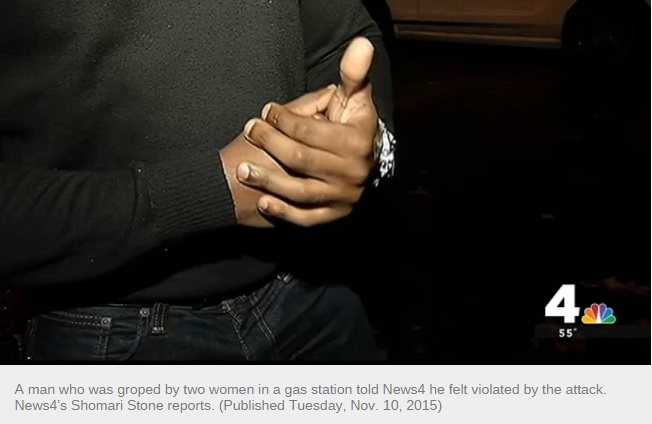
womengropemanWhile the street harassment usually centers around women because we experience it and are usually impacted by it the most, some men experience street harassment and violence too. In our 2014 nationally representative study, 25% of men said they’d experienced it, with a disproportionate number of them identifying as LGBQT. While most said other men harassed them, there were some who said the perpetrators were women. This recent news story in Washington, DC, is an example of what that can look like:

Via NBC Washington:

“Ayanna Marie Knight, 22, of Las Vegas, was charged with third-degree sexual abuse, police said late Tuesday, explaining that an “observant pedestrian” alerted them of Knight’s location. Police are still looking for the second woman.

Video released Monday by the Metropolitan Police Department shows the man waiting in a checkout line at a gas station on the 1700 block of New York Avenue NE about 4 p.m. Oct. 7 when a woman in front of him begins to dance and rub her body against him. A second woman, dressed in red, follows the man and appears to grope him repeatedly.

According to a police report, the women “used force and grabbed (the victim’s) groin and buttocks multiple times in a very aggressive manner without his permission and without his consent.”

The victim told News4 he was humiliated by the attack. “I was assaulted sexually,” he said, asking that his name be withheld. “I felt 100 percent violated. I felt really humiliated also, because when someone is just grabbing your body parts without your permission, no matter who it is, that’s just a violation completely.”

The man said he tried to back away, but the woman continued to advance. “As they were grabbing me, it wasn’t like they were grabbing pants or anything like that,” he said.

The victim asked two cashiers at the gas station to call police, but they “just sat there,” he said. Frustrated, he walked outside and started dialing the number himself. He said he tried to get into his car, but the women grabbed his arm and in an effort to prevent him from leaving. He broke free, walked into the gas station’s car wash and called police. The women eventually left, he said.”

Groping, assault, and sexual harassment are never okay. Everyone should be treated with respect and should be asked for consent before anyone does anything physical (even for a hug). I hope he will be okay.

Share

Filed Under: male perspective, News stories, Stories

« Previous Page
Next Page »

Share Your Story

Share your street harassment story for the blog. Donate Now

From the Blog

  • #MeToo 2024 Study Released Today
  • Join International Anti-Street Harassment Week 2022
  • Giving Tuesday – Fund the Hotline
  • Thank You – International Anti-Street Harassment Week 2021
  • Share Your Story – Safecity and Catcalls Collaboration

Buy the Book

  • Contact
  • Events
  • Join Us
  • Donate
  • Facebook
  • Instagram
  • Pinterest
  • Tumblr
  • Twitter
  • YouTube

Copyright © 2026 Stop Street Harassment · Website Design by Sarah Marie Lacy