• About Us
    • What Is Street Harassment?
    • Why Stopping Street Harassment Matters
    • Meet the Team
      • Board of Directors
      • Past Board Members
    • In The Media
  • Our Work
    • National Street Harassment Hotline
    • International Anti-Street Harassment Week
    • Blog Correspondents
      • Past SSH Correspondents
    • Safe Public Spaces Mentoring Program
    • Publications
    • National Studies
    • Campaigns against Companies
    • Washington, D.C. Activism
  • Our Books
  • Donate
  • Store

Stop Street Harassment

Making Public Spaces Safe and Welcoming

  • Facebook
  • Instagram
  • Pinterest
  • Tumblr
  • Twitter
  • YouTube
  • Home
  • Blog
    • Harassment Stories
    • Blog Correspondents
    • Street Respect Stories
  • Help & Advice
    • National Street Harassment Hotline
    • Dealing With Harassers
      • Assertive Responses
      • Reporting Harassers
      • Bystander Responses
      • Creative Responses
    • What to Do Before or After Harassment
    • Street Harassment and the Law
  • Resources
    • Definitions
    • Statistics
    • Articles & Books
    • Anti-Harassment Groups & Campaigns
    • Male Allies
      • Educating Boys & Men
      • How to Talk to Women
      • Bystander Tips
    • Video Clips
    • Images & Flyers
  • Take Community Action
  • Contact

USA: Friends Don’t Ask Their Friends for “Rush Boobs”

October 23, 2015 By Correspondent

LB Klein, USA, Former SSH Blog Correspondent

Sigma Alpha Epsilon (SAE) at University of California San Diego is blowing up my RSS feed right now for requiring pledges to solicit photos of women’s breasts with “Rush SAE” written on them. These SAE brothers didn’t invent this. Google “rush boobs” (or don’t, seriously don’t) and there are myriad search results. Total Frat Move refers to using women’s breasts as promotional objects as a “timeless tradition.” This story broke when UCSD student Rachel Friedman posted a chat conversation in which her SAE new member friend senior Spenser Cornett asked her to share topless photos of Ms. Friedman and her friends.


Rachel Friedman and the message she received. Image via Cosmo

More and more fraternity chapters are receiving sexual violence prevention education. A common strategy for engaging men in preventing sexual violence is to appeal to their relationships with women. We call upon men to think of their “mothers, sisters, and girlfriends” and to consider they wouldn’t want the important women in their lives to be harmed. However Mr. Cornett’s request, and I imagine others like it, is a friendly one. It is flanked by “lol funny story” and a laughing emoji. Sexism is often embedded within men’s relationships with women. Ms. Friedman and Mr. Cornett’s friendship illustrates a need to ask more of men in these relationships.

I genuinely believe that virtually all fraternity men don’t want their mothers, girlfriends, sisters, and women friends to be raped. That just isn’t enough anymore. Many of these young men would proudly pin on a white ribbon pledging they are against rape or host a 5K to benefit a local rape crisis center. That just isn’t enough anymore. We have raised enough awareness, and we need real action. In our educational efforts, we are indeed calling men to action. We ask young men to “stand up” and “fight back” with the same hypermasculine ideals that perpetuate violence. Because men are considered leaders, we ask them to lead, to make public displays about how intolerant of violence they are. That just isn’t enough anymore. Moving toward culture change will require these young men to question tradition and advocate for structural change. It will require them to listen to women. It will require them to do something revolutionary for men to do: follow. This change will mandate that they feel a little more uncomfortable to make women a little more comfortable.

I imagine that the SAE brothers who collected topless photos of their women friends were insulted when some folks tied their behavior to sexual violence. “This is harmless,” they might say. “Boys will be boys,” others might say. “She overreacted,” several have posted in the comments (Friendly reminder: don’t read the comments). Young men are faced with choices between working toward a gender equitable futures and holding tight to tradition that has favored them. Making the day-to-day choices to resist patriarchal tradition is hard, and we need to intentionally work with men to do it. We need to help them take these risks.

Otherwise, we are asking too little of men. If we are going to say that men should care about ending sexual violence because of their relationships, we need to demand they do better in these relationships. It isn’t enough to congratulate men for not committing sexual violence or to applaud them for saying they’re against rape. That is too easy. It does not foster the critical thinking and empathy needed to shut down “rush boobs” from the inside, as opposed to relying on women to call this behavior out when they are made to feel unsafe (though brava, Rachel Friedman). We need to balance ensuring our educational programs meet men where they are, while also nudging them forward.

Sexual violence is about power and control. To truly achieve culture change, we need to ask men to give up some power: not just rapists, all men. We can’t end violence while propping up the exact oppressive traditions and systems that perpetuate it. We can’t decry rape and laugh off objectification. I am willing to believe that institutions founded as boys’ clubs (like fraternities or indeed institutions of higher education) can evolve their traditions as we approach a more gender equitable futures. However, I do think that we need to call on these traditionally patriarchal institutions to prove it. We need to raise our standards for men as they become engaged in ending sexual violence. As fraternity men become more visible in the movement to end sexual violence, we need to hold them accountable. Men shouldn’t be able to have their feminist cookies, and eat their misogyny cake too.

I am indeed somebody’s daughter and wife. I am proud of the many men in my life I count as friends, and I take those relationships seriously. Because I love these men, I hold them to a higher standard than just not raping women. My bodily autonomy, my right to be subject and not object needs to be more important than my male friends’ egos. They need to treat me like a whole person of equal worth to them. They need to not only not participate in my objectification but to prevent others from doing so, to make that behavior so abhorrent that there is a social cost to those who engage in it. They need to give up some of their social power, as they are gaining it at my expense.

The hypothetical young man or men in SAE who could have spoken out against asking their friends for “rush boobs” would have taken a risk. While sexual violence is certainly far too common, sexism is far more ubiquitous. We need young men to make small changes in the spaces in which they are currently the most comfortable. Indeed, we will incrementally achieve culture change as men give up some of their space in the boardroom, the subway, and the university campus. We need to create a culture in which young men consider challenging their bros as less problematic than reducing their women friends to topless photos (“no face necessary, lol”).

Engaging men in their roles as “fathers, sons, husbands, and friends” can be a powerful way to initially activate men to create change, but we can’t stop there. That is just not enough anymore. To achieve culture change, we need men to be inconvenienced in the exact spaces they once felt the most secure, the ones in which they benefit the most from tradition.

LB is an Atlanta-based advocate and educator dedicated to ending gender-based violence, supporting survivors, and advancing social justice.  You can follow her on twitter @LB_Klein.

Share

Filed Under: correspondents, News stories Tagged With: activism, college, fraternities, masculinity

USA: A Costume is Not an Invitation for Harassment

October 21, 2015 By Correspondent

Chelsea Cloud, Michigan, USA, SSH Blog Correspondent

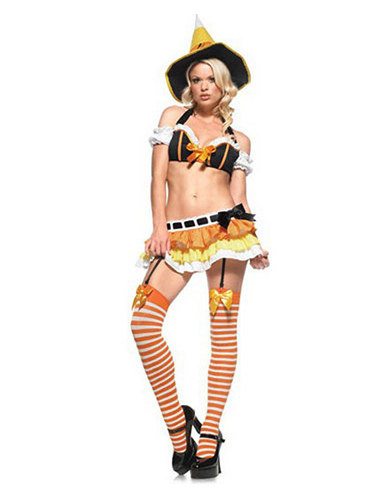
sexy costume
Image via Flickr

For women, deciding on a Halloween costume is a careful science.  Too sexy is slutty.  Not sexy enough is prude.

I wore pants to a college bar on Halloween one time and I am not exaggerating when I tell you I was the only one out of hundreds of women.  I felt weird.  There’s also the time I wore a sexy Princess Peach costume.  Halloween in Michigan is cold.  Also, teetering around on sky high heels like a newborn giraffe just to complete my outfit was hard work.  But there are far worse implications than just being cold.  These costumes make us objects.  And sadly, many people just see these costumes and not the women wearing them.

Let me be clear, I am not arguing against sexy costumes, I am angry that it’s our only costume option.  It also doesn’t seem to be a fading trend, if anything it’s getting more popular.  EVERYTHING is being sexualized now.  Oh, you want to be a female superhero?  You better believe your store- bought costume interprets female superheroes with maximum cleavage and a micro-mini skirt.  Women just love to fight crime whilst making sure they don’t have a nipple slip.

Go ahead and peruse the ‘career section’ of Party City.  Female swat team members must wear black tutus and cleavage boosting bulletproof vests.  Female nurses find that their 12 hour shifts are more comfortable in garter belts and thigh highs.  Have I made my point clear yet?  The only store- bought option is a sexy one. This disturbing trend is trickling down to teens and even younger.

Just last month a mother wrote an open letter to Party City about the disturbingly sexualized toddler costumes.  In the article there is a side by side photo of the boy cop and the girl cop and the difference is glaringly obvious.  The boy is given the option to look like a legitimate cop while the girl’s option is clearly a feminized and sexy version, complete with skirt.

Corporate America is telling girls at a young age what their worth is and that they don’t deserve to feel empowered.  And while girls should wear what makes them happy, that option should also be age appropriate and include authentic career attire.  The pressure only get’s worse as girls get older.

A teenager in the recent New York Times article about Halloween costumes addresses the pressure to go with the trend:

 The pressure to be sexy without being slutty can ruin the holiday. “It used to be my favorite holiday, but now it’s like if you don’t look good in a mini skirt and cropped top, you might as well not dress up,” says Evelyn, who has never worn a sexy costume. “I am fearful that other people will see me as a ‘slut.’ It’s kind of a bummer.”

As if teenagers don’t have enough to worry about when it comes to their image, they now have to carefully construct their costume to fit a wavering definition of sexy while not being judged or bullied by their peers.

But instead of slut shaming, the yearly ‘sexy costume debate’ should be seen as an opportunity to discuss the real problem: the harassment that inevitably happens when wearing a revealing costume.  Street harassers are equal opportunity offenders, but a female in a sexy costume is a very easy target. Even still, we hear disturbingly little about harassers. Instead, we live in a society that loves to victim blame and slut shame.

Related, lately the cosplaying community has been bringing this issue into the public eye because harassment at comic conventions is a common occurrence. The social media movement “Cosplay is not consent” started after cosplayers got fed up with being harassed verbally and physically at events.  A survey about sexual harassment at conventions such as San Diego Comic-Con revealed that 13% of attendees had received unwanted sexual comments and an alarming 8% percent had been physically assaulted.

Halloween can be viewed as a wide scale cosplay event and instead of seeing sexy costumes as an easy way to gauge someone’s willingness to participate in sexual advances and how much harassment they will tolerate, people should recognize that a “sexy” costume does not invite harassment.

While I think it’s unfair to judge anyone based on their costume choice (as long as it doesn’t cross any borders into offensive), it’s also unfair that women don’t have a choice in the matter and then are blamed if they are harassed.

A respectful man would let a woman walk by wearing whatever she wants without harassing her. Let us take this annual conversation and use it to remember that boys need to be raised to respect women no matter what they are wearing.  A costume is not an invitation for harassment.

Chelsea is a full-time sales assistant for an advertising company in West Michigan and a part-time Graphic Design student. She is proud to call herself a feminist and feels passionately about speaking up for women’s rights. You can find her on twitter @LitSmitten.

Share

Filed Under: correspondents, News stories, street harassment

Italy: Are you sure you want to wear a skirt today?

October 15, 2015 By Correspondent

Sara Rigon, Italy, SSH Blog Correspondent

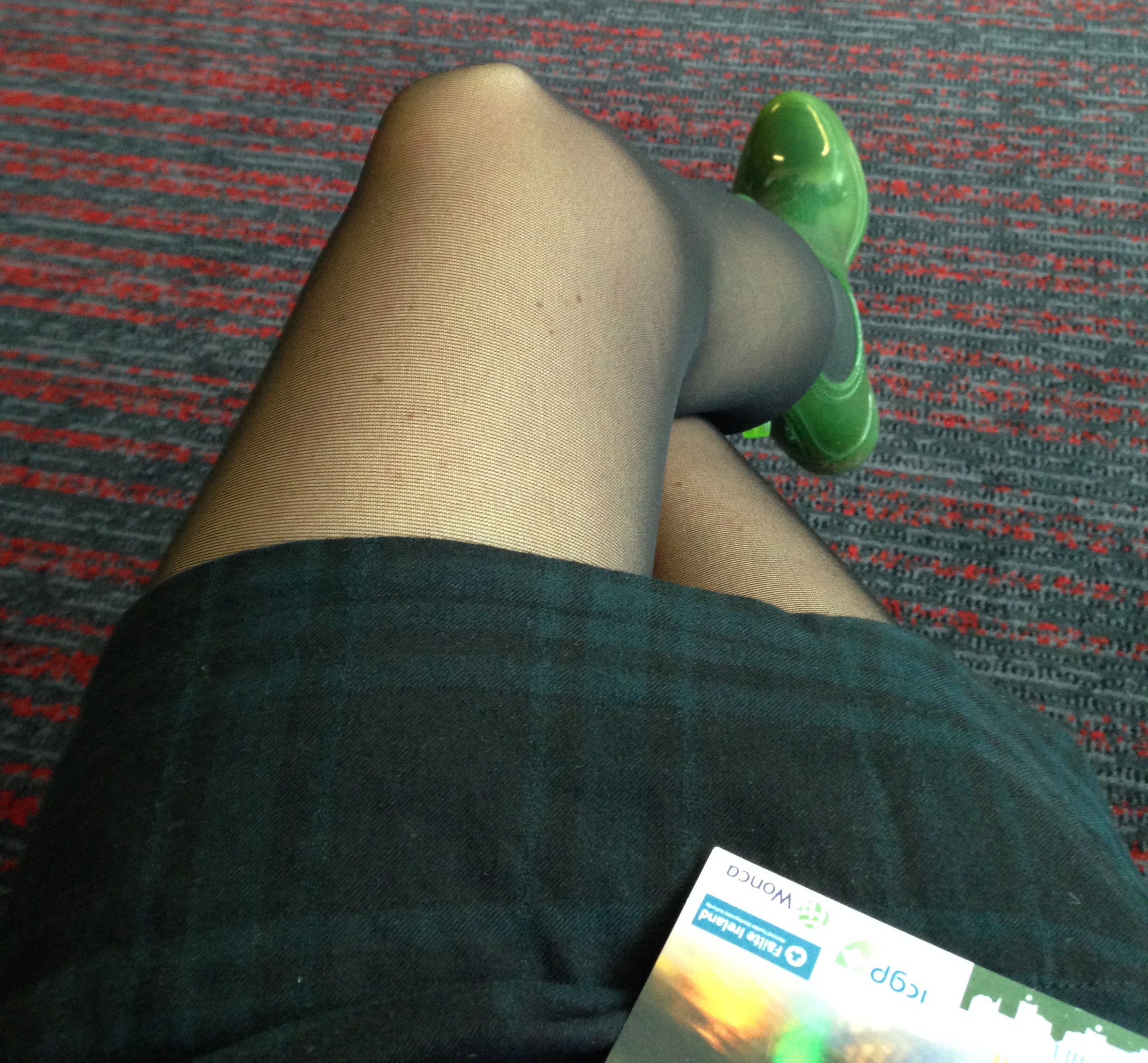
"Sit upright and cross your legs" - photo by the author
“Sit upright and cross your legs” – photo by the author

A few weeks ago my sister and I were talking about street harassment and she told me the story of a man who was caught taking pictures up the skirt of women traveling on Milan public transport. Apparently most victims never suspected their crotches and buttocks have been photographed as the man was smart enough to hide his camera in what looked like a harmless cardboard tube.

When asked about the 5000 upskirt shots, the man explained he had a passion for Italian neorealism cinema: he was giving voice to such fine art. The wannabe director was found not guilty for his épreuve d’artist, but could not enjoy freedom as police also retrieved child pornography material at his apartment along with illegal bullets and for that he was convicted to 2 years and 10 months behind bars. He is in jail, but not for uperskirting, because that is not a crime, not in Italy at least.

I felt shocked and outraged for quite awhile, I could not believe it possible. Not the upskirting, that is no surprise, it is a tragic reality. Sadly as a woman you are definitely aware of and sort of expect such violation of your body from men and society as a whole. It happens everyday when you walk down the street to work or from your yoga class: you may be victim of street harassment (catcalling, blocking path, following, masturbating or spraying semen on women , etc..) or in the best case scenario you are just bombarded by images of partially nude or stripped women or women’s body parts on gigantic billboards inviting you to buy all sort of products.

What really struck me was and still is the fact that upskirting is not a crime. Secretly taking (stealing?) pictures of private parts of clothed and unsuspecting women is allowed and within the law in Italy and in many other countries around the world, maybe even in yours. I couldn’t turn my head around it and so I did what I usually do when I can’t make sense of something: I researched the subject.

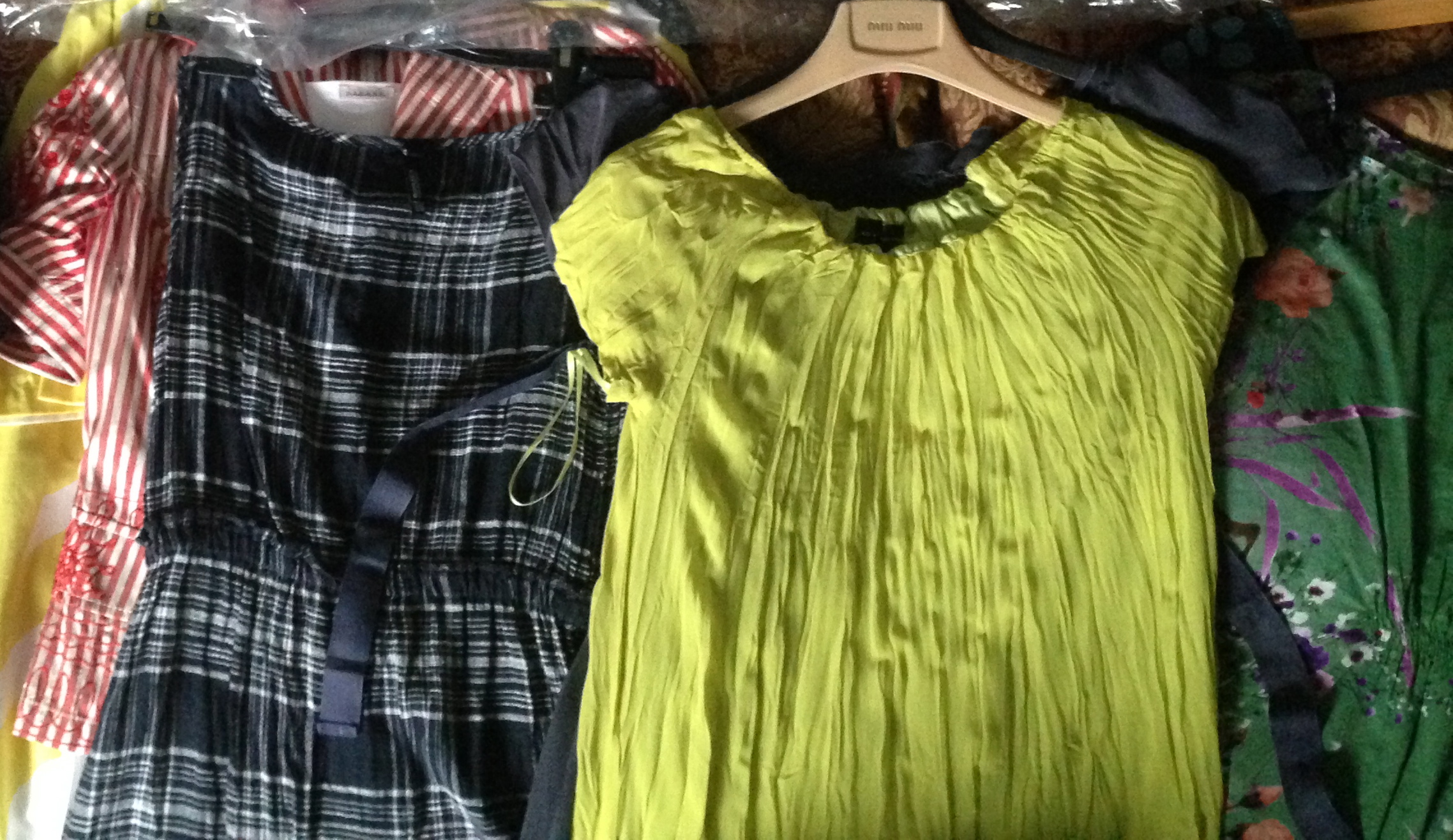
"dangerous, unsafe pretty dresses" - photo by the author
“Dangerous, unsafe pretty dresses” – photo by the author

First, to my big surprise, I learned there is in fact a specific term to identify such an outraging and offensive practice: upskirting. Next, in the attempt of grasping the magnitude of the problem, I looked the “new term” up on the internet and to my dismay I discovered that upskirting is very much spread through out the world as well as the cyberspace. The amount of FB pages and Twitter accounts dedicated to or named after upskirting is alarmingly shocking.

Mercifully, among the hundreds of websites displaying what, in all likelihood, must be thousands of upskirting snapshots from all over the world, there are several bloggers, women’s right activists and journalists who discuss upskirting ethical and legal issues, raising awareness on this demeaning practice. The main issue discussed is impunity: upskirting is commonly perceived as wrongdoing, nonetheless is legal.

Most judges around the world have difficulties convicting upskirting enthusiasts as in most countries there are no specific laws that prohibit such a practice. And yet, upskirting is such an abusive practice that you would easily think other acts and decrees must regulate it. No need for another law. After all upskirting is a non-consensual, unwanted sexual misconduct, it must infringe some other already existing regulation on voyeurism, decency or at least privacy and the right to feel safe in a pubic place. But no, that’s not the case.

You would think that upskirting is voyeurism, but that is just common sense. Legally voyeurism is about images of completely nude bodies or body parts and it occurs in a place where people have a reasonably expectation of privacy. A public place does not give any assurance of privacy, therefore in a public place voyeurism is not a crime. And there is more, while a growing number of US states have laws against upskirt photos, last year a US Superior Court Judge stated that “women who dress and position themselves so that their intimate parts may be viewable in public have no ‘reasonable expectation of privacy’ (District of Columbia v. Cleveland, 2014). No matter if underwear and intimate area were only visible from an unanticipated vantage point, that is your problem.

I personally admire law-makers and respect jurisprudence, the philosophy of law. However, such interpretation is narrow-minded and discriminatory, it is victim-shaming. Such a statement says: “Hey what is the fuss about? You are the one that started it, if you did not want your crotch area photographed you should not have worn a skirt”. This is institutionalized victimization and it is not acceptable in any civil and egalitarian society.

Forget voyeurism, so what about the violation of privacy and dignity? Apparently taking a picture up the skirt of a woman cannot be considered an misdemeanor if the victim is not aware of the offense in the first place and the image doesn’t allow the identification of a person (Italy 2015). Let me get this right: I had no perception of what they were doing to me so it didn’t happened, is that right? But it did happened. What if one of those panties was me? And I feel violated even if it was not me, because it could be me.

I wish I lived in a world where there is no need for a specific law against upskirting, a world where a woman does not have to worry about what she is wearing. Until then I am pleased and grateful to know that legislators around the world are making an effort to put a stop to such a mortifying offense

We need to update our legislations to modern technology that puts a camera in a portable phone and make it possible to take a picture up the skirt of a woman in a public and crowed place without anyone noticing. Most of all we should work strenuously to update our culture and perspective on women. We should educate people, especially young generations, that women are human beings and not just bodies, objects to increase sales or possess and disposed of as one wishes.

Sara is a registered General Practitioner in Italy and New Zealand. She is the founder and current lead of the newly established Equally Different group within the European Junior General Practitioners Organization, the Vasco da Gama Movement, branch of the World Organization of Family Doctors. Follow her on Twitter @rgn_sr.

Share

Filed Under: correspondents, News stories, public harassment

Late September News Round-Up

September 24, 2015 By HKearl

Here are the stories I’ve been reading the past two weeks!

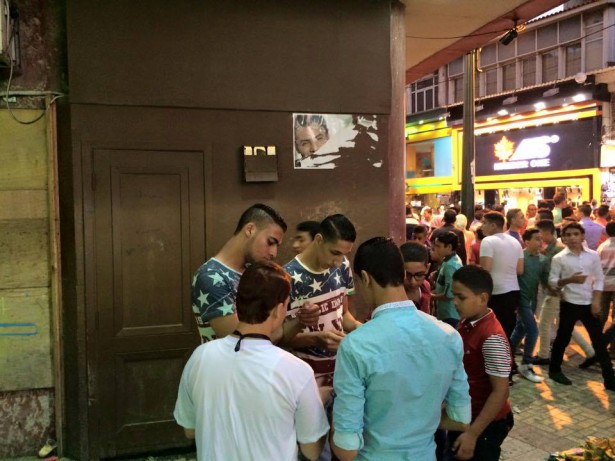
A volunteer of Alexandria: As Safe As Before speaks with a group of young men on street harassment

Activismo sin violencia, “An anti-street harassment group confronts an epidemic in Egypt”

“As Safe As Before” is a new anti-harassment campaign in Alexandria, Egypt. “Volunteers are split up based on gender, with the men dispersed to spot potential cases of harassment, and the women distributing information to girls and families about victims’ rights and encouraging them to report any case of assault to the police.”

PRI, “Indian Women Talk about Street Harassment”

“Nirali Shah, Ishani Dasgupta, Kaneez Surka, Ahvanya Sharma, RJ Malishka and Lipi Mehta have all been the subject of unwanted advances by strangers in public — and on more than one occasion, victims of sexual abuse.

The women recall uncomfortable and confusing instances of harassment from when they were as young as 10.”

The Guardian, “How the hijab has made sexual harassment worse in Iran”

“Sexual harassment is not flirting. It’s more like hunting, with the whole city becoming a giant hunting ground. For women, walking in the street can become an excruciating, fearful experience…

The hunting happens everywhere in broad daylight, with the tacit approval of all – including the very authorities supposed to protect women. There is no risk in this hunt.

The feeling of incapacitation and helplessness for women is overwhelming. “It gives you a feeling of powerlessness because it seems that, since they aren’t physically attacking you, you don’t have a right to do anything to them,” says Lucille.

The irony of a system that goes to great lengths to “protect women’s bodies” is that while harassers are acting freely, stalking and groping under the eyes of all, the moral police is arresting women for “bad hijab”, skimpy manteaus or tight leggings.”

The Fader, “Empress Of’s “Kitty Kat” Is The Reponse To Street Harassment That Pop Needed”

“I remember a stranger saying something nasty to me on the street while walking home,” Rodriguez explains recently in an interview with Yours Truly. “I was so mad but I couldn’t say anything back at that moment. What would be the point? When I got back I started to work on this aggressive sound on a track. As soon as I turned the mic on to record, I started to sing what I wanted to say to that guy on the street, but now I get to sing it every night in front of a crowd.”

Everyday Feminism, “8 Reasons Why the Policing of Parents Who Nurse in Public Is Street Harassment”

“Street harassment ‬ can also cause those of us who experience it to avoid certain places, or to feel shame or self-blame after we’re harassed. We may question why we were walking in a certain location or why we wearing a particular outfit, looking for ways to blame ourselves for our harassment.

People who are harassed for nursing in public experience similar things. They may stop going out in public, and, in some cases, it may even cut a parent’s nursing relationship with their child short, as nursing in public becomes too challenging for them and they can’t keep their supply up.

Or they may engage in self-blame for the harassment, thinking that they should have used a cover or gone out to their car to avoid being seen.

All of these consequences are a big deal – they have a damaging effect on the people experiencing them and affect people’s mental health, emotional well-being, and physical safety.”

Clutch, “Watch Serena Williams Flawlessly Shut Down Reporter Who Asked Why She Wasn’t Smiling”

“After Tuesday’s emotional match at the U.S. Open where Williams defeated her sister in three sets, reporters only wanted to ask about one thing–how it felt to play Venus.

After being asked the question multiple times, Queen Serena was rightly irritated, but when a reporter asked her why she wasn’t smiling during the press conference after her win she kept it all the way real.

To be perfectly honest with you, I don’t want to be here,” Williams said.”

The Express Tribune (Pakistan), “Dealing with harassment: Just a compliment?”

“We should train our sons to be respectful to women and our daughters to be confident enough to report a disrespectful man. But most importantly, we should tell men that women shouldn’t only be respected because they are some ones daughter, sister or mother but because of the fact that they are fellow human beings, worthy of it.”

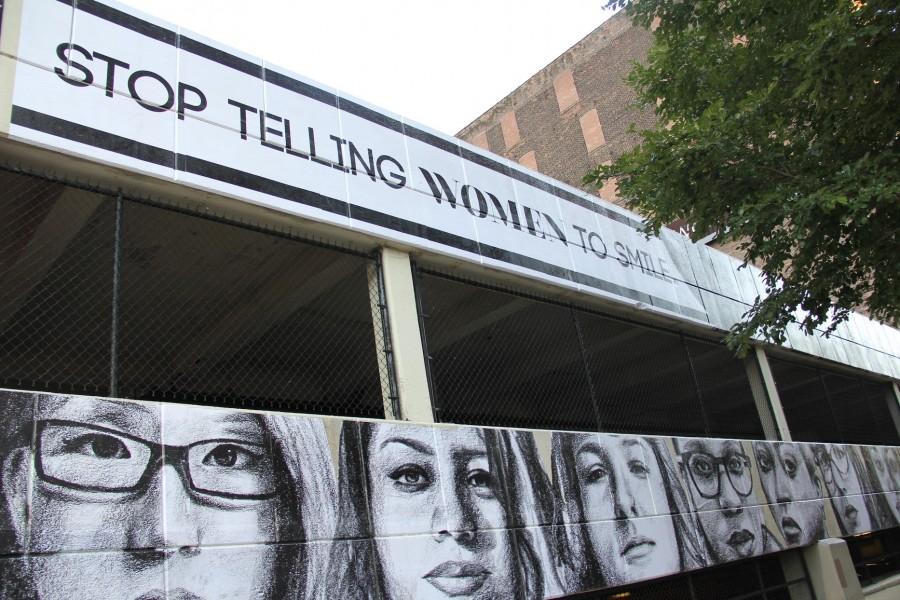
Independent Northeast Illinois University, “The Power of Art: A Mural Says What I Could Not”

Tatyana Fazlalizadeh's latest work about street harassment, a mural of women's faces and text that reads

“A controversial new mural went up in downtown Chicago earlier this month. It tells viewers: “Stop telling women to smile.”

Brooklyn-based artist, Tatyana Fazlalizadeh, created the piece to address street harassment of women. As soon as I saw her latest work, displayed near Columbia College Chicago on 8th and Wabash, I was ecstatic…

During first week of school, I was feeling a little stressed, so I walked around campus. As I walked down the street, I started trying to think of something happy to brighten my mood.

Naturally, I began to smile. No sooner did that happen did I hear a guy say, “That smile is for me, right?” I just kind of rolled my eyes and kept walking. Then, I got angry. I wanted to say, “No, my smile is not for you. My smile is for me.” I couldn’t say that though. There are a lot of reasons why, namely that I wanted to avoid confrontation and the best way for me to do that was to keep walking.

The most unfortunate part of these types of situations is they take something beautiful — a smile — and turn it into something dangerous, something to be ashamed of, something that gets patrolled. What I do or don’t do is no one else’s business. That should be respected.

So thank you, Tatyana Fazlalizadeh, for publicly saying what I could not. I hope that everyone takes notice.”

Medium, “Online harassment silences women’s voices, and the last thing we need is to hide in a women-only social network”

“To relegate women to a special women-only social network rather than address the fundamental issue of enforcing widespread online civility is both putting our heads in the sand and blatantly, purposefully removing women’s voices from public conversations…

I propose an alternative — how about men and women alike embrace online civility and help each other loudly confront inappropriate behavior when present. A salient and creative example is Kari Traa, who recently founded Trollfighters and staged a fashion show to give victims of online harassment a venue to very publicly shame their harassers.”

The Free Thought Project, “Pervert Cop Chased Woman Down as He Masturbated, Luckily She Got Pictures to Prove It”

“On Friday, Sgt. Mason was arrested and charged with misdemeanor counts of indecent exposure and engaging in a lewd act. San Jose police spokesman Albert Morales confirmed on Wednesday that Mason has been placed on paid administrative leave.”

XO Jane, “I Said No When A Man Asked Me To Smile, So He Physically Made Me”

“The other day, I declined a man’s request to smile, so he got up, grabbed my face and physically tried to make me.”

Vanity Fair, “Jewel Shares Stories of Sexual Harassment in the Music Industry”

“She recounted further tales of harassment from her time as a homeless person: “I’ve never been more propositioned by businessmen in my life. It was almost like they were sharks that could smell blood, like of vulnerability. I’d go back to my car, writing songs, and men would literally come up and proposition me. They would be like, ‘Hey, do you need rent money?’ you know, and things like that. It was pretty wild. I never took anybody up on it, but it was interesting to see this side of men that basically would prey on somebody vulnerable.”

The Guardian (Nigeria), “Sexual harassment, intimidation hinder women’s participation in election – Stakeholders”

“A coalition of NGOs and other stakeholders on Tuesday identified sexual harassment, intimidation and lack of support as some causes for the declining rate of women’s participation in elections….The coalition of NGOs and stakeholders observed that cultural norms, male dominance, high illiteracy level among women also caused the participation and interest in politics to dwindle.”

SIT Digital Collections, “Understanding Street Harassment in Jordan: A Comparative Analysis of Syrian Refugees’ and Jordanian Citizens’ Experiences of Street Harassment in Jordanian Host Communities”

“A variety of United Nations and non-governmental organization reports have illustrated that Syrian refugees are increasingly vulnerable to street harassment in host communities. Because there have been no official statistical studies on the prevalence of street harassment in Jordan, there is no evidence that the rate of street harassment experienced by Syrian refugee women in Jordanian cities is any different than the rate of harassment experienced by Jordanian women in Jordanian cities.

The purpose of this study was to determine the prevalence of street harassment experienced by both Syrian and Jordanian women in Jordan.”

The Fusion, “People of color are sharing powerful stories of discrimination on the #afterseptember11 hashtag”

This is another part of 9/11 we need to ‪#‎neverforget‬ and vow as a country to be better.

@brahim_san ‪#‎afterseptember11‬ my mom was called “bin laden’s mom” on the street and God knows what else she has to endure she’s not telling me.

@niaisasquare #afterseptember11 my mom stopped wearing her hijab in public because of the profiling and looks of disgust. She literally feared her life.

Towleroad, “Ohio Gay Man Endures Gay Slurs, Savagely Beaten After Leaving Cleveland Gay Nightclub”

“The attack on Jarrell was so severe it caused his brain to swell and bleed and he lost 80 percent hearing ability in his right ear.

As murders of trans people continue to rise, discriminatory attacks and murders of LGBT people remain a consistent, stark reality throughout the nation.”

So terrible. We wish him a speedy recovery!

Mashable, “NYC woman gets street harassed during Periscope livestream”

“I used to think it was kind of flattering, and then I noticed it happening all the time. I realized it wasn’t about me; it was about these guys wanting to exert their animal prowess and dominance over women.”

DNA Info, “Queens Bike Workshops Aim to Get More Ladies Cycling”

“A group of workshops geared specifically for women will cover the basics of cycling and bike maintenance in an effort to get more ladies riding.

Nonprofit Recycle-a-Bicycle is teaming up with Rockaway Brewing Company and advocacy group Get Women Cycling to host the monthly classes for women — covering topics from brake repairs to street harassment.”

Broadly, “Would On-The-Spot Fines Stop Catcalling for Good?”

“Ultimately, fines won’t stop street harassment alone. Only structural changes—greater education in schools, publicity campaigns, more and better policing and legislation if necessary—will eradicate street harassment. Unfortunately, all of these measures are expensive, and difficult to introduce. If lawmakers view street harassment as a real crime, and commit real funds to tackle it, with fines if necessary, there’s every possibility we can wipe out catcalling in a generation. But will our governments make this a priority? I wouldn’t count on it.”

RoleReboot, “Why I Talked To My 13-Year-Old Daughter About Street Harassment”

“I remind her: If someone harasses you, fight back however you feel most comfortable and most safe—in the moment with your words, or by crossing the street. Make art that expresses your thoughts and feelings. Write it down. Educate people. Talk to your friends. Talk to me.”

The Siasat Daily, “20,000 police force deployed for 11 day festivities in Hyderabad”

“With a view on maintaining law and order in the twin cities of Hyderabad and Secunderabad, as many as 20,000 police personnel deployed as bandobust during the 11 days of Ganesh festival and the same forces would also be deployed for the Assembly sessions and Bakrid festival that fall on September 23 and 25 respectively.

Along with 20,000 police personnel from Hyderabad and other districts of Telangana, additional forces from Andhra Pradesh and Chhattisgarh are being drawn for bandobust, in order to maintain peace during the festivities and to curb pick pocketing,eve-teasing in the city.”

The New Indian Express, “The Politics of a Stare”

“I was so angry I could barely get any words out. We have the right to be angry when a man stares at us. We have the right to be angry when a man passes a remark about our bodies. Because no, it is not a compliment. It does not make us feel beautiful. We get to decide when a stare makes us uncomfortable. We can tell the difference between a man “appreciating our beauty”, and a man who is trying to “put us in our place” by making us feel like we don’t belong.

We all know the stare I am talking about — the kind that makes our skin crawl. The kind that makes us avoid eye contact. The kind that makes us retreat into a shell, just so that we can make ourselves invisible. So no, it is nothing remotely romantic, it is not personal, it is not friendly. It is an expression of power designed to make us feel vulnerable, to assert the masculinity of public spaces.”

Egyptian Streets, “Egypt’s First All-Women Pink Taxi: Does Segregation Curb Sexual Harassment?”

“However, is keeping women away from men the answer to resolve this major societal issue?

“Keeping women away from men is not the answer to sexual harassment because at the end of the day, I may not be harassed by a cab driver but I am positive that a minute’s walk down the street would result in a few unwanted words and looks,” said Sara Mohammed, a 21-year-old Mass Communication student.

“Men in Egypt need to understand that we are not inferior, and they have no right to harass a woman regardless of what she is wearing or how she’s acting,” Sara explained. “It’s time they accepted that!”

The Pink Taxi initiative does resolve a small fraction of the sexual harassment epidemic in Egypt; women no longer have to fear getting sexually harassed, assaulted, or violated by a cab driver.”

Business Insider, “A new app that lets users’ friends ‘virtually walk them home at night’ is exploding in popularity”

“Tens of thousands of people around the world are now using a free personal-safety mobile app that allows friends to virtually walk you home at night.

The Companion app, created by five students from the University of Michigan, enables users to request a friend or family member to keep them company virtually and track their journey home via GPS on an online map.

Although they can do so, the friend or family member does not need to have installed the Companion app, which is available for both Android and iOS.

The user can send out several requests to different phone contacts in case people are not available to be a companion or not with their phones at the time.

Those contacted then receive an SMS text message with a hyperlink in it that sends them to a web page with an interactive map showing the user walking to their destination. If the user strays off their path, falls, is pushed, starts running, or has their headphones yanked out of their phone, the app detects these changes in movement and asks the user if they’re OK.

If the user is fine, they press a button on the app to confirm within 15 seconds. If they do not press the button, or a real emergency is occurring, the Companion app transforms the user’s phone into a personal alarm system that projects loud noises to scare criminals from the scene, and gives you the option to instantly call the police.”

Share

Filed Under: News stories, street harassment

Labour candidate Corbyn wants to tackle street harassment in the UK!

August 26, 2015 By HKearl

UPDATE: His campaign sent me this on 8/28:

Here’s a quote we just gave to the Guardian on the women-only carriages controversy specifically: “This is one of seven policy ideas that have arisen from issues raised by women, asking women for their views on how best to deal with harassment in public spaces. These policies are all driven by the knowledge that we must tackle harassment by changing men’s behaviour, not blaming or penalising women – this is why they include proposals for better holding men to account, for ensuring women can report incidents without fear of being dismissed, and for better equipping public officials to prevent harassment.  At last we are having a national debate about the problem of harassment in our society – it has been overlooked by the political and media establishment for too long. Our policy in this area will be driven by the views of women.”
 
The full policy doc is here:  http://www.jeremyforlabour.com/end_street_harassment What it says about carriages specifically is: “Consultation on public transport: Some women have raised with me that a solution to the rise in assault and harassment on public transport could be to introduce women only carriages. My intention would be to make public transport safer for everyone from the train platform, to the bus stop to on the mode of transport itself. However, I would consult with women and open it up to hear their views on whether women-only carriages would be welcome – and also if piloting this at times and modes of transport where harassment is reported most frequently would be of interest.”
Two of the women who were involved in drafting the document wrote these articles on the subject:
http://www.newstatesman.com/politics/2015/08/jeremy-corbyns-plans-are-step-right-direction
http://www.huffingtonpost.co.uk/anneliese-midgley/we-need-to-stop-street-harassment_b_8044470.html

Jeremy Corbyn, Labour leadership candidate in the UK, revealed his platform to end street harassment yesterday. I applaud him for doing so and see his actions as a sign that compared with just a few years ago, more people are recognizing that street harassment is a human rights violation that limits harassed persons’ access to public spaces.

In fact, this significant shift in just a few years is the topic of my new book (out in 4 days!) Stop Global Street Harassment: Growing Activism Around the World.

I support many of Corbyn’s suggestions, like running an advertising campaign about street harassment, fostering cross-sector collaborations to address the issue, and ensuring that public safety issues are represented and addressed by local and national political leaders. But he also wrote that he would consider women-only public transportation, something he said “some women have raised with me.”

While I am all for conversations around street harassment and solutions, one idea that troubles me is sex-segregation on public transportation. I write about this in-depth in my forthcoming book, but in short: it’s a band-aid solution that puts the onus on women to try to stay safe instead of challenging the bad behavior and it does not account for men’s experiences with sexual harassment and assault, which, while overall happens less, does still happen. This is especially true for men who are or who are perceived to be gay, bisexual, queer, transgender, and/or effeminate.

While I applaud any person, including politicians like Corbyn, who wants to address street harassment (and I thank him for the very kind shoutout to Stop Street Harassment for our work), I want to suggest to anyone who wants to create policy on this issue that instead of sex-segregation, we need education in schools about all forms of sexual harassment, about respect, consent, and what one’s rights are if one faces harassment. We need public service campaigns encouraging communities to not tolerate harassment and to speak out when friends, family, and colleagues engage in inappropriate behavior. And we also need media outlets and companies to stop portraying street harassment as a joke or compliment in tv, movies, songs, and advertising.

Share

Filed Under: News stories, street harassment

« Previous Page
Next Page »

Share Your Story

Share your street harassment story for the blog. Donate Now

From the Blog

  • #MeToo 2024 Study Released Today
  • Join International Anti-Street Harassment Week 2022
  • Giving Tuesday – Fund the Hotline
  • Thank You – International Anti-Street Harassment Week 2021
  • Share Your Story – Safecity and Catcalls Collaboration

Buy the Book

  • Contact
  • Events
  • Join Us
  • Donate
  • Facebook
  • Instagram
  • Pinterest
  • Tumblr
  • Twitter
  • YouTube

Copyright © 2026 Stop Street Harassment · Website Design by Sarah Marie Lacy