• About Us
    • What Is Street Harassment?
    • Why Stopping Street Harassment Matters
    • Meet the Team
      • Board of Directors
      • Past Board Members
    • In The Media
  • Our Work
    • National Street Harassment Hotline
    • International Anti-Street Harassment Week
    • Blog Correspondents
      • Past SSH Correspondents
    • Safe Public Spaces Mentoring Program
    • Publications
    • National Studies
    • Campaigns against Companies
    • Washington, D.C. Activism
  • Our Books
  • Donate
  • Store

Stop Street Harassment

Making Public Spaces Safe and Welcoming

  • Facebook
  • Instagram
  • Pinterest
  • Tumblr
  • Twitter
  • YouTube
  • Home
  • Blog
    • Harassment Stories
    • Blog Correspondents
    • Street Respect Stories
  • Help & Advice
    • National Street Harassment Hotline
    • Dealing With Harassers
      • Assertive Responses
      • Reporting Harassers
      • Bystander Responses
      • Creative Responses
    • What to Do Before or After Harassment
    • Street Harassment and the Law
  • Resources
    • Definitions
    • Statistics
    • Articles & Books
    • Anti-Harassment Groups & Campaigns
    • Male Allies
      • Educating Boys & Men
      • How to Talk to Women
      • Bystander Tips
    • Video Clips
    • Images & Flyers
  • Take Community Action
  • Contact

Historic DC City Council Hearing

December 4, 2015 By HKearl

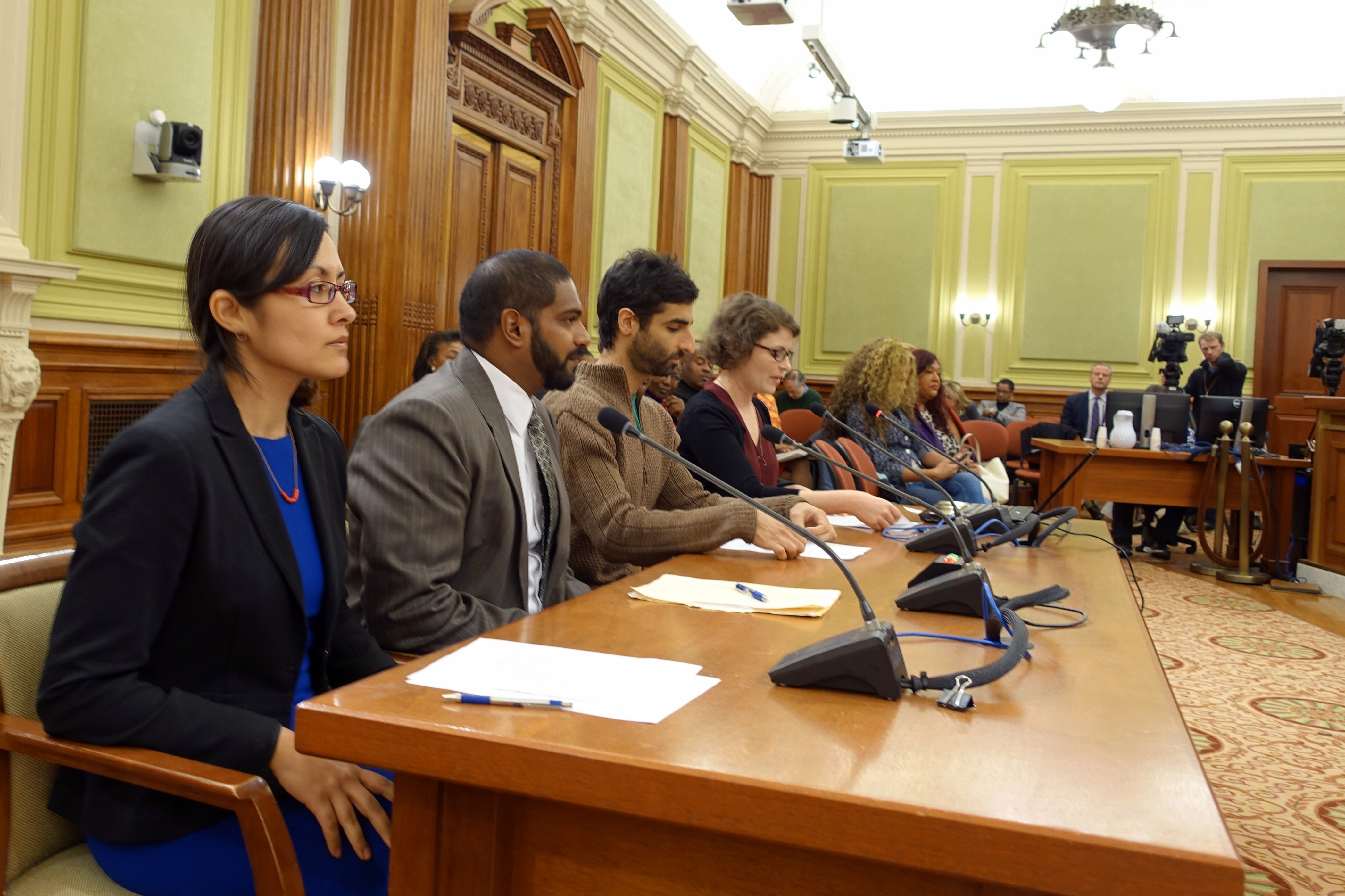
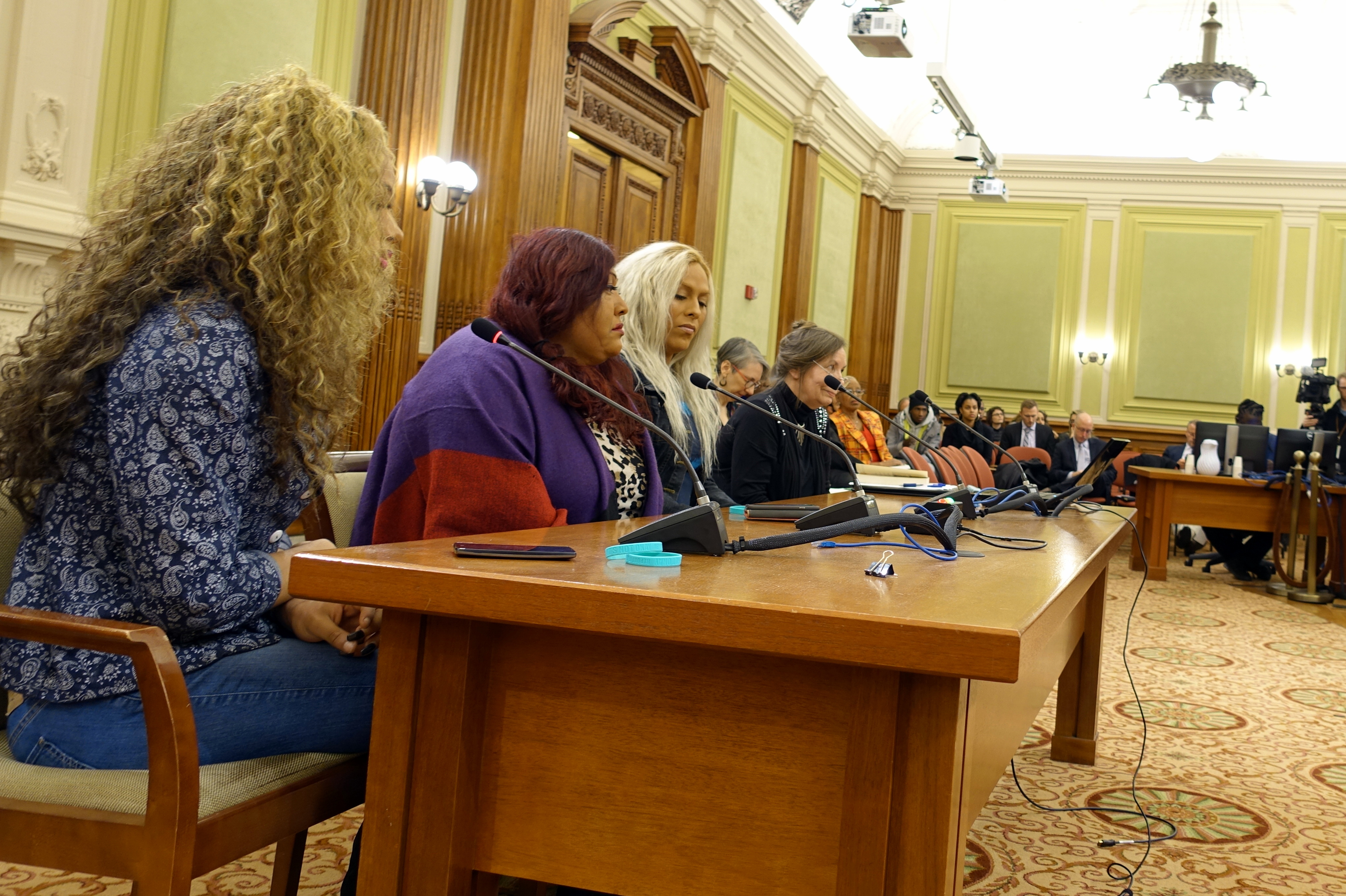
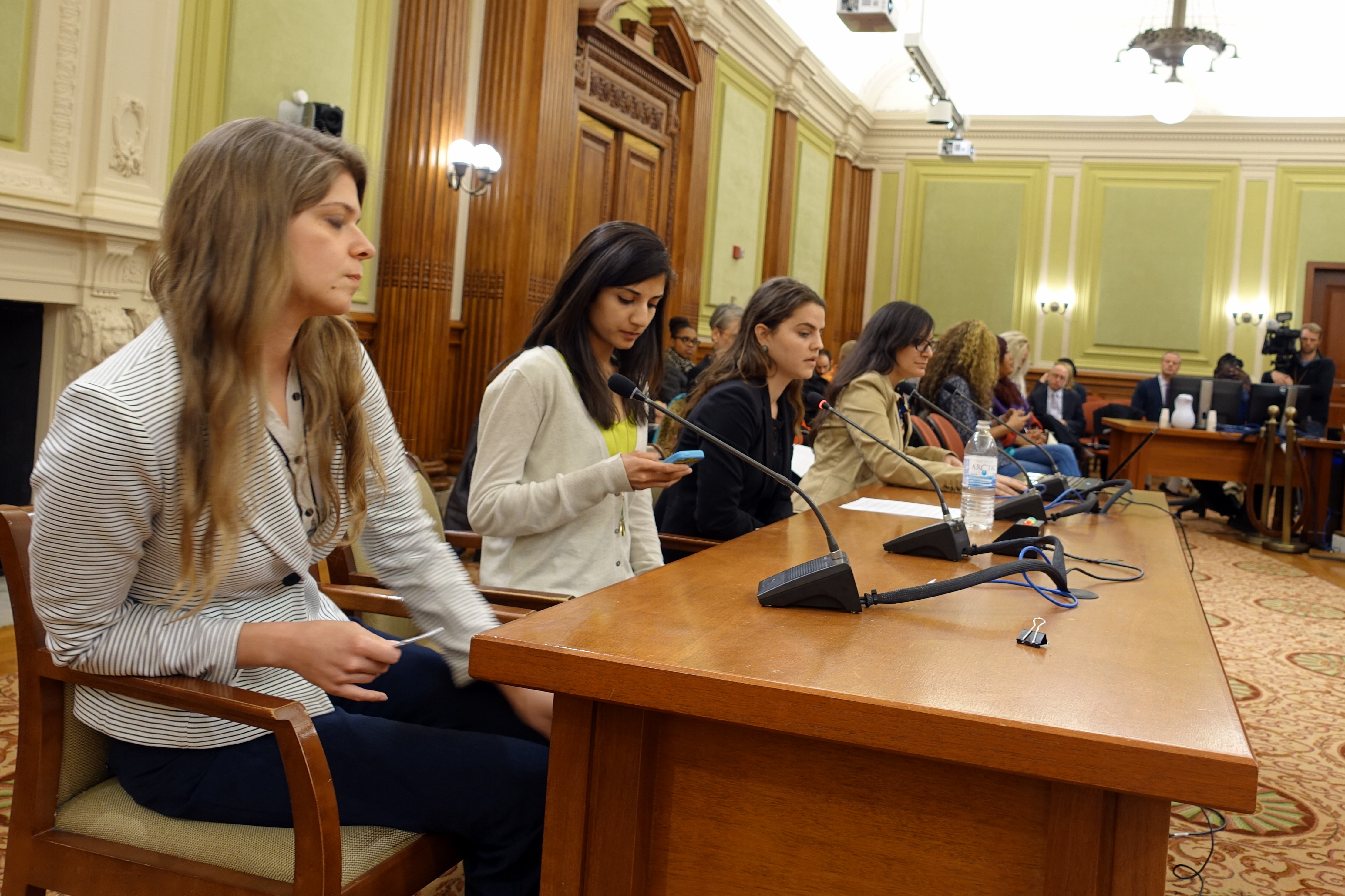
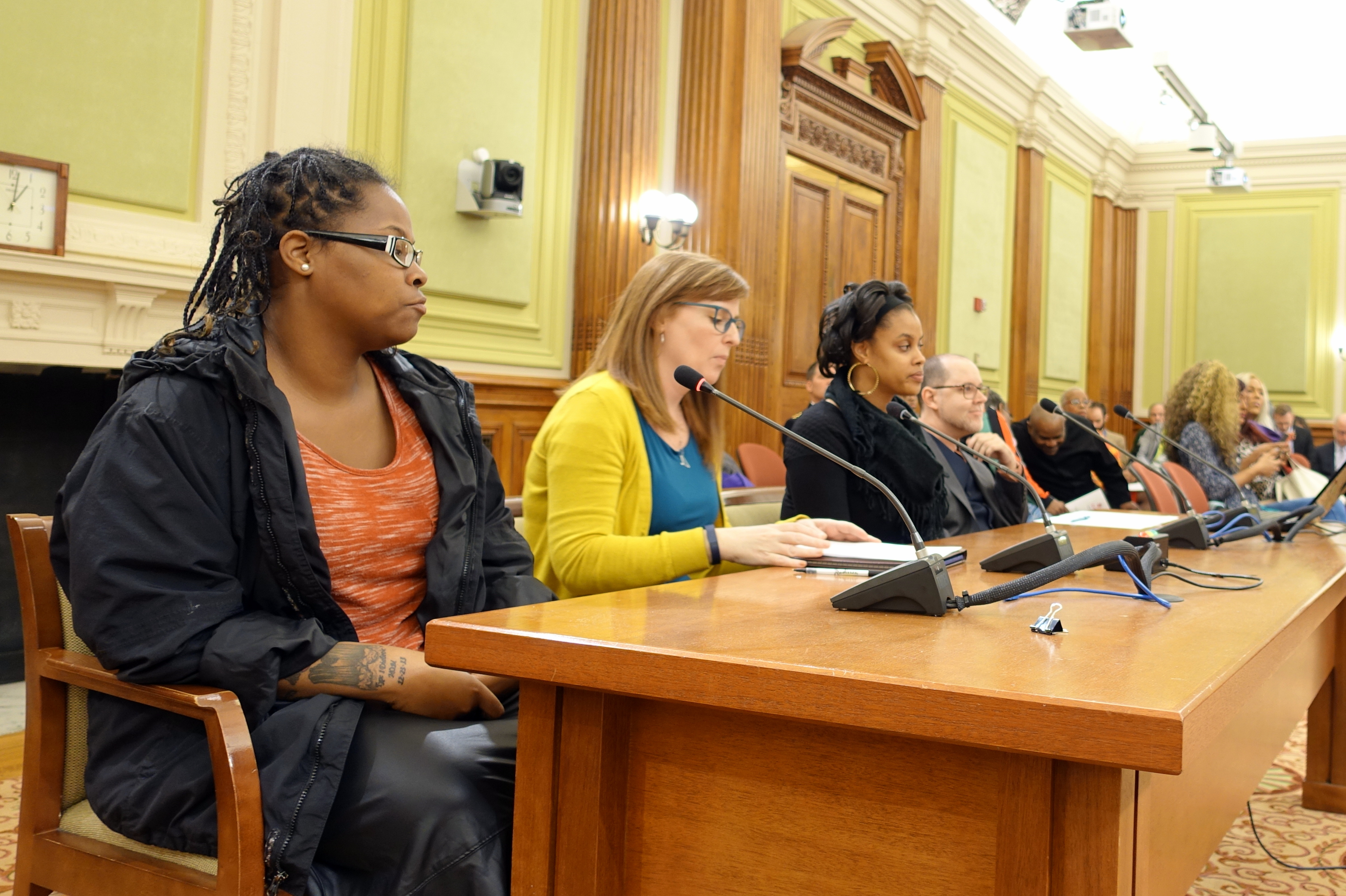
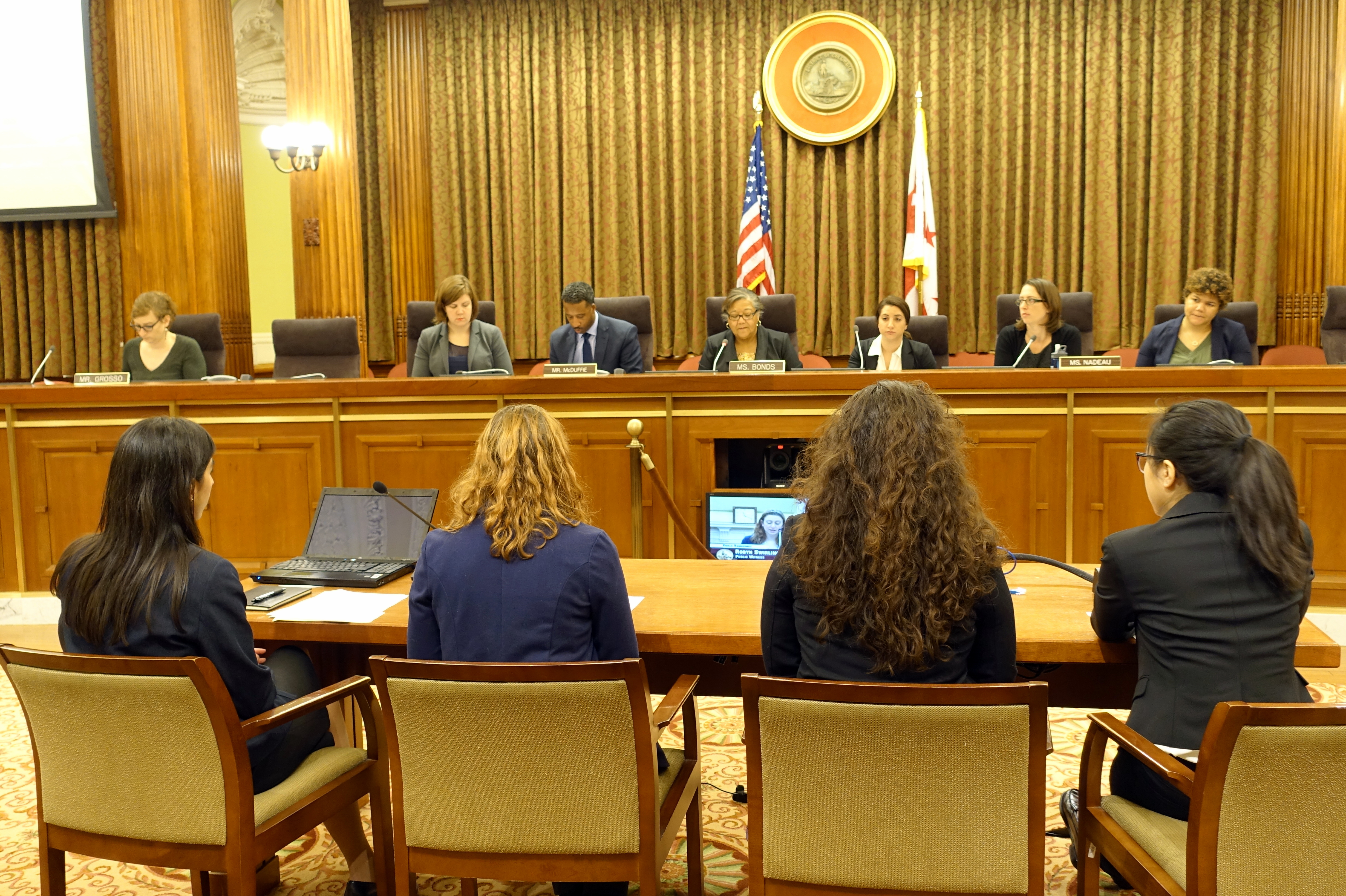
12.3.15 third panel DC Council Hearing -2The fourth ever hearing on street harassment was held in Washington, DC, on December 3, 2015. The first was held in 2010 in New York City, the second in Philadelphia in 2013 and the third in Kansas City in 2014.

The hearing was requested by Ward 1 D.C. Councilmember Brianne K. Nadeau and co-convened by the Committee on the Judiciary and Committee on Housing and Community Development. Our ally organization Collective Action for Safe Spaces was instrumental in helping the hearing happen, organizing witnesses, and crafting talking points and assisting people with their testimonies.

This is from Councilmember Nadeau’s website:

“Unfortunately, many residents in the District have experienced some form of street harassment, which can include vulgar remarks, heckling, insults, innuendo, stalking, leering, fondling, indecent exposure, and other forms of public humiliation, often focused on the individual’s perceived gender, gender identity, race or ethnicity, or disability. Street harassment impairs the ability of District residents to move freely and safely and contributes to a broader culture of violence. The roundtable will provide an opportunity for stakeholders to identify additional steps that could be taken to better understand and address the issue.”

The hearing lasted for four hours and 15 minutes. During the public portion, there were people representing various organizations, including CASS, SSH, Defend Yourself, Muslim American Women’s Policy Forum, Casa Ruby DC, and the Washington Area Bicyclist Association. There were individuals who shared heartbreaking and moving stories, including a mother and her teenage daughter, three transwomen of color, women of all races, and four male allies, including three men of color. CASS did a commendable job ensuring that a range of voices and viewpoints were represented in the panel.

Government officials also testified at the end, including the chief of police for the transit system and a representative from the mayor’s office in the department of human rights.

I was proud to join SSH board member Layla in testifying. You can read or watch her testimony here and read my full testimony here.

It was exciting to have SSH’s national study cited numerous times by the council members and people testifying. Many of us who testified advocated for the city council to collect DC-specific data so we can better understand the problem and work on non-criminal, community solutions. There was a special focus on asking for help working with bars — common sites of harassment — for CASS and Defend Yourself’s Safe Bars program.

Many people live tweeted throughout the event using #RaiseTheBar. A Storify will be available soon.

Photos:

(Click on the photo to see a larger version.)

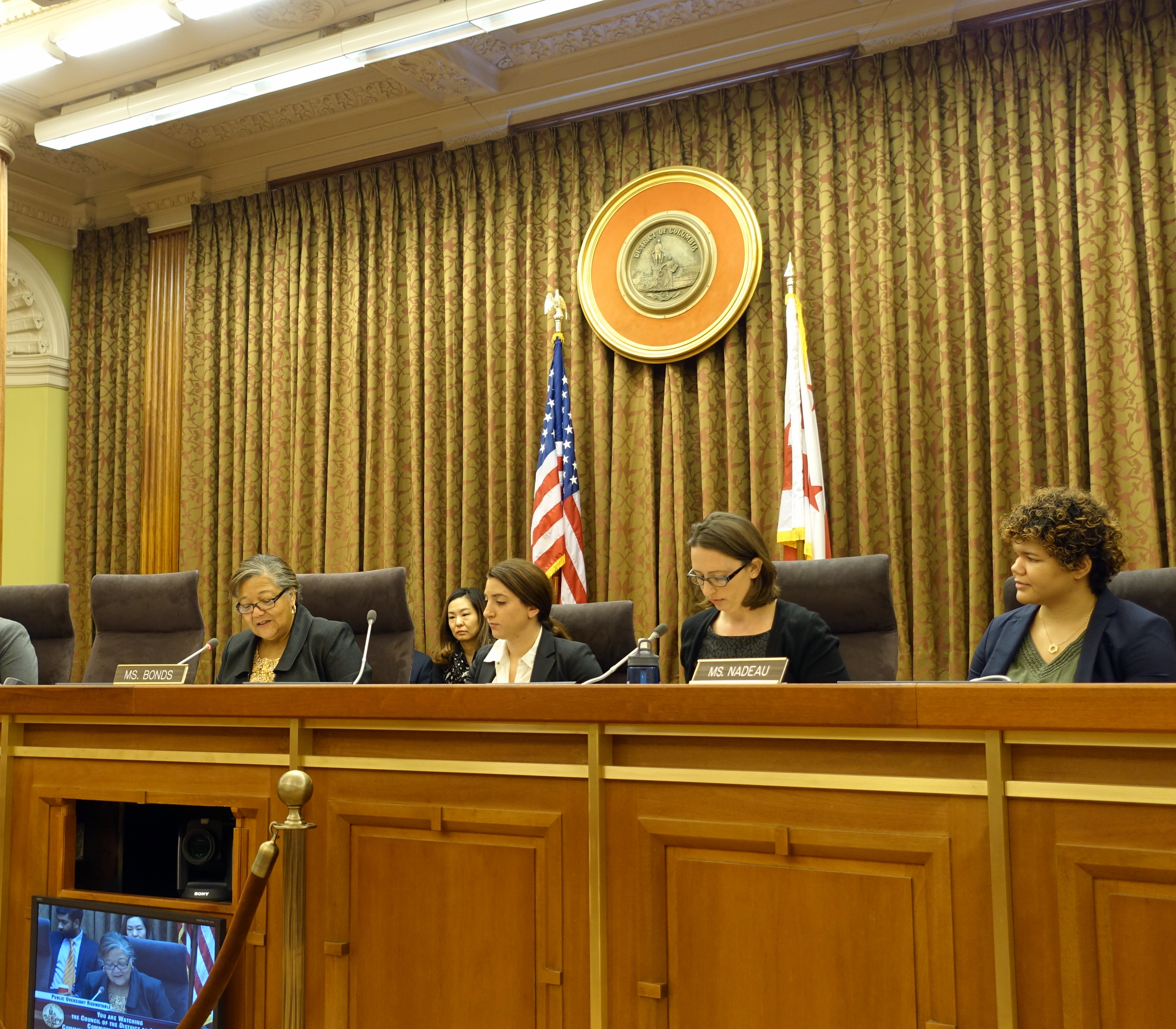
DC council members Bond and Nadeau with their staff
DC councilmembers Anita Bond and Brianne Nadeau with their staff

First panel of speakers (L to R): Paris Sashay, Nelle R Pierson, Holly Kearl, Jessica Raven

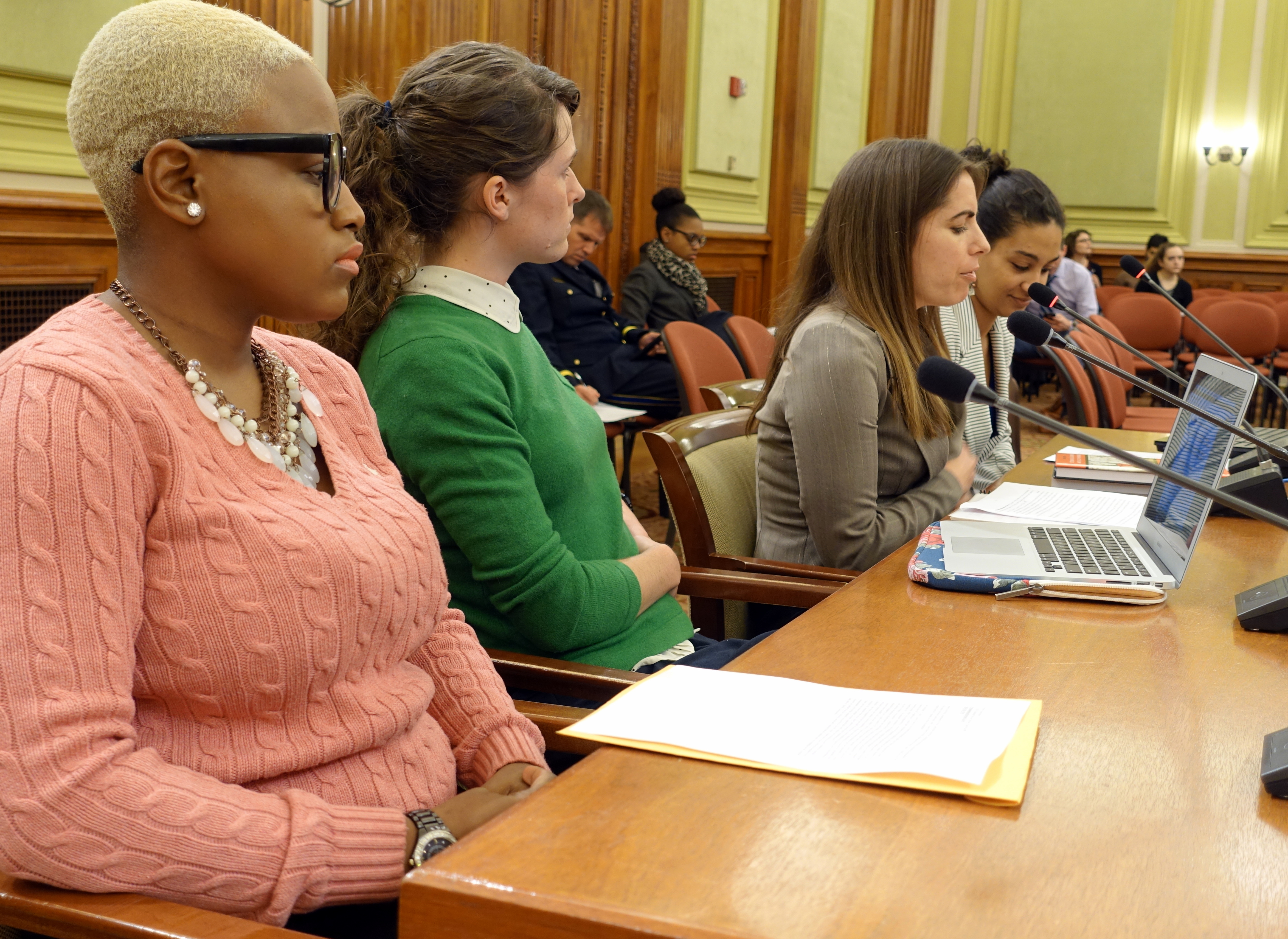
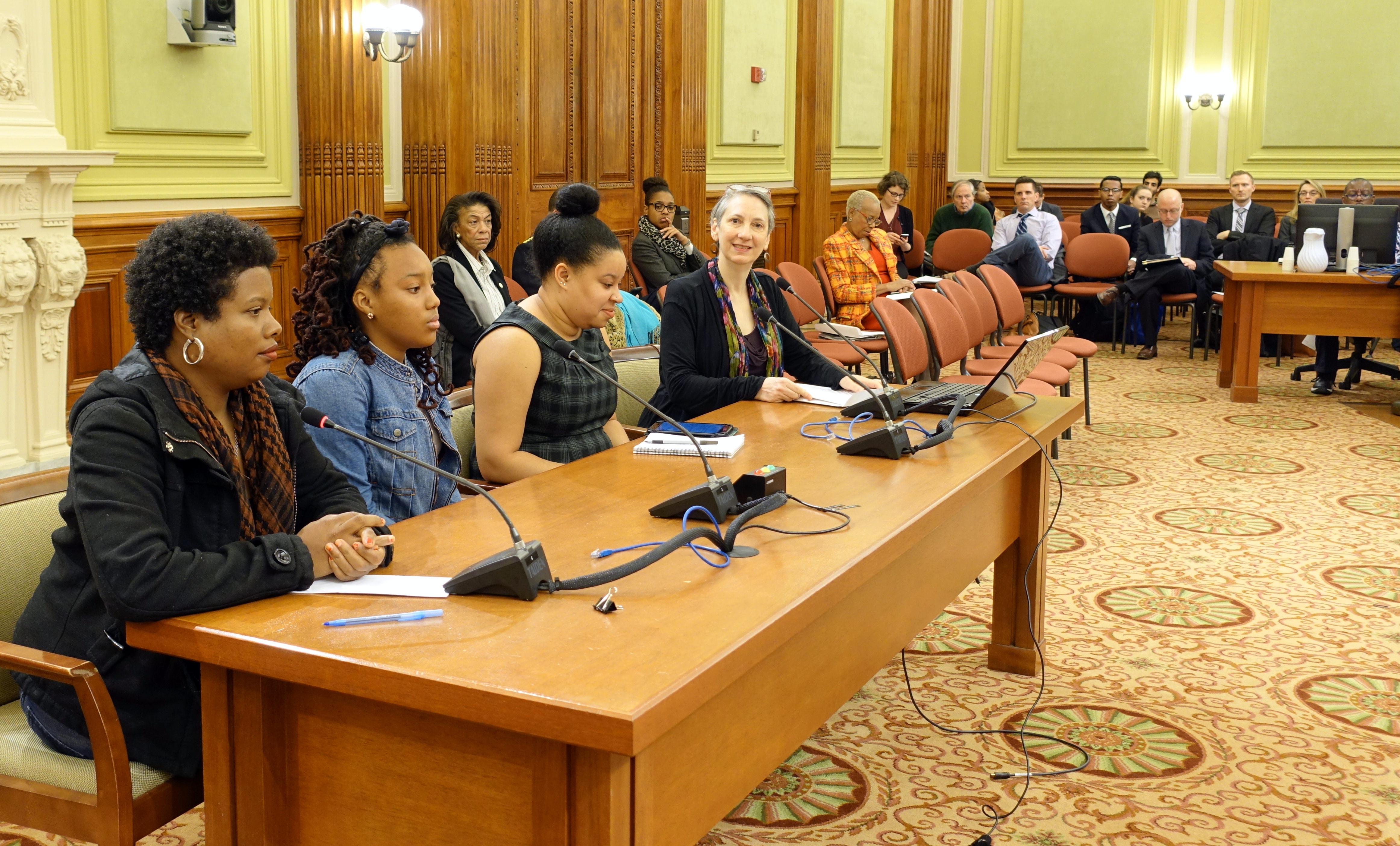
Second panel of speakers (L to R): Schyla Pondexter-Moore and her daughter Carol Pondexter, Krystal Leaphart, and Lauren Taylor

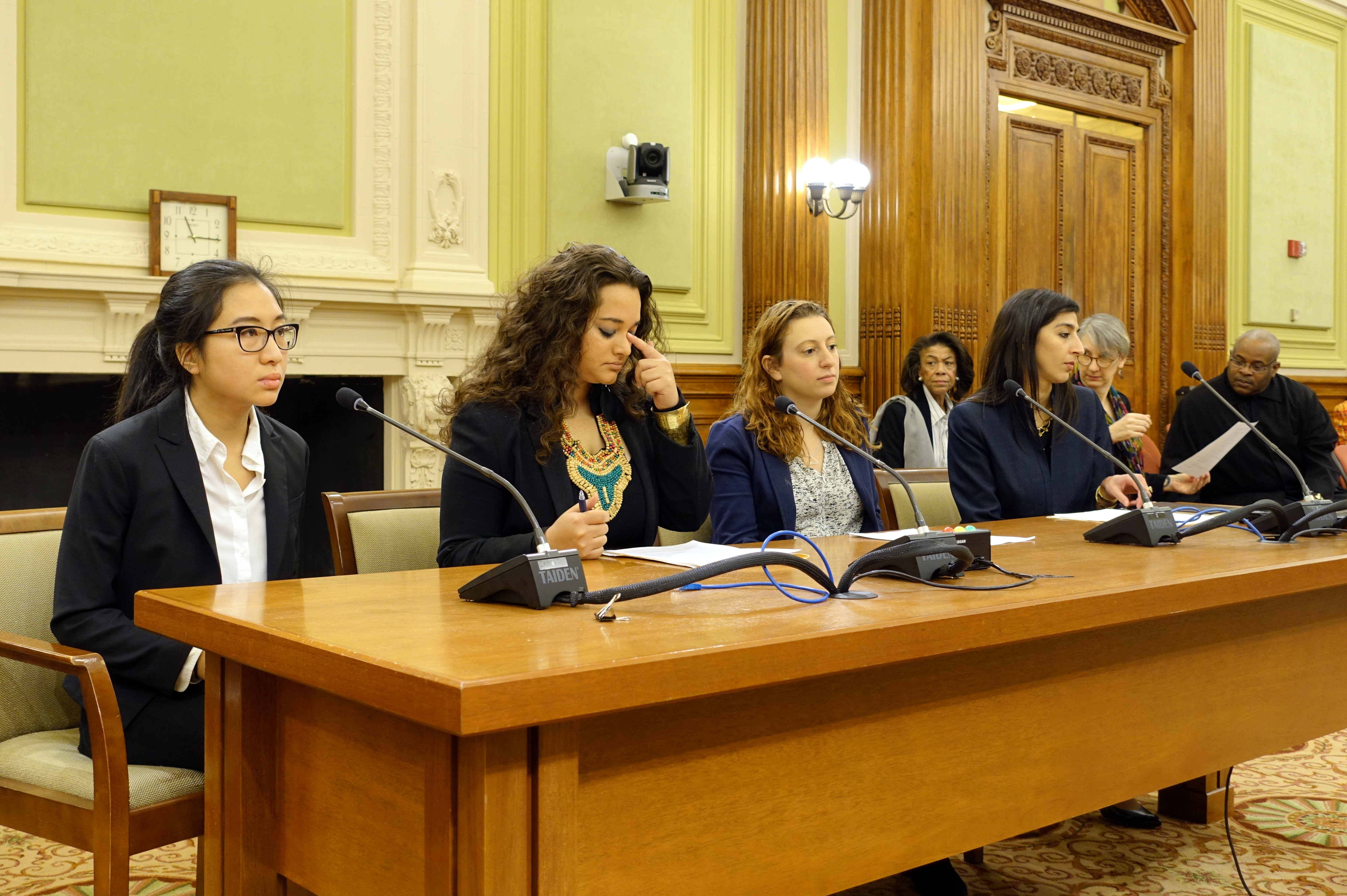
Third panel of speakers (L to R): Melissa Yeo, Darakshana Raja, Robyn Swirling and Layla Moughari

Fourth panel of speakers (L to R): Star Silva, Dave Chandrasekaran, 16.Ramin Katirai, and Julia Strange
Fourth panel of speakers (L to R): Star Silva, Dave Chandrasekaran, Ramin Katirai, and Julia Strange

Fifth panel of speakers (L to R): Tanisha Phllips, Ruby Corado, Lissa Alfaro, and Marty Langelan

Sixth panel of speakers (L to R): Mindi Westhoff, Rudhdi Karink, Shannon Kreider, and Jazmin Gargoum

Seventh panel of speakers (L to R): Carshena Chambers, Melissa Kleder, Valenteen Love, and Ben Merrion

Testimonies:

You can watch the entire hearing via the DC Council’s website. Closed Caption is available. I also recorded videos of several people who testified and those are available in this playlist on the SSH YouTube Channel. These are two of my favorite testimonies.

An amazing mother-daughter duo talk about how this issue unique affects teenage girls.

A passionate plea from a survivor of sexual abuse.

Media Coverage:

NPR interviewed councilmember Nadeau and CASS’s interim director Jessica Raven for a morning segment before the hearing (I was thrilled to hear on my drive to the hearing!).

In the evening, there were segments on NBC4, Fox5, and WUSA9.

The Washington Post, Washington Blade, The DCist and the Washington City Paper covered it too.

Share

Filed Under: Events, LGBTQ, male perspective, national study, News stories, police harassment, Resources, SSH programs, street harassment Tagged With: city council hearing, Washington DC

#GivingTuesday 2016!

December 1, 2015 By HKearl

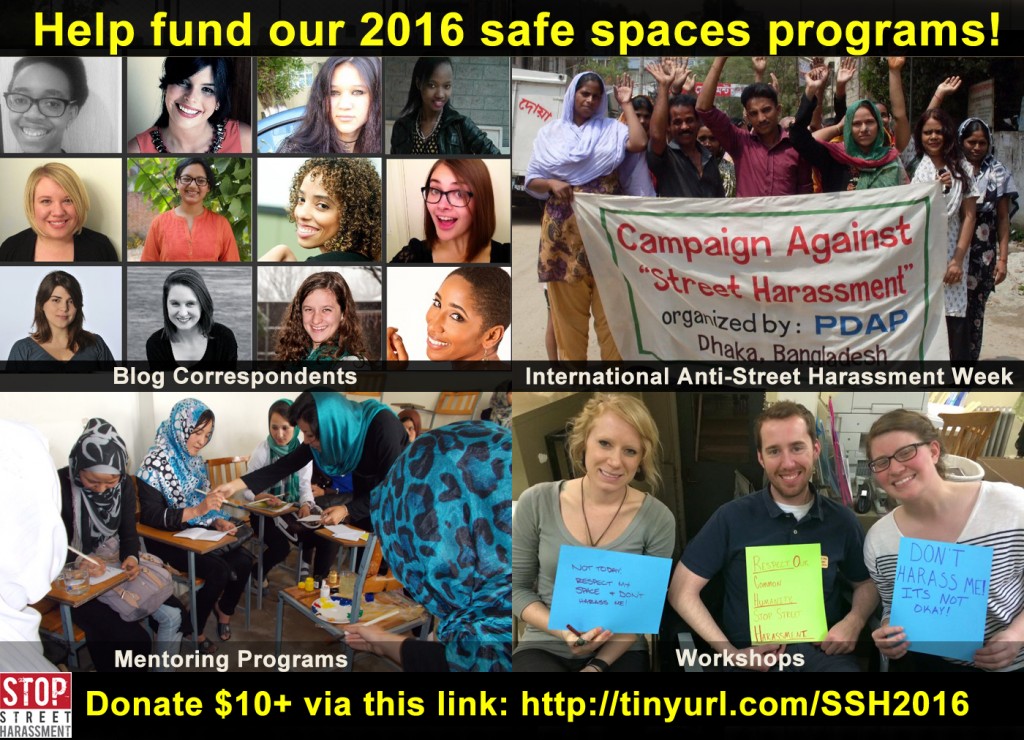
You can help make public spaces safer on Giving Tuesday with a $10+ donation. Donate TODAY and Lyft will match it, doubling your impact!

Your donations will fund our 2016 programs, including our mentoring program and the 6th annual International Anti-Street Harassment Week (April 10-16, 2016). THANK YOU for making a difference.

SupportOur2016Programs


Share

Filed Under: SSH programs Tagged With: donate, GivingTuesday

Asian American Women Share their Stories

November 29, 2015 By HKearl

Note: Last year, SSH released a national study on street harassment that includes the results of a 2,000 person nationally representative survey and 10 focus groups with under-represented voices. As I have the opportunity and resources to do so, I will continue holding focus groups. Focus group #11 was with Asian American women in Boston, Massachusetts earlier this month. Below is a two-page summary from it, which is also now included in the research report (see pages 59-60). Thank you to the women who participated and to Sarah Chang for inspiring it and hosting it.

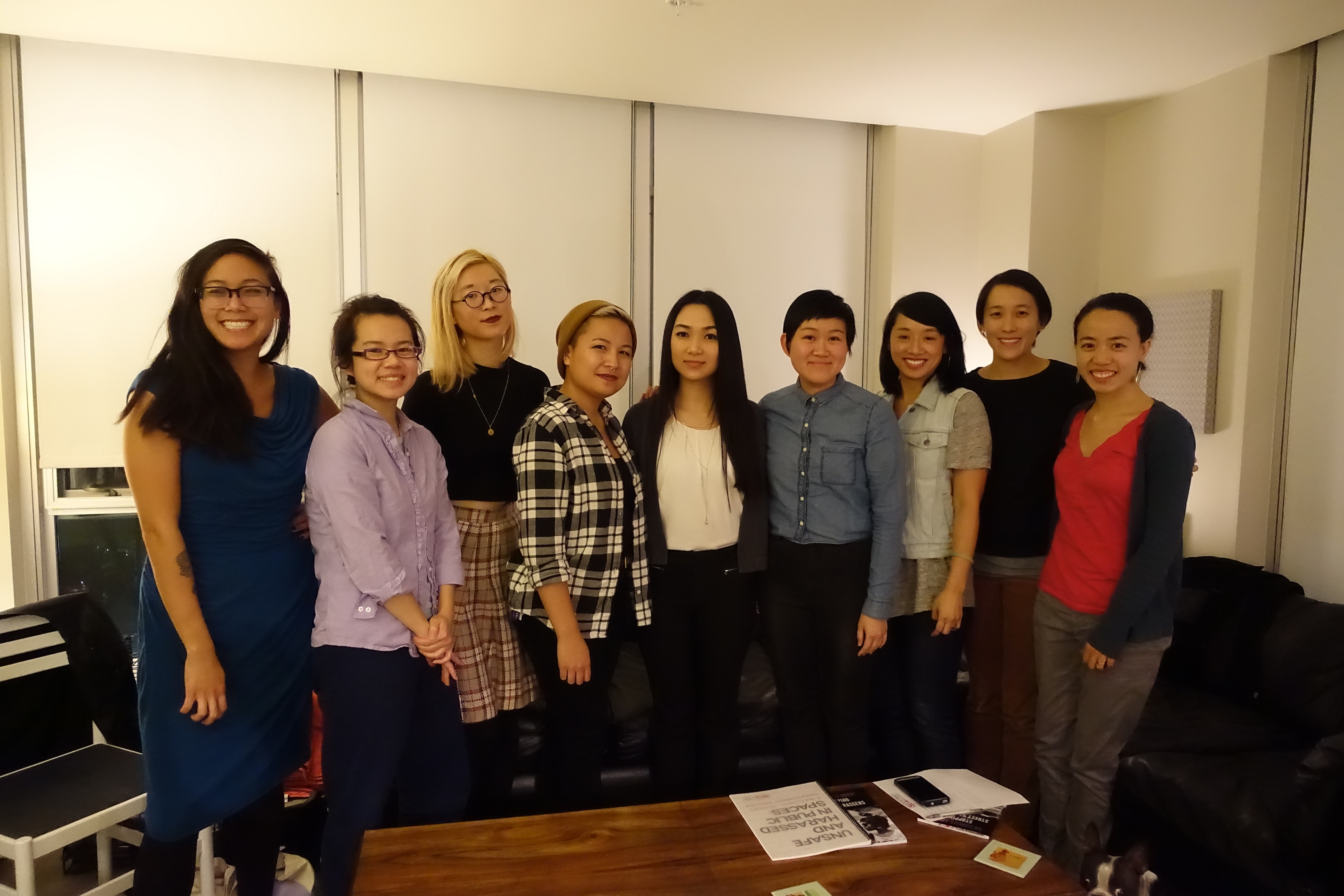
11.4.15 Asian American women SSH focus group in Boston, MAAsian American women in the SSH focus group in Boston, MA.

Asian American women’s harassment experiences are often overlooked. Thus, in November 2015, nine women with nations of origin from varying East Asian and Southeast Asian countries came together in Boston, Massachusetts, to document and talk about their experiences.

Participant Pam said, “I appreciate talking about identity and race. I think a lot of times in data and research, the Asian American voice is not included, which unintentionally leaves us silenced and reinforces the stereotype that we are silent.”

In sharing their stories, men following them, blocking their path, or engaging in repeated harassment emerged as common themes.

A man followed Catherine for approximately 45 minutes until she was able to lose him in a grocery store that had a back exit. She talked about her feeling of paranoia and fear. “All you want to do is shut down but you have to somehow keep going or something bad may happen.”

Eight white men harassed Jenn as she entered a subway station, then followed her and sat all around her as she waited for the subway. Then they surrounded her on the subway. “At this point I’m terrified,” she said. “I’m like what if they follow me to the stop? What if they get off at the stop with me?” Finally, before her stop, they got off.

Angela was in her car in an empty grocery store parking lot and as she was getting ready to leave, a man in a black SUV pulled up behind her, blocking her in. He came over and tapped on her window. Thinking he needed directions, she rolled down her window only for him to then tell her she was beautiful and hit on her. She rolled up her window and yelled that she needed to go. Fortunately, he drove away and let her.

A man engaged Cassie and the woman she was dating in conversation outside a club. Then he escalated to harassment, following them inside. He only left them alone once a bouncer ejected him from the club.

A man followed D. from the post office nearly all the way to her office. Finally he got the hint that she was uncomfortable

A man harassed Sarah three different times near her home, including telling her to “suck my dick.” She filed a police report.

Like women in other racial groups, many of their experiences with street harassment are racialized. They all agreed it is common for men to yell “Nǐ hǎo” or “Konichiwa” (“hello” in Chinese and Japanese, respectively) at them. Notably, this happens no matter the woman’s nation of origin.

When Catherine was reading on a park bench, a man repeatedly said “Nǐ hǎo” and “Konichiwa” to her, but then he quickly escalated to sexualized epithets. “Things like, ‘Oh your pussy must be sideways,’ and ‘has anyone ever fucked you?’” she said.

Various men have asked the women what they are. Katie said, “Instead of hello, they say what are you? Are you Chinese?”

Every woman said most, if not all, of her harassers have been non-Asian men, some of whom seem to be fetishizing them. Pam mused this may be because “There is this special race power element of ooh you’re this little Geisha who won’t talk about it.”

Several of them noted that the harassment tends to be worse when they are with another Asian American woman who is either a romantic partner or a friend.

Pam said, “It’s like some sick white man’s fantasy that there are two Asian American women together. It excites them even more.” As an example, she shared this story: “I was on the train with another Asian American female late at night and there were a bunch of white frat dude types and one was like, ‘Oooh who wants to eat Chinese food?’ and they just started getting nasty. You could tell they were so excited to see two Asian American women together.”

Cassie shared that “If I’m out with a woman [I’m dating], especially an Asian American woman, it’s usually like it’s really hard just to be out [because of harassers]…It feels really complicated in terms of race. I want to date people who look like me. But I feel safer with white people because they’re usually the ones I feel the most scared to be around. So if I’m with a white man, I feel like I have this pass… But it feels shitty.”

Many noted that the harassment began around puberty, usually by older men. N., for instance, said, “I have memories of my childhood and being in my teen years when people would harass me.”

Jenn began walking home from the bus stop around age 10 and she was often harassed, including by older Asian men. “That’s when I learned that my body was a sexual object,” she said. “I was a child learning that I would never be safe in my own body.”

When Diana was in middle school, she had to take the subway to the library alone in the afternoon. One day on the platform, a man repeatedly touched her lower back. She’s always tucked in her shirts ever since.

Several women noted that they try to drive or bicycle everywhere as a way to avoid harassment. Most women agreed they are never or rarely harassed when they are with another man, either a romantic partner or friend. N. observed from her experience, “If you don’t use public transportation, if you bike around, if you don’t interact with people, you don’t really get those catcalls.”

A few women shared how they feel they must be rude or stern in public because as soon as they are smiling, pleasant or engage in small talk with men, it escalates into harassment. Katie said, “I feel like any time I’ve just been pleasant out in the public space, I’ve been approached.”

Numerous women shared how their family and friends normalize the experiences or see it as a compliment. Angela said in her family it was seen as “boys being boys.” Now, she shares how she feels scrutinized and unsafe to explain why it’s not okay.

These were their ideas for change:

  1. Changing the normalcy of street harassment and ending the perception that it’s a compliment.
  2. Having boys and men listen to women’s stories so they can understand the effects of street harassment.
  3. Teachers talking to their students. Katie has had success asking her male students if that’s how they’d like their sister or mother treated.
  4. Men who get why it’s not okay talking to young men and boys.


Share

Filed Under: national study, race, SSH programs, street harassment Tagged With: Asian American, focus group, national study

Support SSH With Your Holiday Shopping

November 27, 2015 By HKearl

As you do your holiday shopping this year, you can help support our work simply by using this link when you shop for items on Amazon.com!!!
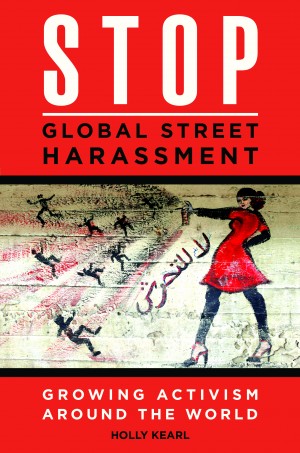
AmazonSmile SSAlso, my new book could be a good gift for a social justice activist in your life! Stop Global Street Harassment: Growing Activism Around the World.

Street_Harassment


Share

Filed Under: SSH programs Tagged With: Amazon, book, support

#16Days of Activism: More Global Action (Day 1)

November 25, 2015 By HKearl

Nov. 25 – Dec. 10 are the 16 Days of Activism Against Gender-Based Violence. To commemorate the week, we will feature 1 activism idea per day, starting tomorrow.

Today, I wanted to express gratitude and acknowledgement that gender-based street harassment, or sexual violence in public spaces, is gaining much more widespread recognition as a problem. Here are two examples from this year that clearly illustrate this.

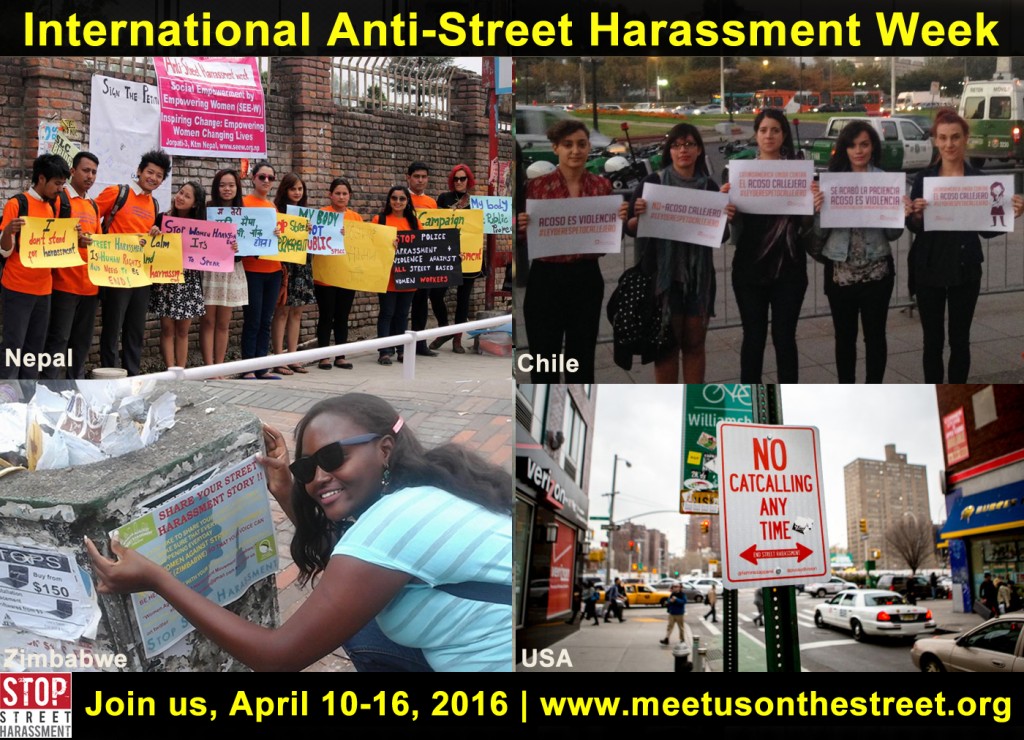
1. In April groups in 41 countries took action in support of safe public spaces through our International Anti-Street Harassment Week, from Australia to Zimbabwe and dozens of countries in between. You can view photos and read a recap (and plan to join us April 10-16, 2016!). It’s heartening to see so many people dedicate time and energy to this cause.

EndSHWeekpostcard2016

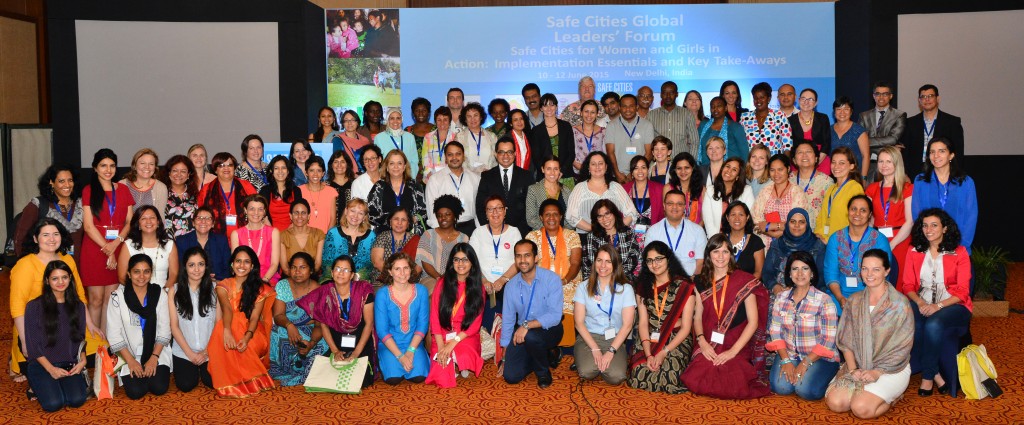
2. UN Women hosted a Safe Cities Global Leaders’ Forum in June, and 140 people from 24 countries gathered in Delhi, India, to share ideas about the best strategies to address sexual violence in public spaces. Attendees included government officials, grassroots women, researchers, and staff from UN agencies that are implementing programs that form part of the agency’s Safe Cities Global Initiative (SCGI).

The SCGI works with local organizations and governments to tackle sexual harassment and other forms of sexual violence in public spaces. Launched in New Delhi in November 2010 with five cities, it now includes 22 cities. Representatives from these cities, as well as from other groups working on safe cities work, were present at the forum.

Read the wrap-up report.

SafeCitiesForumIndia-cropped

For too long, street harassment has been seen as normal, no big deal, or the fault of harassed persons. Those attitudes are quickly falling away and in their place are thousands of people worldwide who are dedicating time, energy, and expertise to making public places safer for everyone. For that, I am grateful.

Help fund our work in 2016, donate to our end-of-year giving campaign!

Share

Filed Under: 16 days, anti-street harassment week, SSH programs, street harassment Tagged With: 16 days of activism, gender-based violence, global efforts, UN women

« Previous Page
Next Page »

Share Your Story

Share your street harassment story for the blog. Donate Now

From the Blog

  • #MeToo 2024 Study Released Today
  • Join International Anti-Street Harassment Week 2022
  • Giving Tuesday – Fund the Hotline
  • Thank You – International Anti-Street Harassment Week 2021
  • Share Your Story – Safecity and Catcalls Collaboration

Buy the Book

  • Contact
  • Events
  • Join Us
  • Donate
  • Facebook
  • Instagram
  • Pinterest
  • Tumblr
  • Twitter
  • YouTube

Copyright © 2026 Stop Street Harassment · Website Design by Sarah Marie Lacy