• About Us
    • What Is Street Harassment?
    • Why Stopping Street Harassment Matters
    • Meet the Team
      • Board of Directors
      • Past Board Members
    • In The Media
  • Our Work
    • National Street Harassment Hotline
    • International Anti-Street Harassment Week
    • Blog Correspondents
      • Past SSH Correspondents
    • Safe Public Spaces Mentoring Program
    • Publications
    • National Studies
    • Campaigns against Companies
    • Washington, D.C. Activism
  • Our Books
  • Donate
  • Store

Stop Street Harassment

Making Public Spaces Safe and Welcoming

  • Facebook
  • Instagram
  • Pinterest
  • Tumblr
  • Twitter
  • YouTube
  • Home
  • Blog
    • Harassment Stories
    • Blog Correspondents
    • Street Respect Stories
  • Help & Advice
    • National Street Harassment Hotline
    • Dealing With Harassers
      • Assertive Responses
      • Reporting Harassers
      • Bystander Responses
      • Creative Responses
    • What to Do Before or After Harassment
    • Street Harassment and the Law
  • Resources
    • Definitions
    • Statistics
    • Articles & Books
    • Anti-Harassment Groups & Campaigns
    • Male Allies
      • Educating Boys & Men
      • How to Talk to Women
      • Bystander Tips
    • Video Clips
    • Images & Flyers
  • Take Community Action
  • Contact

Soliciting Minneapolis Street Harassment Stories

March 3, 2016 By HKearl

I’m sharing this for our ally Cards Against Harassment:

“Have you ever experienced street harassment in Minnesota? A Minneapolis-based activist is gathering stories (however brief, however general) to help inform upcoming anti-harassment initiatives in Minneapolis.

If you can, please take a minute and either in the comments on this post, or in an email to cardsagainstharassment@gmail.com, describe your experience(s) with street harassment in or around Minneapolis. If you want to share details of your experiences, please do, but your post or email does not need to be specific, dramatic, or seem notable to you; a simple “this has happened to me and here is how it affected my me or my behavior” will suffice.  The preliminary goal is to simply gather samples of experiences, and ideally some detail on street harassment’s impact on people who live, work, or have visited Minneapolis.  

If you do share details, please don’t include narrative concerning perceptions concerning the economic status or racial or ethnic identity of your harasser, or coded language accomplishing the same. The goal is to help increase respect, not prejudice.”

Share

Filed Under: Resources, street harassment Tagged With: minneapolis, Stories

Street Harassment Curriculum

March 2, 2016 By HKearl

SHcurriculumHere’s a new resource from Hollaback.

Via their Facebook page:

“Today we released our new anti-street harassment curriculum that we have been working hard on! HOLLA 101 features 19 lesson plans, videos, role-play exercises and more. The curriculum also features our vlog series, With Love and Revolution. To view the curriculum visit the link!”

Share

Filed Under: hollaback, Resources, street harassment

“Man, y’all wear the heck out of those shorts”

March 1, 2016 By Contributor

Summertime is when I can wear my favorite crop top with high waisted shorts and stay cool in the hot air. It’s when I can go out and grab a bite with my sisters and have a good time.

My sisters and I like to go to BDubs for lunch a lot of times. Last summer we were there for lunch. My older sister got a text from her friend and had to pick her up real quick. She left her card with me so I could pay. My little sister and I sat in the booth for about 20 minutes after paying, and decided to sit outside on the bench in the shade by the parking lot.

While walking out, a man who looked in his late 50s opened the door for us. I said “Thank you,” and he didn’t say “You’re welcome,” he said, “Man, y’all wear the heck out of those shorts. Y’all sisters?” And he kept looking at us up and down. I felt so uncomfortable and wanted my older sister to drive right up after that. Oh, and did I mention how old my little sister was? FOURTEEN. We went around to the bench around the corner to where he didn’t see us and sat down. I wanted to immediately take off my makeup and get in my sweats after that.

– KT

Location: 6801 Dixie Hwy Louisville, KY 40258

Share your street harassment story for the blog.
See the book 50 Stories about Stopping Street Harassers for more idea
.

Share

Filed Under: Stories, street harassment Tagged With: young age

Video: Push My Button

February 29, 2016 By HKearl

Here’s a new video about street harassment by Heather Arnett, her latest in a series called the Cat Call Choir.  She writes that the series is “a somewhat sardonic, slightly scornful, but non-violent, songful response to street harassment.”

Push My Button from Heather Arnett on Vimeo.

“In this week’s Cat Call Choir experiment we added the Staples Easy Button with “sing” written on it to encourage people to stick around to listen for a verse and perhaps engage in a conversation about street harassment.

What do you think? Should we just sing to people so there’s no option to get away from unwanted attention very much like when women are harassed on the streets, in parks, on trains and at work? Or is there value in encouraging the conversation?”

Share

Filed Under: Resources, street harassment Tagged With: video

USA: Five Ways People are Fighting Street Harassment

February 28, 2016 By Correspondent

Julia Tofan, Connecticut, USA, SSH Blog Correspondent

Street harassment is terrifying. It can start with catcalling and stalking, and can quickly escalate to threats and violence if a victim shows anything but submission and compliance. It can be so pervasive in daily life that it’s expected. It’s not a question of whether it will happen, but when and where. It’s an issue people around the world share and fight against. Here’s a list of recent initiatives and how they’re working.

  1. Social Media: Street harassment campaigns and organizations quickly immerse social media with hashtags and headlines. Social media has the power to educate the masses, show victims of street harassment that they are supported, and change the status quo of accepted societal behavior, like catcalling. One example is Brazil’s Carnival Campaign, advocating for #CarnivalSemAssedio, or #CarnivalWithoutHarassment. Social media doesn’t offer victims legal protection or end street harassment, but it makes a difference.
  2. Bringing Attention in the Moment: Who would’ve thought punk music and confetti could be used to fight street harassment? That’s exactly what women in Mexico City, one of the most dangerous places in the world for women according to the UN, are doing. The ladies of Las Hijas de Violencia, or Daughters of Violence, shoot confetti and play loud punk after an incident of street harassment. It’s dangerous and can escalate the situation if the street harasser feels attacked or shamed, but the women report that it helps them move on and take control of the situation.
  3. Scooter Gangs: Women in Cairo are frequently victims of street harassment, but scooters are providing women with a safer means of transportation than public transportation or walking. Girls on Wheels has recruited more than 300 girls, taught many girls how to scooter, and gained the support of girls’ families. It doesn’t get to the root of street harassment and stop perpetrators, but it empowers girls and improves safety, and that’s a step forward.
  4. Women only Transportation: Public transportation is a common location of street harassment, and it’s also a necessity for getting to and from different places. Women-only transportation implies all men are dangerous, places the onus on women to stay safe, and isn’t perfectly enforced, which allows males to occasionally enter the buses with the intention to harass women. Also, it isn’t always available. However, it can temporarily improve safety conditions for women traveling using public transportation, as Mexico is trying to accomplish with a new program.
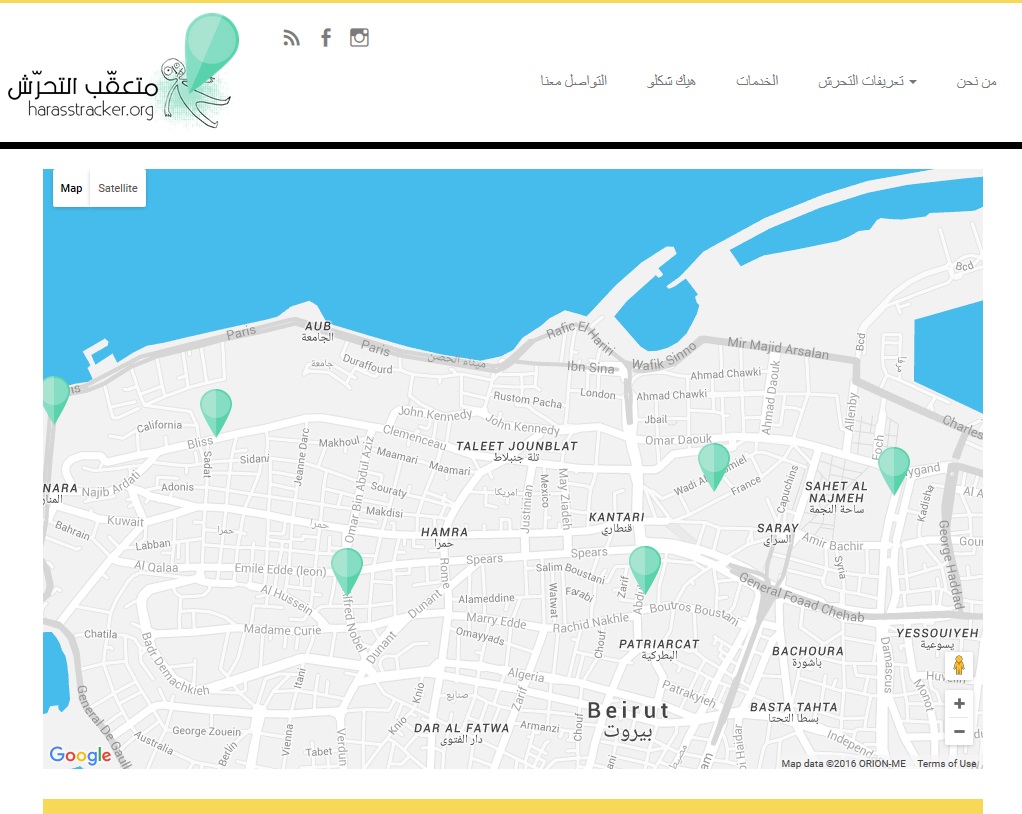
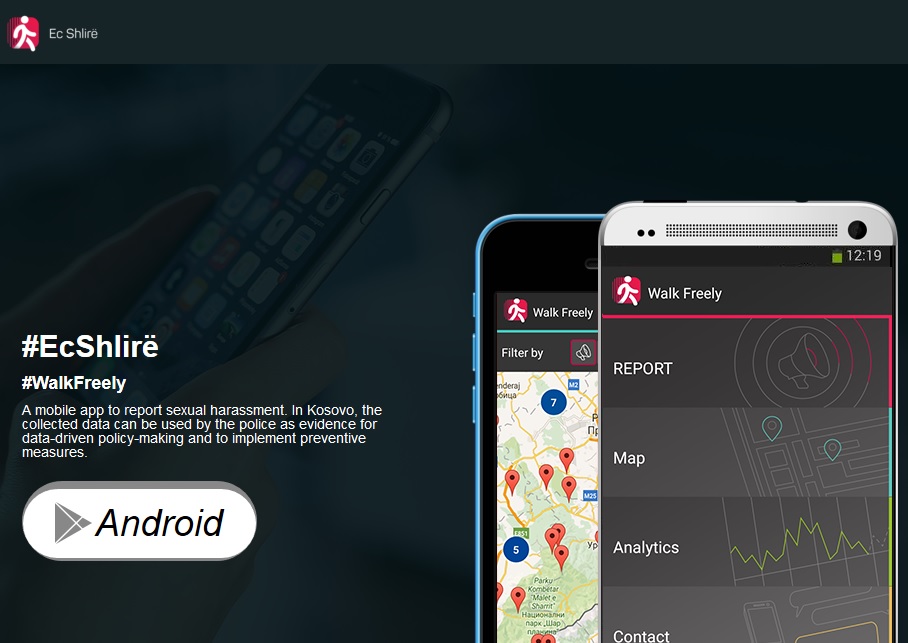
  5. Apps: Street harassment is vastly under reported. Whether it’s fear, lack of support and trust, or shame, victims oftentimes don’t report street harassment incidents. Apps like Ec Shlire, an app designed by a Kosovo woman, are fighting that by giving women a community specifically for reporting street harassment and putting the incident on the map. It’s bringing the attention to light and giving victims a sense of solidarity, but it doesn’t report incidents to the police and enable police involvement.

People have had controversial reactions to the various programs and campaigns fighting street harassment. Every program and campaign has drawbacks, but something is being done, and along with the drawbacks, there are benefits. Whether programs and campaigns blame victims, solve the root of the problem, take street harassment seriously, and keep women safe are important questions to keep on asking, but recognizing the positive impact different projects are showing is also vital.

Julia is a student in a rural town in Connecticut. She writes for Givology, a nonprofit dedicated to improving access to education, and Dreams That Could Be, an organization telling the stories of students facing great challenges but persevering in their education. Read her blog posts on Givology and Dreams That Could Be and follow her on Twitter @Julia_Tofan!

Share

Filed Under: correspondents, street harassment Tagged With: apps, bicycle, brazil, Egypt, kosovo, mexico, women-only transit

« Previous Page
Next Page »

Share Your Story

Share your street harassment story for the blog. Donate Now

From the Blog

  • #MeToo 2024 Study Released Today
  • Join International Anti-Street Harassment Week 2022
  • Giving Tuesday – Fund the Hotline
  • Thank You – International Anti-Street Harassment Week 2021
  • Share Your Story – Safecity and Catcalls Collaboration

Buy the Book

  • Contact
  • Events
  • Join Us
  • Donate
  • Facebook
  • Instagram
  • Pinterest
  • Tumblr
  • Twitter
  • YouTube

Copyright © 2026 Stop Street Harassment · Website Design by Sarah Marie Lacy