• About Us
    • What Is Street Harassment?
    • Why Stopping Street Harassment Matters
    • Meet the Team
      • Board of Directors
      • Past Board Members
    • In The Media
  • Our Work
    • National Street Harassment Hotline
    • International Anti-Street Harassment Week
    • Blog Correspondents
      • Past SSH Correspondents
    • Safe Public Spaces Mentoring Program
    • Publications
    • National Studies
    • Campaigns against Companies
    • Washington, D.C. Activism
  • Our Books
  • Donate
  • Store

Stop Street Harassment

Making Public Spaces Safe and Welcoming

  • Facebook
  • Instagram
  • Pinterest
  • Tumblr
  • Twitter
  • YouTube
  • Home
  • Blog
    • Harassment Stories
    • Blog Correspondents
    • Street Respect Stories
  • Help & Advice
    • National Street Harassment Hotline
    • Dealing With Harassers
      • Assertive Responses
      • Reporting Harassers
      • Bystander Responses
      • Creative Responses
    • What to Do Before or After Harassment
    • Street Harassment and the Law
  • Resources
    • Definitions
    • Statistics
    • Articles & Books
    • Anti-Harassment Groups & Campaigns
    • Male Allies
      • Educating Boys & Men
      • How to Talk to Women
      • Bystander Tips
    • Video Clips
    • Images & Flyers
  • Take Community Action
  • Contact

“Let me sniff your saddle”

April 9, 2017 By Contributor

I was cycling along the road and a man leaned out of a car and shouted, “LET ME SNIFF YOUR SADDLE.”

Optional: What’s one way you think we can make public places safer for everyone?

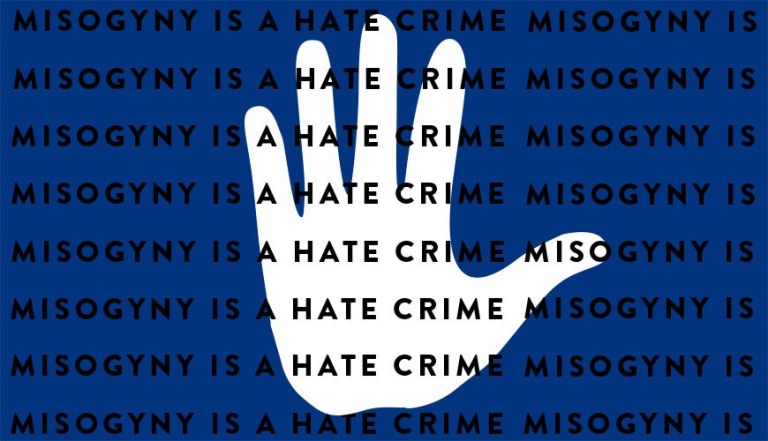
Make misogyny a hate crime. Raise awareness.

– KH

Location: Bristol, UK

Need support? Call the toll-free National Street Harassment hotline: 855-897-5910

Share your street harassment story for the blog.
See the book 50 Stories about Stopping Street Harassers for idea
s.

Share

Filed Under: Stories, street harassment

Day 6: International Anti-Street Harassment Week 2017

April 7, 2017 By HKearl

Day 6 of the 7th annual International Anti-Street Harassment Week is nearing its close. Here are some highlights.

  • You can view more photos of the actions in our photo album.
  • Check out the growing list of media coverage!
  • Tomorrow is our last — and biggest day!! Check out all the rallies, marches, and other types of street action taking place all over the world!

Global:

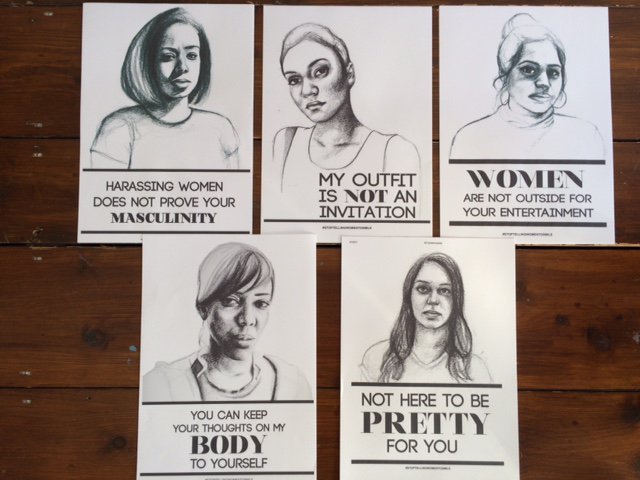
The Stop Telling Women to Smile International Wheatpasting Night is underway. Tag us in your photos or use #EndSH. Already, at the time of this writing, we’d spotted photos from Toronto, Canada, and Bristol, UK (pictured)!

Afghanistan:

Free Women Writers released a video about how street harassment interferes with girls’ ability to get a good education.

Canada:

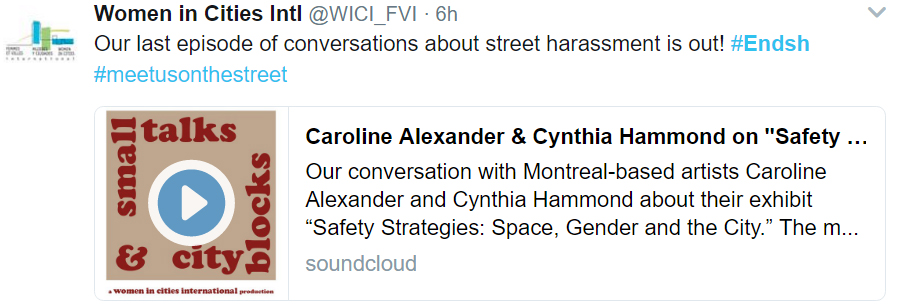
Women in Cities International release the third episode in their new podcast Small Talks and City Blocks.

Croatia:

Hollaback Croatia hosted an educational panel with a discussion in the city library.

Dominican Republic:

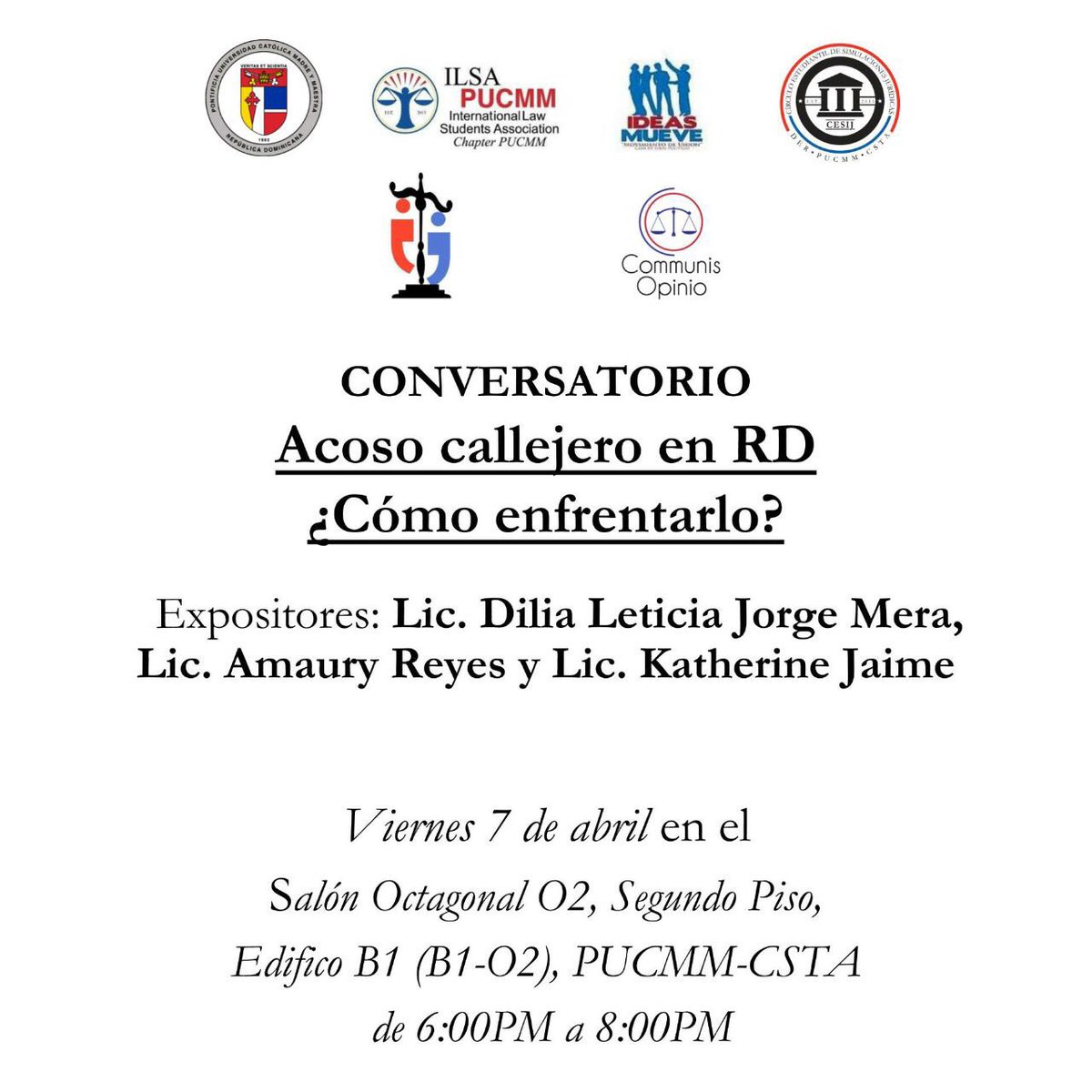
The International Law Students Associaiton Chapter PUCMM and other groups held a conversation on street harassment.

Guatemala:

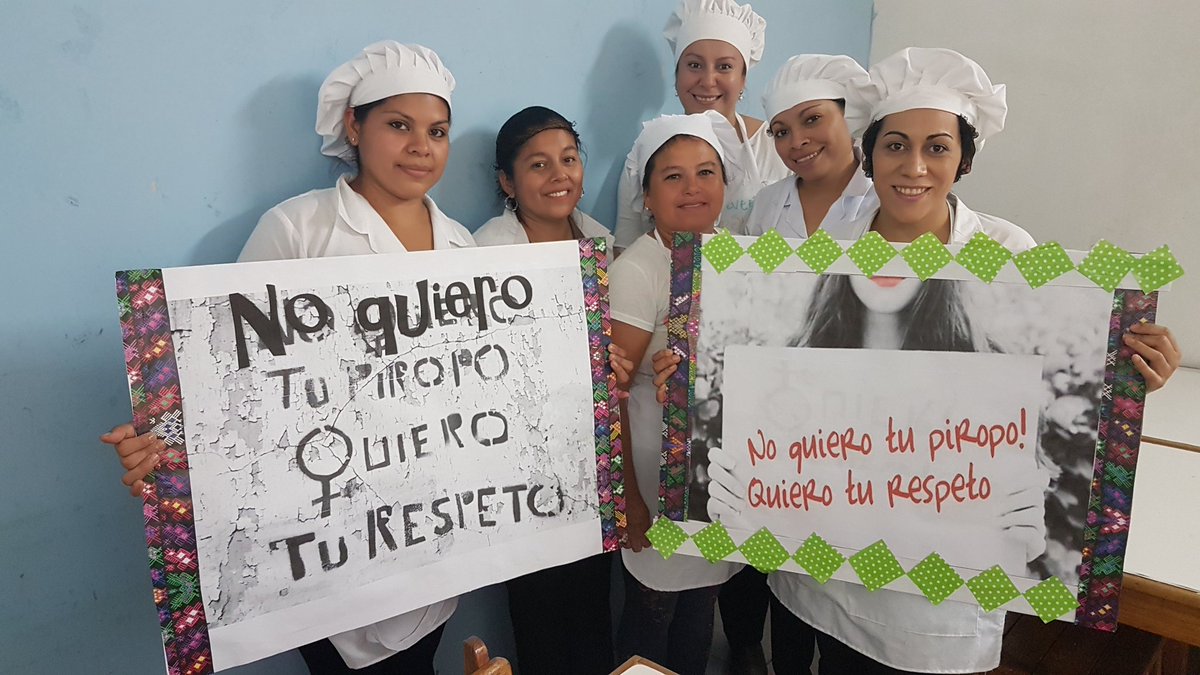
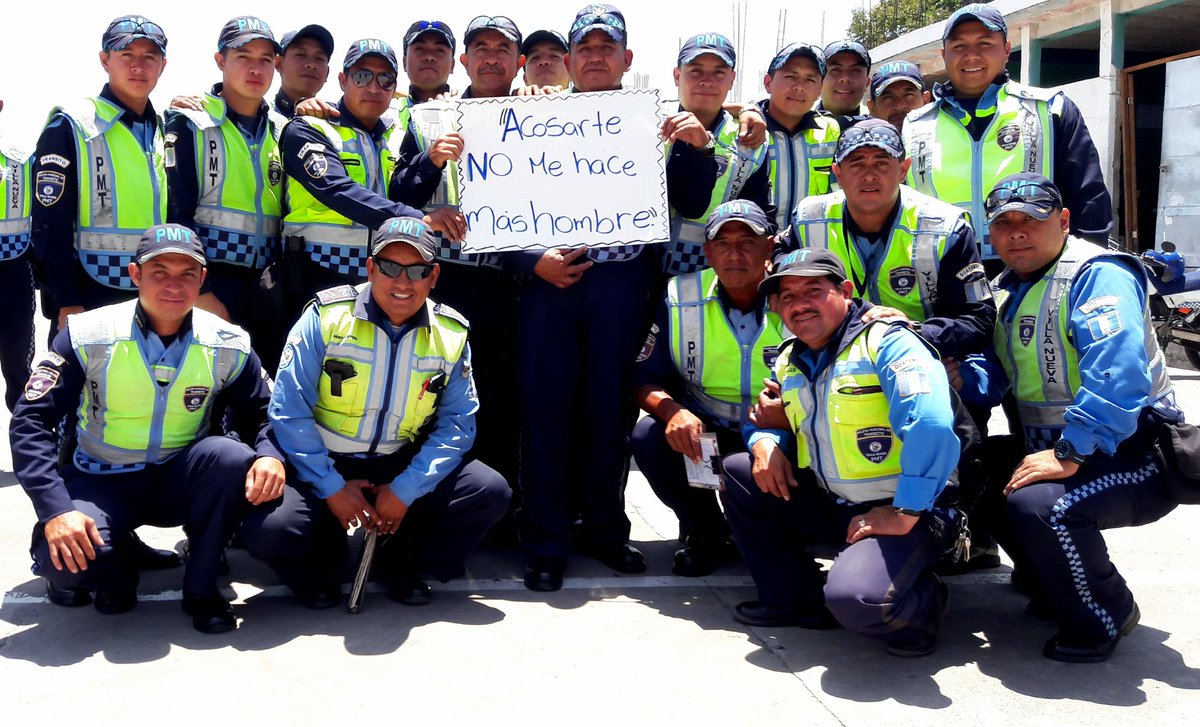
The Municipal Office of Women of Villa Nueva has been organizing a photo campaign across the week. Today they said over 1,340 people had joined, including staff at the Municipal Police of Transit of Villa Nueva! WOW!

“Inculquemos valores en nuestros hijos” @SantosDalia se suma a campaña #ContraElAcosoCallejero @DMMVillaNueva pic.twitter.com/Rfjq7JqHhw

— MuniVillaNueva (@MuniVillaNueva) April 7, 2017

Indonesia:

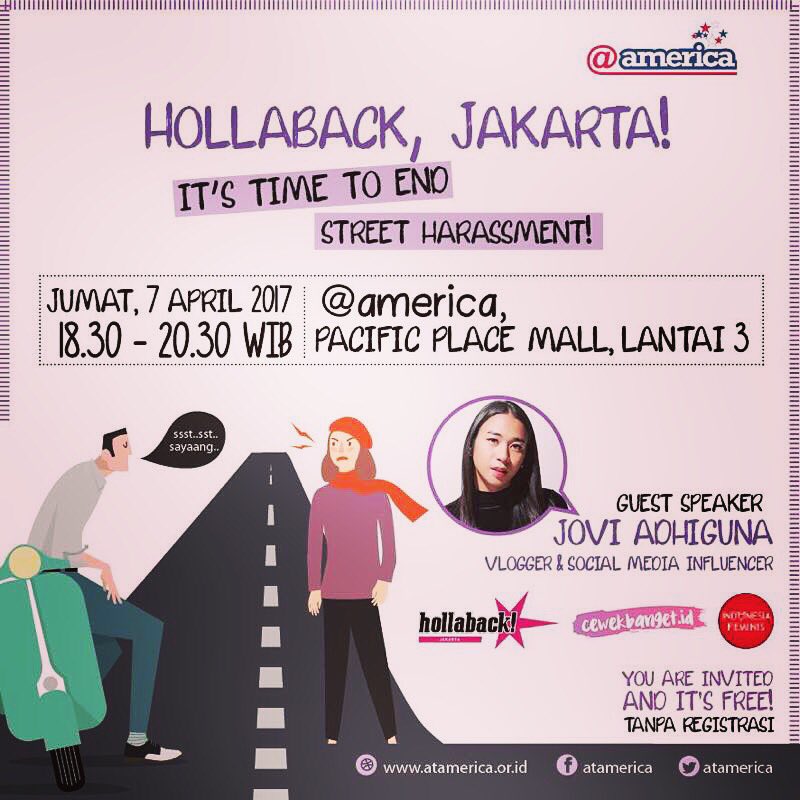
Hollaback Jakarta, Indonesia Feminis and Cewekbanget hosted a talk show about street harassment.

India:

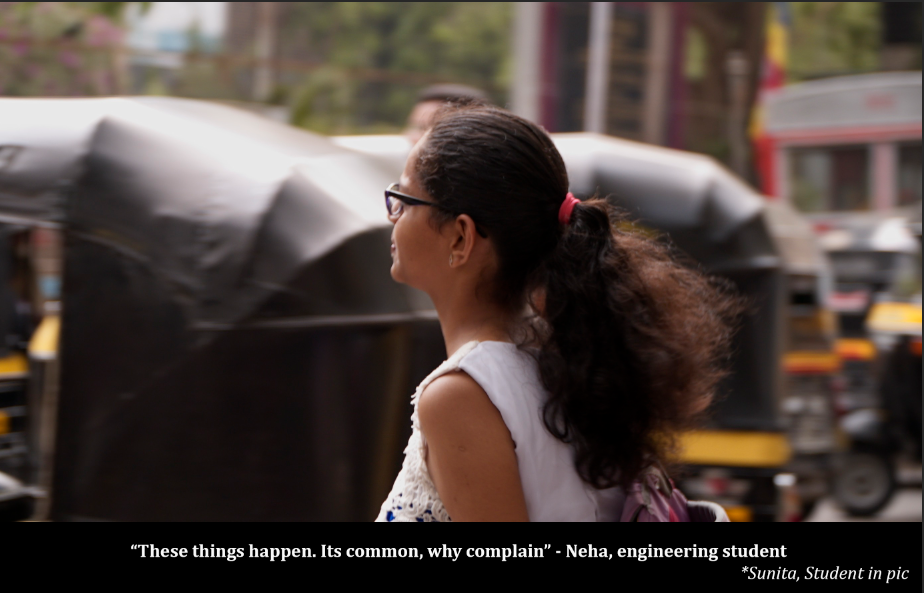
Safecity hosted two events: 1) a photo exhibition and panel discussion about “Reclaiming Public Spaces: Challenges in Local Transport” and 2) a film screening.

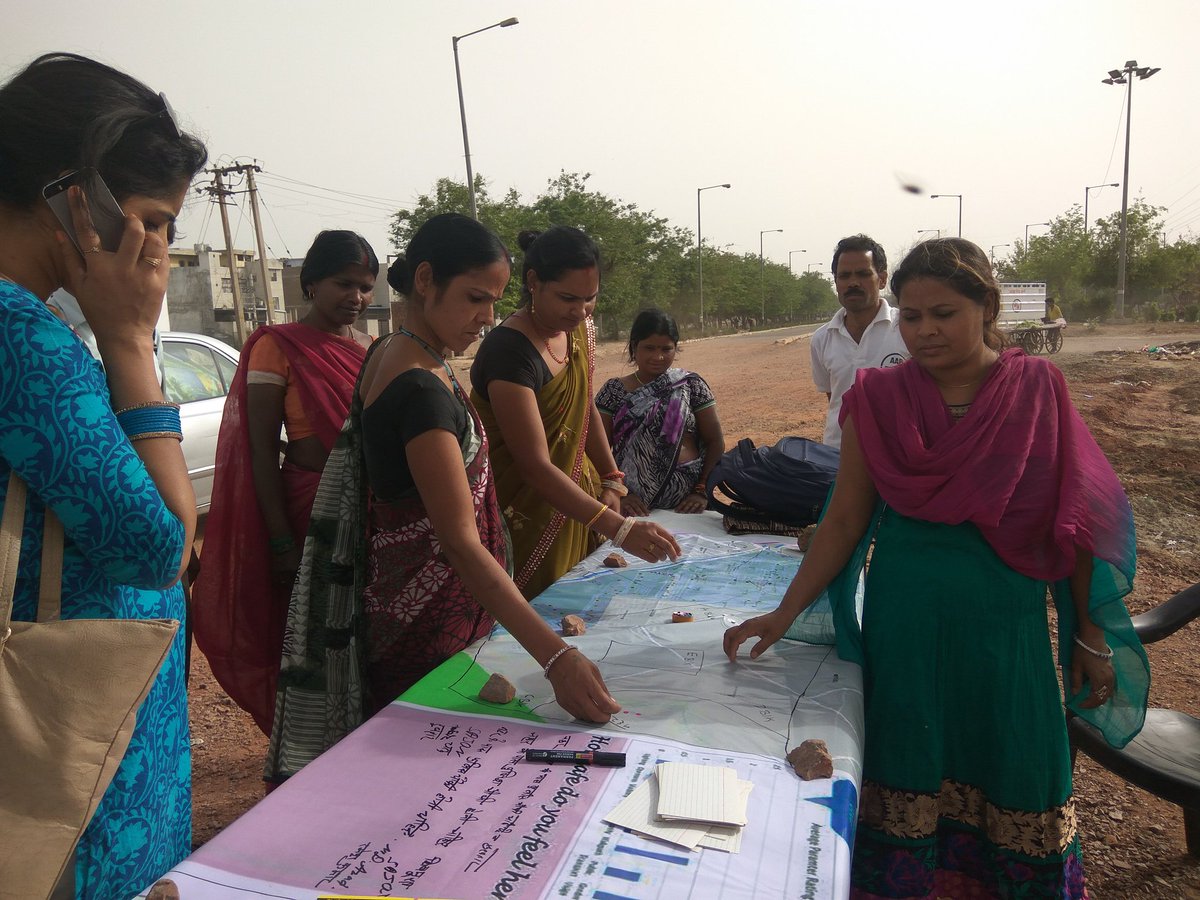
Jagori and Safetipin conducted a safety audit and mapping of safe/unsafe spaces at JJ Colony Bawana New Delhi.

The Netherlands:

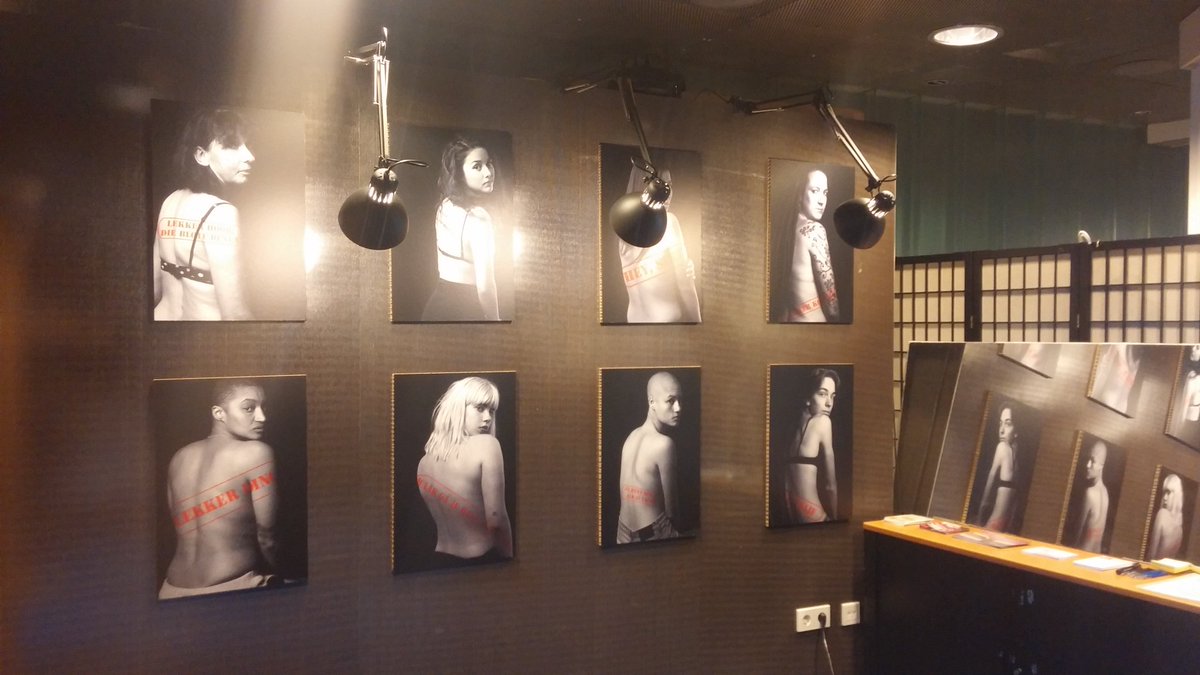
Hollaback! Nederlands and artist Chlóë Matanja along with other performers and artists hosted “Over the Shoulder: Let’s Talk About Street Harassment,” an inspirational evening of art, performance and community-building, including a silent auction of Chloe’s photo series, a film screening by Tamara Shogaolu, live performance by spoken word artist, Cissy, a bazaar, an interactive street harassment map and more.

Romania:

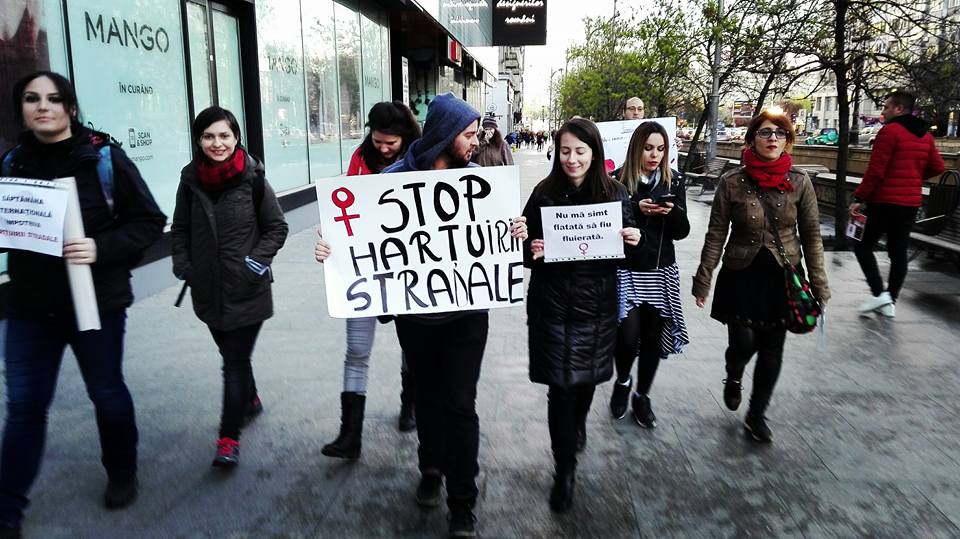
Hollaback! Romania held a flash mob to raise awareness about street harassment.

USA:

Connecticut:

The Center for Family Justice, Inc did a photo campaign.


Michigan:

NOW (National Organization for Women) Washtenaw Chapter organized a performance-based art about street harassment. The performance was a pop-up runway themed where an announcer announced each volunteer and they walked through the public bus transit area as a way to reclaim this space. As each lady walked through, the announcer described details of a time this person was harassed which include what the person was wearing, what activity they were doing, and what type of harassment. This was meant to show that it doesn’t matter what you’re wearing or what activity you are doing. After each volunteer walked down the runway, the announcer gave a fact about street harassment. As the performance happened, volunteers handed out zines with information about street harassmen.

Share

Filed Under: anti-street harassment week, street harassment

Day 5: International Anti-Street Harassment Week 2017

April 6, 2017 By HKearl

Day 5 of the 7th annual International Anti-Street Harassment Week has concluded. Here are some highlights.

  • You can view more photos of the actions in our photo album.
  • Check out the growing list of media coverage!
  • Join the next tweet chat tomorrow, led by Safecity and Global Utmaning, a Swedish Think Tank that initiated the Urban Girls Movement, on “Safe Public Space- Key to Sustainable Development'”, from 9 – 10 p.m. IST, (11:30 a.m. – 12:30 p.m. EDT). Use #UrbanGirlsMovement and #EndSH

Online Campaigns:

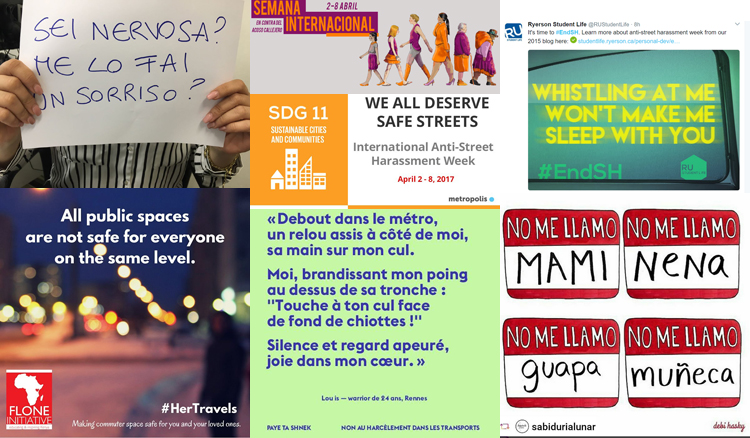
Lots of groups all over the world are sharing messages on social media across the week. Here are examples of content shared today from Canada, France, Guatemala, Italy, Kenya, and Spain.

Argentina:

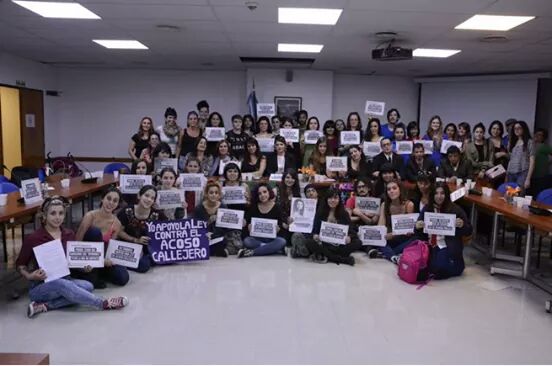
Accion Respeto held an event.

Brazil:

Think Olga did a video/discussion about street harassment and pop culture.

Mexico:

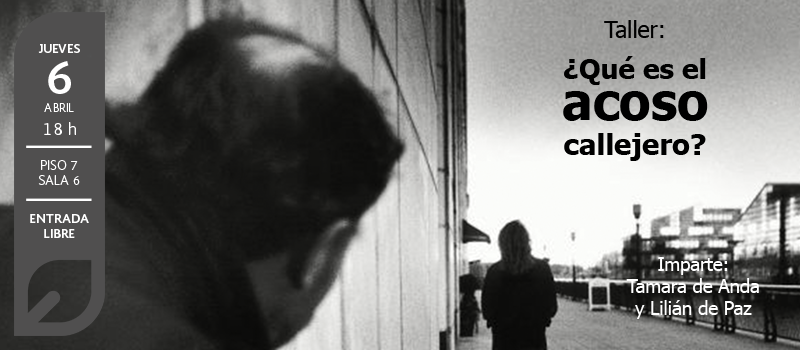
Biblioteca Vasconcelos hosted an event where Lilián de Paz, Tamara de Anda & Ana Gabriela Robles talked about being harassed in Mexico City, an aim to explain this issue to the society.

The Netherlands:

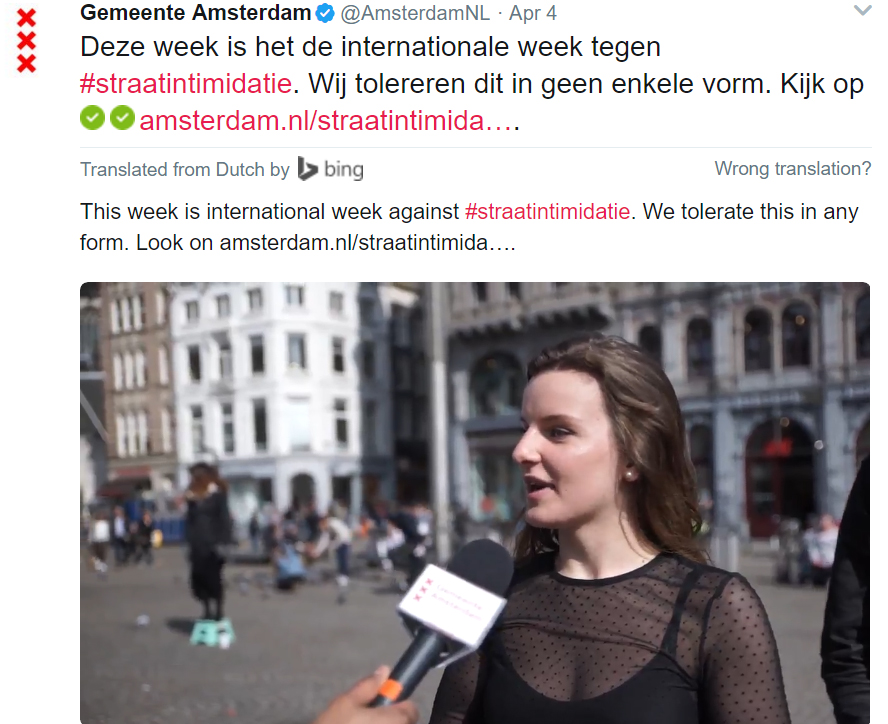
The City of Amsterdam has a webpage for the Week and released a video.

Hollaback! Nederland and the Imagine Project of Emancipator and Volta held an interactive workshop with school-aged boys to encourage critical thinking about street harassment and to take a pledge against street harassment as the first cohort of Young Ambassadors for Safe Streets.

The Philippines:

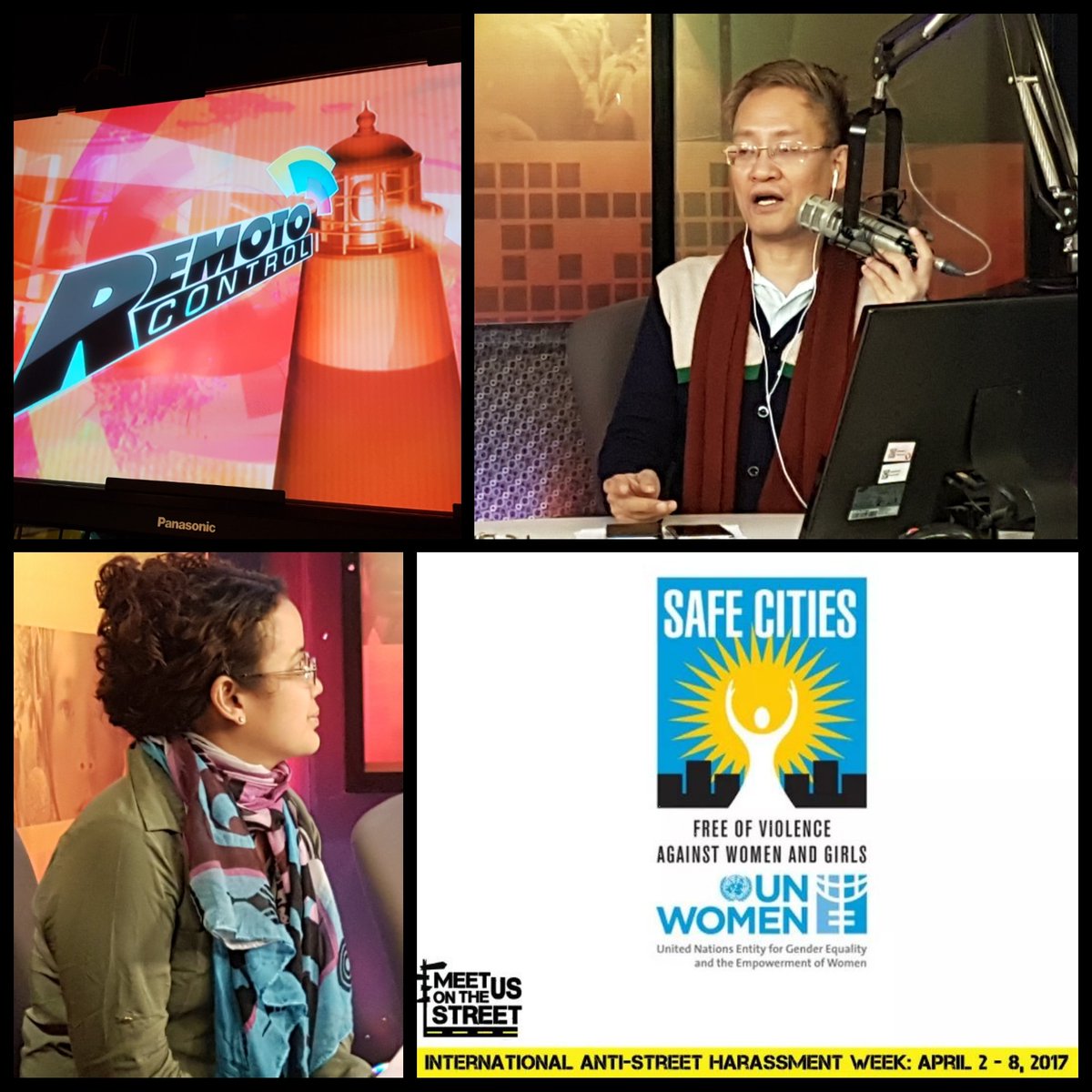
Katherine Belen of the UN Safe Cities programme in Metro Manila did an interview on Radyo Singko about the #SafeCities campaign

UK:

Hollaback! Derby’s website launched.

USA:

Illinois:

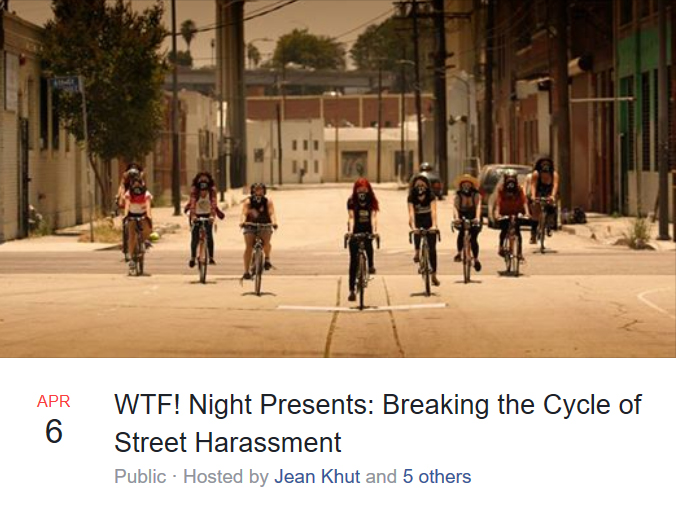
Working Bikes’ WTF! Night (Women Trans Femme) Presented: Breaking the Cycle of Street Harassment, a screening of the Ovarian Psycos documentary and a discussion on harassment in public spaces.

Kentucky:

University of Louisville Women’s Center and Women 4 Women Student Board hosted a speaker to talk about what street harassment is, the prevalence of it, and bystander intervention training. A few students spoke about their experience with street harassment and how race, gender, religion, gender identity, and sexual orientation intersect into their individual experience with street harassment

Minnesota:

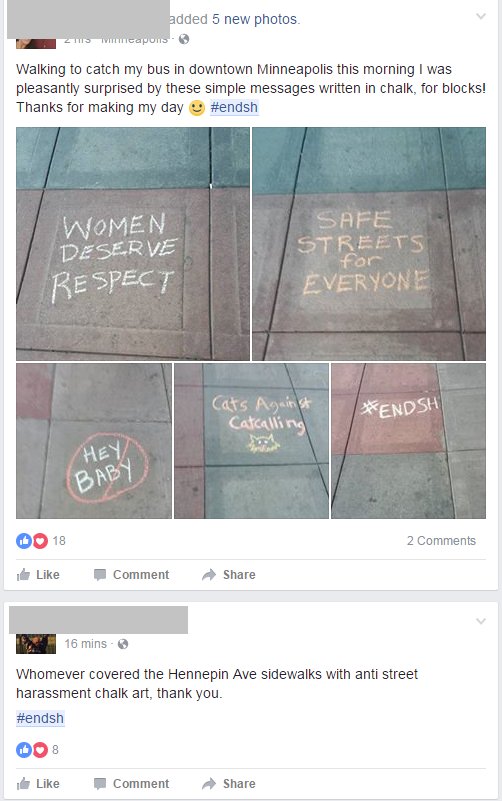
Our board member Lindsey went out late last night and chalked in downtown Minneapolis. Morning commuters posted photos on social media, praising her work.

Ohio:

Oberlin College dance students performed a short version of The Window Sex Project, as a part of their “Spring Back” concert. The work was originally devised by Sydnie L. Mosley, her Harlem-based dance company, and Harlem community members, and is being re-staged for the first time on students. The performance is part of a larger event and will run tomorrow night as well.

Pennsylvania:

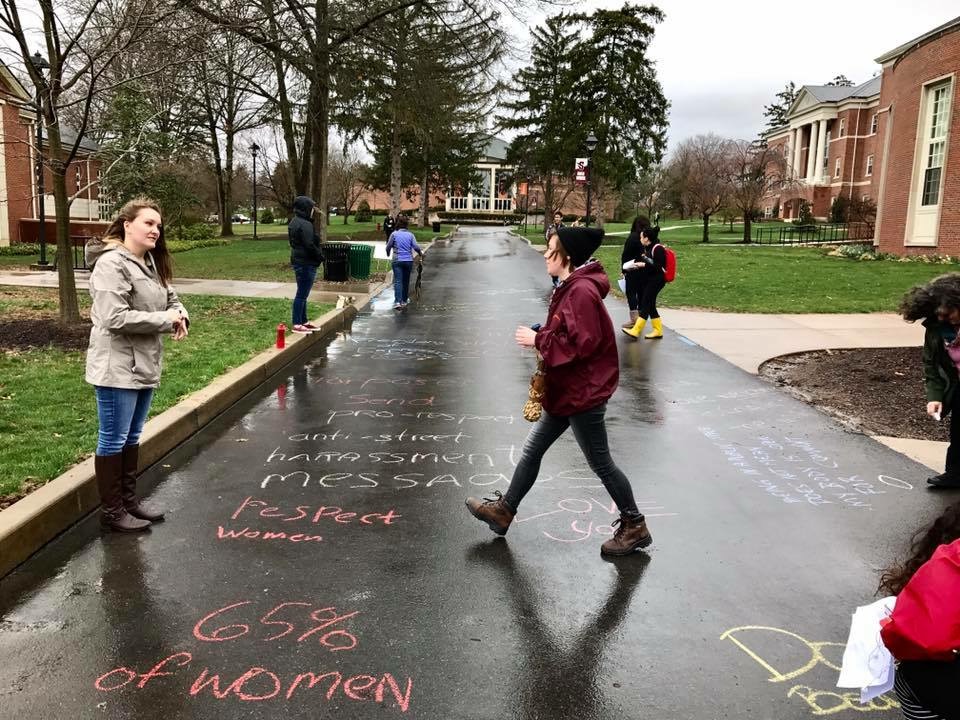
Susquehanna University’s Women’s Resource Center and Women’s Studies program held their 5th annual chalk walk, despite the rain!

Share

Filed Under: anti-street harassment week, street harassment

Street Harassment and Violence are NOT about Clothes

April 6, 2017 By Contributor

Guest Post for International Anti-Street Harassment Week

By Mary Mwangi

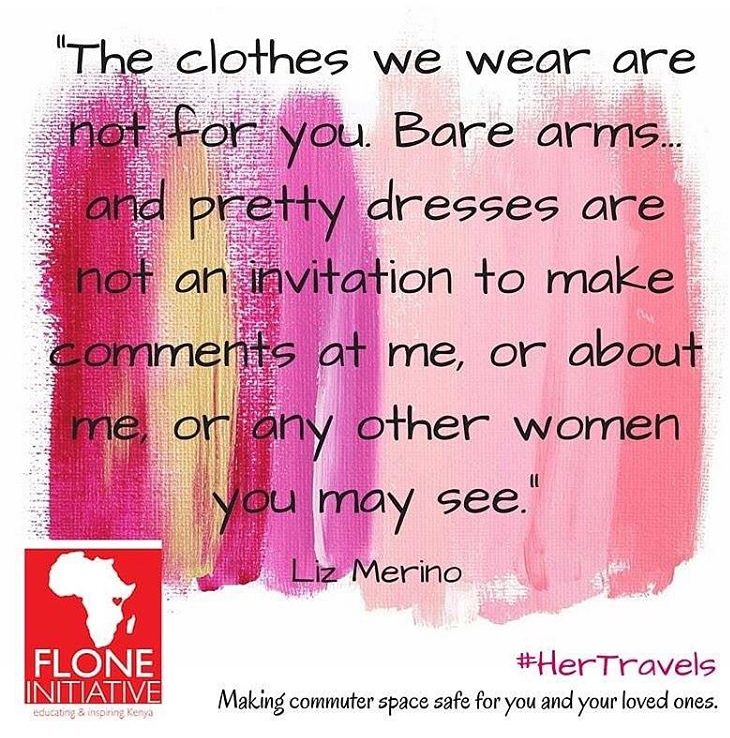
A few weeks ago, I was conducting interviews on sexual harassment in public spaces and it was frightening to note that almost all of the interviewees believe that it is a woman’s way of dressing that influences street harassment and violence.

Women have been harassed while wearing skirts, hijabs, dresses and trousers, however. This goes to show that street harassment and violence is NOT about dressing. It is important for us to call a spade a spade and not lay blame on dressing, but instead we should strongly condemn those who perpetrate such violence on our streets.

Today, some may think that since we have not heard the news of stripping of women and girls in public spaces that the vice is dead. Sadly, this is not the case as many women continue to face harassment every single day but due to fear of victimization by the perpetrators opt to be silent.

I sturdily feel that the root cause of all form of violence and prejudice between men and women stems from a patriarchal mind-set. Some individuals have expressed concerns that the media and westernization fosters a society that devalues women. But again, don’t you think this is misplaced blame? The media only represents women as the society sees them.

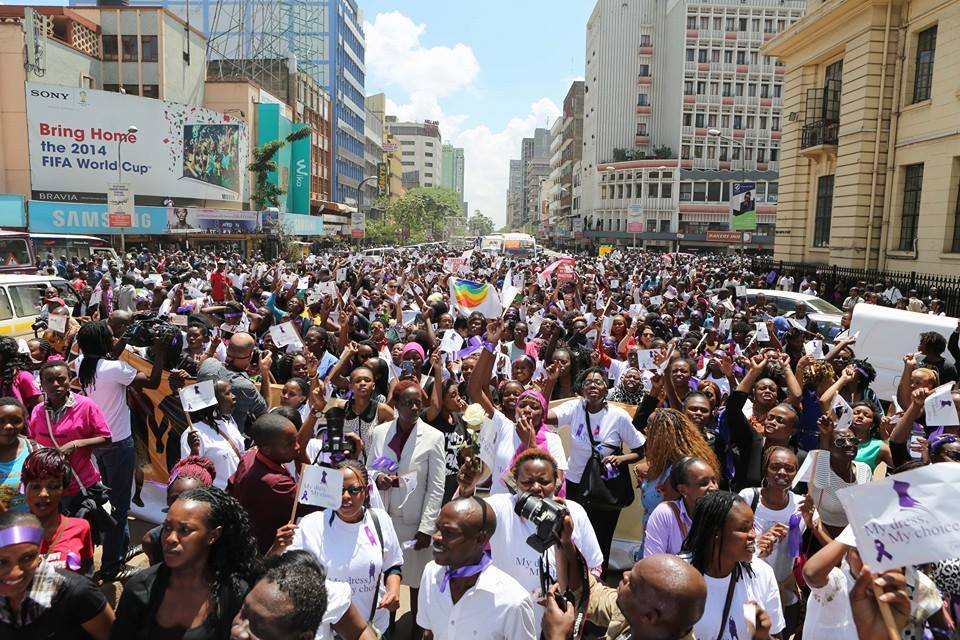
My Dress rally in Kenya in 2014. Photo courtesy of Brian Emmanuel Inganga

Unless we realize that patriarchal attitudes and beliefs cause a lot of harm than good, then a culture of fear will continue. We all need to take up the bull by the horns and work together to fight the vice of street harassment and violence. It is important to note that it isn’t only men who perpetuate patriarchy, women do it too. It is high time that we all worked as a team, as family and as a community since we now know better.

It is high time that we all encouraged sensitization and behavior change initiatives that allow and emphasize discussion on sexual harassment, patriarchy and the need to respect all genders. At Flone Initiative, we believe above being men and women, we are human beings. Yes, we are different, but respecting and celebrating our uniqueness is a goal we are working on. All we need to do is learn to respect each other. It is only then that our women and girls will walk along the streets without fear of being harassed, violated, raped or assaulted but with the assurance of safety, security and freedom.

Join our social media campaign as we advocate for safer streets.
#EndStreetHarassmentWeek | #EndSH | #MyDressMyChoice

Mary Mwangi is the program manager at Flone Initiative in Kenya.

Share

Filed Under: anti-street harassment week, Stories, street harassment

Tackling Street Harassment in Bristol

April 5, 2017 By Contributor

Cross-posted from Zero Tolerance Bristol for International Anti-Street Harassment Week. By China Fish in Bristol, UK.

Report on Conference: ‘Safer for women’ – Tackling Misogyny and Street Harassment in Nottingham, September 2016.

Background to the conference

My name is China Fish and like many women, I have experienced frequent and unwanted sexual harassment as I walk our city streets. In 2010 I created a satirical performance about this very subject called ‘Lucky Saddle’, two words shouted at me by a man as I cycled in Bedminster when I was around 21 years old. It is an issue close to my heart, as, like most humans, I desire to be able to move freely and safely through the world I inhabit.
The response to the show was powerful; many women were relieved to find allies in their vocal sisters, and a lot of men were astonished to learn that this is something that happens to women. It is for many men, an invisible occurrence, as men who harass tend to refrain from such activity when other men are present. Such invisibility does little to protect women from these daily threats, as the severity of what is happening goes under the radar with almost no avenues for reporting or state protection. Currently, men who harass women are free to do so without any repercussions.

So where do we turn?

In January 2016, I met with Avon and Somerset Police and Crime Commissioner Sue Mountstevens to discuss the potential of criminalising street harassment. After this meeting, Charlotte Gage of Bristol Zero Tolerance and I met regularly to discuss potential ways of tackling street harassment from more of a legal standing. In March 2016, Charlotte heard that Nottingham Women’s Centre had created a new hate crime category with the Nottinghamshire police recognising ‘misogyny’ as a hate crime.

The definition of a hate crime is: “a crime motivated by racial, sexual, or other prejudice, typically one involving violence”.

Currently, there exist the following categories for recognised hate crimes in Bristol:

  • Disability
  • Race, skin colour, ethnic origin, nationality
  • Religion or belief
  • Sexual orientation
  • Gender identity.

The definition of ‘gender identity’ as a hate crime on the Avon and Somerset Police website seems to use the terms ‘transgender’ and ‘gender’ interchangeably. Grouping these two categories causes some confusion and does not serve to clearly identify the need for a category for women to report street harassment as a gender-based hate crime. According to Nottingham Women’s Centre, transgender hate crime is recognised in law and gender-based hate isn’t. For these reasons, Nottingham decided to create a new category for ‘misogyny’ to clearly recognise and define the way that women’s experiences differ to men’s. As an, ‘other’ category already existed in the list of hate crimes which enables men to report instances of misandry, it was possible for them to create ‘misogyny’ as a new category.

Nottinghamshire Police defines misogyny hate crime as: “incidents against women that are motivated by an attitude of a man towards a woman and includes behaviour targetted towards a woman by men simply because they are a woman.” (Conference brochure)

To test the impact of this initiative, a pilot programme was launched in April 2016. The Nottinghamshire Police received thorough training – funded by the Police and Crime Commissioner (PCC) – from hollaback, a grassroots organisation that combats street harassment, in partnership with Nottingham Women’s Centre.  Nottinghamshire Police hope that through recording incidents in this way they will be able to:

  • “Raise awareness of the seriousness of these incidents and encourage women to report”
  • Gather better intelligence to disrupt activities/perpetrators
  • Better manage risk and support women affected.

Since the pilot, women who live in Nottingham have said they feel safer walking the streets and have increased confidence in the police force. They now know they will be taken seriously and that steps are in place to prevent and protect them from such violence. Nottingham Women’s Centre have said that there have been 70 reports made under the new ‘misogyny’ category between April 2016 and January 2017. The long-term aim of Nottinghamshire Police is to “nudge people towards a culture shift and to reframe these behaviours as socially unacceptable.”

Highlights and outcomes of the conference

The ‘Safer for women’ – Tackling misogyny and street harassment conference was organised by Nottingham Women’s Centre and Nottinghamshire Police. The event was chaired by Chief Constable Sue Fish who has been pioneering this work alongside Melanie Jeffs from Nottingham Women’s Centre, both warm and admirable women with great humour, wit and impact. Police, academics, women’s groups and grassroots organisations attended to learn about the work, its benefits, and how it may be implemented in other areas throughout the UK.

Amongst the panel were key names in this field, including Laura Bates from The Everyday Sexism Project; Sam Smethers from the Fawcett Society; Zahra Butt, community activist; Dr Irene Zempi, Director of the Nottingham Centre for Bias, Prejudice and Hate Crime; and Mark Simmonds from Nottingham Trent University.

It was a powerful event with evidence and testimonies from a cross section of women living in Nottingham. Amongst these was an account from a Year 8 student who has encountered regular street harassment from older men, including being followed by men in cars on several occasions. To hear such experiences from women themselves was a compelling reminder of the reason this work is being done, and was instrumental in helping other constabularies throughout the UK to see the urgent need for action.

Amongst the inspirational sessions I attended was a Q&A for voluntary sector staff and activists. Here I forged more connections with Nottingham Women’s Centre and gained a deeper understanding of how we might implement this in Bristol.

Since the event, a small group of us have been meeting to navigate potential ways of implementing something similar here. We will be collating a body of evidence, both written and spoken testimonies, from the women of Bristol to present to Avon and Somerset Police. (Please find information below of how to get involved). We are in communication with our PCC, Sue Mountstevens, and will continue, with support from Nottingham, to pursue this change locally.

Three police forces in the UK have agreed to begin recording misogyny as a hate crime and a number of other forces are looking into it. We are hoping that Bristol will work with us to forge the way to achieving a safer community and have a significant impact on the lives of women and girls in Bristol.  Nottinghamshire Police are also trying to roll this initiative out nationally, a steady process that perhaps one day will manifest.

Sam Smethers from the Fawcett Society said at the conference; “if we can tackle the small things, maybe it will tackle the more severe”.  We must begin to recognise the links between a wolf whistle, a shouted verbal assault, a grope, a threat of rape, physical attacks, rape and murder. Smethers added, “every time a woman is wolf whistled at, it is a reminder of her position in society.”

Let us shift this now!

Take action in Bristol!

Tell us your stories:

You can support the local campaign by helping us to gather evidence of street harassment around Bristol. Tell us about your experiences or those of others to develop a picture of the problem.

See www.facebook.com/BristolStreetHarassmentProject for more information.

Map the issue:

Take part in our community safety audit of Bristol to record any incidents and create a picture of street harassment across the city. Alternatively use our online survey to add information https://goo.gl/forms/bj05R5IGdoizYbmw2

Take part in Anti-Street Harassment Week 2nd-8th April 2017:

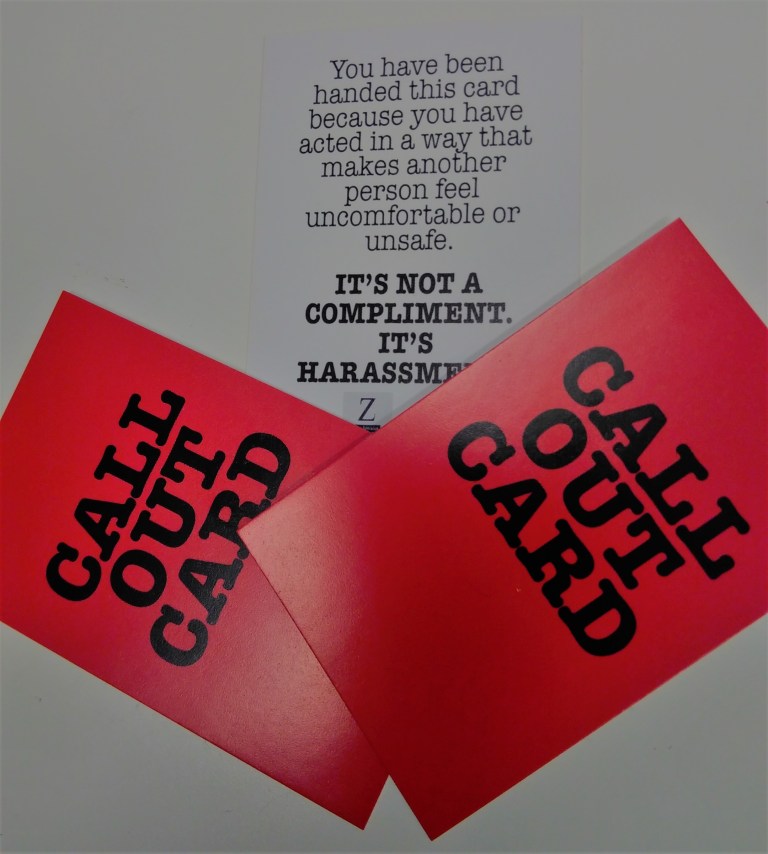
Take part in our Call Out Card day of action on Thursday 6th April – distribute and use the cards to start a conversation and let us know what happened.

To order the cards e-mail maisy@bristolwomensvoice.org.uk

Share

Filed Under: anti-street harassment week, Resources, street harassment Tagged With: Bristol, Nottingham, police, Somerset, UK, united kingdom, Zero Tolerance, Zero Tolerance Bristol

« Previous Page
Next Page »

Share Your Story

Share your street harassment story for the blog. Donate Now

From the Blog

  • #MeToo 2024 Study Released Today
  • Join International Anti-Street Harassment Week 2022
  • Giving Tuesday – Fund the Hotline
  • Thank You – International Anti-Street Harassment Week 2021
  • Share Your Story – Safecity and Catcalls Collaboration

Buy the Book

  • Contact
  • Events
  • Join Us
  • Donate
  • Facebook
  • Instagram
  • Pinterest
  • Tumblr
  • Twitter
  • YouTube

Copyright © 2026 Stop Street Harassment · Website Design by Sarah Marie Lacy