• About Us
    • What Is Street Harassment?
    • Why Stopping Street Harassment Matters
    • Meet the Team
      • Board of Directors
      • Past Board Members
    • In The Media
  • Our Work
    • National Street Harassment Hotline
    • International Anti-Street Harassment Week
    • Blog Correspondents
      • Past SSH Correspondents
    • Safe Public Spaces Mentoring Program
    • Publications
    • National Studies
    • Campaigns against Companies
    • Washington, D.C. Activism
  • Our Books
  • Donate
  • Store

Stop Street Harassment

Making Public Spaces Safe and Welcoming

  • Facebook
  • Instagram
  • Pinterest
  • Tumblr
  • Twitter
  • YouTube
  • Home
  • Blog
    • Harassment Stories
    • Blog Correspondents
    • Street Respect Stories
  • Help & Advice
    • National Street Harassment Hotline
    • Dealing With Harassers
      • Assertive Responses
      • Reporting Harassers
      • Bystander Responses
      • Creative Responses
    • What to Do Before or After Harassment
    • Street Harassment and the Law
  • Resources
    • Definitions
    • Statistics
    • Articles & Books
    • Anti-Harassment Groups & Campaigns
    • Male Allies
      • Educating Boys & Men
      • How to Talk to Women
      • Bystander Tips
    • Video Clips
    • Images & Flyers
  • Take Community Action
  • Contact

Peru’s Congress Approves Street Harassment Bill

March 5, 2015 By HKearl

Yesterday Peru’s Congress adopted the bill proposed last summer against street harassment!! Now it goes to the president for his signature. Congrats to our friends Paremos el Acoso Callejero who were instrumental in making it happen.

Via their Facebook page:

¡VICTORIA HISTÓRICA EN LATINOAMÉRICA! ¡El Congreso de la República del Perú ha APROBADO EL PROYECTO DE LEY de Rosa Mavila que PREVIENE Y SANCIONA EL ACOSO SEXUAL CALLEJERO sin ningún voto en contra!

Hasta hace tres años era normal que nos faltaran el respeto en la calle y tocaran a niñas en espacios públicos, ¡hoy el Estado reconoce que hay que tomar medidas para erradicar este problema!

Ahora continuemos trabajando por hacer efectiva la ley, que se enviará al Presidente para su promulgación. ¡No más violencia en las calles!

Representatives from the groups that worked to draft and get the law passed:
Como Paremos el Acoso Callejero Asociación Apala La Marcha de las P.U.T.A.S. la participación y compromiso de la congresista Rosa Mavila León asumido en el Un Un Billón de Pie – Perú del 2014
Image by: Diana Portal Farfán

Share

Filed Under: News stories, street harassment

Women’s History: Street Harassment Resistance in 1944 and 1970

March 3, 2015 By HKearl

Happy Women’s History Month! Here are two examples of street harassment resistance in the U.S. about which you may not know. They are both included in the introduction of my forthcoming book about global street harassment activism that I submitted to my editor on Sunday (!). The book will be out in early September 2015.

Via ColorLines

1. From the 1940s to 1960s a large number of black women collectively challenged the centuries-old practice of white men harassing and raping black women with impunity. In 1944, for example, white men harassed and then gang raped a twenty-four-year-old black sharecropper, wife and mother Recy Taylor as she walked home from church with female friends. Her story caught the attention of a Montgomery NAACP member Rosa Parks, an established anti-rape crusader. Parks led a national campaign for justice for Taylor that resulted in the assailants admitting they committed the crime — despite white male police trying to cover for them — and the case went to trial. Sadly, the all-white, all-male jury did not indict any of Taylor’s assailants.

Despite not gaining justice for Taylor, Parks’ campaign lay the foundation for other campaigns. In Danielle McGuire’s 2011 book At the Dark End of the Street: Black Women, Rape, and Resistance, she chronicles Taylor’s story and this important time period and how the civil rights movement began not just out of outrage over the lynching of black men, segregation, and general discrimination, but also because of people’s indignation over white men’s assaults of black women in public spaces.

2. During the 1970s and early 1980s, street harassment was occasionally addressed within the Women’s Liberation actions, the rape crisis center movement, and Take Back the Night rallies. Women hung up and distributed flyers, patrolled places with high rates reports of rape, and even held demonstrations. An example of a demonstration occurred in New York City in June 1970. Newspapers routinely printed the commuting schedules and physical measurements of pretty women who worked in Wall Street, and men would line up outside their workplaces to harass them. In response, Karla Jay and Alix Kates Shulman organized an “olge-in” during which they yelled sexualized “compliments” at men on the street.

“We’re trying to point out what it feels like to be whistled at, pointed at constantly every time we walk down the street…they think that we’re just sexual objects. And we don’t want to be sexual objects anymore,” one of the women said in an interview.

The work we do today builds on decades of resistance and the bravery of women like Recy, Rosa, Karla and Alix.

Share

Filed Under: History, street harassment

What I’m Reading: Early March Edition

March 2, 2015 By HKearl

Here are a few street harassment-related articles from the past week or so!

But first, some exciting news:

New Jersey Assembly Bill No. 3938 (to strengthen legislation so it includes up-skirt photos in public spaces) is scheduled for consideration by the Assembly Judiciary Committee on Thursday, March 05, 2015 at 10:00 AM in Committee Room 12, (4th floor), State House Annex, Trenton, New Jersey. We are proud to know & have inspired the actions of the assembly woman who introduced the bill.

Kill Screen Daily:

In Swetha Kannan’s game Stasis, players must learn how to endure  street harassment‬….Nivetha Kannan, Swetha’s sister and a fellow game designer who helped conceptualize the game, says that “when we were developing the system, we wanted to really focus on that repetition. When the speech bubbles block your path once or twice, it’s mildly annoying. The third and fourth time, it’s aggravating. But by the end, when the woman cannot walk very fast or far at all, it’s absolutely enraging.”

Khaama Press:

Kubra Khademi, a 25-year-old Afghan artist, wore metal armor as she walked the streets of Kabul for her artistic protest of street harassment called “Armor.”


Medium: 

After she was harassed, Indian teenager Rajkumari “stood by her demand that the boy himself apologize to her and be punished for his behavior. So, threatening legal recourse, the council gave him only one option. They required the boy to bow down and apologize to Rajkumari in the presence of the entire village, which he finally did.

Promising not to mistreat any girl again, the boy was given a chance to mend his ways or face police intervention. The incident not only brought the issue of “eve-teasing” and street harassment to the attention of the village council, it also strengthened Rajkumari’s confidence in her own power to demand respect and to create change for herself and others.”

Run Haven:

“As a transgender woman and activist, I fight for people to understand that I’m just like any other woman. In reality, I’m not. I’m different. Not in how much of a woman I am, but because I actually know what it’s like to just run and to do so without fear.”

The Telegraph: 

“A girl is far more responsible for rape than a boy,” said one of Delhi college student Jyoti Singh’s rapists and killers.

“The interview [with him], which BBC Four will air on its Storyville programme to coincide with International Womens’ Day this Sunday, will be seen by women’s rights groups as compelling evidence of the appalling attitudes shown by many Indian men towards women.” Yes, so appalling!!!!!!!!!

Daily Dot:

Mantouching is “an assertion of one’s masculinity, at the expense of the personal comfort of those around you. When a man touches a woman without asking, he’s doing so because he feels entitled to access to her body. For him, it might feel like a meaningless or friendly gesture. After all, what’s the matter with touching the small of a woman’s back? It’s not like you’re sexually assaulting her.

But for women, it sends a different message. Nancy Qualls-Shehata of Patheos writes, “Your body is not your own, and any good ole boy can grab your butt and no one will stop him. Oh, and you have to pretend it’s OK even if you are seething inside. You have to smile and give him a friendly wag of the finger and hug him.”

The Guardian:

“Men will only stop killing, raping, injuring and oppressing women if they change. That means tackling attitudes within their ranks that make possible the objectification of women, for instance, or which normalise violence against women.”

The Telegraph:

“Men in Azerbaijan have been posting photos of themselves wearing mini-skirts to protest against the murder of a Turkish woman who resisted rape.”

Share

Filed Under: News stories, street harassment

UN Please Include Street Harassment in Beijing + 20

February 26, 2015 By HKearl

We’ve joined the following organizations in asking the United Nations and all member states to make a commitment to eradicating street harassment in Beijing + 20: Chega de Fiu-Fiu, iHollaback Bahamas, iHollaback Bogotá, Observatorio Contra el Acoso Callejero Chile, Observatorio Contra el Acoso Callejero Colombia, Observatorio Contra el Acoso Callejero Nicaragua, Observatorio Contra el Acoso Callejero Uruguay, Paremos el Acoso Callejero.

You can sign the petition and add your name to the request.

Share

Filed Under: street harassment

Kenya: Outreach around Street Harassment

February 25, 2015 By HKearl

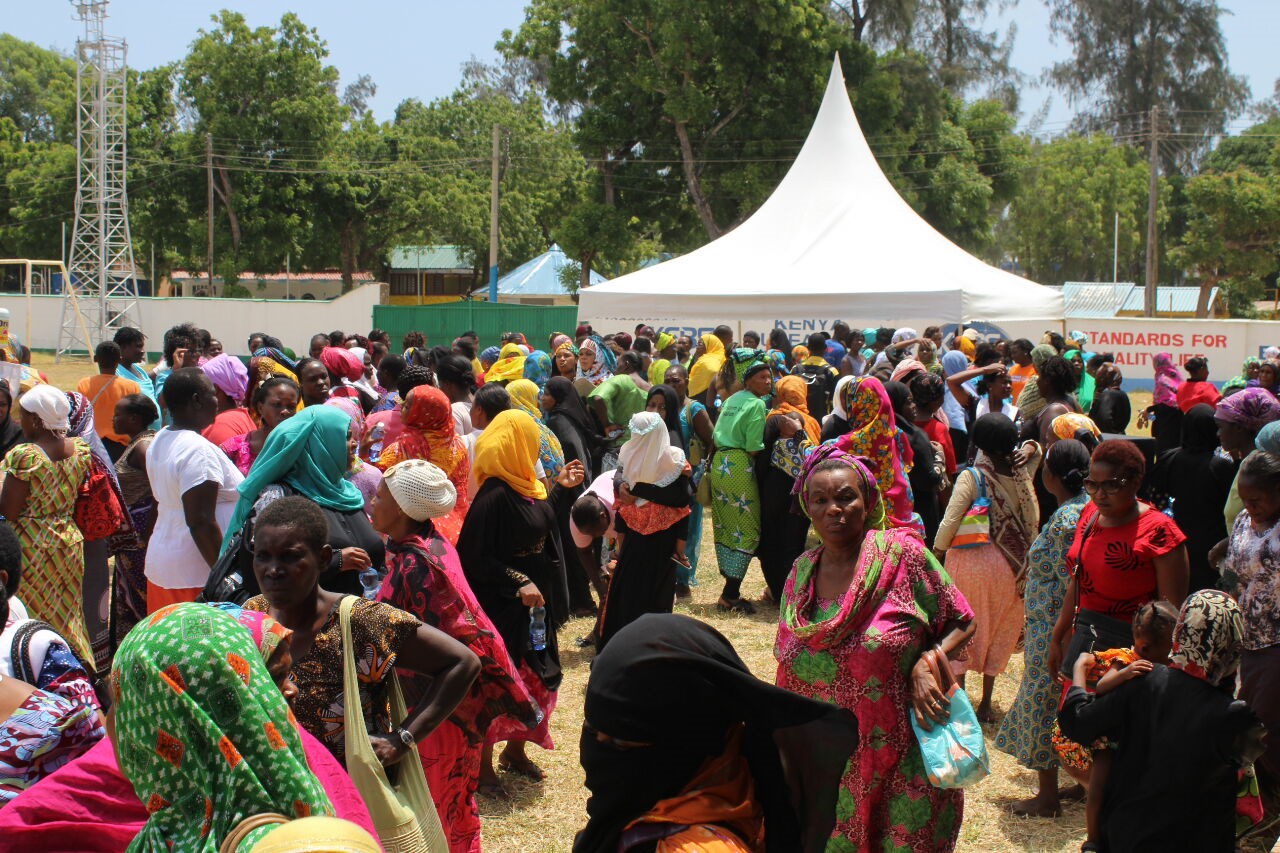
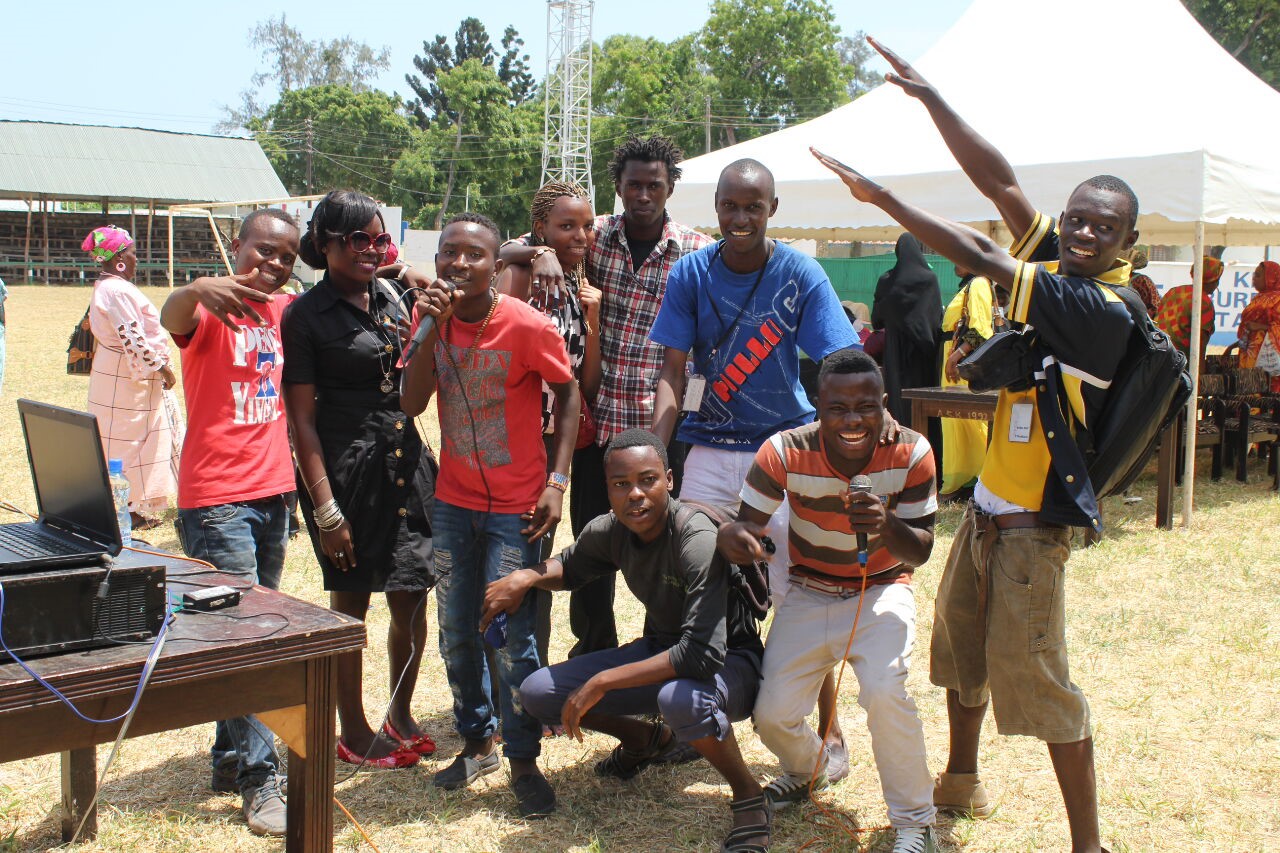
SPS Kennya’s outreach event

Last week, SSH’s 2014 Safe Public Spaces Mentoring team in Kenya was finally able to hold their event. Originally, they planned to hold an awareness campaign on their ferry in December, a site of much harassment, but it has been too unsafe to do so in their region due to terrorism. Other challenges included their banners were stolen, and the replacement venue was in a less populated area so their turnout was lower than anticipated.

But, they persevered and were able to set up a tent in Mombasa. They had peer educators and youth outreach workers who spoke with 475 community members about street harassment across two days. They had a loudspeaker that attracted people to them, women were fully in support of the campaign and some men said “they will from now on respect women and protect them from harassment.”

Organizer Mr. Cosmus W. Maina, Project-Co-ordinator-TEEN WATCH CENTRE, said that going forward they hope to train community outreach workers about street harassment, hold a sensitization forum for community stakeholders and police officers, and hold community road shows.


Share

Filed Under: SSH programs, street harassment

« Previous Page
Next Page »

Share Your Story

Share your street harassment story for the blog. Donate Now

From the Blog

  • #MeToo 2024 Study Released Today
  • Join International Anti-Street Harassment Week 2022
  • Giving Tuesday – Fund the Hotline
  • Thank You – International Anti-Street Harassment Week 2021
  • Share Your Story – Safecity and Catcalls Collaboration

Buy the Book

  • Contact
  • Events
  • Join Us
  • Donate
  • Facebook
  • Instagram
  • Pinterest
  • Tumblr
  • Twitter
  • YouTube

Copyright © 2026 Stop Street Harassment · Website Design by Sarah Marie Lacy