• About Us
    • What Is Street Harassment?
    • Why Stopping Street Harassment Matters
    • Meet the Team
      • Board of Directors
      • Past Board Members
    • In The Media
  • Our Work
    • National Street Harassment Hotline
    • International Anti-Street Harassment Week
    • Blog Correspondents
      • Past SSH Correspondents
    • Safe Public Spaces Mentoring Program
    • Publications
    • National Studies
    • Campaigns against Companies
    • Washington, D.C. Activism
  • Our Books
  • Donate
  • Store

Stop Street Harassment

Making Public Spaces Safe and Welcoming

  • Facebook
  • Instagram
  • Pinterest
  • Tumblr
  • Twitter
  • YouTube
  • Home
  • Blog
    • Harassment Stories
    • Blog Correspondents
    • Street Respect Stories
  • Help & Advice
    • National Street Harassment Hotline
    • Dealing With Harassers
      • Assertive Responses
      • Reporting Harassers
      • Bystander Responses
      • Creative Responses
    • What to Do Before or After Harassment
    • Street Harassment and the Law
  • Resources
    • Definitions
    • Statistics
    • Articles & Books
    • Anti-Harassment Groups & Campaigns
    • Male Allies
      • Educating Boys & Men
      • How to Talk to Women
      • Bystander Tips
    • Video Clips
    • Images & Flyers
  • Take Community Action
  • Contact

2012 #EndSH Successes Part 1: Campaigns & Protests

December 28, 2012 By HKearl

At the end of every year, I like to look back, document and reflect on everything that has transpired in the global movement to end street harassment and assault. Yesterday I wrote about 10 of Stop Street Harassment’s achievements. Today, I’m posting a five-part series about the highlights of ALL activism that happened this year (PDF format). WHAT A YEAR!

Post 1 (this one): New anti-street harassment campaigns, new initiatives within existing campaigns, and protests.

Post 2: Creative anti-street harassment initiatives.

Post 3: Government initiatives/collaborations

Post 4: New studies, reports, and significant news articles.

Post 5 : Stories from 25 people who stood up to street harassers this year.
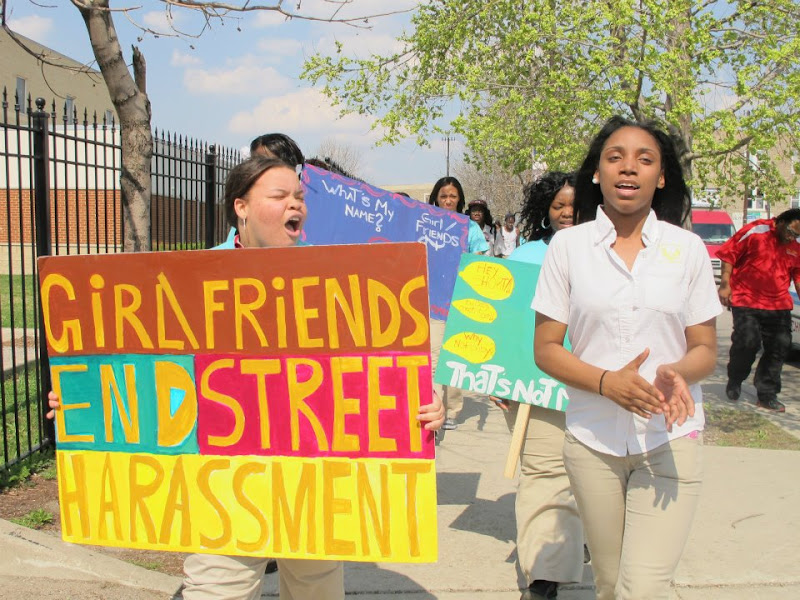
Girls from A Long Walk Home in Chicago organized a march around their high school.

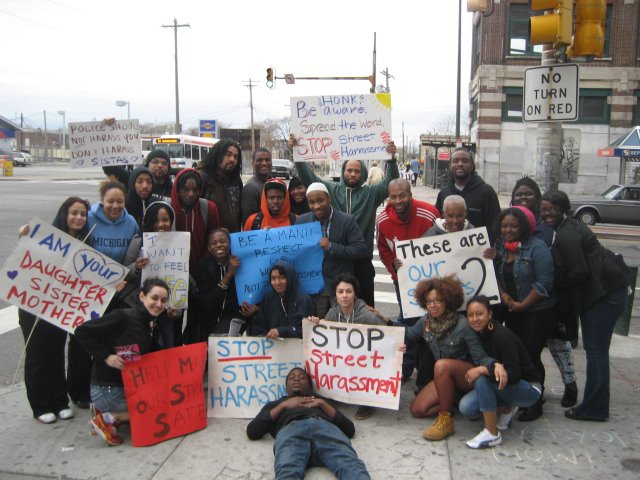
1. Global: In March, Stop Street Harassment organized more than 100 groups in more than 20 countries (on five continents) and tens of thousands of people to collectively speak out against street harassment during Meet Us on the Street: International Anti-Street Harassment Week. This is what happened, including rallies, marches, sidewalk chalk messaging, workshops, film screenings, viral videos, safety audits, report releases, street theater, passing out fliers, art exhibits, and more.

2. Global: Hollaback! now has chapters in 60 cities worldwide, and this year they launched an “I’ve Got Your Back” Bystander Campaign in partnership with Green Dot to show bystanders who to intervene, educate them about their options, and allow them to document their successes online. Green dots on the Hollaback! maps show intervention stories. (Read their State of the Streets 2012 report for more information.)

3. Australia: People Against Street Harassment launched in December. Their mission is “confronting street harassment in Sydney via stickering, leafleting, social media and other such sweet guerilla action.”

4. Australia: Cat Calls: Called Out is another new Sydney-based anti-street harassment campaign that works to bring attention to the issue and spread ideas for stopping it.

5. Belgium: In the fall, ELLE launched a Touche Pas à Ma Pote! (Don’t Touch my Girl friend) campaign with the support of local government agencies in Brussels and it includes signs plastered on trams for the next six months.

6. Canada: Women in Cities International is part-way through a multi-year project to conduct a Blueprint project on the theme of “preventing violence against women and girls and improving their security in Canadian cities.” This year, they worked with adolescent girls in the greater Montréal area and held workshops, focus group discussions and training sessions with them. Participants also conducted women’s safety audit walks and they had the opportunity to creatively illustrate their findings and recommendations.

7. Egypt: HarassMap collects street harassment stories on its online map. During 2012, they organized more than 500 HarassMap volunteers who went outside once per month to talk to shop owners, police, doormen and others with a presence in the street about street harassment and to let them know they need to not harass and to stand up if they see harassment happening.

8. Egypt: On June 13, activists in Egypt led a day of online action to speak out against street harassment and sexual violence using the hashtag #EndSH.

9. Egypt: After several mass sexual assaults of women at Tahrir Square and after a woman was murdered by a street harasser, there were numerous protests in the summer and fall (and one protest ended because men swarmed, attacking the protesters).

Photo by Yumna Al-Arashi.

10. Egypt: There were many campaigns against street harassment in Egypt ahead of the Eid holidays. In August, volunteers organized by the Imprint Movement patrolled the streets and subway stations, watching out for harassers and helped police arrest several. In October there was a “Catch a Harasser” initiative, men spray painting harassers, and special harassment reporting hotlines.

11. Egypt: Because there are so many instances of sexual harassment and sexual assault during political protests in Tahrir Square, during political protests in November and December, people volunteered their time to serve as patrollers, working to make the area safe for women. One of the groups is called Tahrir Bodyguard.

12. India: College students in Mumbai organized a Chal Hatt Tharki campaign asking women to raise their voices against sexual harassment and street harassment.

13. India: In April, thousands of women in Kannur, a district in Kerala, gathered in the city center to ask for the right to travel safely at night and in October in Chandigarh, college students and staff of Government College Sec 42 took to streets to protest street harassment and sexual violence.

14. India: In December, the Patiala-based organization Punjab Today Foundation launched a major awareness movement against what it called the “collective guilt of society” against girls and women called SMASH (Society’s Movement Against Street Harassment).

15. India: The organization Breakthrough launched a bystander campaign for the holiday Diwali in November, because everyone deserves a safe Diwali.

16. India: In July, Blank Noise curated a series of stories about people’s first recollection of experiencing street harassment called Recall. In December, they launched the #SafeCityPledge campaign.

Image from I Stand for Safe Delhi

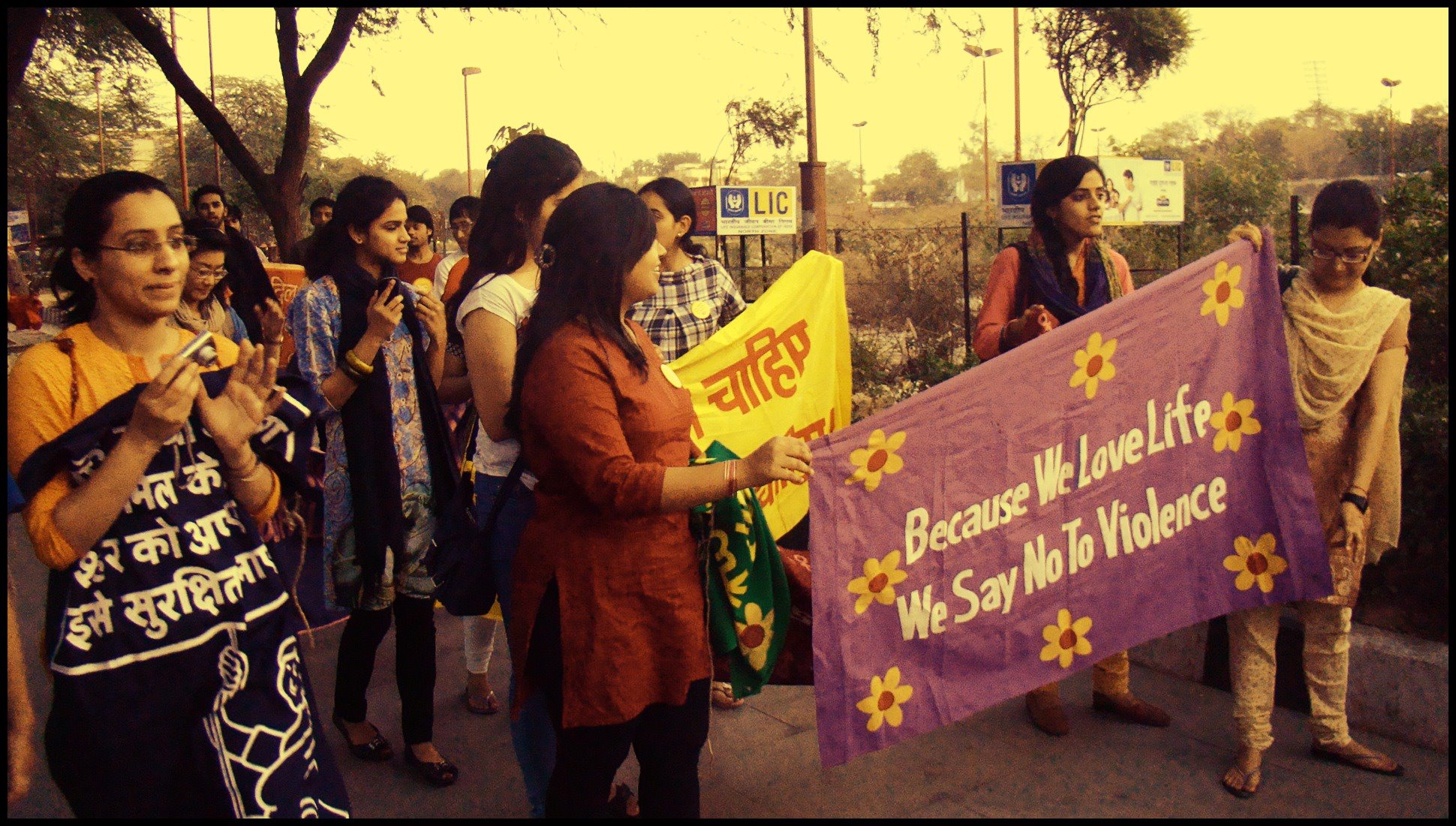
17. India: After a 23-year-old college woman was brutally gang rape and nearly murdered by six men on a bus (and her male friend was also beaten up by them) in mid-December, tens of thousands of people in Delhi have protested and marched daily, calling for an end to street harassment, rape, and all forms of sexual violence. For a time, they clashed with police who forbad people from gathering in groups larger than five people.

18. Jordan: In July, youth in Jordan formed a human chain from Al Hussein Sports City to the Interior Ministry Circle to protest various gender-based crimes, including street harassment, the practice of forcing rape survivors to marry their rapist, and honor killings.

19. Lebanon: Hundreds of people rallied in Beirut, Lebanon, in January to protest rape and sexual harassment and the weak laws against such crimes. The rally was organized by Nasawiya, a feminist collective that also runs The Adventures of Salwa campaign against street and sexual harassment.

20. Myanmar: In February, a new anti-harassment campaign launched called “whistle for help.” As part of the campaign 150 volunteers distributed whistles and pamphlets to women at eight busy bus stops in Yangon each Tuesday morning that month and they’ve continued to do so for nine months. The pamphlets tell women to blow the whistle when they experience sexual harassment on the bus and advises them to help other women when they blow the whistle.

21. Malawi: Women’s groups organized a protest in January, demanding the right to wear pants and mini-skirts and to demanding an end to sexual violence. Their actions were prompted by a series of attacks from gangs of men who targeted women wearing pants and short skirts.

22. Nepal: In April, 500 youth participated in a Walk for Respect against street harassment/sexual harassment in Kathmandu.

23. Nepal: After a 2011 ActionAid Report showed that street harassment is a big problem in Nepal, numerous groups came together to launch the Safe City Nepal campaign. It includes a public transportation component. Already, they have conducted a safety audit (evidence collection), held forums, and are now working on policy advocacy initiatives.

24. Peru: In February, university faculty and students launched the anti-street harassment initiative el Observatorio Virtual contra el Acoso Sexual Callejero. They have 20 volunteers who conduct interview and research on the topic, share information on their website and social media, meet with government officials, engage in awareness campaigns, and speak out against groups/people who dismiss street harassment (e.g. in September a radio show talked about street harassment as compliments and they protested it, issued a statement, etc).

25. Russia: This year the feminist group RosNahal tackled street harassment. They made a video about it (it has over two million views) and engaged in lobbying and activism that has led the Russian government to take notice.

26. Sri Lanka: Sri Lanka Unites organized the “S.H.O.W You Care” project. After receiving training, hundreds of young men boarded more than 1000 buses across a week and, according to a previously formulated strategic plan, apologized to women in the buses for any harassment they encountered in the past and provided them with information on legal recourse available to them. They also told men to take responsibility and not harass.

27. South Africa: After two teenagers wearing miniskirts were harassed and groped by a group of 50-60 men at a taxi rank, around 3,000 South Africans marched through Johannesburg in protest. The ruling African National Congress Women’s League organized the march to emphasize “that women had the right wear whatever they wanted without fear of victimization.”

28. South Africa: A new campaign against street harassment in Cape Town launched this year.

29. UK: Laura Bates launched the Everyday Sexism Project in the spring, in part because of her own street harassment experiences and other ways she faces daily sexism. In September she wrote, “The project is an ever-increasing collection of thousands of stories of sexism experienced by women around the world. In just over 5 months, the project has received nearly 6500 entries, with the last 5000 flooding in in just the last month as the momentum has gathered and word has spread.”

30. USA: Halloween in Isla Vista, the college town where University of California Santa Barbara is located, is a huge party every year. Unfortunately, some people use this as an excuse to street harass and assault people. In October, two student groups teamed up to organize a campaign against street harassment.
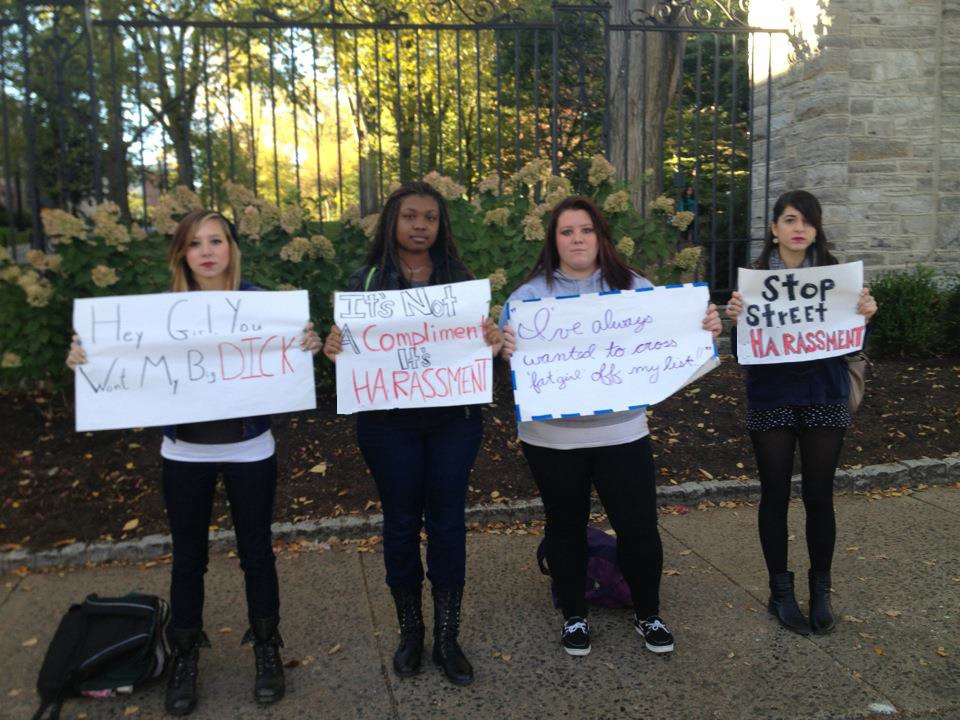
31. USA: Members of Penn State’s TRIOTA, the Women’s Studies Honor’s Society, held an anti-street harassment demonstration on a busy Friday afternoon in downtown State College in October. They held signs proclaiming their anti-harassment message, and even included specific remarks that had been yelled at them during their time at PSU.

32. USA: In March, Sarah Harper launched the Little Bird project to raise awareness about street harassment through the arts in San Francisco, California.

33. USA: Since January 1, 2012, at least 63 transgender individuals have been hatefully murdered, often by strangers in the streets, and many of the recent murders have been in Washington, DC. In September the DC Office of Human Rights launched a groundbreaking Transgender and Gender Identity Respect Campaign to improve the treatment of transgender and gender non-conforming people.

34. Yemen: This year, the Safe Streets campaign has encouraged women to report their stories to their website and highlighted the issue through social media and articles like this one, published on Open Democracy.

Share

Filed Under: anti-street harassment week, hollaback, News stories, street harassment, year end Tagged With: adventures of salwa, Blank Noise, catcalls, everyday sexism project, HarassMap, hollaback, i stand for safe delhi, rosnahal, safe streets yemen, Sri Lanka Unites, walk for respect, women in cities international

2012: Stop Street Harassment’s Top 10 Achievements

December 27, 2012 By HKearl

As 2012 comes to a close, I am proud of everything that Stop Street Harassment (SSH) achieved this year, especially because, as many SSH blog readers may know, I have a full-time job and do my street harassment activism during my lunch breaks, in the evenings, on the weekends, and over my vacation days.

Not only am I proud, I am also extremely grateful. I am grateful for the support of my partner, my parents, my day job co-workers, my friends and family, all of my activist allies, everyone who organized action for Meet Us on the  Street 2012, my new social media volunteers, and my new board members who each helped make the following 10 achievements possible.  So, a big THANK YOU to them, and a special thank you to the organization Collective Action for Safe Spaces, my co-collaborator for several projects.

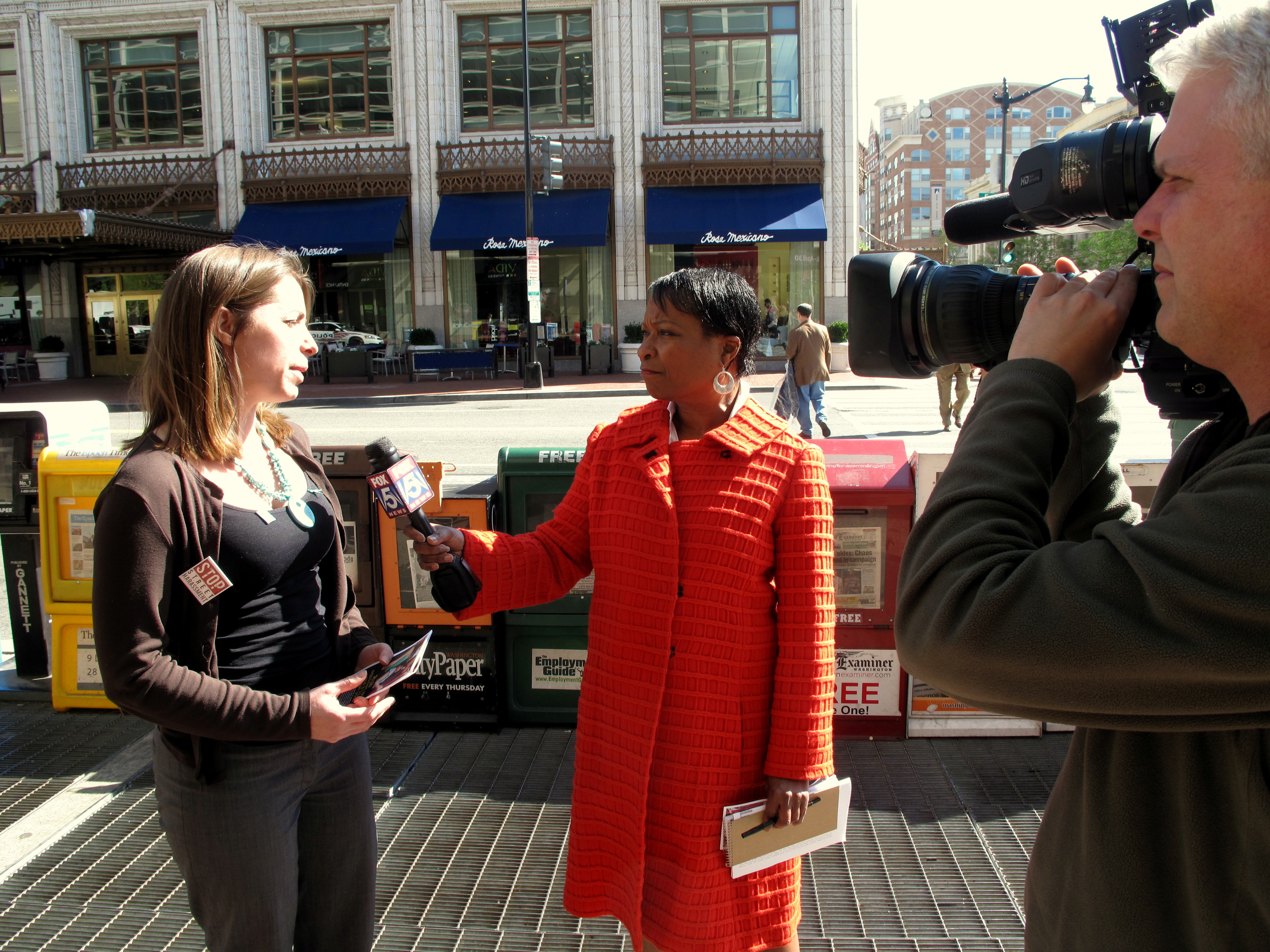
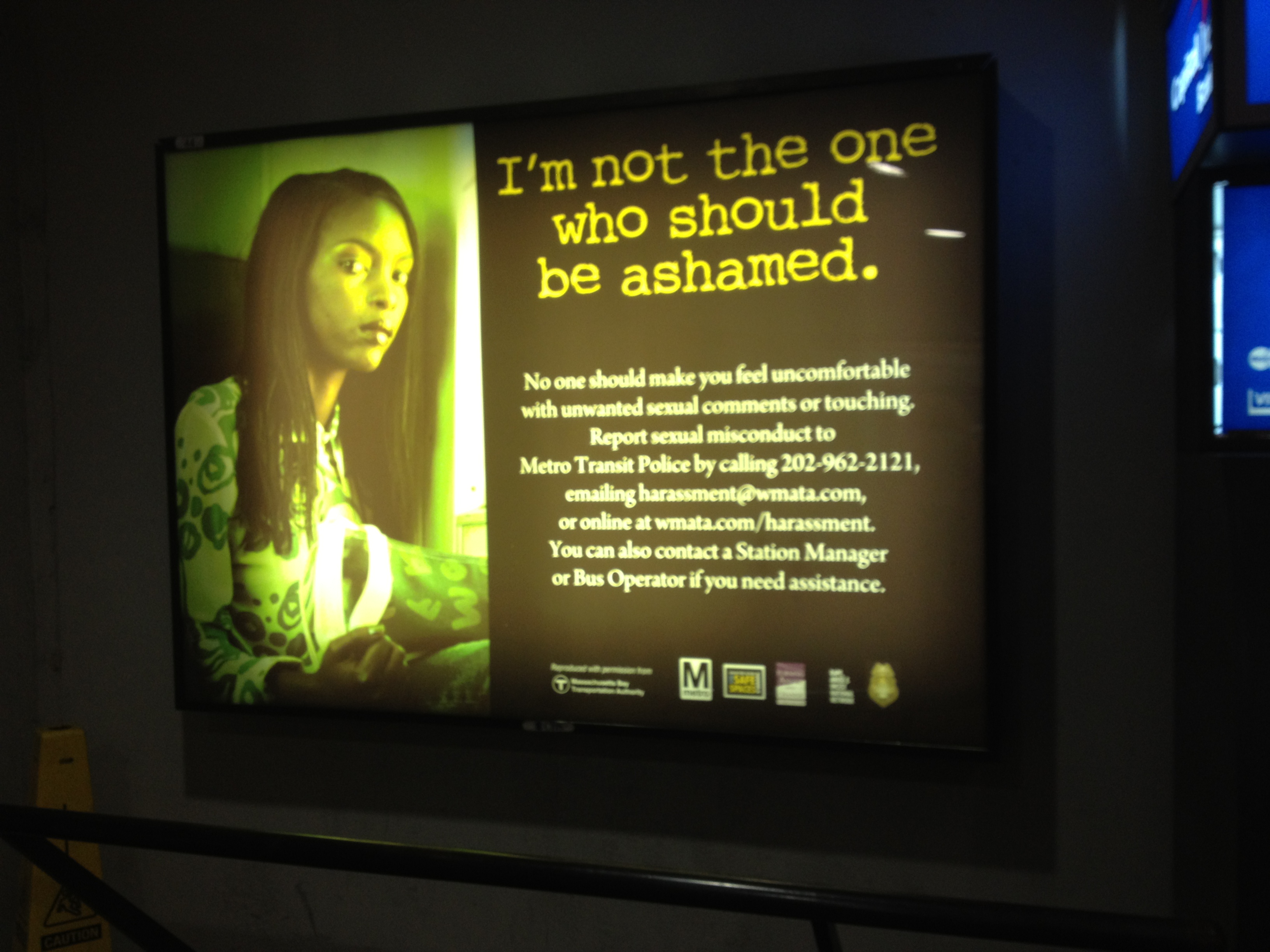
1. New Metro Campaign: After unsuccessfully trying to meet with the transit authority in Washington, DC, to discuss sexual harassment on their system, I joined a small group of people and testified about the problem before the Washington, DC City Council in February (we were organized by Collective Action for Safe Spaces). Then I wrote articles and gave media interviews about harassment on the Metro. The result? Helping successfully pressure the DC transportation authority to address sexual harassment in several ways, including by changing how they track and respond to harassment complaints, creating an online reporting form, and launching a poster campaign over the summer.

2. Anti-Street Harassment Week: Organized more than 100 groups in over 20 countries and tens of thousands of people to speak out during Meet Us on the Street: International Anti-Street Harassment Week in March. The United Nations recognized the week on their calendar! Read the wrap-up report.

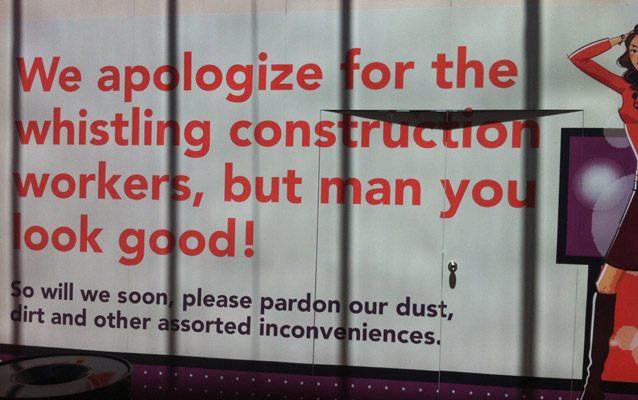
3. Petition Victory: Created and led the Change.org petition campaign that forced a New Jersey Mall to take down an offensive, pro-harassment construction sign.  It also resulted in tons of media coverage, especially after the Associated Press ran a story about the victory, bringing more public attention to the issue.

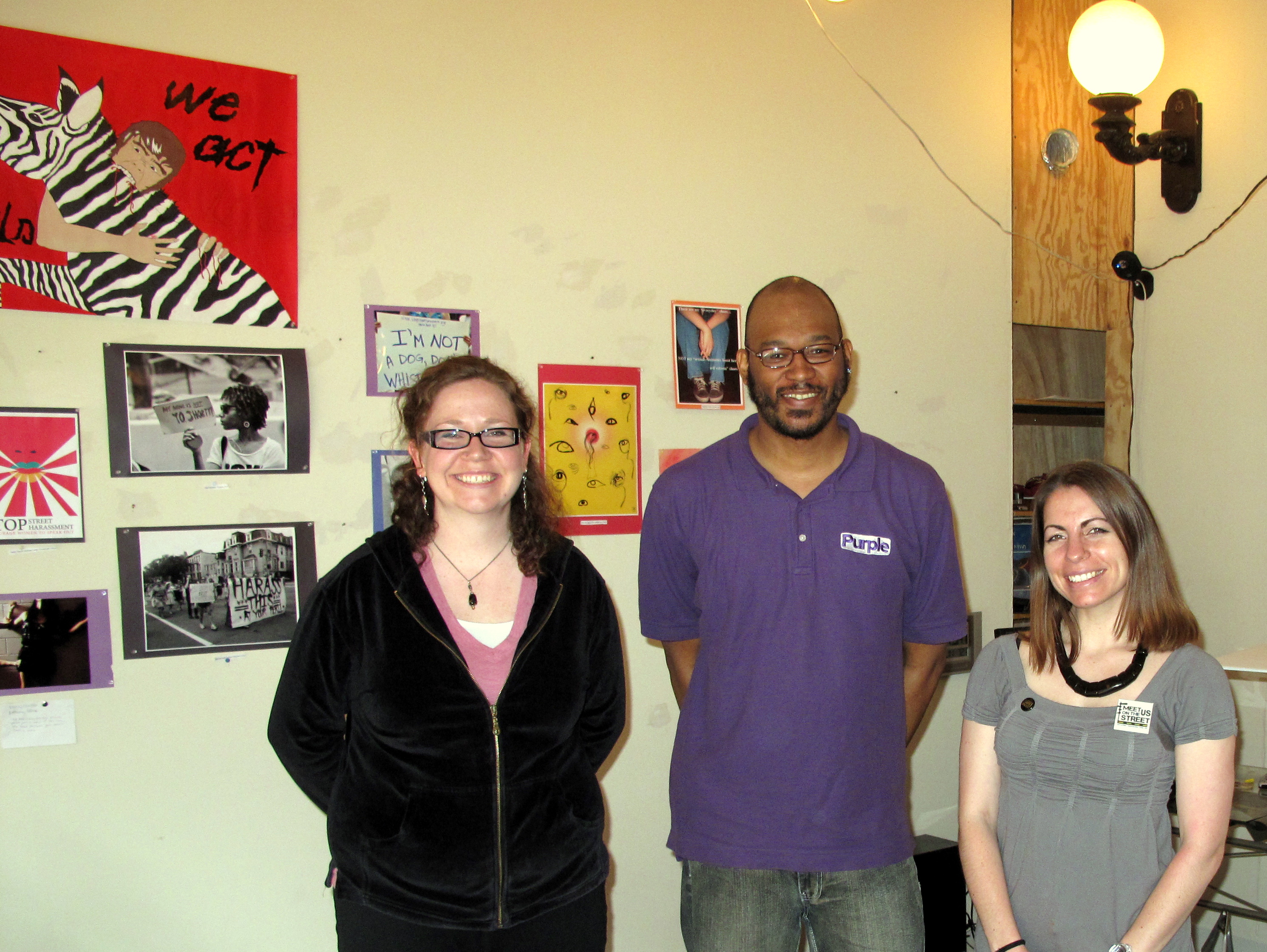
4. Organized Local Events: Organized three events about street harassment internationally and locally, including an art exhibit in March that included art from countries like Trinidad and Tobago and Yemen (co-organized with the Deaf Abused Women’s Network) as well as cities in the USA; another March event about harassment in Egypt, Iran, and the USA (co-organized with the YWCA-NCA); and an event in June about street harassment in Afghanistan and the USA (co-organized with Collective Action for Safe Spaces).


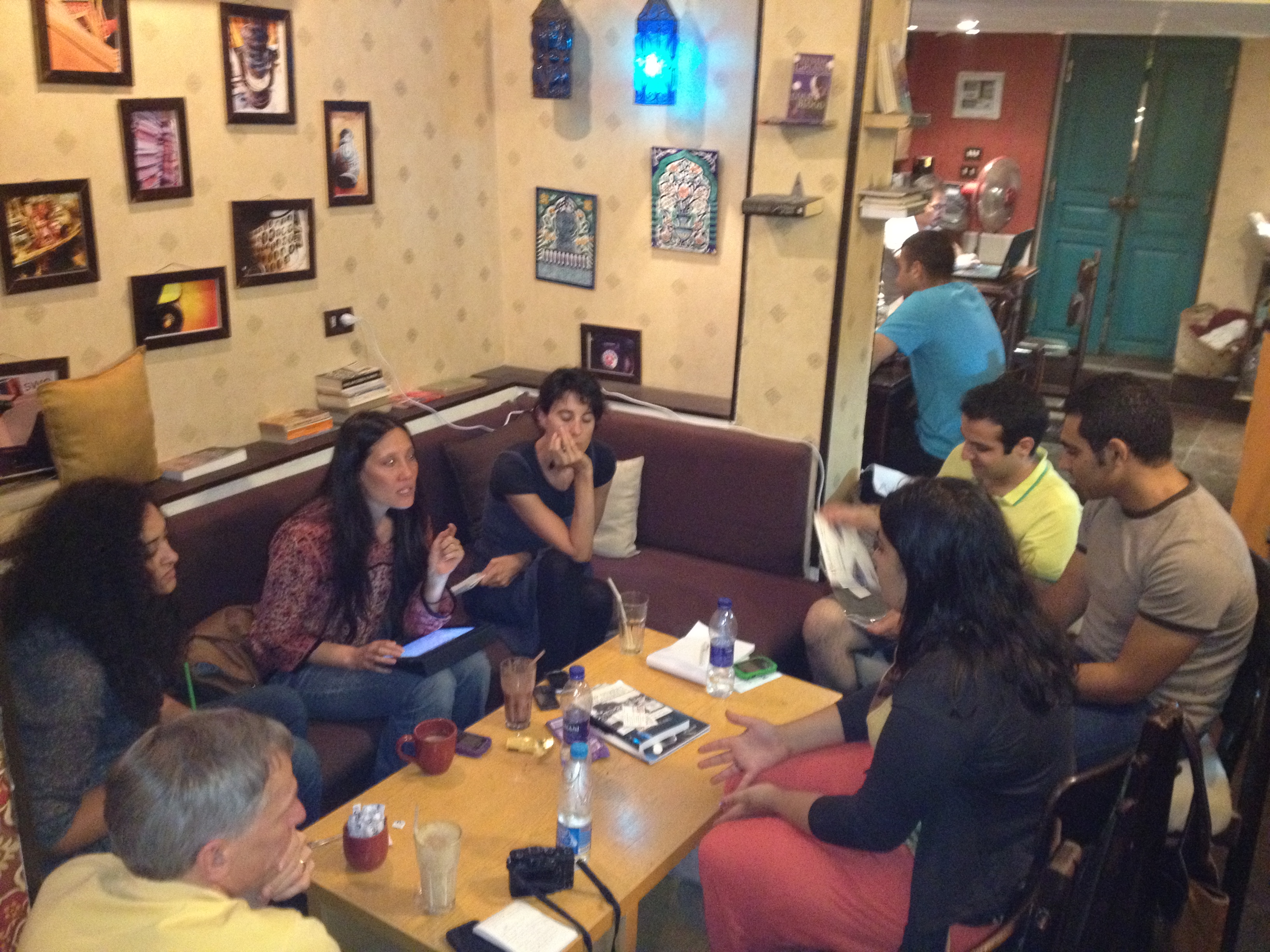
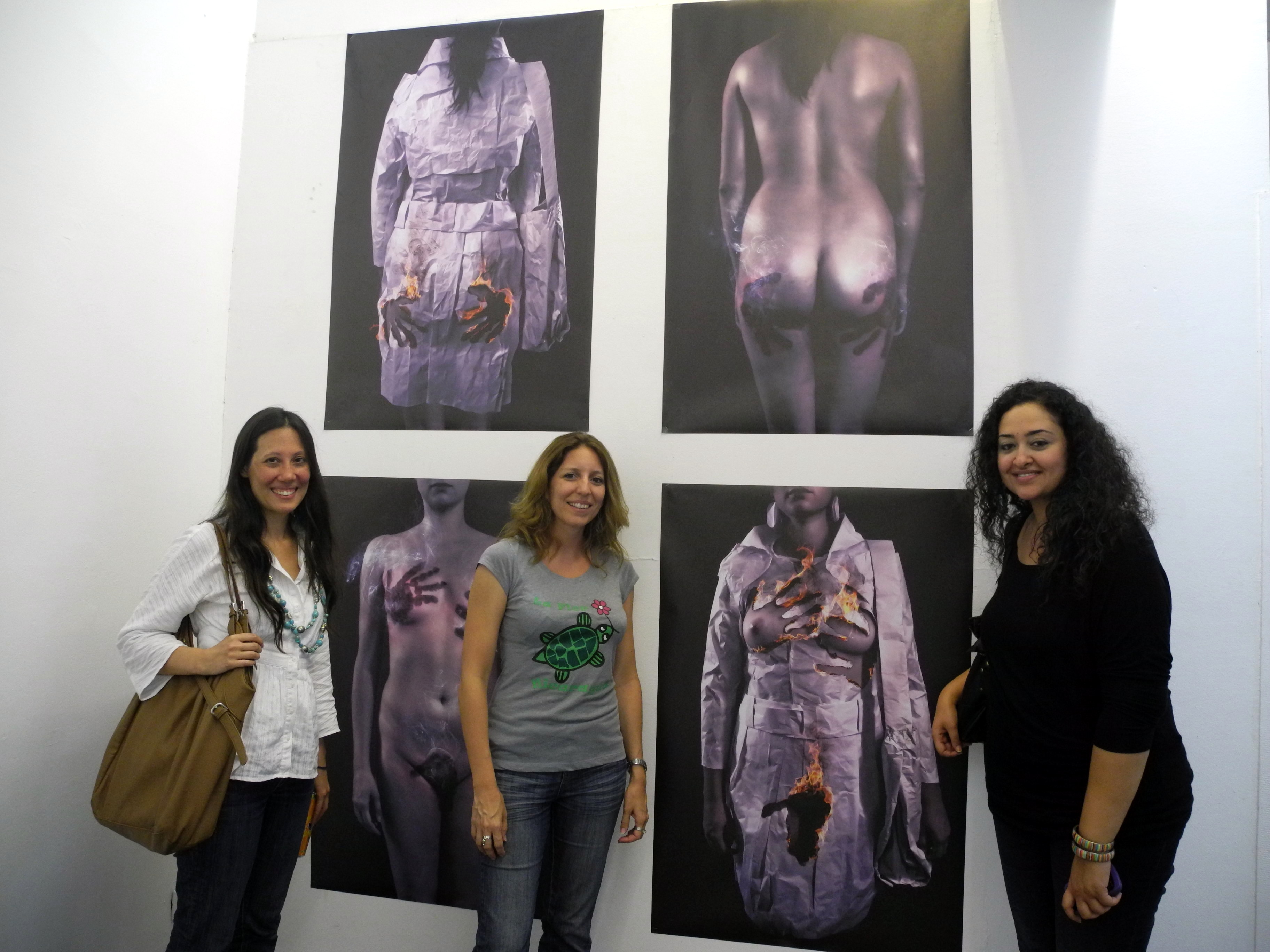
5. Egypt: Used vacation days from work and traveled to Cairo, Egypt, and attended the weekly meeting of the anti-harassment group HarassMap, perused an art exhibit about street harassment, and attended/spoke at an open mic event about sexual violence, including street harassment. I wrote about the art exhibit/open mic event for the Women’s Media Center.

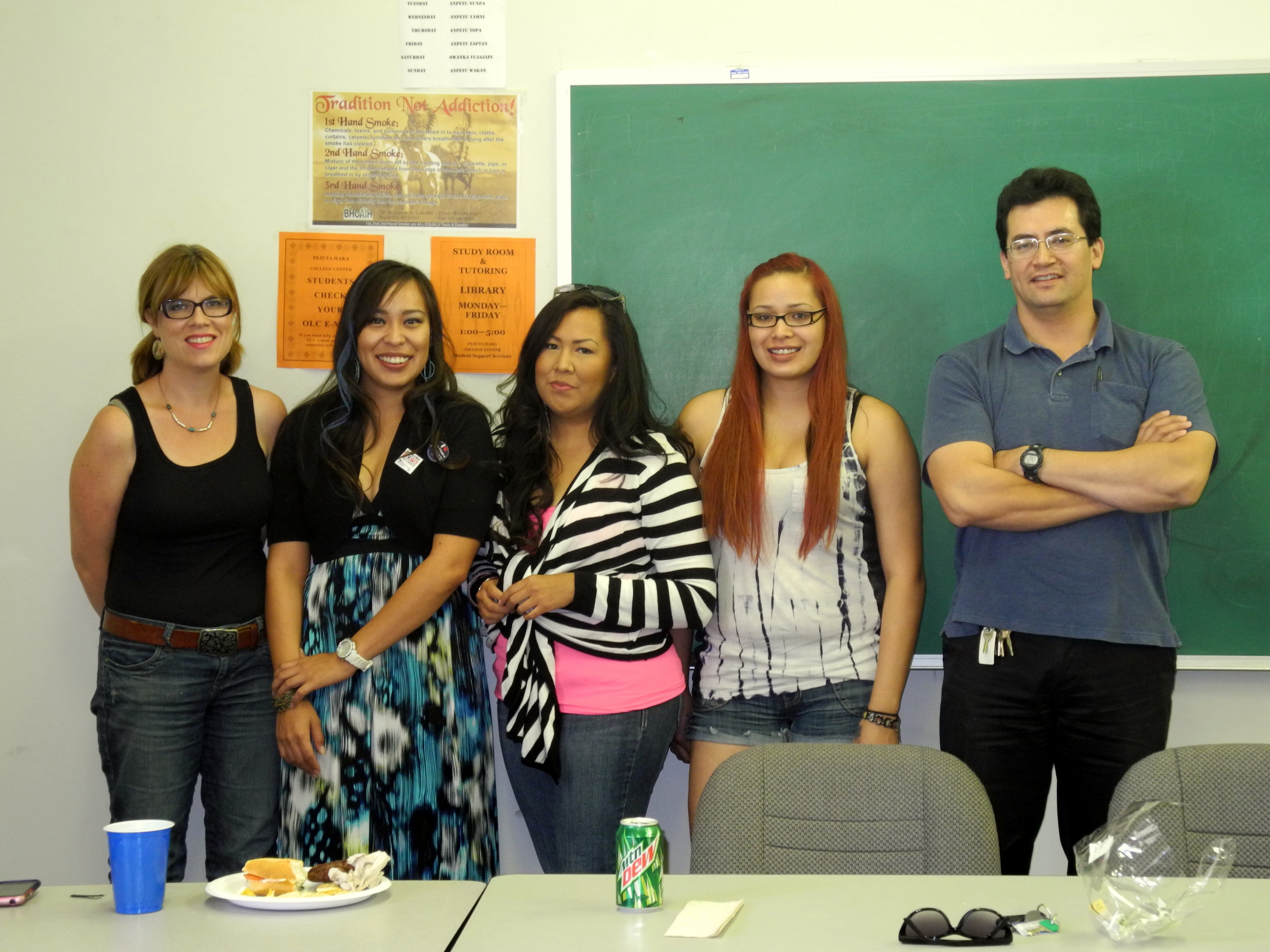
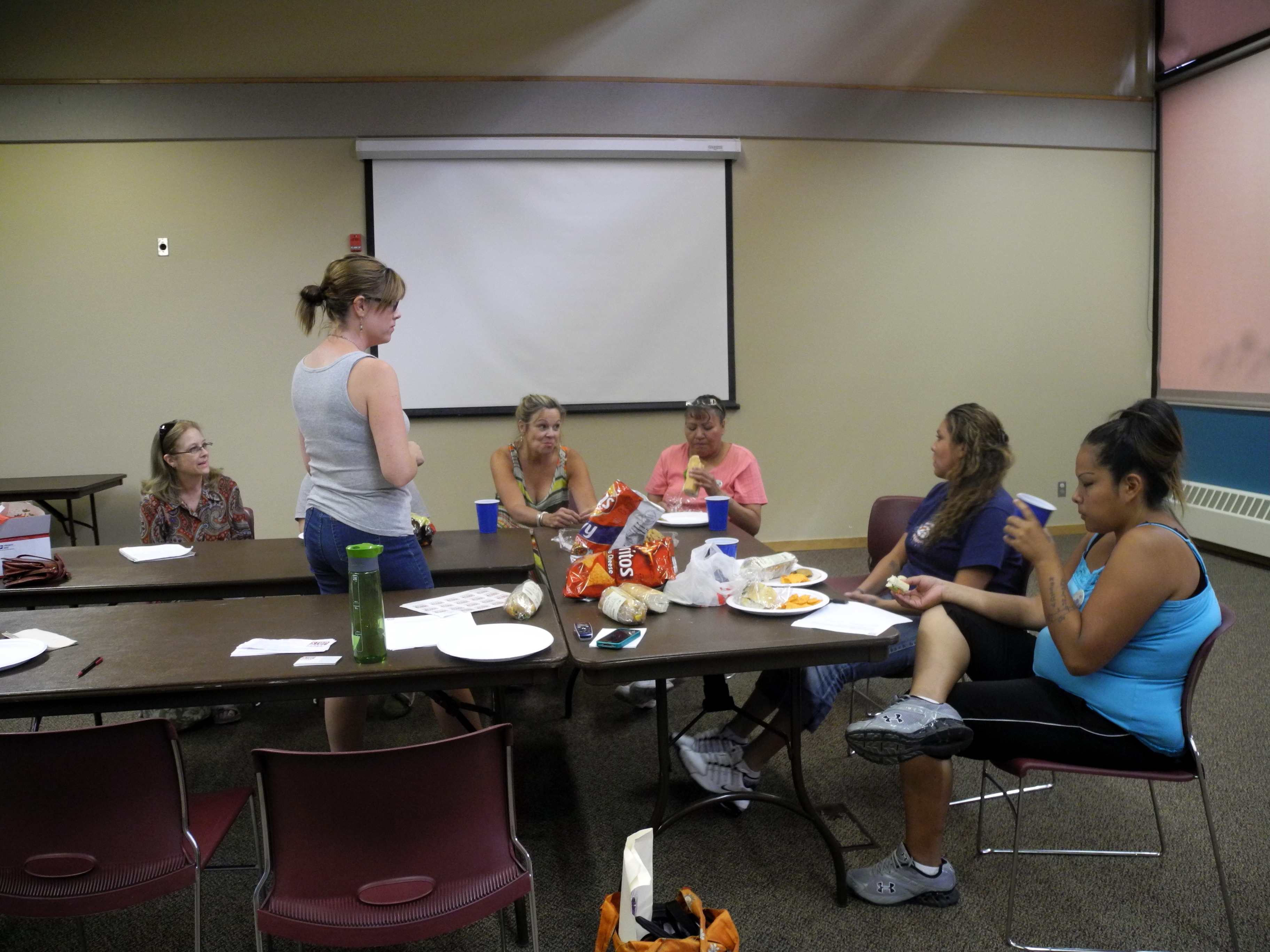
6. South Dakota: Used vacation days again and traveled to Pine Ridge Reservation and Rapid City in South  Dakota to conduct the first-ever focus groups about street harassment with Native Americans. The findings garnered media attention, including an Associated Press article and a South Dakota Public Broadcasting segment. I also wrote about the focus groups for the Women’s Media Center.

7. Talks: Gave 21 talks and presentations about street harassment on campuses, in high schools and to community groups (campuses included Stanford, UC Berkeley, Dickinson College, Jefferson Community College, George Mason University, Shenandoah University, and Portland State University), and spoke about street harassment at national conferences, including the National Organization for Women and the National Sexual Assault Conference.

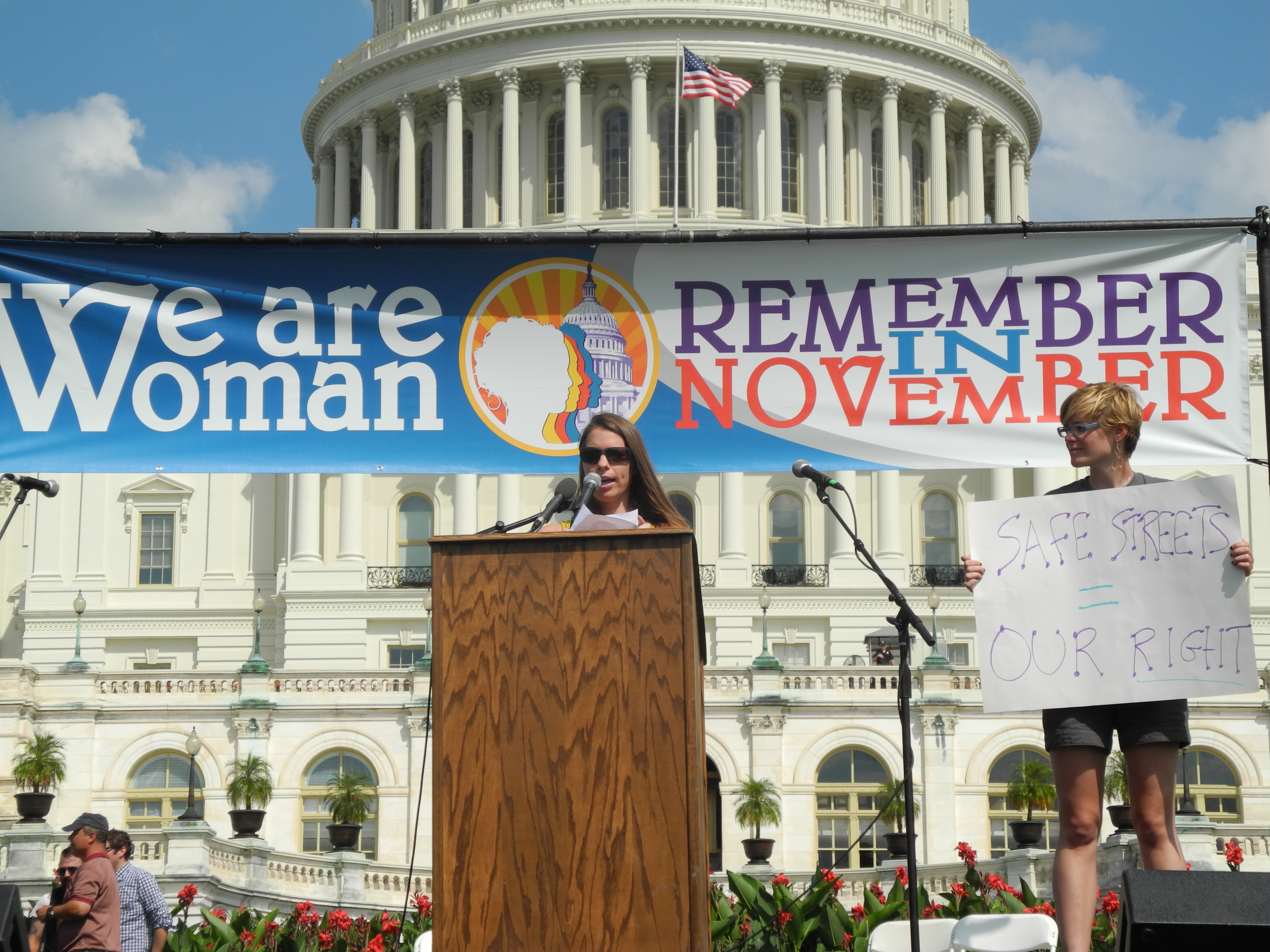
8. Rallies: Spoke at or tabled at women’s rights rallies and events, including the We Are Woman Rally and Slutwalk DC. Also was part of a team organized by Collective Action for Safe Spaces that performed a skit about sexual harassment on the Washington, DC Metro one Sunday afternoon in August.

9. Interviews: Gave nearly 50 media interviews, including for CNN.com, USA Today, New York Times, Wall Street Journal, The Jerusalem Post, ABC News, Cosmo Magazine, Ebony Magazine, Jezebel, and also gave interviews for more than a dozen college students who wrote papers and dissertations on street harassment.

10. Nonprofit, Paperback, & Volunteers: Gained 501(c)(3) nonprofit status, formed a board of directors, and recruited social media volunteers. Also, bought the paperback rights to my book Stop Street Harassment: Making Public Places Safe and Welcoming for Women and published it in paperback in April for the affordable price of $15! (Compared with $45 in hardcover.)

Everything SSH did in 2012 happened without donations or grants (and was nearly all financed by my paycheck from my day job or by my speaking honorariums), but you can help SSH achieve even more in 2013 by donating today. Donations are tax deductible and an anonymous donor will match all donations made in December. See my 2013 plans for SSH if I raise enough money.

A final note: There are four more days in 2012, come back each day to read success stories and learn about the major accomplishments and milestones that occurred worldwide to stop street harassment this year.

Share

Filed Under: street harassment

Swaziland Police Blame Women for Rape

December 26, 2012 By HKearl

Last month, women in Swaziland marched to protest rape and to ask for protection.

In response, instead of addressing why so many men are raping women or examining reporting/enforcement of laws, police decided to place the blame on women. They have now banned women from wearing miniskirts, shirts revealing their midriff, and low cut jeans. “The act of the rapist is made easy, because it would be easy to remove the half-cloth worn by the women,” police spokeswoman Wendy Hleta said.

That response and the ban are completely ridiculous. Clothing does not cause rape nor do certain clothes “make it easier” to rape. They need to focus on the perpetrators, not the survivors!

Share

Filed Under: News stories Tagged With: rape, slutwalk, Swaziland, victim blaming

Peace on Earth

December 25, 2012 By HKearl


Share

Filed Under: street harassment

Digest of Street Harassment News: December 23, 2012

December 23, 2012 By HKearl

** Sign up to receive a monthly e-newsletter from Stop Street Harassment ***

Street Harassment Stories:

Share your story! You can read street harassment stories on the Web at:

Stop Street Harassment Blog

Collective Action for Safe Spaces

HarassMap in Egypt

Bijoya in Bangladesh

Resist Harassment in Lebanon

Ramallah Street Watch in Palestine

Name and Shame in Pakistan

Safe Streets in Yemen

Street Harassment in South Africa

Many of the Hollaback sites

Everyday Sexism

Street Harassment In the News, on the Blogs:

* CNN, “Indian prime minister calls for calm after violence erupts during anti-rape rallies” and New York Times, “Clashes Break Out in India at a Protest Over a Rape Case” and Reuters, “India’s gang-rape protesters defy moves to quell outrage” and IBN Live, “Gangrape protests: What happened at India Gate” and Digital Journal, “Gang rape protesters clash with police in India”

* NDTV, “Gang-rape in Delhi bus: Police arrest two prime accused, recover iron rod“

* Al Jazeera, “Indians call for ‘no mercy’ in rape case“

* India Today, “Headlines Today reporter faces eve-teasing while reporting on Delhi gangrape case” and iDiva.com, “TV Journo Eve-Teased While Reporting Gang-Rape Case“

* Kafila, “Rape Cultures in India: Pratiksha Baxi” and Kafila, “To the Young Women and Men of Delhi: Thinking about Rape from India Gate“

* The Guardian, “How to prevent sexual assault (no chilli powder required)“

* Laura Bates, “A letter to Santa from all women“

* Hindustan Times, “What’s the answer?“

* The Hindu, “Delhi women most vulnerable to sexual harassment: Survey“

* The Times of India, “Eve teasers make girls unsafe“

* CNN.com, “‘Harassment map’ helps Egyptian women stand up for their rights“

* Safe World for Women, “India: The women living in fear of violence“

* The Times of India, “Eve-teasing prompts girl to end life“

* The Times of India, “Curb eve-teasing to prevent rapes, say women“

* Dailymotion, “Afghanistan School Girls beating Up boys who are committing street harassment“

Announcements:

New:

* Pre-order The Window Sex Project: Soundtrack in your choice of MP3 320, FLAC, or other formats.

* People honored “the girl with the blue bra” who was attacked during a protest last year in Egypt

* Join various on and off-line campaigns to protest the #DelhiGangRape

* Stop Street Harassment is looking for correspondents to write a blog post once or twice a month about street harassment news and/or activism in their area/country. Details.

* Check out the new anti-harassment group in Sydney, Australia, “People Against Street Harassment“

* Read what Hollaback did this year to stop street harassment.

Reminders:

*Follow Stop Street Harassment on Tumblr

* Read Jennifer Harrison’s dissertation, “Gender segregation on public transport in South Asia: A critical evaluation of approaches for addressing harassment against women.”

* Check out the Tumblr “Ish people say to me on my way to the train“

* HoodRules thebook is now available!

* Check out the project CATCALLED: the stories of 11 women in New York City from two weeks in August 2012, now online.

* Baltimore, MD, folks — take a survey about street harassment for Hollaback! Bmore

* METRAC released a free “Not Your Baby App” to provide responses you can use when experiencing harassment

15 Tweets from the Week:

1. @HeatherFaison If only I could use that magic to make some of these dudes on 14th st disappear #streetharassment

2. @harassmap Volunteer with us; help us expand and put an end to the social acceptability of sexual harassment in #Egypt. #endsh https://docs.google.com/a/harassmap.org/spreadsheet/viewform?formkey=dFM4SW0ydTRnOGZaZnI5ZzM4Y1owaXc6MQ#gid=0 …

3. @sallyzohney Send if support to my lovely friend @NadaThakeb a survivor of sexual assault yesterday in haram. Ur stronger as alway #endSH

4. @NachiSharma25 this ain’t no freedom and this ain’t the nation i was once proud of… Sad shocked #delhigangrape #indiagate #nsui

5. @DuhBlockedGuy Can’t protest online (Sec. 66A) Can’t protest offline (Section 144) Welcome to India: The World’s Largest Democracy #Delhigangrape

6. @Wolfe321 Because nothing says “We take your concerns seriously” like high-powered water canons. #Delhigangrape? Here’s more violence. @veronicaeye

7. @aliciasanchez men don’t know what it’s like to have a stranger walk up to them and make demands like “smile” or “don’t look so mad.” #streetharassment

8. @srini091 While we are outraging abt #delhigangrape,in TN a 13 yr old girl raped & killed.yes thats her school bag&body in bushes pic.twitter.com/HL1UOCJJ

9. @sunayanaroy I pledge to speak up every time somebody tells me ‘she asked for it’ no matter what it costs me #DelhiGangRape #SafeCityPledge @BLANK_NOISE

10. @KiraCochrane Rape was the subject of the first ever feminist speak out in NY, 1971. I speak to the Rape Crisis movement’s pioneers: http://gu.com/p/3ct2a/tw

11. ‏@FreedomReeves Rape, #streetharassment, all the gender mess that women have to deal with would change profoundly if men bothered to check other men.

12. @ATRWibben “Why street harassment is rape culture” http://bit.ly/12q0Y8Q  On the continuum of #sexualizedviolence – from #streetharrassment to #rape.

13. chessyjo I find that I experience approximately fifty percent more street harassment than normal when I’m wearing red lipstick.

14. @SandraThomas08 Yes thank you sexual harraser, that’s exactly what I like to hear at 6:45 am in the freezing cold #EndSH

15. @TahrirBodyguard Please, send us articles, studies, testimonies… on sexual harassment.We are working on our website and we need good content! #Egypt #endSH

Share

Filed Under: street harassment

« Previous Page
Next Page »

Share Your Story

Share your street harassment story for the blog. Donate Now

From the Blog

  • #MeToo 2024 Study Released Today
  • Join International Anti-Street Harassment Week 2022
  • Giving Tuesday – Fund the Hotline
  • Thank You – International Anti-Street Harassment Week 2021
  • Share Your Story – Safecity and Catcalls Collaboration

Buy the Book

  • Contact
  • Events
  • Join Us
  • Donate
  • Facebook
  • Instagram
  • Pinterest
  • Tumblr
  • Twitter
  • YouTube

Copyright © 2026 Stop Street Harassment · Website Design by Sarah Marie Lacy