• About Us
    • What Is Street Harassment?
    • Why Stopping Street Harassment Matters
    • Meet the Team
      • Board of Directors
      • Past Board Members
    • In The Media
  • Our Work
    • National Street Harassment Hotline
    • International Anti-Street Harassment Week
    • Blog Correspondents
      • Past SSH Correspondents
    • Safe Public Spaces Mentoring Program
    • Publications
    • National Studies
    • Campaigns against Companies
    • Washington, D.C. Activism
  • Our Books
  • Donate
  • Store

Stop Street Harassment

Making Public Spaces Safe and Welcoming

  • Facebook
  • Instagram
  • Pinterest
  • Tumblr
  • Twitter
  • YouTube
  • Home
  • Blog
    • Harassment Stories
    • Blog Correspondents
    • Street Respect Stories
  • Help & Advice
    • National Street Harassment Hotline
    • Dealing With Harassers
      • Assertive Responses
      • Reporting Harassers
      • Bystander Responses
      • Creative Responses
    • What to Do Before or After Harassment
    • Street Harassment and the Law
  • Resources
    • Definitions
    • Statistics
    • Articles & Books
    • Anti-Harassment Groups & Campaigns
    • Male Allies
      • Educating Boys & Men
      • How to Talk to Women
      • Bystander Tips
    • Video Clips
    • Images & Flyers
  • Take Community Action
  • Contact

“That’s too bad, you sure you only play with girls?”

September 17, 2014 By Contributor

I was walking to meet my partner one afternoon, and a man was walking behind me for a few minutes.  It seemed like he was trying to catch up to me and finally did, and asked me “Where are you going?”

I said I was going to meet up with my girlfriend, and he replied “a girlfriend girlfriend?? “I said “Yes” and he said, “That’s too bad, you sure you only play with girls?” I replied “yep” and started walking faster, to which he replied “Good-looking girl like you, you’ve got a nice ass”.

I was in complete shock and all I could muster out was “thanks”.  I couldn’t believe that happened.  After we both changed directions I was in shock and awe still that this complete stranger said this to me.

Optional: What’s one way you think we can make public places safer for everyone?

Raise our children, teach them that it is not acceptable behavior to cat-call or harass people.  The media plays a HUGE role in how men perceive women want to be treated.

– Emerald

Location: Street

Share your street harassment story for the blog.
See the book 50 Stories about Stopping Street Harassers for more idea

Share

Filed Under: Stories, street harassment

“Roll with me to the beach”

September 17, 2014 By Contributor

One night I sat in downtown, Honolulu (Hawaii), waiting for my ride. Class had just finished at about 9 P.M., a stranger walks up to me and sits beside me, asks what I’m doing, then stares for awhile after I answer him. It got a bit awkward so I asked him a few questions, attempting small talk, he took awhile to answer my questions, often times asked me to repeat it then answer. As he sat on my right side, I asked his name and where he was from. What he was doing in town at night, holding a fire knife.

He hadn’t answered me, he continued to stare at me, and started jerking his head in a certain direction. I asked if he was okay and he replied, “Roll with me to the beach”. I said politely said, “No thanks, I’m waiting for my ride”. He then asked to move to the other side of me, I told him it was fine, not thinking anything of it.

I tried to talk to him some more but he wasn’t replying much at all. He then asked me once again, what I was doing and proclaimed for me to walk with him to the beach. So I asked, “What for? I told you I’m waiting for my ride”. He then replied, “So we can have sex on the beach and have a good time talking about it on the way”. I was shocked that he’d come directly with such a statement.

I then told him, “No! I don’t know what kind of girl you take me for but you’re mistaken”! I awkwardly stared away from him, then looking down at my bag in silence and noticed he had pulled down his zipper and was holding his appendage in his hand. I looked up and away to my right side fast, and what he was doing and for him to out it away. He told me to look down at it and I refused. I was very scared, not knowing what would happen next if I tried to run away, being that there was no one around. I ignored him for the next few minutes while he asked questions and then my ride pulled up. I haven’t spoken about it to anyone ’til now.

Optional: What’s one way you think we can make public places safer for everyone?

Making anywhere a safer place seems almost impossible because no matter the time or place, there are still sick people rooming around and in some circumstances, people aren’t walking around at night or certain times of the day.

– Anonymous

Location: Honolulu, Hawaii, U.S.

Share your street harassment story for the blog.
See the book 50 Stories about Stopping Street Harassers for more idea

Share

Filed Under: Stories, street harassment

Bulgaria: Finding the words to discuss street harassment

September 17, 2014 By Correspondent

Diana Hinova, Sofia, Bulgaria, SSH Blog Correspondent

Via HD Wallpapers

Lately I’ve been thinking, there does not seem to be as much street harassment in Sofia as there used to be – and when I asked my peers, women in their mid-twenties and thirties, they agree. Still, all of us recall those times when a stranger aggressively introduced himself and followed us down the street; when a car pulled up and offered unceremoniously offered to f*ck us; when an unidentified man shouted obscenities our way and we grit our teeth, stayed calm and kept walking. And when I leave to walk a couple of kilometers home after a dinner party, my friend still asks me to call when I reach home safely, as do most good female friends.

‘Street harassment’ translates poorly into Bulgarian. So do many terms related to gender equality and anything with even a hint of feminism, themes that instantly make many Bulgarians wary. Street harassment seems to have declined in the space we, the women age twenties-to-thirties, inhabit in Sofia. But whether it’s based on changes in our appearance and the attitude we present on the street, or a cathartic improvement in men’s behavior, or both, is an open question. Street harassment still happens regularly here, as several teenagers I asked confirmed last week.

It should concern us that street harassment in Bulgaria more often happens to younger women, in rougher neighborhoods, and in smaller towns. It is in these places, and near construction sites and other places where men from these places cross paths with strangers, that street harassment most often happens in Bulgaria.

This divide teaches girls and women in the most vulnerable spheres of our society that public spaces are not theirs, not safe for them, more than others. It normalizes men objectifying girls’ bodies and consolidates the harmful norms of patriarchy that make feminism a frightening, repulsive term for the populations that arguably need to reconsider their take on gender equality the most.

The same divide leaves some parts of society to stew in their prejudices – racism, xenophobia, homophobia – while others self-righteously insulate their evolved European principles from discussion with opponents. For some reason, it is simply not accepted in Bulgaria to discuss these issues widely and openly (for fear to ‘be a feminist’ and be ostracized as such).  The topics are seen as fit only for experts to have opinions on and express them. Grassroots initiatives against street harassment and gender based violence, like Hollaback and One Billion Rising, do not get nearly as much traction in Bulgaria as they do in other countries in the Balkans (Turkey, Bosnia and Herzegovina, Croatia). And while some would argue that the problems may not be as serious in Bulgaria, there are in fact no reliable figures at the national level* to make such comparisons.

But guess what: they do affect all of us, #YesAllWomen and all men as well. If not us, they will affect our sons and daughters. The Violence Against Women Survey (2014, European Union Agency for Fundamental Rights; explore findings here) indicates that a quarter of all incidents of physical, sexual and psychological violence against women by people other than their partner happens in public spaces: streets, parks, and shops. Bystander intervention in these instances can be effective in deterring the harasser or attacker. Let’s reach out to those parts of our society that still accept street harassment and keep quiet about gender based violence, to show them that it’s so not okay.

Diana has a Master’s in Public Policy from Georgetown University and works as a consultant to INGOs. Follow her on Twitter @dialeidoscope or letnimletni.blogspot.com.

С какви думи да говорим за уличния тормоз?

Напоследък си мисля, изглежда има по малко уличен тормоз в София от преди – и като питам себеподобни, жени в двайсейтте и трийсейтте си, срещам съгласие. Но все пак, всички си спомняме онзи път, когато някой непознат агресивно ни се представи и ни следва по улицата; когато край нас спря кола и безцеремонно ни предложа да ни наебат; когато непознат безпричинно крещи нецензурни закани по нас, а ние стискаме зъби, поемаме въздух и продължаваме. И все още като си тръгвам пеша за вкъщи от вечерна среща, приятелката ми ме моли да звънна като се прибера, за всеки случай, както си правят повечето добри приятелки.

Трудно се превежда понятието street harassment (“уличен тормоз”? – приемам предложения) на Български. Това важи и за много термини свързани с равноправие на половете или дори капка намек за нещо като феминизъм, теми които се възприемат от много Българи с враждебност. Уличният тормоз изглежда по-рядко се случва в пространствата, които ние, жените около двайсетте, населяваме в София. Но дали това се дължи на промени в нашата външност и излъчването, което си придаваме на улицата, на катарзисно подобрение в мъжкото поведение, или и двете, си е отворен въпрос. Уличен тормоз все още се случва редовно тук, както ми потвърдиха няколко запитани тийнеджърки този месец.

Редно е да ни притеснява, че уличния тормоз в България най-често засяга млади момичета, най-често се случва в лоши квартали или по-малки населени места. В тези пространства, както и около строителни обекти и въобще там, където мъже от някои общности се срещат с непознати, най-често се случва уличния тормоз в България.

А това разделение подсилва усещането точно у момичетата от най-уязвимите сфери на обществото, че публичните пространства не са техни, не са безопасни за тях, повече отколкото за другите. Нормализира това, мъжете да гледат на телата им като на предмети и затвърдява вредните порядки на патриархата. Тези порядки, които превръщат феминизма в страшно, отблъскващо понятие именно за общностите които вероятно биха имали най-голяма полза да преразгледат подхода си към равноправие на половете.

Същото разделение оставя някой части от обществото да си циклят в предразсъдъците – расизъм, ксенофобия, хомофобия – докато други самодоволно изолират напредничавите си принципи от диалог с друго-мислещи. Не зная защо в България не се приема откритото и широко дискутиране на тези теми (за да не излезеш феминистка и да те отхвърлят за това). Темите се считат подходящи само за експерти, само те могат да имат и изразяват мнения по тези въпроси.

Масовите движения против уличния тормоз и половото насилие, като Hollaback и Един Милиард се изправят One Billion Rising, не предизвикват особено внимание в България, както става в други Балкански държави (Турция, Босна и Херцеговина, Хърватия). Някои биха казали, че проблемите ни не са толкова сериозни колкото там, но на практика не съществуват данни за да се направи подобно сравнение.

Помислете си: тези проблеми ни засягат всички, и мъже и жени. Ако не нас сега, ще засегнат сновете и дъщерите ни. Изследването на Насилието над Жени (2014, Агенция на Европейския Съюз за Основни Права; разгледайте резултатите тук) показва, че една четвърт от всички случаи на физическо, сексуално и психологическо насилие над жени с извършител друг от партньора, са в публичното пространство: на улицата, в парка, в магазина. Намесата на непознати в такива случаи може ефективно да откаже тормозещия или нападателя. Нека подадем ръка на тези части от нашето общество, които все още приемат уличния тормоз и прикриват половото насилие, да им покажем че никак не е приемливо.

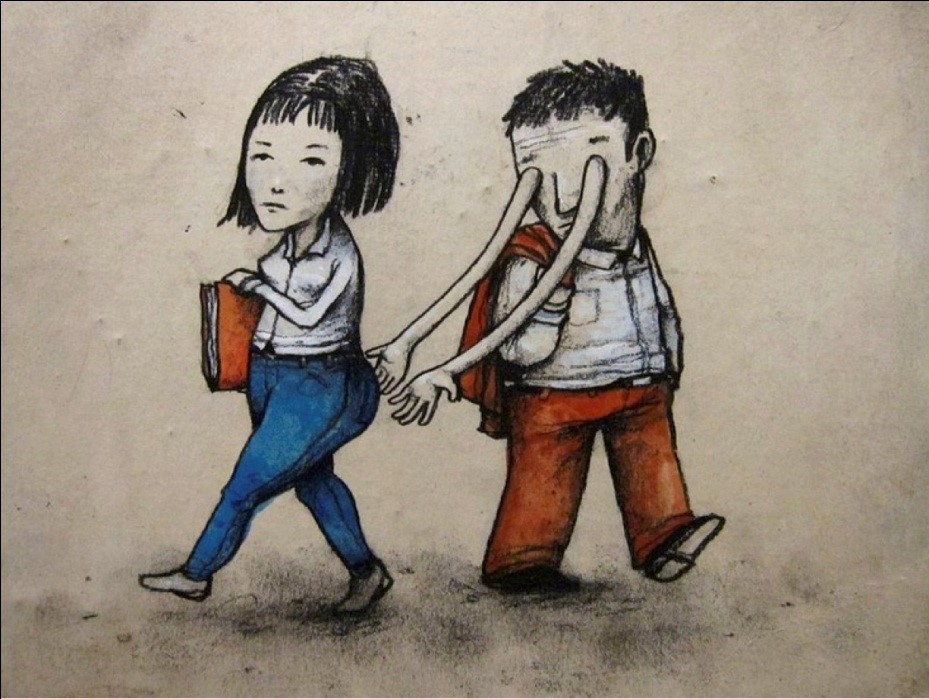
Share

Filed Under: correspondents, street harassment

“I started being harassed as a pedestrian the summer I turned nine”

September 16, 2014 By Contributor

I was whistled at twice in five minutes, before I made it to the first crosswalk near my house. Then, a man driving a semi honked and pointed at me. This happens every single time I leave my house, but THIS time, I was able to read the business name and phone number on the truck. I have written a letter to send to the business, and I am considering contacting the Better Business Bureau, the Department of Motor Vehicles, and/or any other resource that seems relevant.

I started being harassed as a pedestrian the summer I turned nine. A driver honked, catcalled, and threw a penny that hit me. Now I am 39 and I keep thinking I will eventually grow old enough to fall off the radar. Being honked at, whistled at, shouted at, followed, groped, and grabbed makes me angry, shaken up, and stressed out. This is the first time I haven’t felt completely helpless. Half the time, it seems the ʺhonkerʺ is driving a work vehicle, so maybe writing to the employers is a way to put negative pressure on the practice.

Optional: What’s one way you think we can make public places safer for everyone?

Police need to take sexual harassment seriously.  Employers need to crack down on it when their employees do it on the job.  It would also really help if some celebrities such as action film stars and professional athletes spoke up about it.

– Anonymous

Location: Van Nuys, CA

Share your street harassment story for the blog.
See the book 50 Stories about Stopping Street Harassers for more idea


Share

Filed Under: Stories, street harassment

Peru: Entiéndanlo mujeres y niñas la calle no es nuestra, es de ellos

September 16, 2014 By Correspondent

Laura Bustamante, Lima, Peru, SSH Blog Correspondent

Via www.feminismo-derecho.lamula.pe

No recuerdo cuándo o dónde fue la primera vez que escuche la frase “el hombre para la calle y la mujer para la casa”, tampoco recuerdo como me sentí o si la acepté, solo recuerdo haberla escuchado y haber crecido con eso como parte de mi educación y mi proceso de socialización. Indudablemente la escuché cuando era niña, cuando crees que los adultos son buenos y justos y que lo que te dicen es para protegerte, para tu bien. Lo escuché cuando aún veía a un niño como un igual porque todavía teníamos proporciones corporales iguales, cuando todavía era muy pequeña para darme cuenta que sólo por ser mujer estaba siendo tratada diferente e iba a ser tratada diferente por el resto de mi vida y por lo tanto aún no cuestionaba el sistema patriarcal de subordinación femenina.

Pero vas creciendo y a la edad de sólo 12 años, aquellos adultos varones que creías justos y buenos, te empiezan a mirar de otra manera, como decir: “ya estas casi lista para mí”, cuando recién empiezas a arreglarte porque quieres llamar la atención del niño que te gusta, pero jamás entiendes por qué en la calle hombres de la edad de tu padre te miran lascivamente o hacen gestos obscenos que te intimidan, hacen sentir mal, sucia, con miedo, incluso culpable, piensas: “algo habré hecho yo”, y callas por vergüenza, y tu madre que está a tu costado es indiferente porque es mujer. Crecer en Perú con una madre joven es difícil, desde pequeña observas como acosan sexualmente a tu madre aún contigo a su lado, no sabes que hacer, pero te das cuenta que tu madre es más violentada sólo por ser mujer, que cuando ya no seas niña te acosarán a ti también. Era hiriente que cuando salías del brazo de tu padre te sentías más segura y protegida solo porque estabas acompañada de un hombre. Entonces la frase va tomando forma, se convierte en realidad: la calle es de los hombres, no nuestra, y como estas en su territorio debes aguantar lo que ellos quieran decirte o incluso hacerte.

Via soyunachicamala

Sigues creciendo y sabes que tarde o temprano vendrá lo más fuerte, incluso con tu uniforme escolar, en plena adolescencia, 13 o 14 años, ya vas sola al colegio, y tu cuerpo va tomado formas maduras, es algo nuevo, recién te vas reconociendo, por otro lado vienen los defectos, si estas gorda, si tienes poco busto, poco trasero y te das cuenta que tener un cuerpo voluptuoso, en especial en países latinos, te da más valor como mujer, es que es así: la mujer siempre es cuerpo y a los niños no se les valora por su cuerpo sino por su destreza o masculinidad, y no son atosigados con publicidad de modelos perfectas y productos de belleza. A pesar de estar en proceso de aceptación de tu cuerpo, debes soportar el acoso sexual callejero con tu uniforme escolar, incluso miradas de algunos padres de familia, hasta que viene una frase demasiado hiriente y sexual para una edad en la que probablemente nisiquiera hallas tenido tu primer beso: A mí me dijeron “que ricas tetas”, a otra: “que rico culo” o “te voy a hacer gritar en la cama”. En esta última, recuerdo haber consolado a mi amiga que se sintió tanto miedo y asco, que la hizo llorar, entonces yo tenía que ser fuerte, se la dijeron un par de hombres, parecían padre e hijo, de 40 y tantos y 20 y tantos respectivamente, mi amiga tenía 13 años.

Luego entiendes que el acoso, como mujer adolescente, lo tendrás que soportar toda tu vida, porque no pasaría nada, no podrías hacer nada, a nadie le importaba que te hicieran sentir impotente, con rabia, con asco de ti misma, que te sintieras sucia, indignada y violentada, porque con esas palabras trastocaron tu intimidad y afectaron el desarrollo normal de tu propia sexualidad y por lo tanto de tu humanidad. Una amiga me dijo sobre estos episodios traumáticos: “de adolescente esos comentarios me hicieron sentir incomoda con mi cuerpo, andaba encorvada para esconder mis senos, me daba vergüenza… no puedo ser yo misma, no importa cómo me vista porque aun estando desarreglada me joden, y no digo nada porque tengo miedo”.

Querida amiga, eso nos pasa a todas, tú no tienes la culpa de que te acosen, no importa la ropa que uses ni el cuerpo que tengas, te acosan porque eres mujer y estas en la calle, en su territorio, porque la calle es de ellos y por lo tanto tú también. Como mujer adulta te terminas resignando como parte de tu realidad, parte de ser mujer. Porque al final, el estado es dominado por los hombres y las calles también los son, ¿Por qué al estado le importaría un problema que afecta mayoritariamente a mujeres?, Como mujer no importas lo suficiente, consideran un problema menor que no goces de la misma libertad y seguridad en la calle que un hombre, sólo por ser mujer. Querida amiga, todavía estamos en lucha, no disfrutamos de los mismos espacios que los hombres en igualdad de condiciones, todavía nos someten, no nos respetan lo suficiente y se apropian simbólicamente de nuestros cuerpos en las calles, sólo por ser mujeres en un país de hombres patriarcales donde ser “macho” es lo valorado y lo “femenino” es lo pasivo, lo sometido y secundario. Aún falta que se entienda, se reconozca y se acepte: Las calles también son nuestras y la casa también es del hombre, merecemos andar por las calles libres, sin miedo, sin impotencia, sin sentirnos objetos ni inseguras, sin necesitar que un hombre esté a nuestro lado para que nos respeten más, porque como mujeres, somos seres humanos no objetos a disposición de los hombres. Las calles también son nuestras y seguiremos luchando por nosotras y para heredar a nuestras hijas nuestro territorio donde estén seguras y sean libres.

Laura ha estudiado Administración en Turismo en Universidades de Perú y Barcelona, y Estudios de Género en la ONG Flora Tristán. La puedes seguir en Twitter en @laeureka.

Get it women and girls: the streets aren’t ours, they are theirs

I do not remember when or where was the first time I heard the saying “the man to the street and the woman to the house”, a known saying in Peru, I do not remember how I felt or if I accepted it, I just remember hearing it and growing up with it as part of my education and socialization process. Certainly I heard it as a child, when you think adults are good and fair and what they tell you is for your own protection, for your good. I heard it when I still saw a boy as an equal because we still had the same body proportions, when I was still too young to realize that just because I’m woman was being treated differently and I was going to be treated differently for the rest of my life and therefore didn’t question the patriarchal system of female subordination.

But you’re growing and at the age of 12, those male adult you thought fair and good, begin to look at you in other way, like saying, “you’re almost ready for me,” when you first start to groom because you want to draw attention of the boy you like, but you never understand why some men on the streets of  the same age as your father look at you with lust or make obscene gestures that intimidate you, make you feel bad, dirty, scared, even guilty, you think, “maybe I’ve done something” and you say nothing because of shame, and your mother is next to you indifferent because she is a woman. Growing up in Peru with a young mother is difficult, since you are little you witness how men sexually harass your mother on the streets, even with a child next to her, you do not know what to do, but you realize that your mother is harassed and violated only because is a woman, that when you be no longer a girl they will harass you too. It was hurtful when I you were with your father and you felt safer and more secure just because you were with a man. So the saying takes shape, it becomes real: the street is of men, not ours, and as a woman you are in their territory, you must endure what they want to say or do to you.

You keep growing knowing that sooner or later will come something worse, even with your school uniform, a teenage girl who is 13 or 14 years, you go alone to school, and your body start to shape into mature forms, is something new, you’re just starting to accept your body but on the other hand come the flaws, if you’re fat, if you have little breast, little ass and you realize if you have a voluptuous body, especially in Latin-American countries, gives you more value as a woman, because a woman is always a body and boys are not valued for their bodies but for their skills or masculinity, they are not badger with advertising  of perfect models beauty products. Despite being in the process of acceptance of your body, you must endure street sexual harassment even wearing your school uniform, even gazes from some parents, until you hear a comment too hurtful and sexual on an age when you probably haven’t had your first kiss yet: I was told “rich tits”, other girls were told, “rich ass” or “I’ll make you scream in bed”. With the last one, I remember comforted my friend who was very scared and felt so much repugnance, that make her cry, then I had to be strong, That was said for a couple of men, seemed father and son, 40-something and 20-something years respectively, my friend was 13.

Then, as a teen woman, you realize that you’ll have to put up with street harassment your whole life, because they can do it and nothing happens. You can’t do anything. They don’t care if you feel helpless, angry, disgusted of your own body, or you feel dirty, angry and violated, because those words at an early age invade your privacy and affect the normal development of your own sexuality and therefore your humanity. A friend told me about these traumatic events: “When I was a teen those comments made me uncomfortable with my body, I was stooped to hide my breasts, I was embarrassed … I cannot be myself, no matter what I wear because even when I am messy they harass me and I say nothing because I have fear. ”

Dear friend, that happens to all of us, it’s not your fault to be harassed, no matter the clothes you wear or the body you have, they harass you because you’re a woman and you’re in the street, in their territory, because the street is theirs and therefore you are, too. As a female adult you end up resigning it as part of your reality, part of being a woman. Because at the end, the state is dominated by men and the streets are men’s also, why the state would care about a problem that mainly affects women? Because women don’t matter enough, it’s considered a minor problem that as a woman you don’t enjoy the freedom and safety on the streets like a man, and it’s just for being a woman. Dear friend, we are still struggling, we do not enjoy the same spaces as men on equal terms, some of them still subject us and do not respect us enough and they appropriate symbolically of our bodies in the streets, as a Peruvian women living in a country of patriarchal men where being “macho” is valued and the “feminine” is passive, submissive and secondary. It remains to be understood, recognized and accepted: The streets are ours and the house is also to men.

As women we deserve to walk the streets free, without fear or helplessness, without feeling objects or insecure, without needing a man on our side to be respected for them, because as women, we are human beings not objects available to men. The streets are ours and we will fight for us and our daughters to inherit our land where they feel safe and free.

Laura has studied Tourism Management in Universities of Peru and Barcelona, and Gender Studies at the NGO Flora Tristan. You can follow her on Twitter at @laeureka.

Share

Filed Under: correspondents, Stories, street harassment

« Previous Page
Next Page »

Share Your Story

Share your street harassment story for the blog. Donate Now

From the Blog

  • #MeToo 2024 Study Released Today
  • Join International Anti-Street Harassment Week 2022
  • Giving Tuesday – Fund the Hotline
  • Thank You – International Anti-Street Harassment Week 2021
  • Share Your Story – Safecity and Catcalls Collaboration

Buy the Book

Search

Archives

  • September 2024
  • March 2022
  • November 2021
  • April 2021
  • March 2021
  • January 2021
  • April 2020
  • March 2020
  • February 2020
  • December 2019
  • November 2019
  • September 2019
  • August 2019
  • July 2019
  • June 2019
  • May 2019
  • April 2019
  • March 2019
  • February 2019
  • January 2019
  • December 2018
  • November 2018
  • October 2018
  • September 2018
  • August 2018
  • July 2018
  • June 2018
  • May 2018
  • April 2018
  • March 2018
  • February 2018
  • January 2018
  • December 2017
  • November 2017
  • October 2017
  • September 2017
  • August 2017
  • July 2017
  • June 2017
  • May 2017
  • April 2017
  • March 2017
  • February 2017
  • January 2017
  • December 2016
  • November 2016
  • October 2016
  • September 2016
  • August 2016
  • July 2016
  • June 2016
  • May 2016
  • April 2016
  • March 2016
  • February 2016
  • January 2016
  • December 2015
  • November 2015
  • October 2015
  • September 2015
  • August 2015
  • July 2015
  • June 2015
  • May 2015
  • April 2015
  • March 2015
  • February 2015
  • January 2015
  • December 2014
  • November 2014
  • October 2014
  • September 2014
  • August 2014
  • July 2014
  • June 2014
  • May 2014
  • April 2014
  • March 2014
  • February 2014
  • January 2014
  • December 2013
  • November 2013
  • October 2013
  • September 2013
  • August 2013
  • July 2013
  • June 2013
  • May 2013
  • April 2013
  • March 2013
  • February 2013
  • January 2013
  • December 2012
  • November 2012
  • October 2012
  • September 2012
  • August 2012
  • July 2012
  • June 2012
  • May 2012
  • April 2012
  • March 2012
  • February 2012
  • January 2012
  • December 2011
  • November 2011
  • October 2011
  • September 2011
  • August 2011
  • July 2011
  • June 2011
  • May 2011
  • April 2011
  • March 2011
  • February 2011
  • January 2011
  • December 2010
  • November 2010
  • October 2010
  • September 2010
  • August 2010
  • July 2010
  • June 2010
  • May 2010
  • April 2010
  • March 2010
  • February 2010
  • January 2010
  • December 2009
  • November 2009
  • October 2009
  • September 2009
  • August 2009
  • July 2009
  • June 2009
  • May 2009
  • April 2009
  • March 2009
  • February 2009
  • January 2009
  • December 2008
  • November 2008
  • October 2008
  • September 2008
  • August 2008
  • July 2008
  • June 2008
  • May 2008

Comment Policy

SSH will not publish any comment that is offensive or hateful and does not add to a thoughtful discussion of street harassment. Racism, homophobia, transphobia, disabalism, classism, and sexism will not be tolerated. Disclaimer: SSH may use any stories submitted to the blog in future scholarly publications on street harassment.
  • Contact
  • Events
  • Join Us
  • Donate
  • Facebook
  • Instagram
  • Pinterest
  • Tumblr
  • Twitter
  • YouTube

Copyright © 2026 Stop Street Harassment · Website Design by Sarah Marie Lacy