• About Us
    • What Is Street Harassment?
    • Why Stopping Street Harassment Matters
    • Meet the Team
      • Board of Directors
      • Past Board Members
    • In The Media
  • Our Work
    • National Street Harassment Hotline
    • International Anti-Street Harassment Week
    • Blog Correspondents
      • Past SSH Correspondents
    • Safe Public Spaces Mentoring Program
    • Publications
    • National Studies
    • Campaigns against Companies
    • Washington, D.C. Activism
  • Our Books
  • Donate
  • Store

Stop Street Harassment

Making Public Spaces Safe and Welcoming

  • Facebook
  • Instagram
  • Pinterest
  • Tumblr
  • Twitter
  • YouTube
  • Home
  • Blog
    • Harassment Stories
    • Blog Correspondents
    • Street Respect Stories
  • Help & Advice
    • National Street Harassment Hotline
    • Dealing With Harassers
      • Assertive Responses
      • Reporting Harassers
      • Bystander Responses
      • Creative Responses
    • What to Do Before or After Harassment
    • Street Harassment and the Law
  • Resources
    • Definitions
    • Statistics
    • Articles & Books
    • Anti-Harassment Groups & Campaigns
    • Male Allies
      • Educating Boys & Men
      • How to Talk to Women
      • Bystander Tips
    • Video Clips
    • Images & Flyers
  • Take Community Action
  • Contact

Apply to join the first 2015 Blog Correspondents Cohort

December 5, 2014 By HKearl

Do you feel passionately about ending street harassment and do you like to write? We need YOU!

Stop Street Harassment is one of the top street harassment websites in the world and we’re recruiting new members for our first Blog Correspondents Program cohort of 2015. This is an unpaid, volunteer opportunity. Build your resume and add your voice to the global conversation about this important topic!

Your words will be read: the SSH blog receives an average of 30,000 unique readers per month.

Assignment:

From January to April, correspondents in the first cohort must commit to writing one blog post per month about street harassment issues in their community, region or country, four posts total. The topics could include incidents of street harassment covered in the news, activism to stop it, interviews with street harassment activists, and street harassment in popular culture, traditions or the news. You can also write pieces that tie street harassment to relevant related issues (such as racial profiling/racism, online harassment, and campus rape).

We aim to have geographic diversity among our cohort members. People of all genders, ages, regions are welcome to apply.

Applying:

Please complete this form by December 22, 2014. Applicants will be notified by December 27 and the term will begin January 1.

NOTE: If you prefer to write in a language other than English, please also indicate what language is most comfortable for you and you can send your writing sample in that language.

Share

Filed Under: correspondents, SSH programs

Legislators to address upskirt photos

November 24, 2014 By HKearl

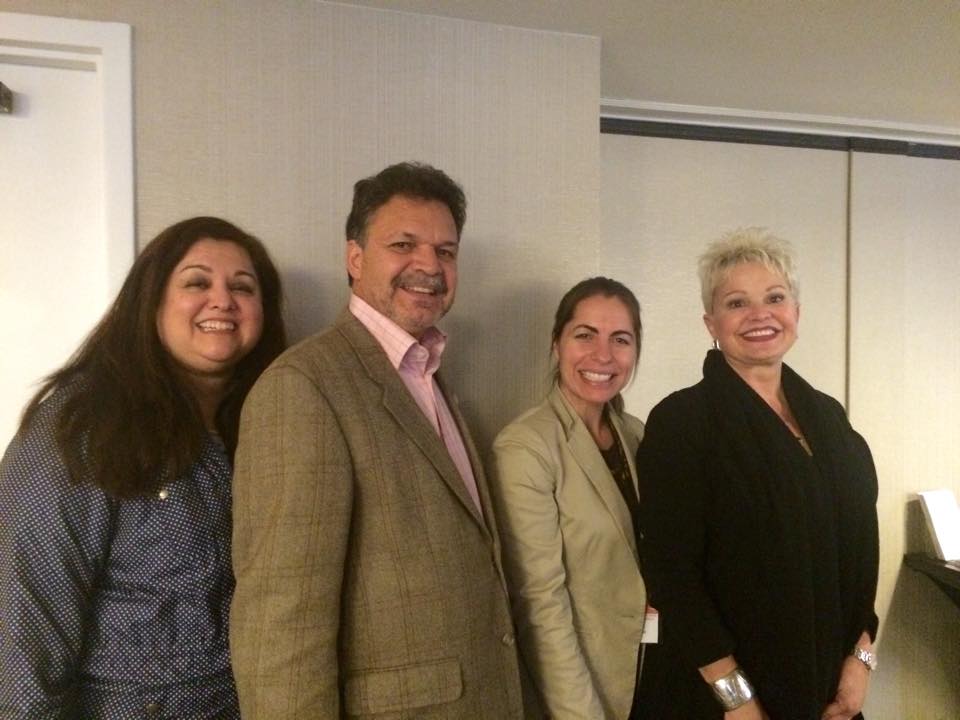
Last week I co-led The OpEd Project seminar with 15 Hispanic legislators from across the country. Last Thursday, they read op-eds in breakout groups and one group read my op-ed on upskirt laws. I am thrilled that three of the group members (pictured) from New Jersey, New Mexico, and New York (go “New” states!) all immediately said they would work to amend their state’s invasion of privacy law to cover upskirt photos!! The New York legislator emailed his staff that day & they’re drafting language.

Annette Quijano (NJ), Felix Ortiz (NY) and Nora Espinoza (NM)
Share

Filed Under: SSH programs, street harassment

SlutRock DC

November 1, 2014 By HKearl

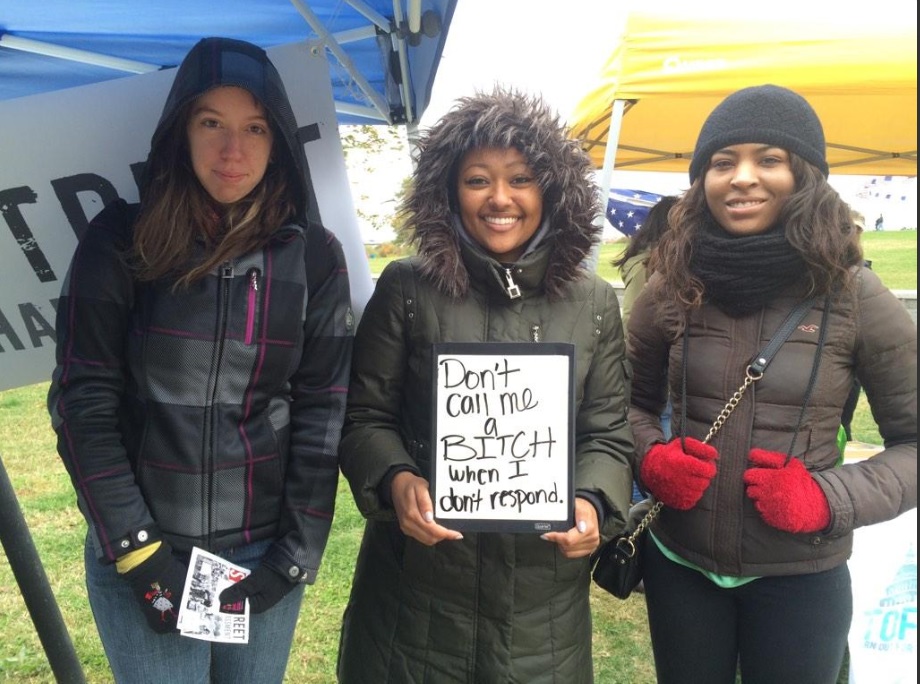
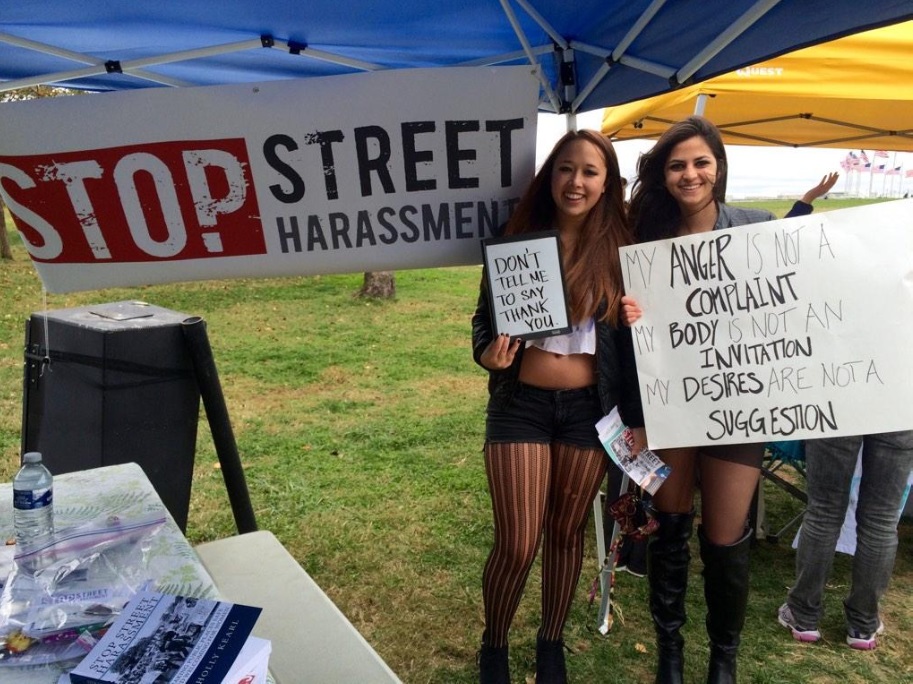
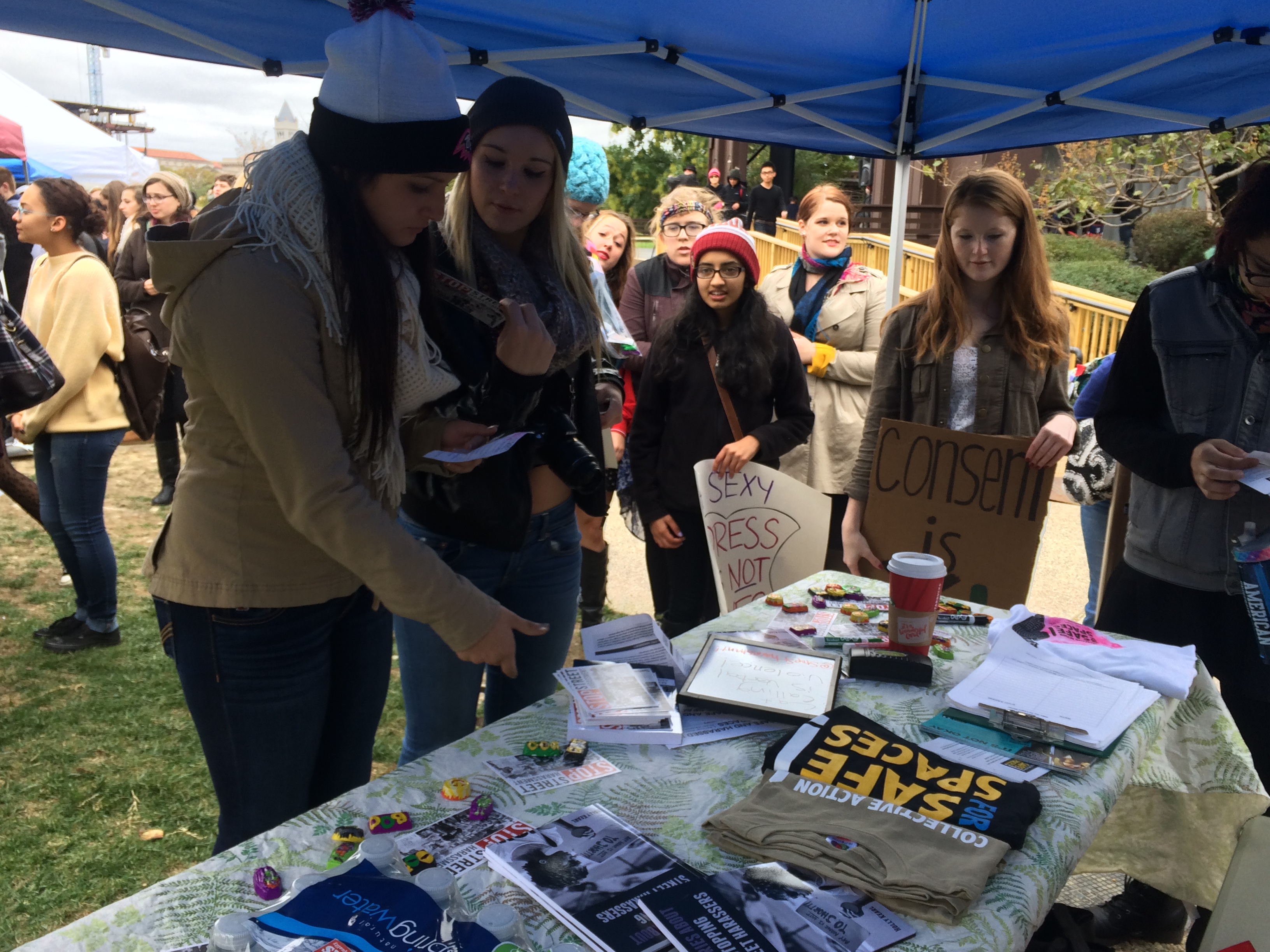
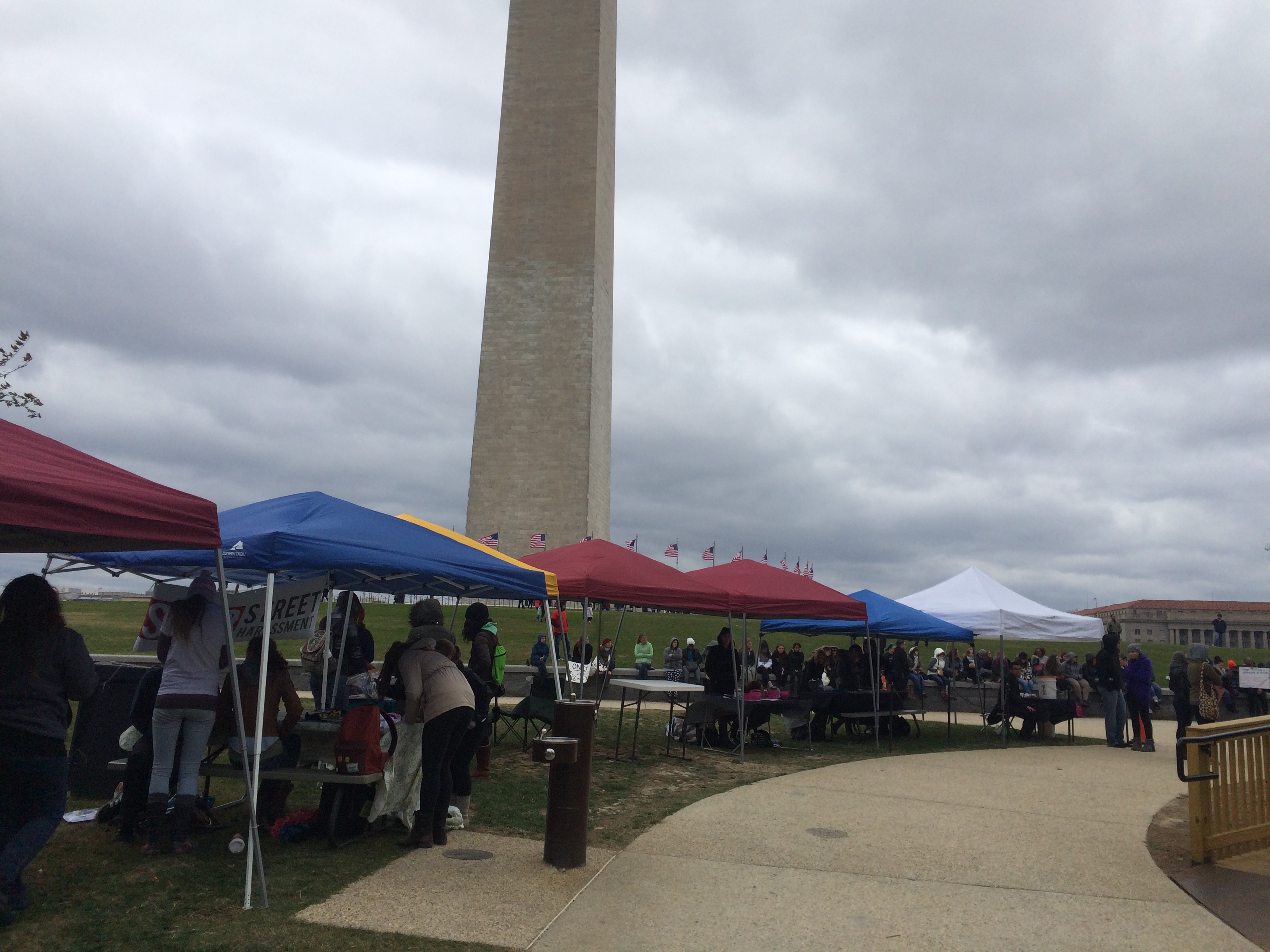
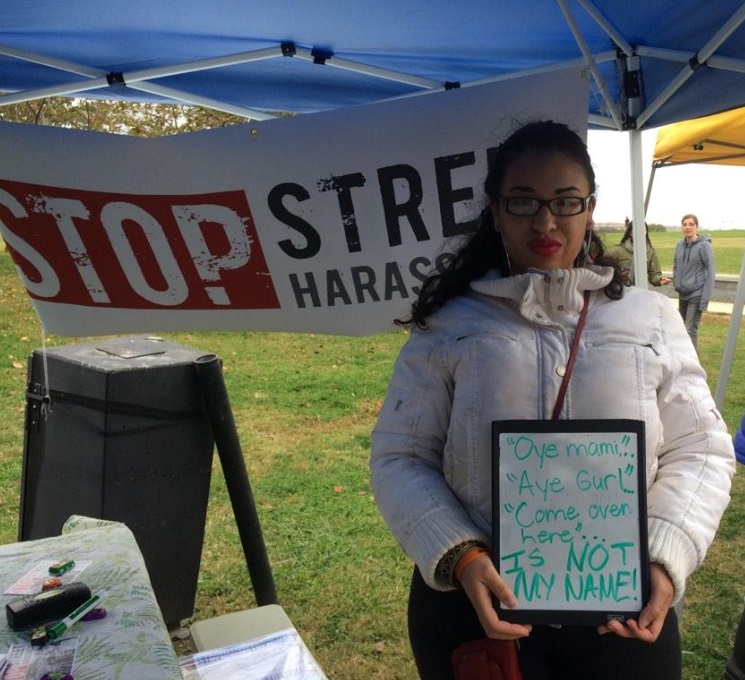
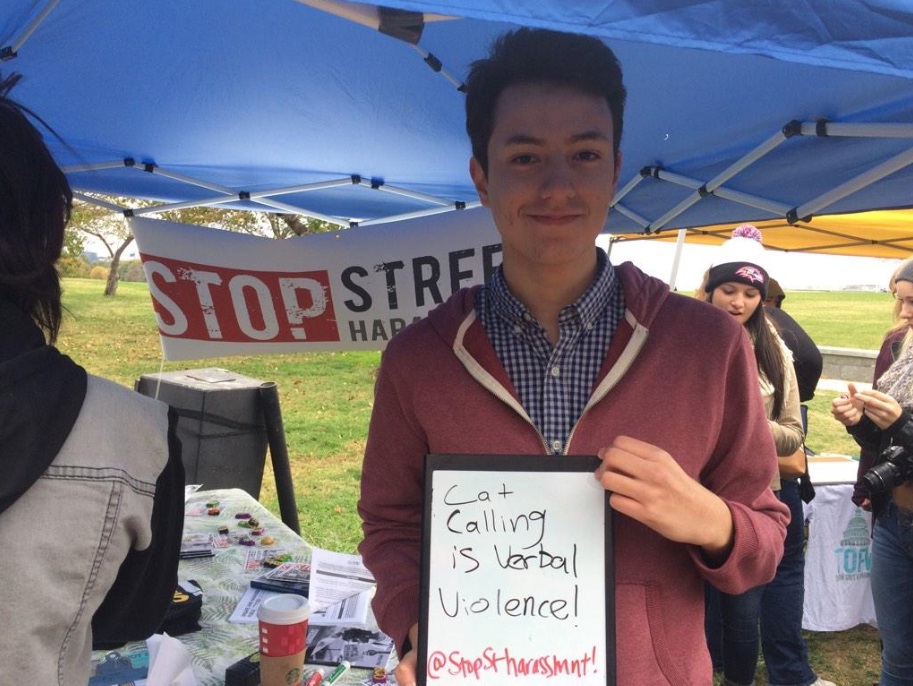
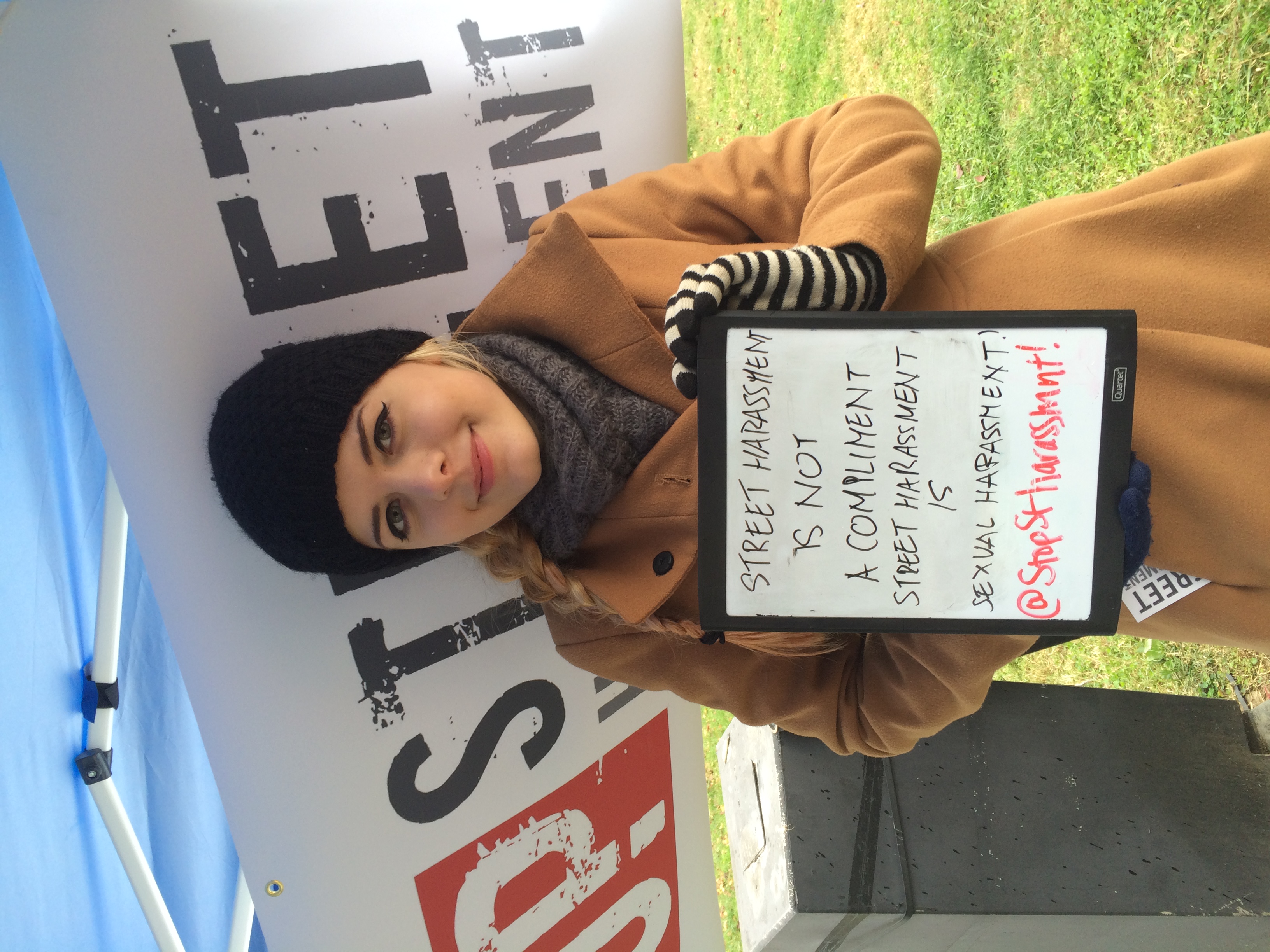
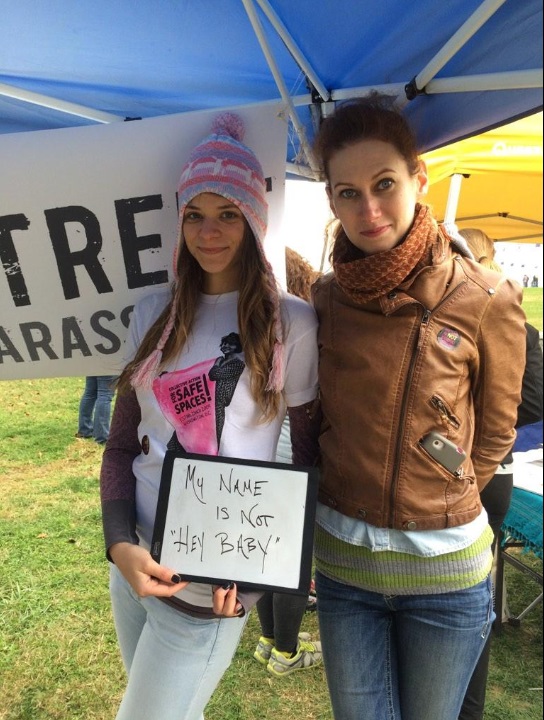
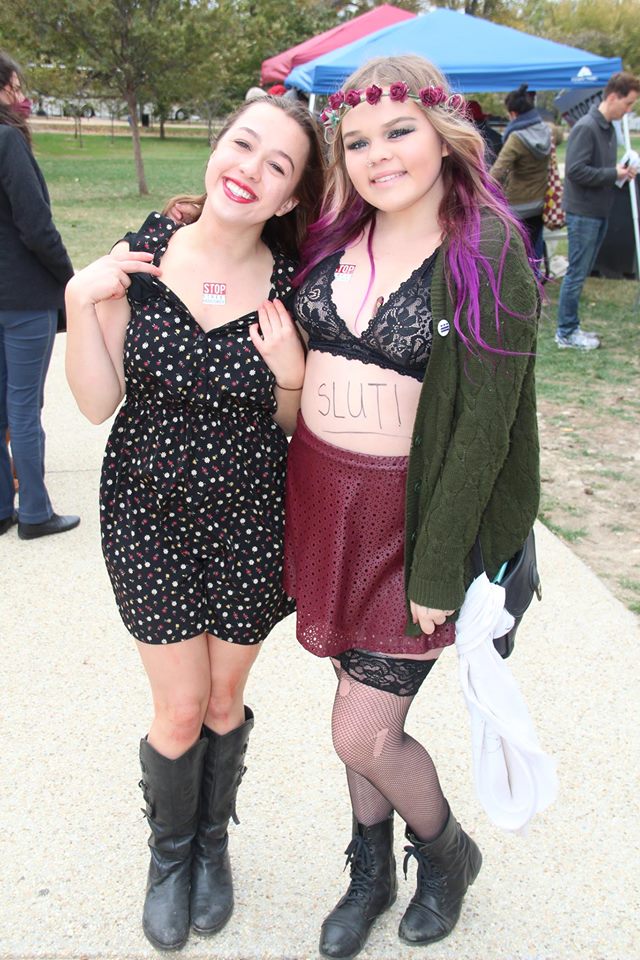
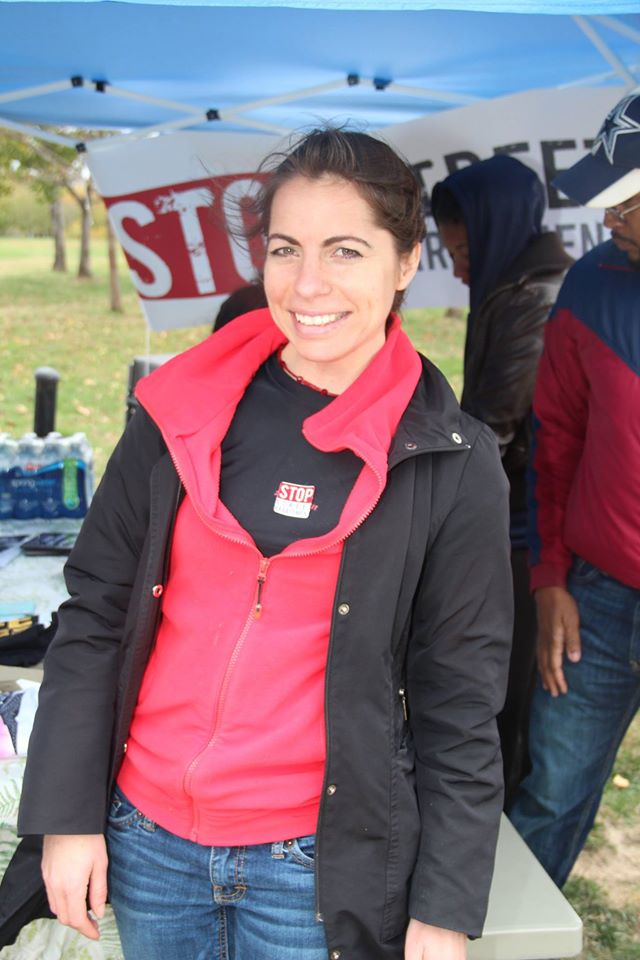
Despite chilly, extremely windy fall weather and a periodic light drizzle, around 150 people marched in the fourth annual SlutWalk/SlutRock DC today. This is the fourth year I’ve tabled at the event and I really love it. I spent three hours talking to people about their street harassment experiences, brainstorming strategies, and sharing stickers, resources and leftover trick-or-treat candy.

So much of the work I do is from behind my computer, emailing people, tweeting, writing here, and even when I give talks, there isn’t always time to have many one-on-one conversations with participants so it was a real treat. Here are a few of the photos, with credit to Mark Webster for the last two.


Share

Filed Under: Events, SSH programs

World Bank Meeting about Harassment on Public Transportation

October 28, 2014 By HKearl

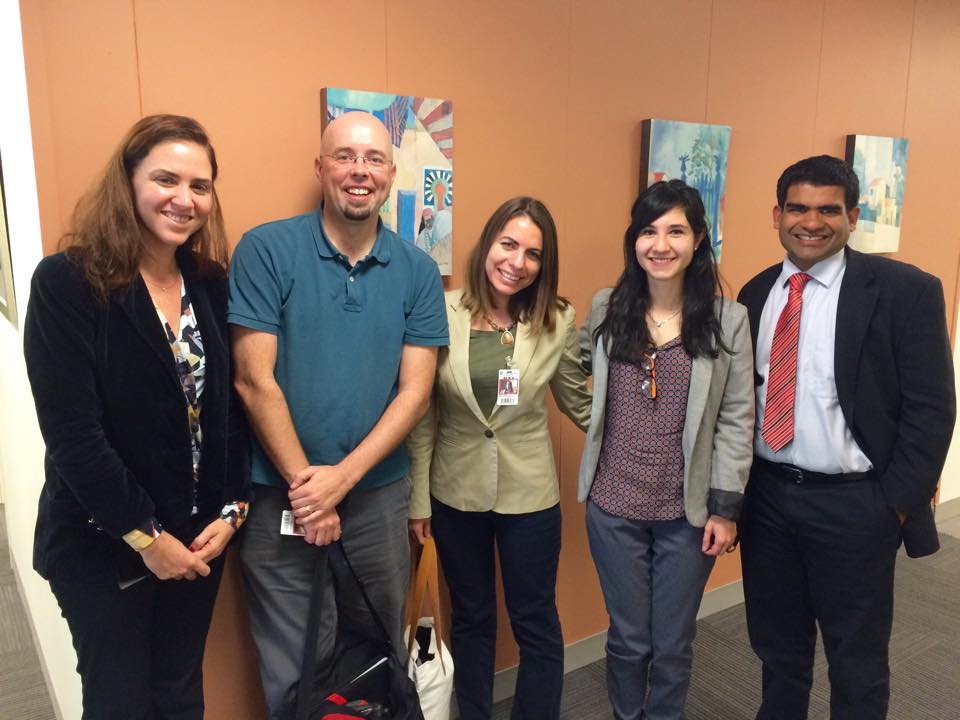
Today I joined Joe Vess from Promundo at the World Bank offices to discuss how to create an effective anti-harassment campaign on public transportation. The World Bank is preparing to launch a pilot campaign on 30 buses in Mexico City this winter.

Here is more about what and why they plan to do. Stay tuned for more updates:

“In Mexico City, 65 percent of women have been victims of some type of gender violence on public transportation or at mass transport stops, terminals or platforms, according to government figures.

It is a reality repeated in other countries of the region. A survey by the non-governmental organization Action Aid in four Brazilian states revealed that 44% of women had suffered sexual harassment on public transportation.

In the first eight months of 2014, 129 people have been arrested for this type of conduct on mass transport systems in Bogota, Colombia, according to police records….

The World Bank and local organizations are developing a pilot program to implement effective measures to combat the problem of sexual harassment on public transportation and mass transport stops in Latin America.

Preliminary research identified four common denominators in interviews with users and public transport officials:

* Reporting is not easy: there is an overall sense that it is not worth reporting incidents because it is a complicated procedure that almost never produces results.

* There is little solidarity among strangers: if there were more of a sense of community, people would speak up when an incident occurs and would be more likely to support victims.

* Segregation is not enough: many users consider segregation a stopgap measure that does not address inappropriate behavior. Some even believe that it is another way to victimize women since it suggests that they “choose” to subject themselves to harassment if they do not travel in the women’s sections.

* Improved infrastructure = more security: participants feel safer when stations and platforms are in good condition.

Based on these results, experts recommend several measures to address the problem.

These include a public awareness campaign to encourage users to join forces against perpetrators, and new services to make users feel safer (for example, night buses that go to users’ houses, in the manner of the San Francisco system). Recommendations also include the development of mobile apps to report harassment, seek help or information.”

Share

Filed Under: public harassment, SSH programs

USA: Safer streets becoming a reality in Kansas City

October 22, 2014 By Contributor

Our six Safe Public Spaces Mentees are half-way through their projects. This week we are featuring their blog posts detailing how the projects are going so far. This sixth post is from our team in the USA. Their projects are supported by SSH donors. If you would like to donate to support the 2015 mentees, we would greatly appreciate it!

BikeWalkKC has made some exciting progress toward making our streets safer in the last three months. BikeWalkKC, Kansas City’s only regional bicycling and pedestrian advocacy organization, helped pass an anti-harassment ordinance to protect vulnerable road users (pedestrians, bicyclists, people in wheelchairs) on October 2.

As a biking and walking advocacy organization, we work to empower individuals to pursue active forms of transportation. Just as poor sidewalks or a lack of bike lanes are barriers to walking or biking, street harassment also causes individuals to feel unsafe walking or biking on our streets.

In order to get the ordinance passed, we reached out to City Councilmembers and local law enforcement earlier this fall. We also launched a petition, gathered letters of support, and conducted an online survey about street harassment. Interesting survey results include:

* 82% of individuals had experienced harassment while walking
* 75% of individuals had experienced harassment while biking
* The most frequent source of harassment was from motorists (65%)
* Only 17% say bystanders have ever intervened

One survey respondent said she experienced street harassment on an average three times a week. “I shouldn’t have had to have been so nervous to walk down my own street in the middle of the day. But I was. Every day. People shouldn’t need to be afraid like this.”

The full report can be seen here.

We received a lot of local press and nationwide attention about the ordinance, such as the Huffington Post, Jezebel, and City Lab. There are at least three other cities in the metro currently working on passing an anti-harassment ordinance.

We were pleased that Kansas City, Missouri City Council is committed to making Kansas City a safer city. Before the ordinance was finally passed, there was a lot of debate among councilmembers concerning the language and making sure First Amendment rights were not being infringed upon.

“During the process to pass it, we found an ally in the ACLU, rekindled a relationship with our local ADA advocacy organization, and really solidified our relationship with council members at city hall,” says BikeWalkKC Marketing and Development Director Sarah Shipley. “It has quite frankly been an amazing experience.”

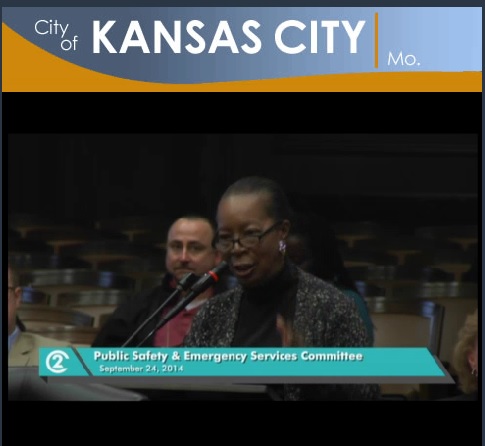
View the testimonies of the courageous citizens who testified on why we needed safe streets in Kansas City at a City Council meeting.

Anti-Harassment Testimonials from BikeWalkKC on Vimeo.

Now that we have passed the ordinance, we are currently planning an educational campaign and workshops surrounding street harassment for community members. Stay tuned for this soon, and thanks again to Stop Street Harassment for all their support and assistance.

Here is the text for the ordinance:

140777 (Sub.)Amending Chapter 50, Article VI, Offenses Against Public Safety, by enacting a new Section 50-205 which will prohibit certain acts against bicyclists, pedestrians, and wheelchair operators.

SECOND COMMITTEE SUBSTITUTE FOR ORDINANCE NO. 140777, AS AMENDED

Amending Chapter 50, Article VI, Offenses Against Public Safety, by enacting a new Section 50-205 which will prohibit certain acts against bicyclists, pedestrians, and wheelchair operators.

WHEREAS, Kansas City wants to encourage modes of transportation other than motor vehicles; and

WHEREAS, it is desirable to create a healthy, safe environment in Kansas City for all people; and

WHEREAS, harassment of bicyclists, pedestrians (including those walking with a guide dog or a white cane), and wheelchair operators increases the hazards already posed to these persons operating on our City streets; NOW, THEREFORE,

BE IT ORDAINED BY THE COUNCIL OF KANSAS CITY:

Section 1. That Chapter 50, Article VI, Offenses Against Public Safety, is hereby amended by enacting a new Section 50-205, Harassment of a Bicyclist, Pedestrian or Wheelchair Operator, to read as follows:

Sec. 50-205. Harassment of a Bicyclist, Pedestrian or Wheelchair Operator

(a)    The following words, terms and phrases, when used in this section, shall have the meanings ascribed to them below, except where the context clearly indicates a different meaning:

Bicycle means any device upon which a person may ride, which is propelled by human power through a system of belts, chains, or gears, and may include an electric assist motor, and has wheels at least 16 inches in diameter and a frame size of at least 13 inches.

Wheelchair means any manual or motorized device designed specifically for use by a person with a physical disability for means of conveyance.

(b)   No person shall, for the purpose of intimidating or injuring any person riding a bicycle, walking, running, or operating a wheelchair or for the purpose of intimidating or injuring such person’s service animal:

(1)               Throw an object, direct a projectile, or operate a vehicle at or in such person’s direction or at or in the direction of such person’s service animal; or

(2)               Threaten such person; or

(3)               Sound a horn, shout or otherwise direct loud or unusual sounds toward such person or toward such person’s service animal; or

(4)               Place such person in apprehension of immediate physical injury; or

(5)               Engage in conduct that creates a risk of death or serious physical injury to such person or such person’s service animal.

(c)    Any person convicted of a violation of this chapter shall be punished for that violation by a fine of not less than $50.00, but not more than $500.00 or by imprisonment of not more than 180 days or by both such fine and imprisonment.

Rachel Krause is BikeWalkKC’s Marketing and Communications Coordinator.

Share

Filed Under: SSH programs, street harassment

« Previous Page
Next Page »

Share Your Story

Share your street harassment story for the blog. Donate Now

From the Blog

  • #MeToo 2024 Study Released Today
  • Join International Anti-Street Harassment Week 2022
  • Giving Tuesday – Fund the Hotline
  • Thank You – International Anti-Street Harassment Week 2021
  • Share Your Story – Safecity and Catcalls Collaboration

Buy the Book

  • Contact
  • Events
  • Join Us
  • Donate
  • Facebook
  • Instagram
  • Pinterest
  • Tumblr
  • Twitter
  • YouTube

Copyright © 2026 Stop Street Harassment · Website Design by Sarah Marie Lacy