• About Us
    • What Is Street Harassment?
    • Why Stopping Street Harassment Matters
    • Meet the Team
      • Board of Directors
      • Past Board Members
    • In The Media
  • Our Work
    • National Street Harassment Hotline
    • International Anti-Street Harassment Week
    • Blog Correspondents
      • Past SSH Correspondents
    • Safe Public Spaces Mentoring Program
    • Publications
    • National Studies
    • Campaigns against Companies
    • Washington, D.C. Activism
  • Our Books
  • Donate
  • Store

Stop Street Harassment

Making Public Spaces Safe and Welcoming

  • Facebook
  • Instagram
  • Pinterest
  • Tumblr
  • Twitter
  • YouTube
  • Home
  • Blog
    • Harassment Stories
    • Blog Correspondents
    • Street Respect Stories
  • Help & Advice
    • National Street Harassment Hotline
    • Dealing With Harassers
      • Assertive Responses
      • Reporting Harassers
      • Bystander Responses
      • Creative Responses
    • What to Do Before or After Harassment
    • Street Harassment and the Law
  • Resources
    • Definitions
    • Statistics
    • Articles & Books
    • Anti-Harassment Groups & Campaigns
    • Male Allies
      • Educating Boys & Men
      • How to Talk to Women
      • Bystander Tips
    • Video Clips
    • Images & Flyers
  • Take Community Action
  • Contact

Bulgaria: Harassment-free schools: Whose responsibility is it anyway?

October 16, 2014 By Correspondent

Diana Hinova, Sofia, Bulgaria, SSH Blog Correspondent

Public schools are public spaces. Schools are also one of the places where we learn, ‘by doing’, about what public space is and what behaviors are acceptable in it. It is no secret that there can be serious problems with bullying and harassment in schools. In Bulgaria, though, teachers and school officials –underpaid and often burned out – tend to ignore anything that is happening between students and does not lead to serious bodily injury. They try to just focus on their job, insisting that they are responsible for educating, not protecting or disciplining the students.

So, a lot goes on in Bulgarian schools to ‘teach’ girls that they cannot count on their bodies being respected or their rights protected. Being groped and verbally harassed by classmates on a regular basis just seems to be part of the public school experience. When Bulgarian women who had experienced physical or sexual violence since age 15 by someone other than their partner were asked details about the most serious such incident, 22% cited someone from a school context as the perpetrator (European Study on Violence Against Women, 2012).

The message that girls cannot count on their bodies being respected or their rights protected is reinforced by street harassment. Bystander passivity compounds it. When they experience and witness street harassment, in their daily commutes to school and other activities, girls come to understand that this behaviour is seens as tolerable not only for their rowdy peers, but for any man. Boys similarly see that there is no incentive to stop harassing women.

As long as sexual harassment goes on between classmates, school officials will turn the other way and focus on their ‘educating’ work. This realization was certainly part of my stints in Bulgarian public school, and one of the most memorable at that. Is it any wonder then that some of these boys carry the same attitudes and behaviors out into the street? Or that we continue not to talk about gender-based violence as adults? A huge opportunity to break the cycle of tolerated harassment is missed.

A small proportion of cases though, in public school settings, are such where the perpetrator is not another student. An alleged case of this variety captured Bulgaria’s attention this week: the parents of a 13-year-old girl became aware that there was misconduct by staff against their daughter, probably of a sexual nature, at a special-needs school in Sofia. The immediate response by school officials was, in essence, ‘[shrug], I don’t know, I wasn’t there, and, nobody would believe an autistic kid, anyway’. The parents filed complaints with the relevant child rights agencies and the Ministry of Education, public protests and press statements ensued.

What bitter irony that this year the State Agency for Child Protection, along with similar national authorities elsewhere, marks “2014: Year of Child Rights”! It is on the occasion of the 25-year anniversary of the Convention of the Rights of the Child, ratified by Bulgaria in 1991. The Convention guarantees children, among other things, protection from physical and sexual violence and exploitation. In addition, while many school officials may not be aware of this fact, a coordination mechanism between the SACP, Ministry of Education, and law enforcement institutions, stipulates that anyone aware of potential violations of these rights bears responsibility for reporting these concerns to the relevant authorities.

As it turns out, there are (on paper) fairly adequate systems for dealing with sexual harassment and more serious offenses in Bulgarian public schools. It’s just that no one wants to take on the added responsibility for using these means.

There is a movement among young parents in Sofia to consider various forms of alternative education. How to educate your children is a huge decision – these people take it quite seriously. And they find themselves pushed away from the public school system not only because of what they perceive as poor quality education, but to a large extent also because it does not provide a safe environment.

They do not want their children to become either victims or aggressors by default, or to internalize the norms tolerant to violence. But Bulgarian public schools at present pretty much guarantee that they would.

Diana has a Master’s in Public Policy from Georgetown University and works as a consultant to INGOs. Follow her on Twitter @dialeidoscope or letnimletni.blogspot.com.


България: Училище без тормоз: Чия е отговорността?

Държавните училища са публични пространства. Училищата са и места, където научаваме, ‘от опит’, що е то публично пространство и какво поведение се приема в него. За никого не е тайна, че в училищата може да има сериозни проблеми, конфликти и насилие между връстници. В България, учителите и персоналът – обикновено с недодстатъчно заплащане и претръпнали – не обръщат внимание на отношенията между учениците, стига да не се стига до сериозни физически наранявания. Стараят се да се концентрират в работата, като настояват, че те трябва да обучават, а не да защитават или възпитават учениците.

Така много неща в училище “обучават” момичетата, че не могат да разчитат телата им да бъдат неприкосновени или правата им да бъдят защитени. Това съучениците ти да те опипват, задавят нежелано и обиждат, редовно, е просто част минаването през държавното училище. От българките изпитали физическо или сексуално насилие извършено от друг, а не техен партньор, 22% са посочили извършител от учебната си среда (Европейско Изследване на Насилието над Жени, 2012).

Идеята, че момичетата не могат да разчитат на уважение, заради телата си, или на правата си, се подсилва от уличния тормоз. Апатичните наблюдатели я потвърждават. Когато биват тормозени на улицата или наблюдават такива случки в ежедневното си придвижване, момичетата осъзнават, че такова поведение се толерира не само сред бурните им връстници, но от страна на всеки непознат. Момчетата също не виждат пример и причина да противостоят на такова поведение.

Стига сексуалният тормоз да се случва между учениците, персоналът на училищата извръщат поглед и се концентрират да ‘образоват’. Това прозрение със сигурност го изпитах лично в държавните училища и то остава най-яркият ми спомен от времето прекарано там. Да се учудваме ли, че момчетата после излизат на улицата и в обществото със същите нагласи и поведение? Или че продължаваме да не говорим за половото насилие и като възрастни? Пропускаме огромна възможност да спрем цикъла на толериран тормоз.

В малък процент от случаите на сексуален тормоз в училищна среда, все пак, извършителят не е друг ученик. Такъв е случаят на 13-годишната Ана-Мария, чиито родители повдигат въпроса за сексуален тормоз извършен от служител пред настоятелите на училището. Сблъскват се първоначално с отговора “Не зная какво е станало, не сме били там, а и никой няма да и повярва, защото е аутист”.

Каква горчива ирония – Държавна Агенция за Закрила на Детето (ДАЗД) в момента отбелязва “2014-та: Година на правата на детето!” по случай 25-годишнината от Конвенцията за правата на детето, която България ратифицира през 1991-ва. Конвенцията гарантира на децата, наред с други права, закрила от физическо и сексуално насилие и експлоатация. Освен това, въпреки нехаенето на болшинството служители в училищата, координационният механизъм на ДАЗД, Министерство на Образованието и Науката и органите на съдебната власт, задава задължение на всеки информиран за потенциално нарушение на тези права да сигнализира компетентните институции.

Излиза, че (на хартия) има сравнително адекватна система за сексуален тормоз и други сериозни нарушения в Българските училища. просто никой не желае да поеме отговорността да я използва.

Има една тенденция сред младите родители в София да търсят алтернативни методи за образование за децата си. Изборът на образование е много значимо решение, което тези хора приемат съвсем на сериозно. И се усещат отблъснати от държавната образователна система не само защото оценяват образователната програма като некачествена, но и до голяма степен защото не смятат, че осигурява безопасна среда.

Те не искат децата им да се превърнат в жертви или агресори по предопределеност, или да възприемат толерантността към насилието, на която българските държавни училища почти гарантирано ще ги научат.

(Развития по случая на Ана-Мария offnews и резултати от проверката на ДАЗД)

Следвайте автора в Twitter @dialeidoscope или на блога letnimletni.blogspot.com.


Share

Filed Under: correspondents, public harassment, street harassment

“I believe that is a fundamental issue in our society today”

October 16, 2014 By Contributor

The other night I went to visit my sister at her college, and the next night they were having a night out at a nearby rollerskating rink. I went with her and was desperately trying to teach her how to skate so I pulled her off to the side while we laughed at her clumsiness.

As I stood with my sister, an obnoxious guy skated by quickly and turned to face my sister and me as he called, “Hey there baby!” And laughed with his friend as they skated away. My first reaction was to think, “It’s a compliment, just take it as a compliment.” But the thing is, it’s NOT a compliment. Viewing me for my sexuality alone is not flattering! And more importantly, I do NOT have to accept it! I am entitled to my body, and no one else. I am fifteen years old, and that guy was probably at LEAST twenty!

Calling me things like “hot” or “sexy” or “baby or “princess” does not make me anymore interested in you. I hate the words hot and sexy, I absolutely LOATHE them. It is incredibly objectifying to call anyone a name based off of their sexuality alone and how they appeal to you in that way.

The only people who can call me ANYTHING are people who I CARE about, people who I know and think twice about. Not sick, perverted, raving rape culture enthusiasts on the street or otherwise. I wouldn’t even give that guy the time of day.

Optional: What’s one way you think we can make public places safer for everyone?

The first thing we need to do is band together, we need to vow to stand with our sister/brother in the scenario that they are being harassed. The second thing we need to do is educate young boys and men about how to view and treat a woman, because I believe that is a fundamental issue in our society today.

– Brianna

Location: Greenville SC, at a rollerskating rink

Share your street harassment story for the blog.
See the book 50 Stories about Stopping Street Harassers for more idea

Share

Filed Under: Stories, street harassment

Street Harassment and the Law: Global Edition

October 15, 2014 By HKearl

Via Hollaback!

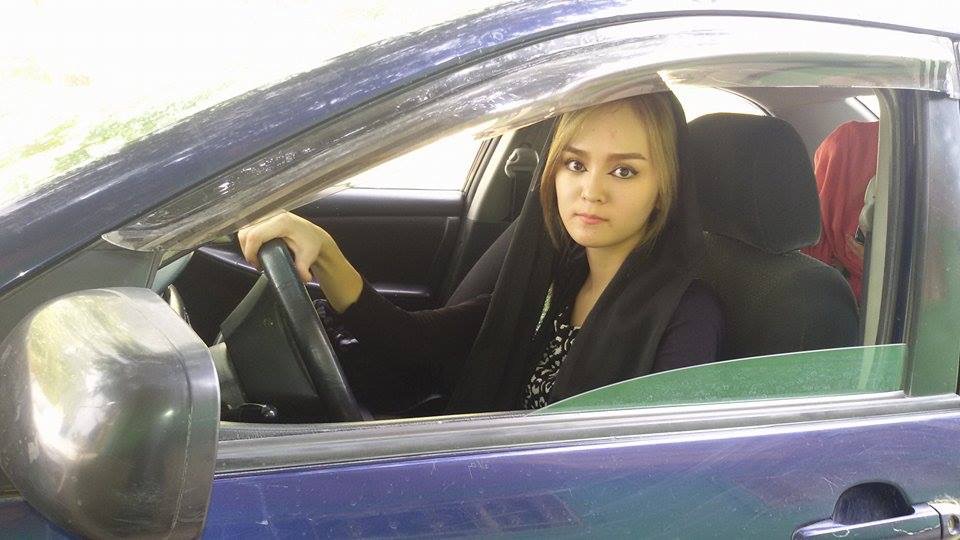
“A new report released today offers the first ever global legal resource on street harassment. Led by NGO Hollaback! and the Thomson Reuters Foundation and coordinated by global law firm DLA Piper, the “Know Your Rights” guide compiles the latest legal definitions and information on all forms of street harassment across 22 countries and in 12 languages. A monumental undertaking, the guide involved the efforts of 11 legal teams working in collaboration around the world.

You can download a PDF of the guide here: Street Harassment – Know Your Rights‘”

If you’re in the USA, you can find state-by-state information in our Know Your Rights: Street Harassment and the Law released last December. It’s also available as a PDF.



Share

Filed Under: hollaback, SSH programs, street harassment

News from Belgium, Saudi Arabia, and USA

October 15, 2014 By HKearl

BELGIUM:

“Brussels police write up an average of two fines a day for verbal abuse, mostly targeted at women and gay people. Verbal abuse, such as cat- or name-calling, is prohibited in the capital since a law against street harassment was passed earlier this year.

“We forward all complaints to the prosecutor, but perpetrators often go unpunished for lack of evidence,” commissioner Christian De Coninck told Het Laatste Nieuws. “An officer can only take action immediately if he happens to overhear something, which has happened 18 times over the past eight months.” The perpetrators were given a so-called GAS fine of between €50 and €250.

The police and Brussels-City mayor Yvan Mayeur urge victims of harassment to always file a complaint. “The more insight we get into how, where and when this is happening, the better we can tackle the issue,” said De Coninck. “Everyone should feel safe on our sidewalks.”

SAUDI ARABIA:

“Saudi Arabia is considering hefty fines and jail sentences of up to five years for sexual harassment, it is reported.

Proposals to tighten punishment for unwanted sexual advances follow a surge in the harassment of women at workplaces, streets and shopping malls, says Arab News website.

These proposals are included in a bill that is being considered by the Social Affairs Committee of the Shura Council. It is a consultative body which has the power to propose draft laws, but not approve them. Saudi Arabia is an absolute monarchy where the king has a monopoly of power.”

USA:

“One woman in Detroit was shot and killed after refusing to give a stranger her phone number. Another woman in New York got her throat slashed for refusing to go on a date with a stranger.

Those are just two examples of violence perpetrated against women over the past week. And while those cases grabbed news headlines, other acts of aggression on the street may have very well gone unreported. Advocates working to stop street harassment say the two incidents are a clear illustration of why catcalls and come-ons aren’t harmless for the people on the receiving end.”

USA:

“My name is Kara and I live in Uptown. For the past two months I’ve been working on a campaign to raise money for CTA ads that discourage harassment.

Street harassment is a major issue for me on my block and commute to work, and I wanted to do something to promote awareness. I’ve been working with the CTA’s advertising company on this project, and they seem very willing to help.

I just launched the fundraising page a few days ago, and today I’m having the first meeting with a group of interested people on fundraising ideas and ad content.

If you’re interested in helping/donating/attending the meeting, email me at ctacouragecampaign@gmail.com.”

Share

Filed Under: News stories, street harassment

Seattle street harassers used to face this punishment…

October 15, 2014 By HKearl

In the late 1800s and early 1900s, street harassers were called “mashers” across the USA. In Seattle, if you were convicted of being a masher, you may have to put in time on the chain gang! Wow.

Via CrossCut.com —

“Even though Seattle was awash in prostitution, behavior toward ‘proper’ ladies had to be protected at all costs, especially as the city’s middle class expanded. Two young men in Ballard were sentenced to the gang for getting a 16-year-old Ballard girl drunk on beer.

The Seattle Times defended a chain gang sentence for another young man who was arrested for “annoying a young woman on a Seattle street.” The paper editorialized, “That penalty, too, may seem severe to some, but it does not to any man with a wife or daughter who is occasionally compelled to be upon the streets of this city alone. The offense of the ‘masher’ is akin to that of the rapist. There is only a difference in the quality of the nerve displayed. The penalty under the law is, unfortunately, too light.”

In 1907, police chief Charles “Wappy” Wappenstein decided to crack down on men and boys who harassed proper ladies on the street — a bit ironic for a policeman who was later prosecuted and jailed for taking bribes from prostitution interests in the city. Wappy threatened to start a “second chain gang to be made up of dudes and brainless individuals who have the mashing habit.” He said, “It would be a joy to me to see a finely dressed young man…working alongside a hobo, chained together with irons….”


Share

Filed Under: SH History, street harassment Tagged With: history, mashers, seattle

« Previous Page
Next Page »

Share Your Story

Share your street harassment story for the blog. Donate Now

From the Blog

  • #MeToo 2024 Study Released Today
  • Join International Anti-Street Harassment Week 2022
  • Giving Tuesday – Fund the Hotline
  • Thank You – International Anti-Street Harassment Week 2021
  • Share Your Story – Safecity and Catcalls Collaboration

Buy the Book

  • Contact
  • Events
  • Join Us
  • Donate
  • Facebook
  • Instagram
  • Pinterest
  • Tumblr
  • Twitter
  • YouTube

Copyright © 2026 Stop Street Harassment · Website Design by Sarah Marie Lacy